산 마우로 파스콜리에서 가장 멋진 7개의 천연기념물
천연기념물을 방문하여 산 마우로 파스콜리의 아름다운 풍경을 만나보세요. 산 마우로 파스콜리에 있는 7
개의 천연기념물과 상세 정보를 살펴본 후에 방문하고 싶은 천연기념물을 다음 모험 계획에 추가해보세요!
마지막 업데이트: 10월 15, 2026
산 프란체스코의 사이프러스
하이라이트 • 자연 기념물
번역자 Google •
팁에 의해

바라폰다의 고래 분수
하이라이트 • 기념물
The sperm whale that ran aground on the beach in April 1943
As with every fact that remains in the city's memory, over time it colors and …
번역자 Google •
팁에 의해

이런 장소를 발견하려면 지금 가입하세요
최고의 싱글 트랙, 봉우리 및 다양한 흥미로운 야외 장소에 대한 추천을 받아보세요.
파르코 페데리코 펠리니의 콰트로 카발리 분수와 펠리니아
하이라이트 • 기념물
번역자 Google •
팁에 의해

안티카 소르젠테 수르치온
하이라이트 • 자연 기념물
I know, you've never heard of it. Few people know him even among the people of Rimini.
번역자 Google •
팁에 의해
파르코 델라 카바 화석 공원
하이라이트 • 자연 기념물
번역자 Google •
팁에 의해

무료로 가입하여 산 마우로 파스콜리 주변의 더 많은 자연 기념물을 발견하세요.
이미 komoot 계정이 있나요?
오늘 무료 계정으로 시작하세요
다음 모험이 기다리고 있어요.
커뮤니티 팁

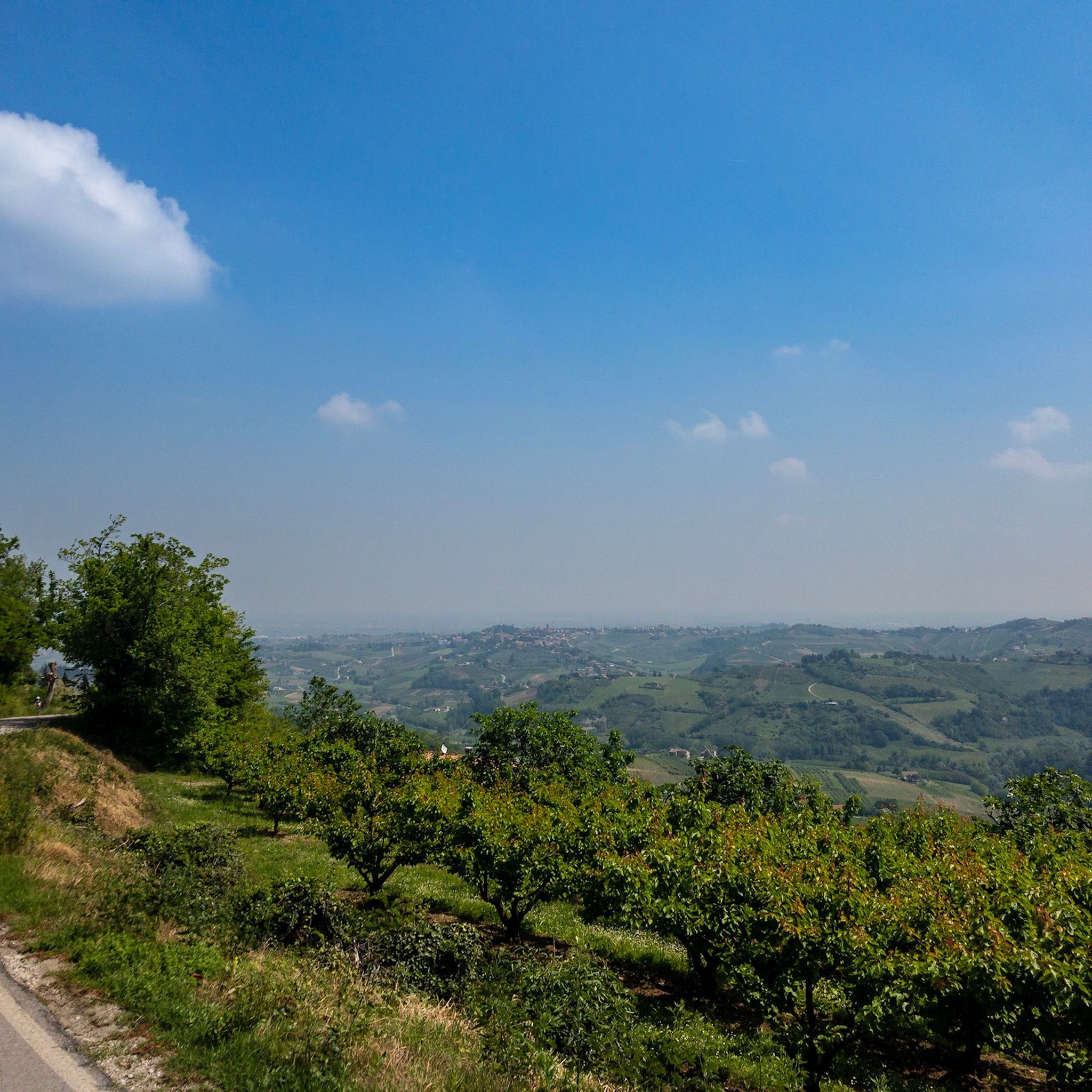
13세기에 리미니 지방을 여행하던 중 성 프란치스코가 여행 중에 자신을 지탱해주던 "지팡이"를 땅에 꽂았는데, 이 지팡이가 기적적으로 뿌리를 내려 역사에 남을 사이프러스 나무가 되었다고 전해집니다. 이 나무는 악천후뿐만 아니라 인간이 초래한 생명에 위험한 상황도 견뎌냈습니다. 특히 1800년대 나폴레옹 시대에는 수도원에 들어온 군대가 나무를 베라는 명령을 받았고, 나무를 태우려던 중에 베지 말라는 역주문이 도착했습니다. 또한 제2차 세계 대전 중에는 독일군이 추위를 피하기 위해 나무의 일부를 태웠고, 1980년에는 10미터 더 높았던 주 꼭대기가 악천후로 인해 무너졌습니다. 프란치스코회 수도사들에 따르면, 이 나무는 그 아름다움과 장엄함으로 누구에게나 감동을 주며, 성 프란치스코를 지탱해주던 지팡이처럼 신이 강한 지지자라는 생각의 상징입니다. 나이와 여러 차례의 방화 시도로 약해진 사이프러스 나무는 약간 녹슨 금속 보조기구 몇 개 덕분에 서 있지만, 훨씬 젊은 다른 나무들과 비교하면 건강해 보입니다. 이 식물의 장수 비결을 밝히려는 과학 연구의 대상이 되었습니다. 전통에 따르면 성 프란치스코가 1213년에 심은 이 기념비적인 사이프러스 나무는 오늘날 수도원의 회랑에서 800년의 역사를 주변에서 지켜본 25미터 높이의 거대한 식물 기념물로 감상할 수 있습니다. 얼마나 많은 이야기를 할 수 있을까요... 그것을 보면 매료되고 놀라게 됩니다. 자연의 저항력에 대한 나무 증거 중 하나입니다. 창조의 또 다른 경이로움입니다.
0
0

History: Inaugurated on June 29, 1928 and sculpted by Filogenio Fabbri from Rimini, the Fountain of the Four Horses can be defined as one of the symbols of the Rimini Riviera. It is located inside the Federico Fellini Park and, in 1945, resisted the passage of the front. In the same year, the fountain was removed and placed in the then headquarters of the Fire Brigade, after which three of the four horses were transferred inside the Marecchia Park. The basin was demolished in 1954. Only in 1983, thanks to the perseverance of Umberto Bartolani and the sculptor's daughter, Fausta Fabbri, was the fountain returned to its original position. At the base, in the lower part, a plaque dated 1987 commemorates Ugo Stentori, the last restorer of the work. Description: The large main basin is circular in shape, symbolically representing the sea. From the water rise four sea horses, which spray water from their nostrils and support with their heads another, smaller basin, from which another jet extends upwards. taken from: https://it.wikipedia.org/wiki/Fontana_dei_Quattro_Cavalli
1
0


Bronze bust of Claudio Tintori, a physician who, together with Ruggero Baldini, initiated the development of tourism in Rimini in 1843, by investing in the first beach facilities.
1
0

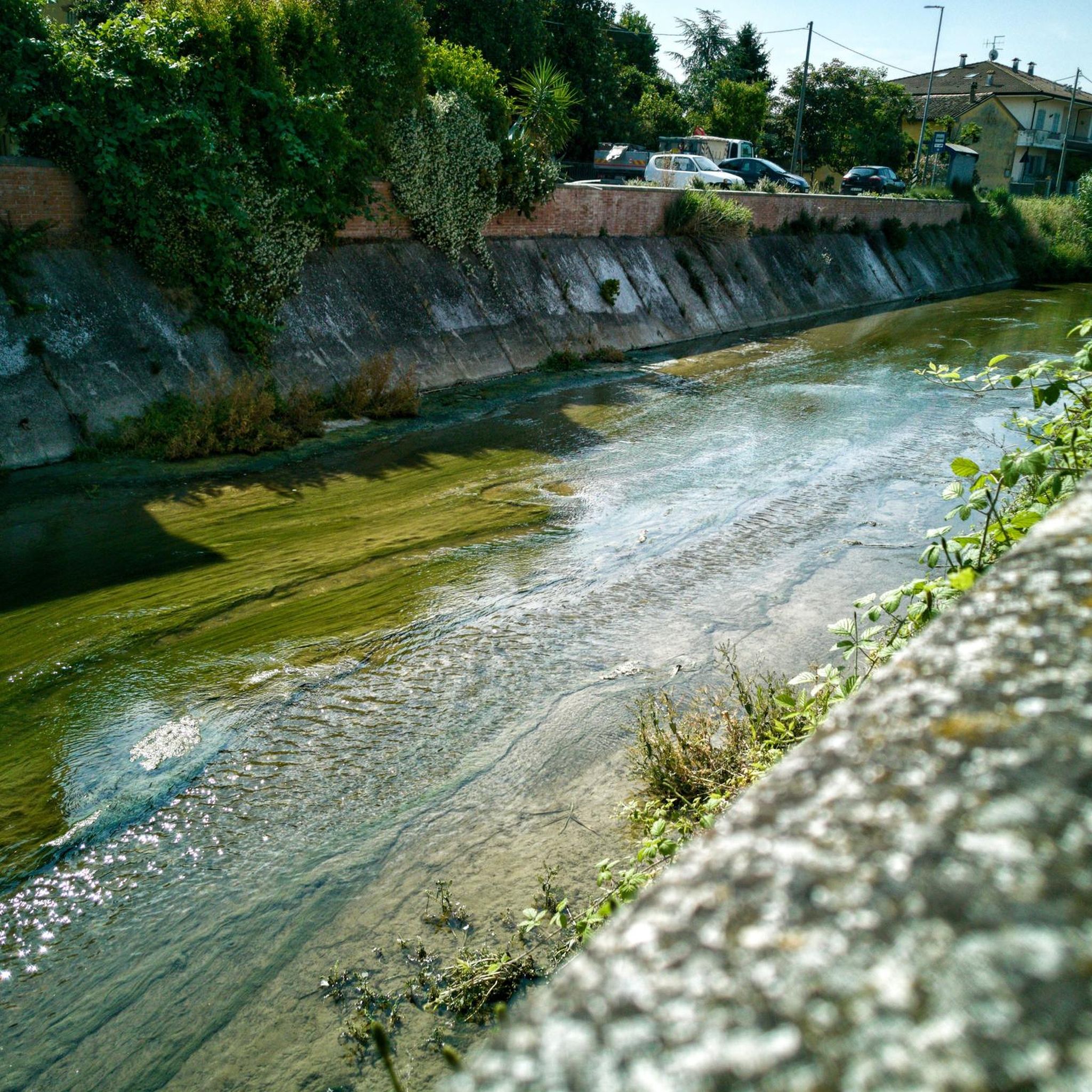
Parco della Cava - "Dedicated to the fossiliferous deposit that came to light in the bed of the Marecchia river, it is a theme and educational park that has allowed the recovery of a quarry. Among the thousands of finds, fossil fish dating back three million years were found ago and among these some species today found only in the tropical area of the Indian Ocean."
0
0


The cypress of San Francesco is the oldest monumental secular 🌲 (800 years old) among the giants of Emilia Romagna. It is located inside the convent of Villa Verucchio, it seems to have been planted by the Saint himself
0
0
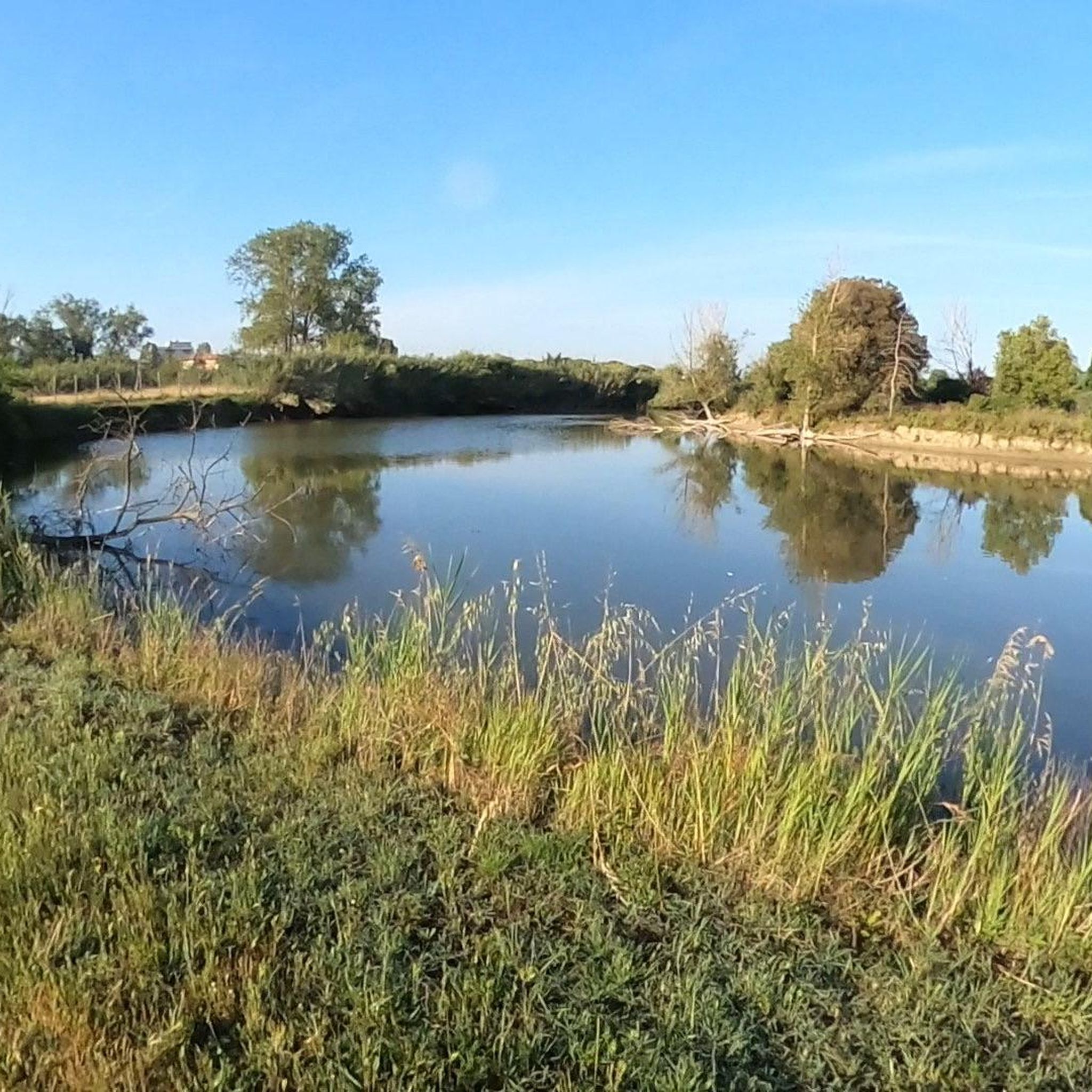
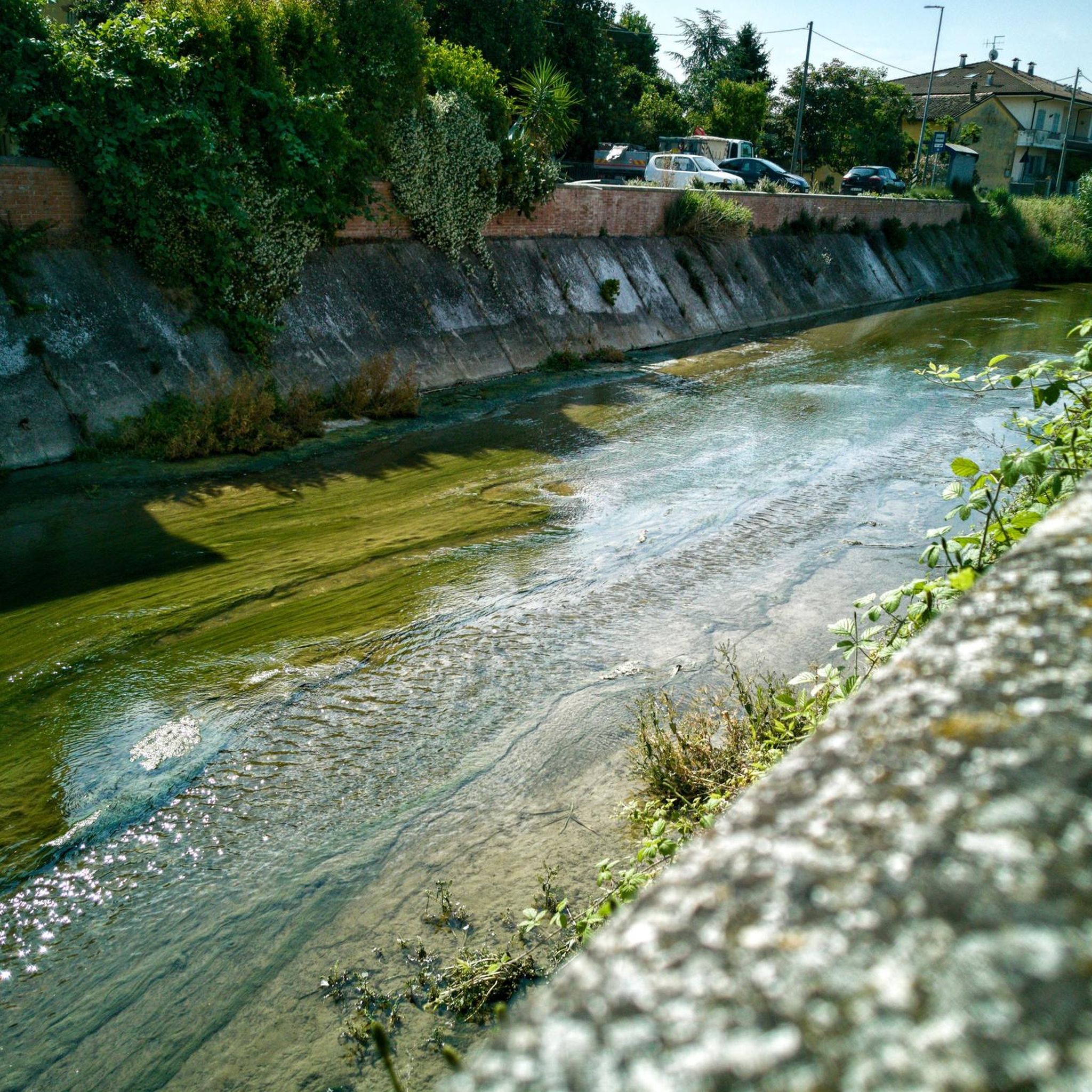
It practically flows into the sea, it could be the shortest river in the world... it's the Survòun. I know, you've never heard of it. Few people know him even among the people of Rimini. I'm Renata from the Hotel Villa Perazzini. When I accompany my hotel guests on walks, I particularly love seeing their amazed look when they find themselves faced with something they never thought they would see in Romagna. One of the things that creates the greatest amazement is the Survòun, an ancient source of fresh (drinking) water that flows on the Viserbella shoreline. Many stories and legends are linked to Survòun. Consider that, until the 1960s, water flowed in such abundance that it created the phenomenon of quicksand. Our grandparents and parents often told of times when the Surcioun was their "bogeyman". It was said that a farmer had been swallowed up by quicksand along with an entire ox cart on a foggy day. It was probably a story invented by the elders to keep the more reckless children away from this area. Today there is no longer any trace of the quicksand and the spring is a pleasant discovery for tourists who want to soak their feet for a regenerating foot bath. It's wonderful to dip your feet in freezing water and then warm them in the sea! taken from https://www.hotelvillaperazzini.it/it/blog/73/Surci%C3%B2un-l%E2%80%99antica-fonte-di-acqua-dolce.html
3
0
산 마우로 파스콜리 주변에서 가장 인기 있는 명소


더 살펴보기
산 마우로 파스콜리 주변의 최고의 동굴을 찾기 위해 이 가이드를 확인해보세요:
