카르미냐노에서 가장 멋진 20개의 천연기념물
천연기념물을 방문하여 카르미냐노의 아름다운 풍경을 만나보세요. 카르미냐노에 있는 20
개의 천연기념물과 상세 정보를 살펴본 후에 방문하고 싶은 천연기념물을 다음 모험 계획에 추가해보세요!
마지막 업데이트: 9월 18, 2026
악마의 바위(피에트라마리나)
하이라이트 • 자연 기념물
번역자 Google •
팁에 의해


이런 장소를 발견하려면 지금 가입하세요
최고의 싱글 트랙, 봉우리 및 다양한 흥미로운 야외 장소에 대한 추천을 받아보세요.
카시네 디 타볼라 공원
하이라이트 • 숲
번역자 Google •
팁에 의해

Pietramarina 고고학 지역
하이라이트 • 역사적 장소
번역자 Google •
팁에 의해

오늘 무료 계정으로 시작하세요
다음 모험이 기다리고 있어요.


커뮤니티 팁

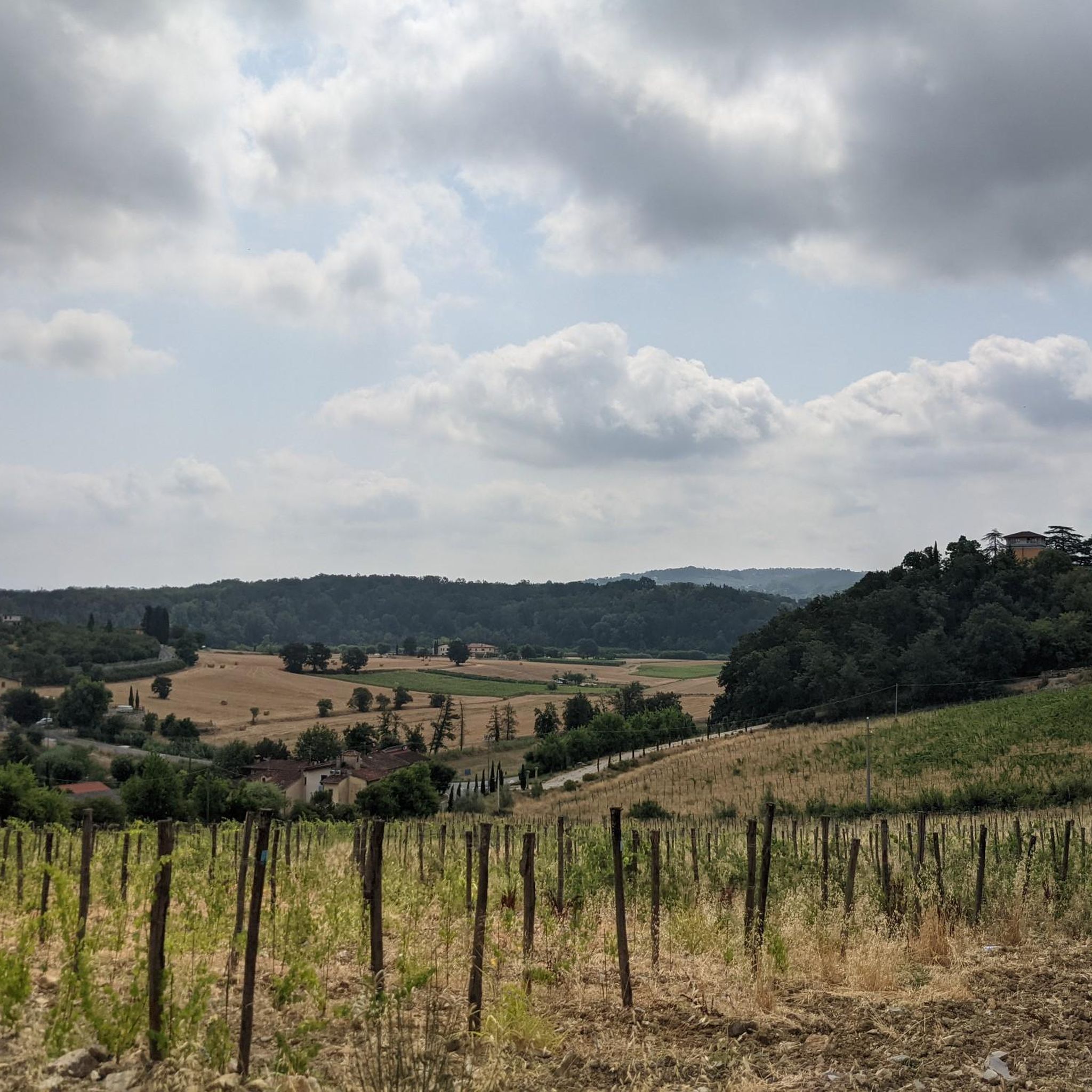
Parco delle Cascine di Tavola는 프라토 시 남쪽에 위치한 약 300헥타르 규모의 보호 자연 지역이자 공공 공원입니다. 15세기에 로렌초 데 메디치의 의지에 따라 탄생했으며, 도시의 주요 녹지 공간을 대표하며 역사적, 경관적, 농업적 가치가 매우 높습니다. Storia e Origini Medicee 15세기에 인근의 Villa Medicea di Poggio a Caiano와 함께 구상되었습니다. 늪지대 배수를 위한 빽빽한 수로망을 갖춘 모델 농장으로 설립되었습니다. La Fattoria Medicea: 1477년에서 1479년 사이에 Giuliano da Sangallo가 가축 사육과 피렌체로 보낼 치즈 생산을 위해 지은, 물 도랑이 있는 정사각형 평면의 건물입니다.
0
0


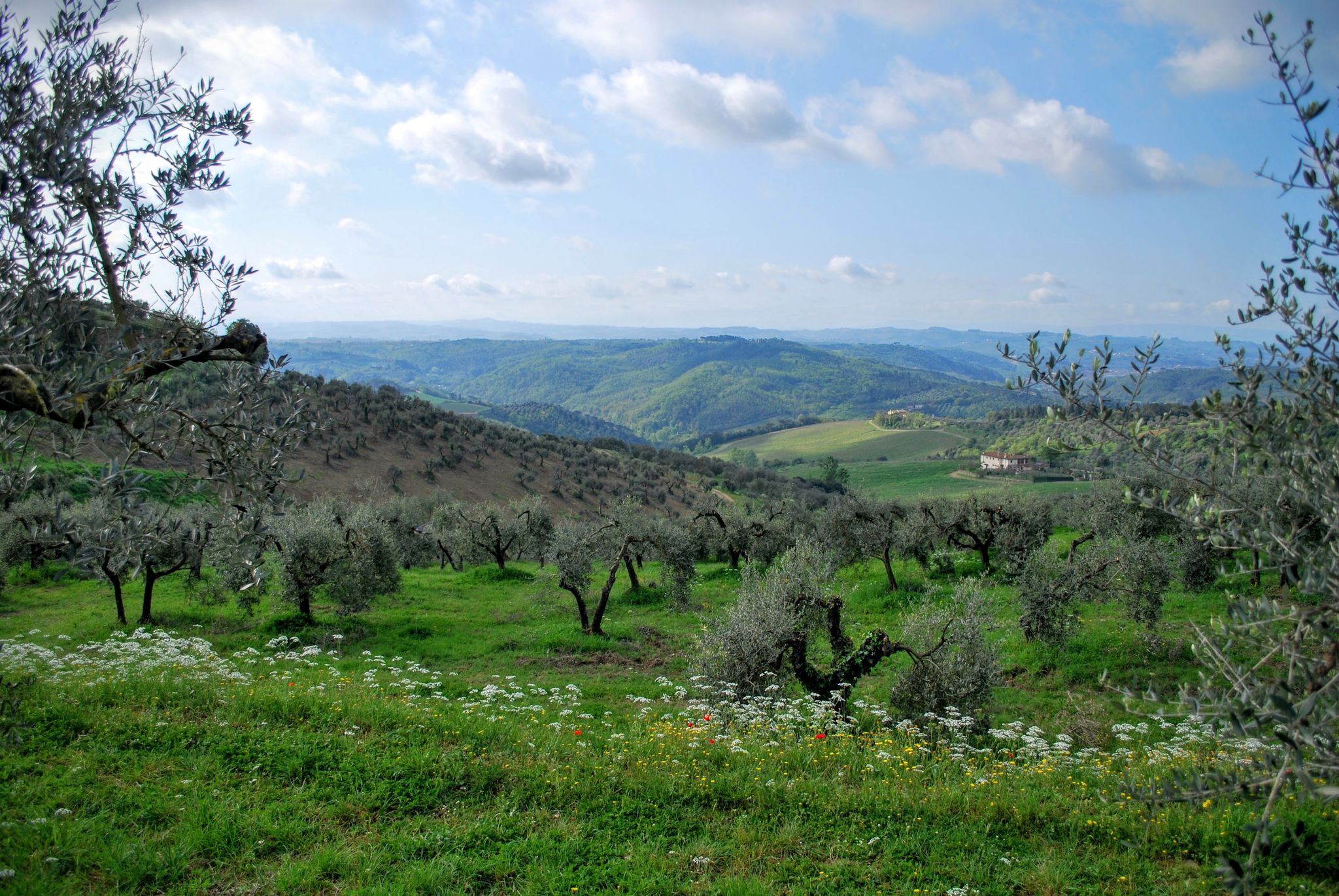
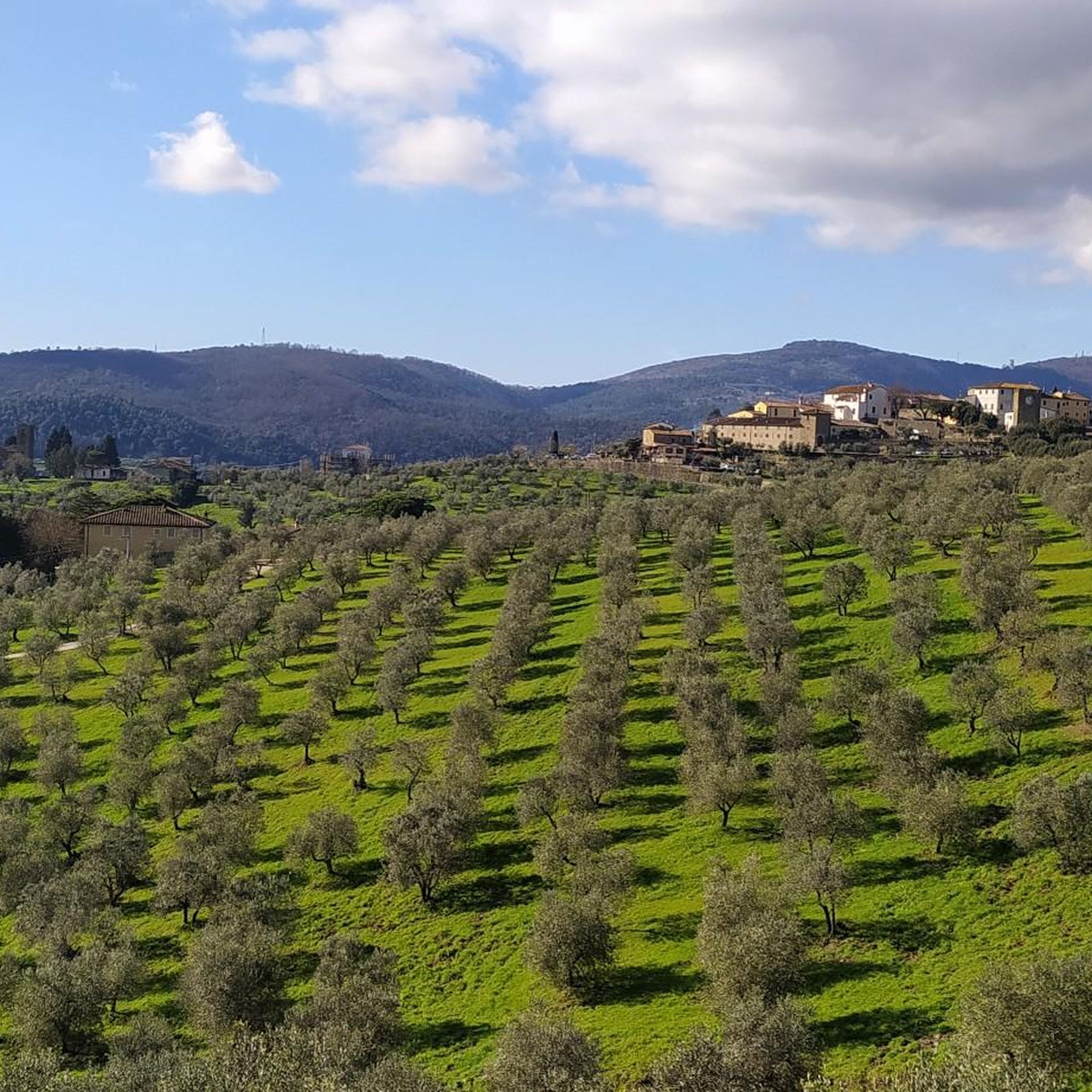
The holm oak of Faltognano is a monumental tree that is over a century old and is located near the church of Santa Maria Assunta in Faltognano, in the municipality of Vinci in the province of Florence. It is a specimen of holm oak (Quercus ilex) that has a trunk circumference of 4.60 m, is 11 m tall and dates back to before 1750 according to the inventory of monumental trees of Tuscany (progressive n°47). Over time it has undergone numerous prunings and interventions that have partially reduced its size and grandeur and altered its shape, which was once more dome-shaped. The plant has suffered from fungal attacks in recent decades and requires periodic care; at the moment various safety systems have been installed such as ropes, supports and a railing around the trunk to prevent branches from falling and limit access. In 2007 it received the Touring Club Award, an award announced by the TCI consuls of Tuscany for monumental trees. It is the symbol of the community of Faltognano and is located a short distance from the birthplace of Leonardo Da Vinci and the center of the city of Vinci; a center that can be seen inside the wonderful panoramic view that can be enjoyed from the foot of the tree.
1
0

Devil's Boulder. It is a particular monolith located on the edge of a plateau surrounded by centenary holm oaks, similar - with smaller dimensions - to the so-called Etruscan Pyramid of Bomarzo. On the boulder there are writings that probably date back to a couple of centuries ago and indecipherable signs but what is most striking are the deep grooves perhaps due to uses and rituals that are lost in the mists of time. It is called "The Devil's Boulder" and is surrounded by centuries-old holm oaks in the Pietramarina woods, one of the most mysterious environments of Montalbano. The boulder is located near an area occupied by an Etruscan settlement, perhaps a sacrificial altar renamed "of the devil" by Christians to exorcise its pagan affiliation or, as a legend has it, "of the devil" because the devil left the the imprint of his hoof. However, the “Masso di Pietramarina” makes this corner of Montalbano suggestive and mysterious. It was also in a strategic position, given that from the top it is possible to see the sea.
0
0


The Parco delle Cascine di Tavola is a beautiful park that extends over about 300 hectares, just a few minutes from the city center, taking its name from the neighborhood of the same name in which it is located. In the fifteenth century, the farmhouses were created on the initiative of Lorenzo di Piero de' Medici, better known as the Magnificent. At the time, the livestock breeding and the production of cheeses originating in this locality satisfied the demand of all of Florence. Today, the park offers several opportunities to enjoy the spaces: walking, running, on one of the many benches or relaxing on the grass. It is not uncommon to spot wild animals. The park, usually quiet, offers panoramas and colors that strike the eyes and cheer up the spirit.
1
0
Discovered the door to hell told by Malaparte: it is a cave in Galceti Where did Dante go from to go to hell? But from Prato of course! Curzio Malaparte was sure of it and in some little-known stories he wrote it clearly: the gate of Hades is located in the city that gave him birth and precisely in Galceti. The exact location of the cave – narrated in texts such as The adventures of a captain of misfortune (1927), Imaginary Tuscany (1936), Games in front of Hell (1937), The golden sun of Etruscan Hell (1956), as well as a Maledetti Toscani (1957) – was identified after careful research by the association «Curzio Malaparte Prato in the world», founded and chaired by Walter Bernardi. Here are some passages from the story in which Malaparte describes the cave of hell. «The memory of the people of Prato wants us to go down to Hell along the road to Figline. Dante passed by there, along the Bardena: the wild forest is the pine forest of Galceti». «A few years ago a cartman from Coiano, whom I saw and knew up close, once entered a green marble quarry that had been abandoned for centuries, right under the third hump of Monferrato, near Figline, and came out with his face burnt , half blind and deaf, speechless with fright. His name was Agenor. From his hat, found under a stone at the entrance to a green marble quarry, at the bottom of the Galceti pine forest, it was understood that he had descended to Hell, all dressed up and with his feet in shoes, like Orpheus».
0
0
카르미냐노 주변에서 가장 인기 있는 명소


더 살펴보기
카르미냐노 주변의 최고의 동굴을 찾기 위해 이 가이드를 확인해보세요:
