카우데트 데 라스 푸엔테스 주변 최고의 그래블 라이딩 코스
5.0
(1)
94
자전거 타는 사람
6
라이딩
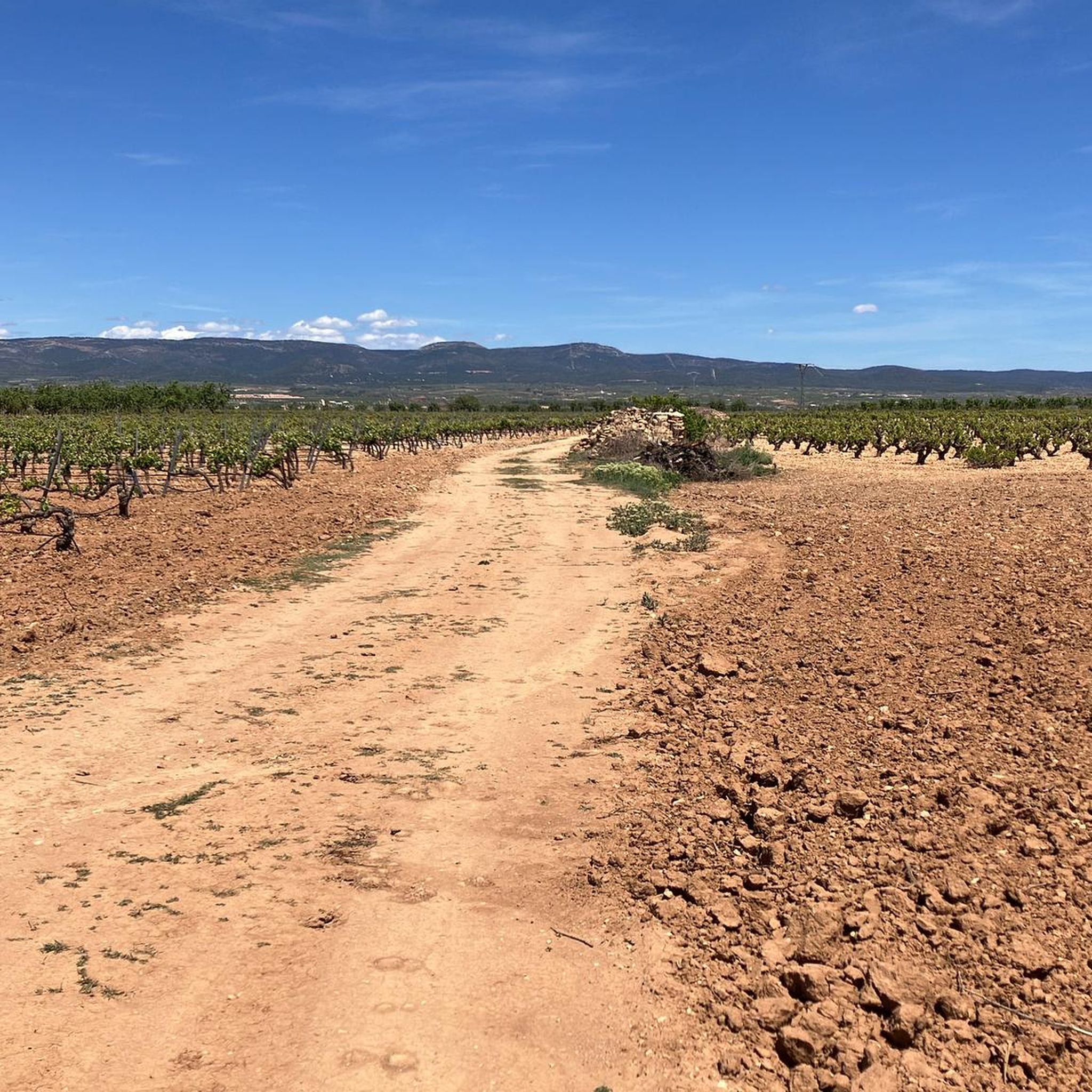
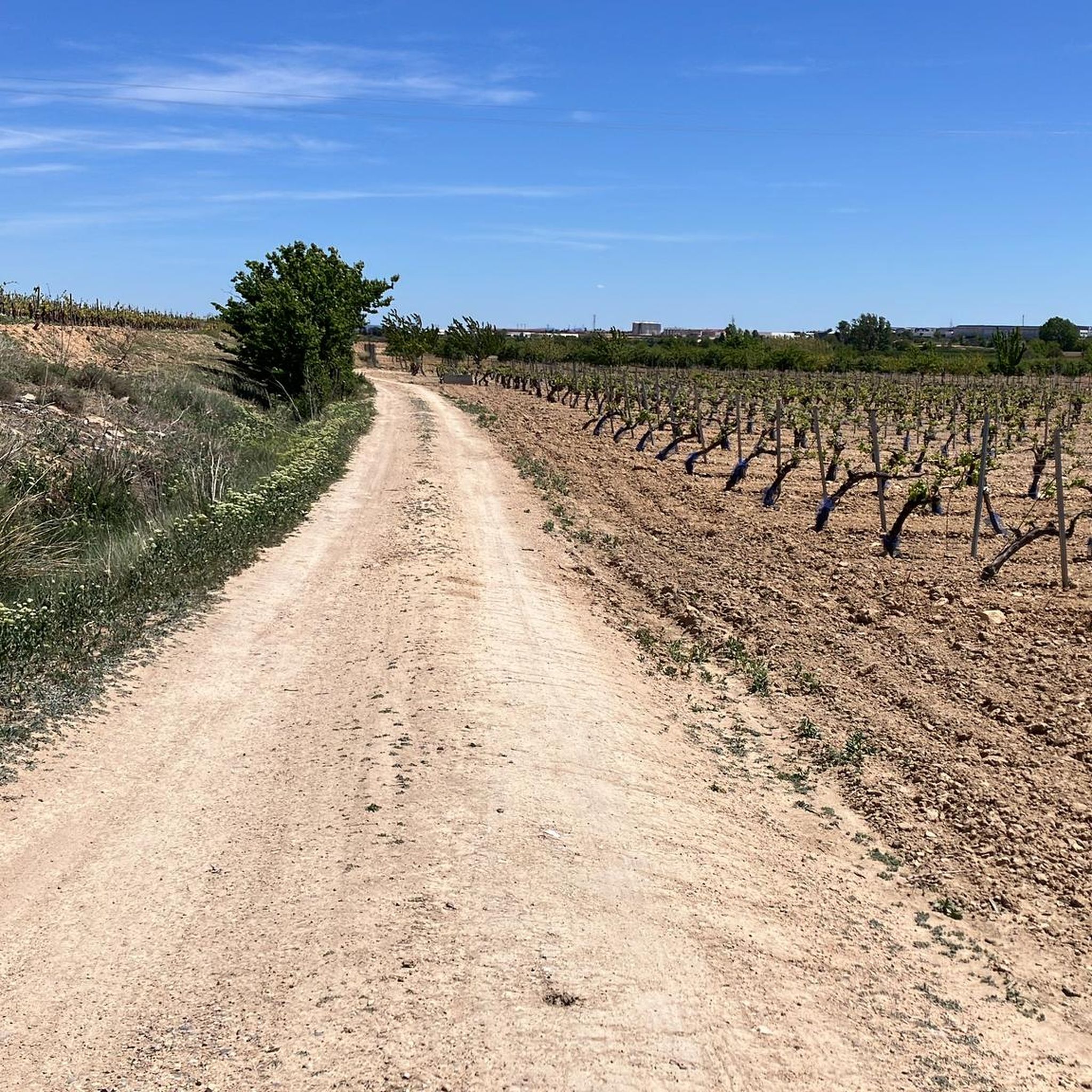
그래블 라이딩은 강 유역, 산맥, 광활한 포도밭으로 특징지어지는 고원 지대의 다양한 풍경을 제공합니다. 이 지역은 카브리엘 강이 만든 장엄한 협곡이 있는 호세스 델 카브리엘 자연 공원으로 연결됩니다. 포도 재배 지역을 통과하고 고대 수원지를 따라 이어지는 비포장 도로는 그래블 사이클리스트에게 다양한 지형을 선사합니다. 이 지역에는 시에라 델 루비알, 시에라 데 라 세하, 시에라 델 네그레테가 포함되어 있어 고도 변화가 있는 코스를 제공합니다.
카우데테 데 라스 푸엔테스 주변 최고의 그래블 자전거 코스
- 가장 인기 있는 그래블 자전거 코스는 리오 마그로 (오르투나스 데…
마지막 업데이트: 8월 28, 2026
5
자전거 타는 사람
57.3km
04:35
730m
730m
어려운 자갈길 타기. 우수한 체력 필요. 대부분 포장된 지면. 실력과 관계없이 누구나 갈 수 있음.
3
자전거 타는 사람
65.3km
04:40
750m
750m
어려운 자갈길 타기. 우수한 체력 필요. 대부분 포장된 지면. 실력과 관계없이 누구나 갈 수 있음.

무료 회원 가입
2
자전거 타는 사람
56.5km
04:09
550m
550m
어려운 자갈길 타기. 우수한 체력 필요. 대부분 포장된 지면. 실력과 관계없이 누구나 갈 수 있음.
1
자전거 타는 사람
42.6km
03:15
480m
480m
어려운 자갈길 타기. 우수한 체력 필요. 대부분 포장된 지면. 실력과 관계없이 누구나 갈 수 있음.
1
자전거 타는 사람
58.8km
04:34
760m
760m
어려운 자갈길 타기. 우수한 체력 필요. 대부분 포장된 지면. 실력과 관계없이 누구나 갈 수 있음.
투어 추천은 다른 사람들이 komoot에서 완료한 수천 개의 활동을 바탕으로 구성되어 있습니다.
오늘 무료 계정으로 시작하세요
다음 모험이 기다리고 있어요.
로그인 또는 가입하기

커뮤니티 팁

Utiel 출구 로터리에서 시작하여 460m를 오르는 11.5km 구간으로, 평균 경사도는 4%입니다. 처음 6km는 150m를 2.5% 경사로 올라가며 워밍업을 합니다 (이 구간은 차량 통행이 더 많습니다). 이후 마지막 5.5km는 마지막 310m를 차지하며, 이 구간은 차량 통행이 더 적지만 평균 5.6%의 경사도를 가지며 진행함에 따라 점점 더 가팔라집니다.
0
0
Utiel 출구 로터리에서 시작하여 11.5km를 올라 460m를 오르면 평균 경사도 4%가 됩니다. 처음 6km는 150m를 2.5% 경사로 올라가며 워밍업을 합니다 (이 구간은 차량 통행이 더 많음). 그리고 마지막 5.5km는 마지막 310m를 차지하며 이 구간은 차량 통행이 더 적지만 평균 5.6%의 경사도를 가지며 진행함에 따라 점점 더 가팔라집니다.
0
0

Be careful...I had a puncture here due to bad road surfaces
0
0

Stage 2. Villargordo del Cabriel/Requena 86 kilometers. 1,090 positive meters. The milestones of the Natural Trail leave the urban complex of Villargordo del Cabriel, cross the passes of the N-III and the A-3 highway, travel through the rural hills of La Erilla and pass through Jaraguas, a village belonging to the municipality of Venta del Moro , with sites of Iberian and Roman settlements. The route goes through the hamlet and on the outskirts it passes through the Rambla de la Albosa, a very pleasant corner with a cozy walkway of giant poplar trees, the communal laundry and a historic fountain. The signal posts pass near the salt flats of Mina Lolita, a spring of saline waters exploited since Roman times. The route connects with the Camino Real from Castilla to Valencia and follows the same path as the previous day to the flood-prone Magro river boulevard and its disturbing river jungle. The stage could end in half a day in Requena, about 40 kilometers from Villargordo del Cabriel, but it is worth ignoring this option and continuing through the Magro river valley towards El Rebollar and Siete Aguas, in the section we call “Turia sector”. After Requena, the Magro River canyon is spectacular, a forest gallery of poplars, poplars, ash, willows and walnut trees between stone walls that keep the riverbed isolated from agricultural fields, dedicated mainly to the cultivation of vineyards, olive and almond trees. The path passes through the curious hermitage of San Blas, in the neighborhood of Las Ollerías, built in the 18th century in the premises of an old agricultural farm on the bank of the Magro River. In the ravine lane there are also marks of the Camino de Santiago of the Wool Route, used for centuries by walkers, pilgrims and merchants between the Mediterranean coast and the city of Burgos. The posts of the Natural Trail leave the gorge of the Magro River and go up the Fuente Cuca plain to the Requena Aerodrome. At the entrance to the airport, the Herrada del Gallego road leaves on the right, an outstanding forest area in the environmental surroundings of Requena.
2
0
In Alto de los Aliagares you have to leave the Natural Path and turn left along a paved track to start the cycle tourism variant of the Hoces del Cabriel Natural Park. The rural road passes through the village of Los Pedriches and continues to Venta del Moro, a popular Cabriel municipality on the Camino de la Vera Cruz, one of the great pilgrimage itineraries between Roncesvalles, on the Camino Francés, and Caravaca de la Cruz, in Murcia, following the Templar markers used by the custodians of the “lignum crucis” (the splinter of the cross of Christ) during the transfer to the Murcian sanctuary a thousand years ago. At the Venta del Moro exit there are route signs in several directions and the optimal one for gravel is the lane marked with the PR-CV 345 milestones, direct towards Casas del Rey and Casas de Moya. The landscape is a new environmental transition, a suggestive change from the agricultural plateau of vineyards and agricultural fields to the mountain garrigue setting of the Mediterranean mountain ranges. The colors of the earth, the rock formations and the pine forests announce the entrance to the great canyon of the Hoces del Cabriel, declared a protected natural area in 2005 and a Biosphere Reserve in 2019. In Casas de Moya there is an asphalt slope to the top of the Cerro de las Tres Cruces and then the “bajadadón”. The road begins a dizzying descent trying to discover the abyss of the Cabriel River in the labyrinth of the landscape. The feeling of happiness is absolute, at the end the river is sure to appear and the bicycle speeds down the slopes of the Rubial mountain range. At a crossroads there are signs for a direct route to the Vadocañas bridge, where the connection with the Natural Trail is. For the moment the route continues to the left towards Los Cárceles. On the way you have to cross the El Tochar estate, one of the most famous hunting reserves in Spain. The descent ends on the shore of the Cabriel. The river navigates peacefully, forested and solitary in a grandiose canyon surrounded by mountains and mountain ranges. The road crosses the Cabriel River in the village of Los Cárceles and enters the province of Albacete, a lost paradise near the ruins of the Villamalea bridge, one of the remains of the old Baeza-Utiel train line. The railway was designed at the beginning of the 20th century to connect Andalusia with Catalonia, with the commercial purpose of facilitating the exchange of Andalusian products such as oil, cereals, livestock or saffron, with Catalan items such as fruit, vegetables and machinery. The start of the Civil War, in 1936, paralyzed the works and the railway was never inaugurated, breaking all dreams of opportunities and future.
1
0

Venta del Moro is a charming town, located very close to the crystal clear waters of the Cabriel River. It is a strategic place, if you are thinking of starting a good walk or bicycle route.
2
1
Jaraguas is a municipality in the interior of Valencia. Its picturesque streets preserve the charm of a rural town. If you pass by, I invite you to discover the authenticity and calm that characterizes it.
1
0

Stage 2. Villargordo del Cabriel/Requena 86 kilometers. 1,090 positive meters. The milestones of the Natural Trail leave the urban complex of Villargordo del Cabriel, cross the passes of the N-III and the A-3 highway, travel through the rural hills of La Erilla and pass through Jaraguas, a village belonging to the municipality of Venta del Moro , with sites of Iberian and Roman settlements. The route goes through the hamlet and on the outskirts it passes through the Rambla de la Albosa, a very pleasant corner with a cozy walkway of giant poplar trees, the communal laundry and a historic fountain. The signal posts pass near the salt flats of Mina Lolita, a spring of saline waters exploited since Roman times. The route connects with the Camino Real from Castilla to Valencia and follows the same path as the previous day to the flood-prone Magro river boulevard and its disturbing river jungle. The stage could end in half a day in Requena, about 40 kilometers from Villargordo del Cabriel, but it is worth ignoring this option and continuing through the Magro river valley towards El Rebollar and Siete Aguas, in the section we call “Turia sector”. After Requena, the Magro River canyon is spectacular, a forest gallery of poplars, poplars, ash, willows and walnut trees between stone walls that keep the riverbed isolated from agricultural fields, dedicated mainly to the cultivation of vineyards, olive and almond trees. The path passes through the curious hermitage of San Blas, in the neighborhood of Las Ollerías, built in the 18th century in the premises of an old agricultural farm on the bank of the Magro River. In the ravine lane there are also marks of the Camino de Santiago of the Wool Route, used for centuries by walkers, pilgrims and merchants between the Mediterranean coast and the city of Burgos. The posts of the Natural Trail leave the gorge of the Magro River and go up the Fuente Cuca plain to the Requena Aerodrome. At the entrance to the airport, the Herrada del Gallego road leaves on the right, an outstanding forest area in the environmental surroundings of Requena.
0
0
카우데트 데 라스 푸엔테스 주변에서 가장 인기 있는 명소


더 살펴보기
다른 지역의 최고의 그래블 라이딩를 살펴보세요.
