모우라에서 가장 멋진 7개의 동굴
성을 방문하는 건 언제나 특별한 일이에요. 하이킹을 하다가 잠깐 들를 때도, 가이드를 따라 제대로 둘러볼 때도 말이죠. 모우라에 있는 아름다운 성 7
곳을 아래에서 살펴본 후에 마음에 드는 성을 다음 모험 때 만나보세요!
마지막 업데이트: 5월 29, 2026

카스텔루 드 모우라
하이라이트 • 성
번역자 Google •
팁에 의해

이런 장소를 발견하려면 지금 가입하세요
최고의 싱글 트랙, 봉우리 및 다양한 흥미로운 야외 장소에 대한 추천을 받아보세요.
무료 회원 가입
성벽에서 몬사라즈 방향으로 바라본 전망
하이라이트 • 전망대

모랑 성과 알케바 저수지가 보이는 그네
하이라이트 • 전망대
오늘 무료 계정으로 시작하세요
다음 모험이 기다리고 있어요.
로그인 또는 가입하기

커뮤니티 팁

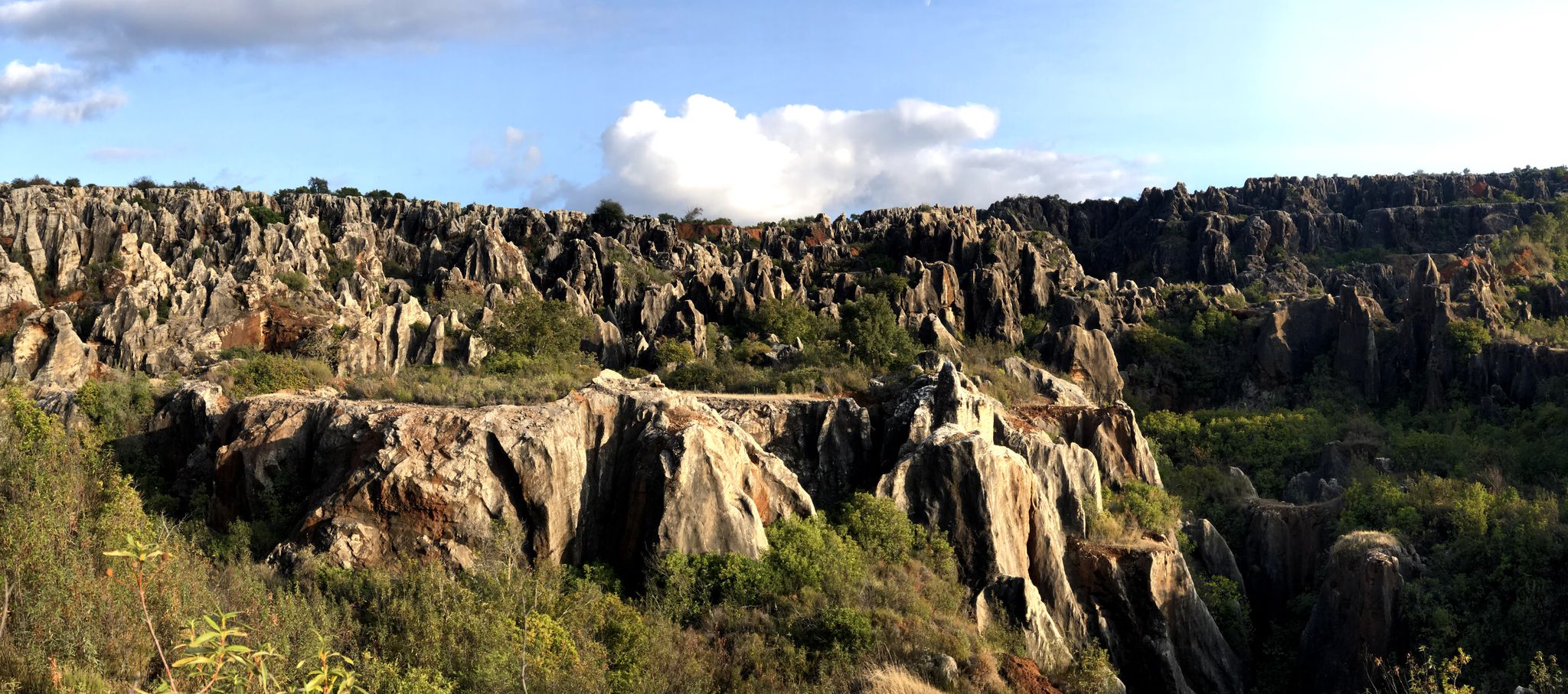
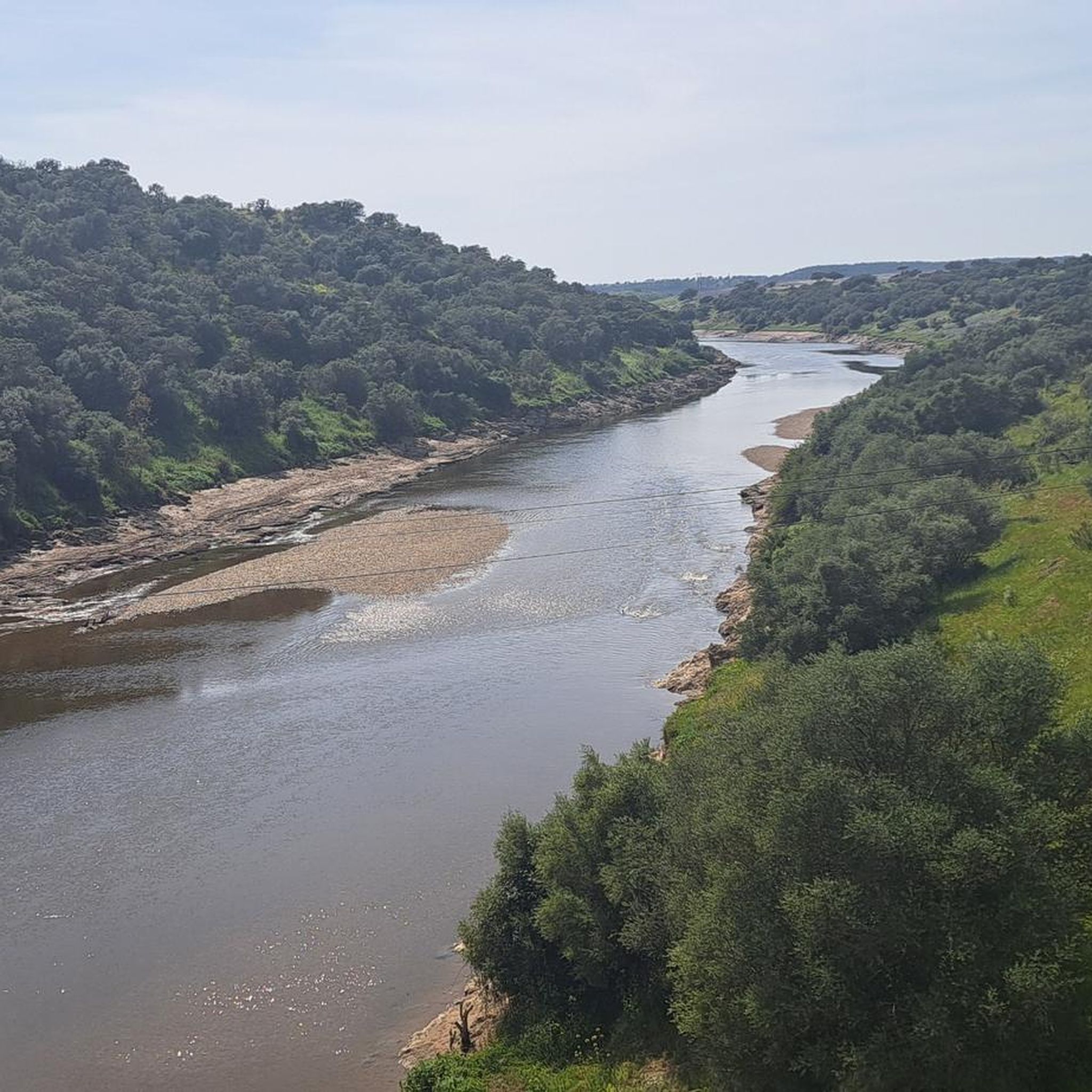
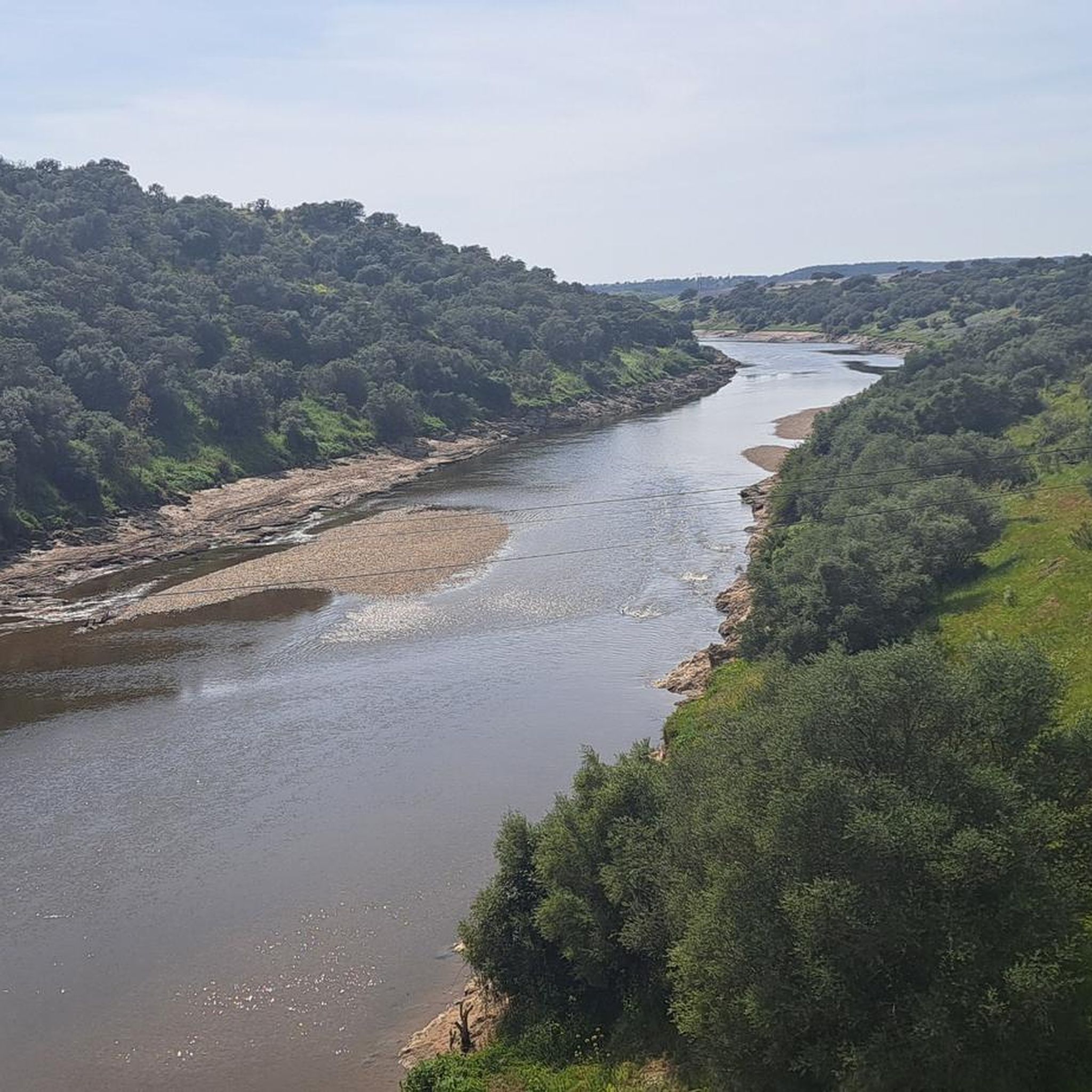
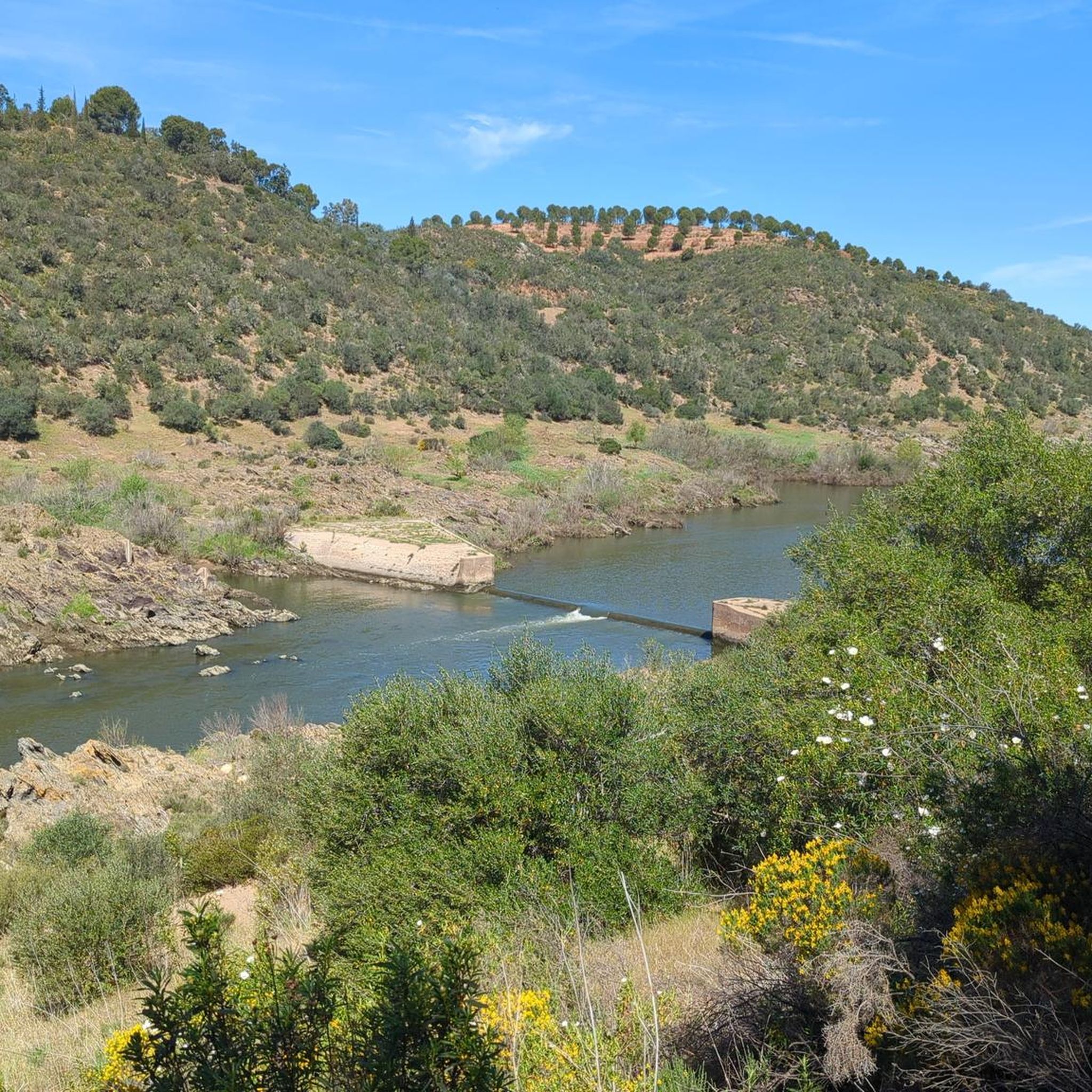
1957년부터 공익 재산으로 지정된 무랑 성은 알렌테주 지역에서 가장 상징적인 요새 중 하나로, 해발 208미터 높이에 알케바 저수지에 대한 특권적인 전망을 자랑합니다.👍🥾
2
0

Located on the left bank of the Guadiana River, it stands in a dominant position above the old medieval town. From its walls, you can see the surrounding plain with Monsaraz Castle to the north and the border with Spain to the east. It is classified as a Property of Public Interest by public decree. (Wikipedia)
13
0

The castle is free to enter and has parking just outside the main gate. It's a bit out of the way but you can see it on the hilltop for quite a distance and it is in very pretty countryside. The outer walls are intact and that's pretty much all there is. There are almost no buildings inside and you can't climb on the walls. There is no information other than a plaque by the church built into the walls. Good views though as you walk around.
8
0
Rising above Moura's old town on a limestone plateaux are the ruins of a once grand castle. The medieval Castelo de Moura was built by King Dom Dinis in the 13th century on the site of an earlier Moorish citadel. There is evidence that the site is even older than this suggesting there was originally an Iron Age hill fort here. The medieval castle was a mixture of old and new including the remains of the Moorish castle and a new watchtower, the remains of which can be seen today. One of the original Moorish towers remained; the Salúquia tower, named after princess Salúquia, the daughter of the Muslim governor Abu Hassan. It is said that when the christians reconquered the town she threw herself from the top of this tower. Over subsequent years the castle was further expanded and fortified. During the 16th century the convent of Nossa Senhora da Assunção was incorporated into the castle grounds, being built on the site of the earlier Moorish mosque. It is said that the convent was home to the tombs of Pedro and Álvaro Rodrigues who were responsible for the reconquest of Moura from the Moors. The castle was almost destroyed during the Spanish War of Succession under the command of the Duke of Osuna in 1707. Further damage was caused by the 1755 earthquake leaving the Moura Castle in ruins. Today the castle is home to landscaped gardens, a military museum and an archaeological museum. It is also a great viewpoint for the town and surrounding countryside including the nearby Alqueva dam.
10
0
The castle is made up of a medieval wall, built in a curious combination of schist, marble and granite stones, reinforced by six quadrangular towers. The gates are flanked by turrets, some with pointed arches in the Gothic style. Among the towers, the Gothic-style keep stands out, with a door opening onto the parade ground. Inside the enclosure, there are the remains of the Guard House and the old Town Hall. The 17th century renovations included bastions at the four corners of the wall and ravelins in front of the curtain walls.
10
0
Moura Castle dates back to the 13th century, during the Christian rule achieved in 1232 during the reign of King Dinis. During the medieval period, the town suffered several invasions, which ended up destroying the castle with its Muslim walls. It was during the Order of Aviz that a third of the income from the churches of Moura and Serpa was donated to rebuild the castle. A line of watchtowers was built covering the border, of which the Atalia da Cabeça Magra remains. During the reign of King Fernando, in the 14th century, the second walled enclosure began to enclose more of the surrounding area. Between 1805 and 1826, the old rammed earth walls of the castle were used as raw material for the production of saltpeter. The western section of the citadel wall was demolished to make way for the Vista Alegre wine press, an order given by José Pimenta Calça. The castle stands 184 metres above sea level and is built in the form of a citadel measuring 200 x 100 metres. The rectangular floor plan is in the Manueline style and features the tomb of Pedro and Álvaro Rodrigues, the conquerors of Moura from the Muslims in 1166 and protagonists of the Legend of the Town of Moura. In the late 1950s, the government began to intervene, which lasted for around 20 years. Archaeological surveys began in 1981 and restoration work began between 1982 and 1986. In 2002, the castle underwent further interventions, which included landscaping improvements. The Keep is in the Gothic style and is solid in the lower part. It has an octagonal room covered by a ribbed vault with pointed arches, supported by eight columns with slender shafts. During the 19th century, one of the towers was converted into a Clock Tower. Castle Opening Hours: Every day | 09:00 to 17:30 Clock Tower Opening Hours: Every day | 09:00 to 12:30 and 14:00 to 17:30
10
0


Excellent views over the large Alqueva Lake from the Castle. It is not very well maintained but is beautiful and worth a visit.
3
0
모우라 주변에서 가장 인기 있는 경로
모우라 주변에서 가장 인기 있는 명소


더 살펴보기
다른 곳에서 최고의 성을 찾고 계신가요? 다른 가이드를 발견해보세요 모우라 주변:
