주이엔케르케에서 가장 멋진 20개의 호수
주이엔케르케에서 가장 멋진 호수를 방문하고 싶나요? 호숫가의 고요한 분위기를 느끼거나 날씨가 따뜻한 날 호수에 발을 살짝 담글 수 있다면 얼마나 좋을까요? Komoot 커뮤니티가 추천한 주이엔케르케의 주요 호수를 아래에서 살펴보고, 다음 모험 때 직접 찾아가보세요!
마지막 업데이트: 10월 17, 2026
Poertoren(화약탑), 브뤼헤
하이라이트 • 기념물
번역자 Google •
팁에 의해

스푸이콤 오스텐데-브레데네
하이라이트 • 호수
번역자 Google •
팁에 의해

이런 장소를 발견하려면 지금 가입하세요
최고의 싱글 트랙, 봉우리 및 다양한 흥미로운 야외 장소에 대한 추천을 받아보세요.
위트케르크세 폴더 자연 보호구역
하이라이트 • 자연
번역자 Google •
팁에 의해

미네바터의 드 라 파예 성
하이라이트 • 성
번역자 Google •
팁에 의해

즈반후크 자연 보호구역
하이라이트 • 자연
The Zwaanhoek is bordered in the north by the Ghent-Oostende railway, in the east and southeast by the Nieuwpoort-Plassendale canal and in the southwest and west …
번역자 Google •
팁에 의해
무료로 가입하여 주이엔케르케 주변의 더 많은 호수를 발견하세요.
이미 komoot 계정이 있나요?
오늘 무료 계정으로 시작하세요
다음 모험이 기다리고 있어요.
커뮤니티 팁

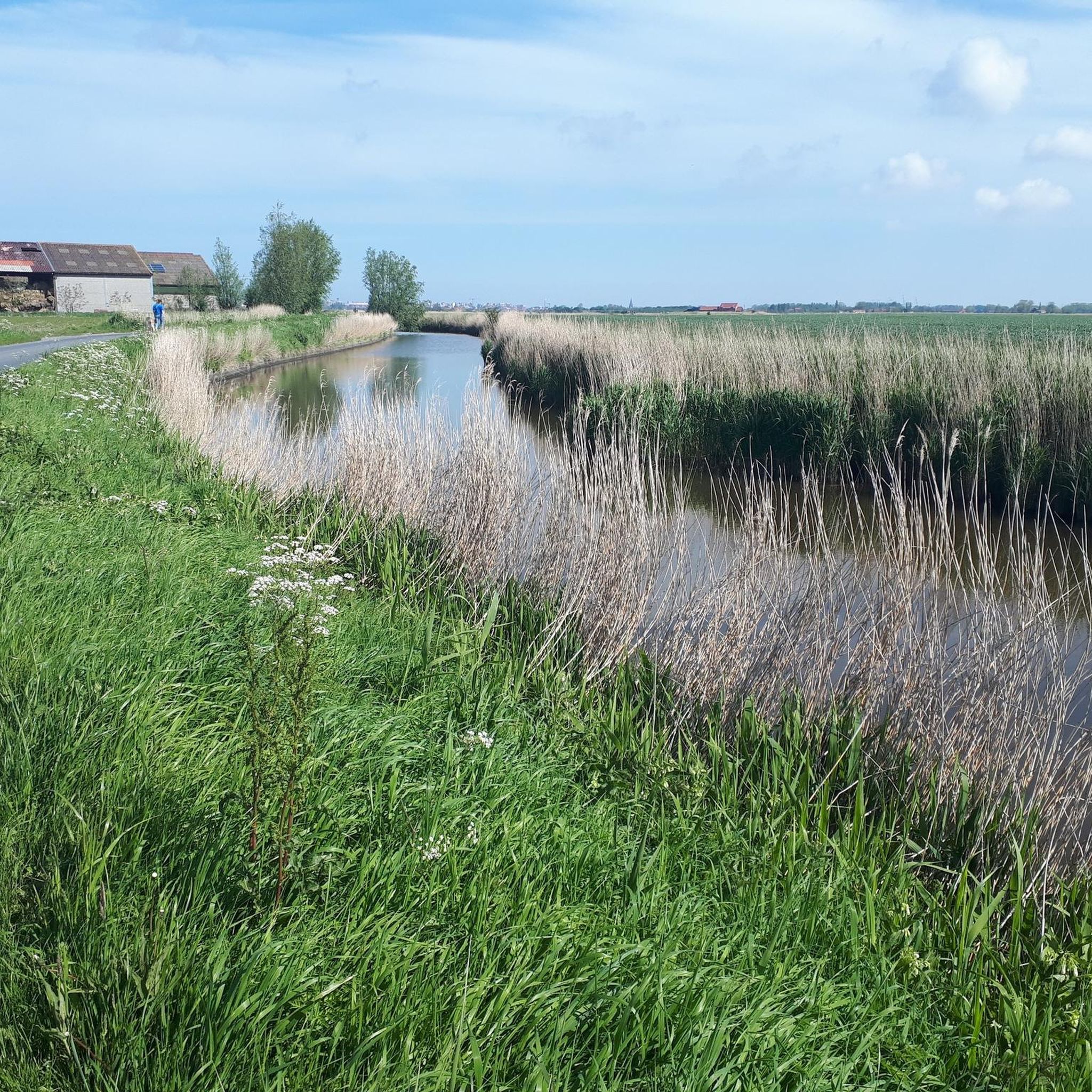
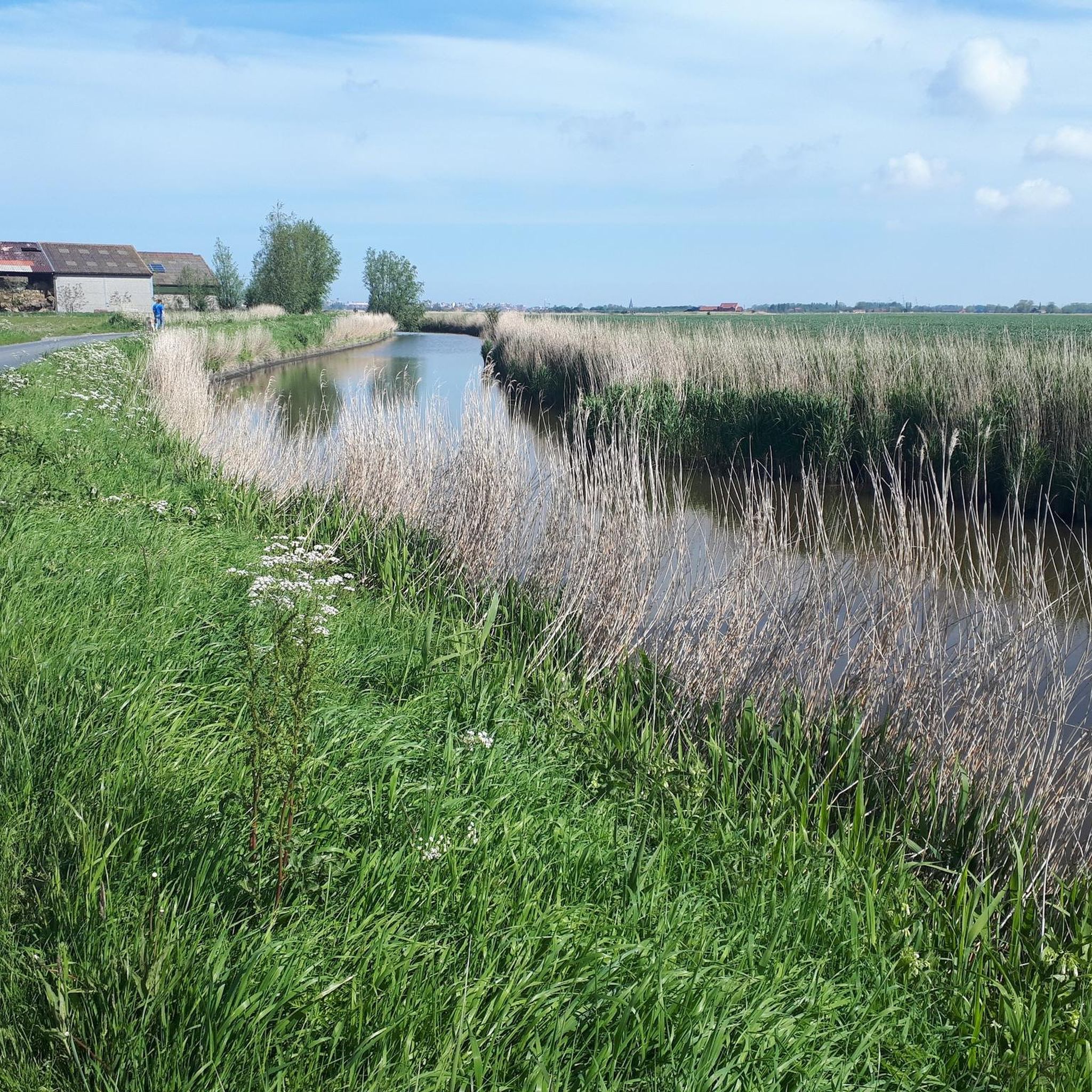
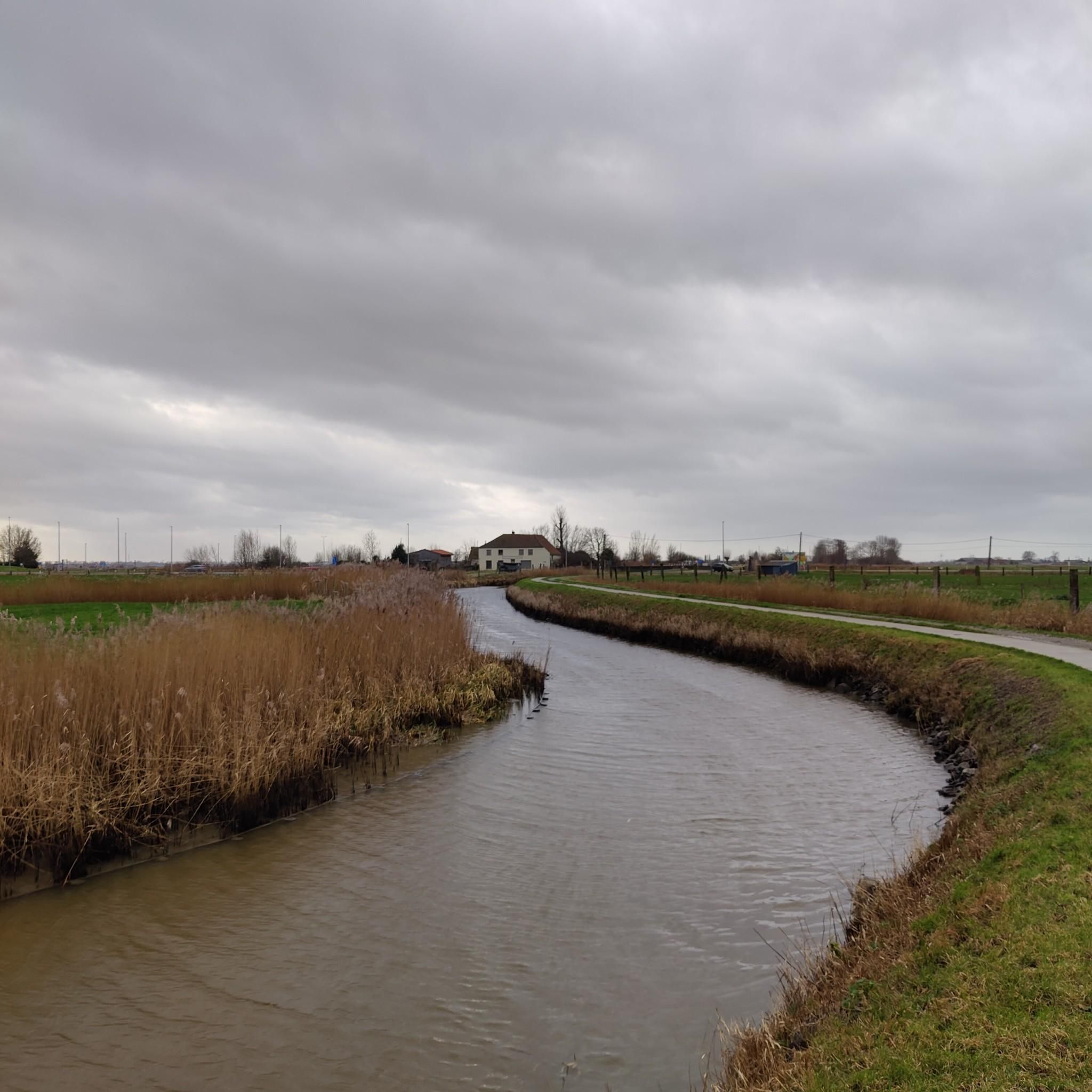
Uitkerkse Polder: 해안의 새 공항 쌍안경을 준비하셨나요? 이곳에서는 반드시 속도를 줄이세요! Uitkerkse Polder는 플랑드르에서 가장 중요한 초새시류 보호 구역이며 철새들을 위한 번잡한 '국제공항' 역할을 합니다. 봄에는 이곳이 흑꼬리도요새와 넓적부리도요새와 같은 초새시류의 큰 번식지이며, 겨울에는 최대 10만 마리의 거위와 오리가 월동을 위해 이곳에 내려앉습니다. 이곳에서는 차량 통행이 적은 간척지 도로를 따라 평화로운 오아시스에서 자전거를 타실 수 있습니다. 독특한 맹금류나 맹금류를 발견하기 위해 자전거 도로 옆 무료 관측소 중 한 곳에 꼭 들르세요!
4
0

로드 바이크로 와트(w)를 내기 좋은 아주 즐거운 투어입니다. 안전하게 즐길 수 있습니다.
0
0
Are you on holiday at the coast and do you want to enjoy nature in addition to the beach? Then head to the Uitkerkse Polder for a family walk or a bike ride. This European Natura 2000 nature reserve of 1400 ha can be found between Blankenberge, Wenduine, Nieuwmunster and Zuienkerke, in the province of West Flanders. In the meantime, Natuurpunt already manages 650 ha of meadow bird reserve here. It is the most important meadow bird area in Flanders. Enjoy this attraction for many rare birds in both summer and winter! Read on and find out how to book a guide, what children can do here and who our partners are. More information at https://www.natuurpunt.be/natuurgebieden/uitkerkse-polder
5
0

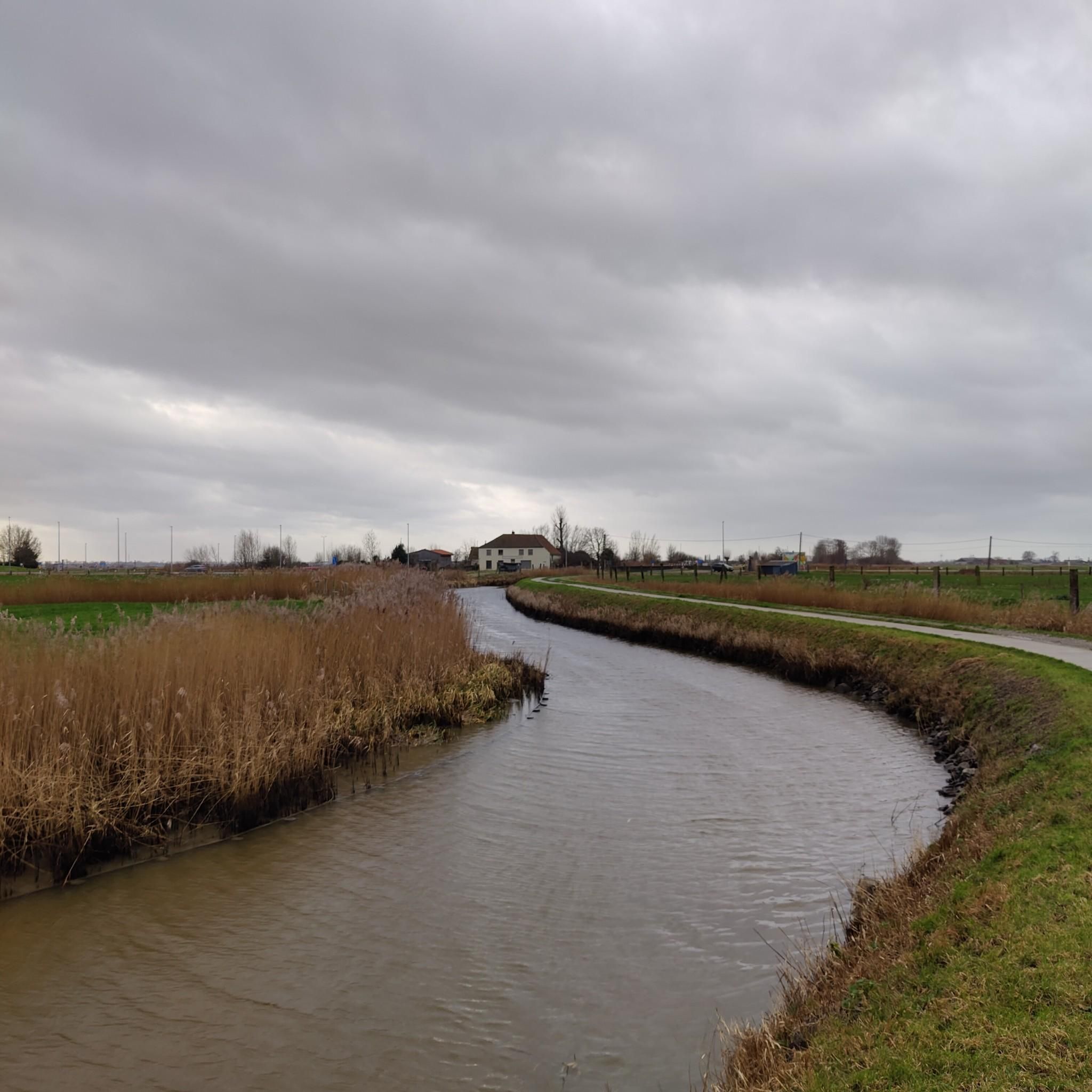
Beautiful cycle path along the canal.
3
0

In the hinterland of Blankenberge you will find a picturesque network of narrow, quiet roads that meander through the flat Flemish landscape. As you cycle, you will see vast meadows, characteristic farms and the iconic, low horizons that make this region so typical.
0
0

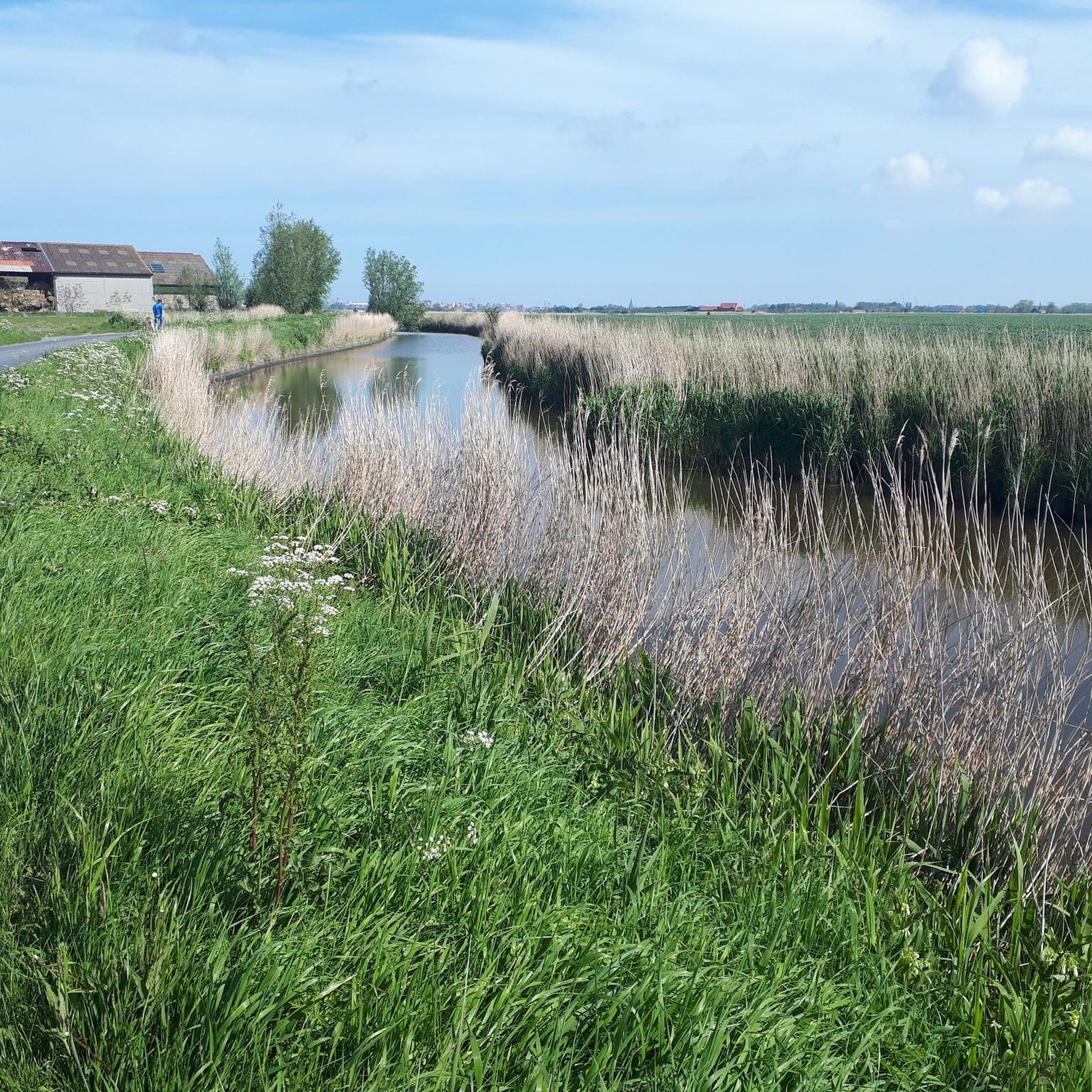
From the lookout tower 'Het Rietnest' you have a beautiful view of the flat polders and the Zwaanhoek nature reserve. Furthermore, the area is only accessible during a guided walk (can be requested via Natuurpunt). The intention is not to disturb the breeding, roosting and wintering birds.
3
0
The Spuikom in Ostend/Bredene forms the southern border of the Vuurtorenwijk.
0
0
There are 2 zones that are used as oyster breeding parks.
0
0
주이엔케르케 주변에서 가장 인기 있는 명소


더 살펴보기
주이엔케르케 주변에서 완벽한 호수를 아직 못 찾으셨나요? 이 지역의 가이드를 확인하여 더 아름다운 장소를 찾아보세요.
