우스트캄프에서 가장 멋진 20개의 호수
우스트캄프에서 가장 멋진 호수를 방문하고 싶나요? 호숫가의 고요한 분위기를 느끼거나 날씨가 따뜻한 날 호수에 발을 살짝 담글 수 있다면 얼마나 좋을까요? Komoot 커뮤니티가 추천한 우스트캄프의 주요 호수를 아래에서 살펴보고, 다음 모험 때 직접 찾아가보세요!
마지막 업데이트: 10월 3, 2026
Poertoren(화약탑), 브뤼헤
하이라이트 • 기념물
번역자 Google •
팁에 의해

헤이데벨트-보르네베크, 그로테 풀 위의 데크길
하이라이트 • 트레일
번역자 Google •
팁에 의해

이런 장소를 발견하려면 지금 가입하세요
최고의 싱글 트랙, 봉우리 및 다양한 흥미로운 야외 장소에 대한 추천을 받아보세요.
미네바터의 드 라 파예 성
하이라이트 • 성
번역자 Google •
팁에 의해

오늘 무료 계정으로 시작하세요
다음 모험이 기다리고 있어요.
커뮤니티 팁

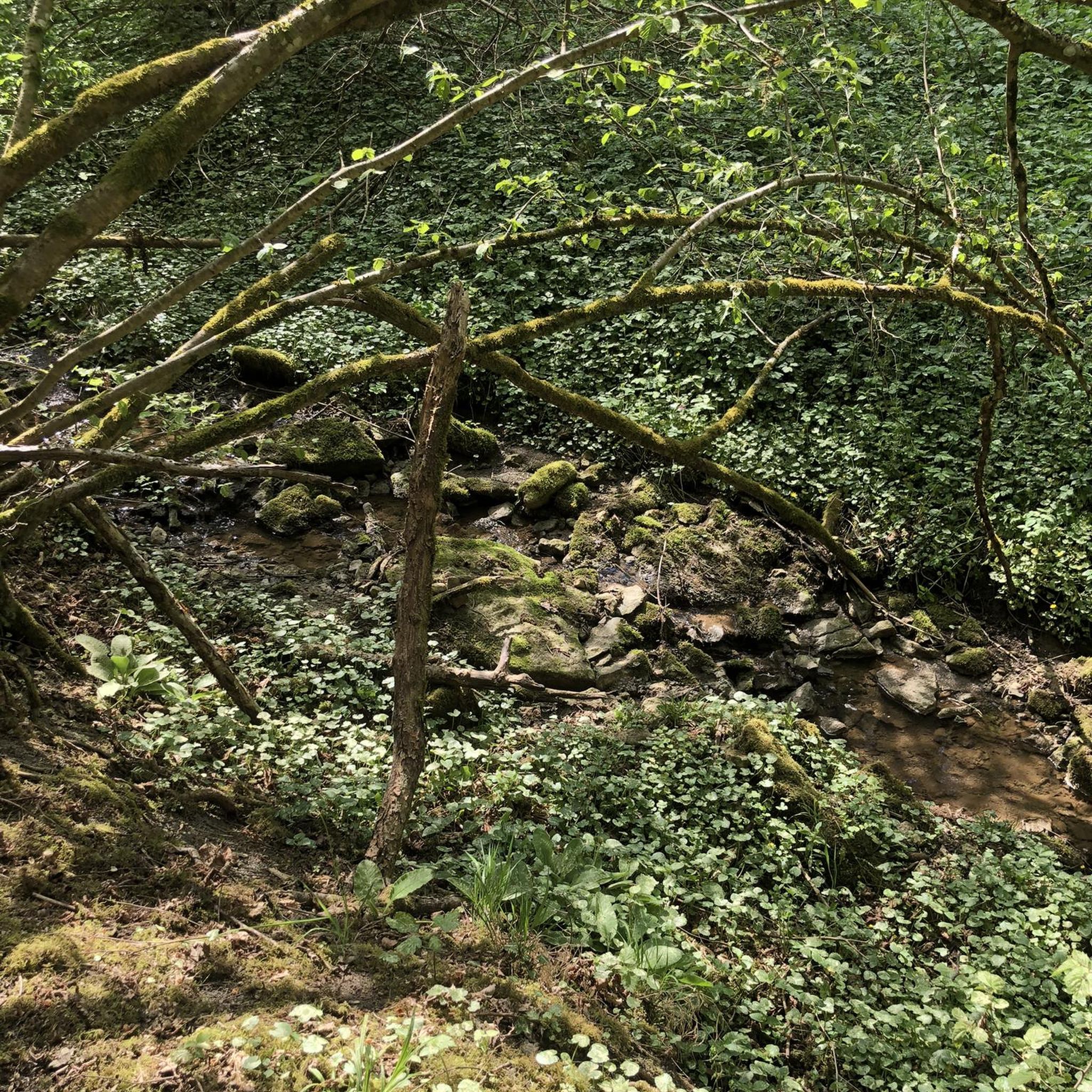
매우 아름다운 하이킹이지만, 지속적인 가뭄으로 인해 하이라이트가 지금은 다르게 보입니다.
0
0

A very large forest with various amenities, including a tea room and restaurant. There's also a herb garden and a farm where you can buy ice cream.
3
0

After the Tillegembos (Bruges) and the Palingbeek (Ypres), the Lippensgoed-Bulskampveld became the third provincial domain of West Flanders. In 1970, 201 ha of forest, agricultural land, park, castle and associated farms were purchased and opened to the public after construction and development. The Lippensgoed-Bulskampveld was the largest public domain in West Flanders for a long time. In the 1980s, the castle garden was transformed into a didactic herb garden and the exhibition of agricultural materials in galleries around the herb garden was established. In 1990, one of the leased farms within the provincial domain became available. In order to increase the recreational opportunities, various afforestations were carried out there and new avenues were created. With an additional acquisition of 17 ha in 1992, the surface area was increased to 218 ha. About 10 years later, in 2003, 6 ha of St-Amandus were rented and integrated into the existing domain via an educational nature trail. Finally, in 2005, about 8 ha of forest were purchased and added to the public domain, bringing the total to 232 ha. (Province of West Flanders)
13
0
A boardwalk over a large pond: fun guaranteed. And a beautiful panorama.
13
1

beautiful boardwalk, recently renovated, and beautiful view
6
1

The Reie (the river after which the canals were later named) and its tributaries probably remained untouched until around the 9th century. Nevertheless, it is suspected that small hydraulic engineering works were already carried out by the Romans in the 1st century. The largest amount of river water flowed into the city center in the south, where the Minnewater is located. This elongated lake probably originated in the 12th or 13th century as a kind of reservoir, due to the construction of the locks at the lock house. The name Minnewater could mean communal water. However, a number of linguists explain minne as a water spirit. The Reie was the most important watercourse in Bruges and its name evolved to refer to all city canals. The Reie is further identified with the current Waardammebeek, river stream and ring stream. The locks of the lock house allowed the Minnewater to be kept at a constant level. Their purpose, however, was mainly to regulate the water supply to the city center. There used to be three mills around the Minnewater: the stadvolmolen (1646), a water mill on the eastern bank (where the castle now stands); the fulling mill, a windmill on the fortress next to the Minnewaterbrug symmetrical with the Poertoren and the Kasteelmolen (presumably 13th century), a watermill at the confluence of the Bakkersreitje and the Katelijnevest. The wide Minnewater was probably used in the Middle Ages to keep the water mills running. From the 1620s, the Minnewater was used as a trading basin. When the Coupure was dug in 1752 to create a smoother connection between the Ghent and Ostend canals through the city, the Minnewater lost this function. Dredging boats that ensured regular transport between Bruges and Ghent had their mooring there until 1782. Immovable Heritage Inventory: Minnewater and surroundings, https://id.erfgoed.net/erfgoedobjecten/301976
9
0
Free-standing tower, built in 1398-1401 by Jan Van Oudenaarde; from the 15th century to the first quarter of the 20th century, gunpowder store, see name; in 1665 it was used as a fuller's mill for several years; cellars already used as ice cellars before 1785. Restored in 1989-1991 according to a design by architect A. Cottyn (Bruges). Immovable Heritage Inventory: Poertoren, https://id.erfgoed.net/erfgoedobjecten/200722
13
0

A beautiful walk to see/hear many birds 🥾🥾🦇🪺🐦⬛🦆🦉
3
2
우스트캄프 주변에서 가장 인기 있는 명소


더 살펴보기
우스트캄프 주변에서 완벽한 호수를 아직 못 찾으셨나요? 이 지역의 가이드를 확인하여 더 아름다운 장소를 찾아보세요.
