폭스파크 융페른하이데에서 가장 멋진 7개의 호수
폭스파크 융페른하이데에서 가장 멋진 호수를 방문하고 싶나요? 호숫가의 고요한 분위기를 느끼거나 날씨가 따뜻한 날 호수에 발을 살짝 담글 수 있다면 얼마나 좋을까요? Komoot 커뮤니티가 추천한 폭스파크 융페른하이데의 주요 호수를 아래에서 살펴보고, 다음 모험 때 직접 찾아가보세요!
마지막 업데이트: 9월 5, 2026
융펀하이데 시민공원 (1926)
하이라이트 • 숲
번역문 보기
팁에 의해


이런 장소를 발견하려면 지금 가입하세요
최고의 싱글 트랙, 봉우리 및 다양한 흥미로운 야외 장소에 대한 추천을 받아보세요.
9번 지점: 수련광장
하이라이트 • 전망대
Let your gaze wander into the distance to the shelter and enjoy the peace and nature around you. This is exactly what landscape architect Erwin Barth envisioned more …
번역자 Google •
팁에 의해

7번 지점: 호숫가 테라스
하이라이트 • 전망대
The many listed benches on the lake terrace invite you to take a short break. From here, you can also enjoy observing the numerous birds …
번역자 Google •
팁에 의해
오늘 무료 계정으로 시작하세요
다음 모험이 기다리고 있어요.

커뮤니티 팁

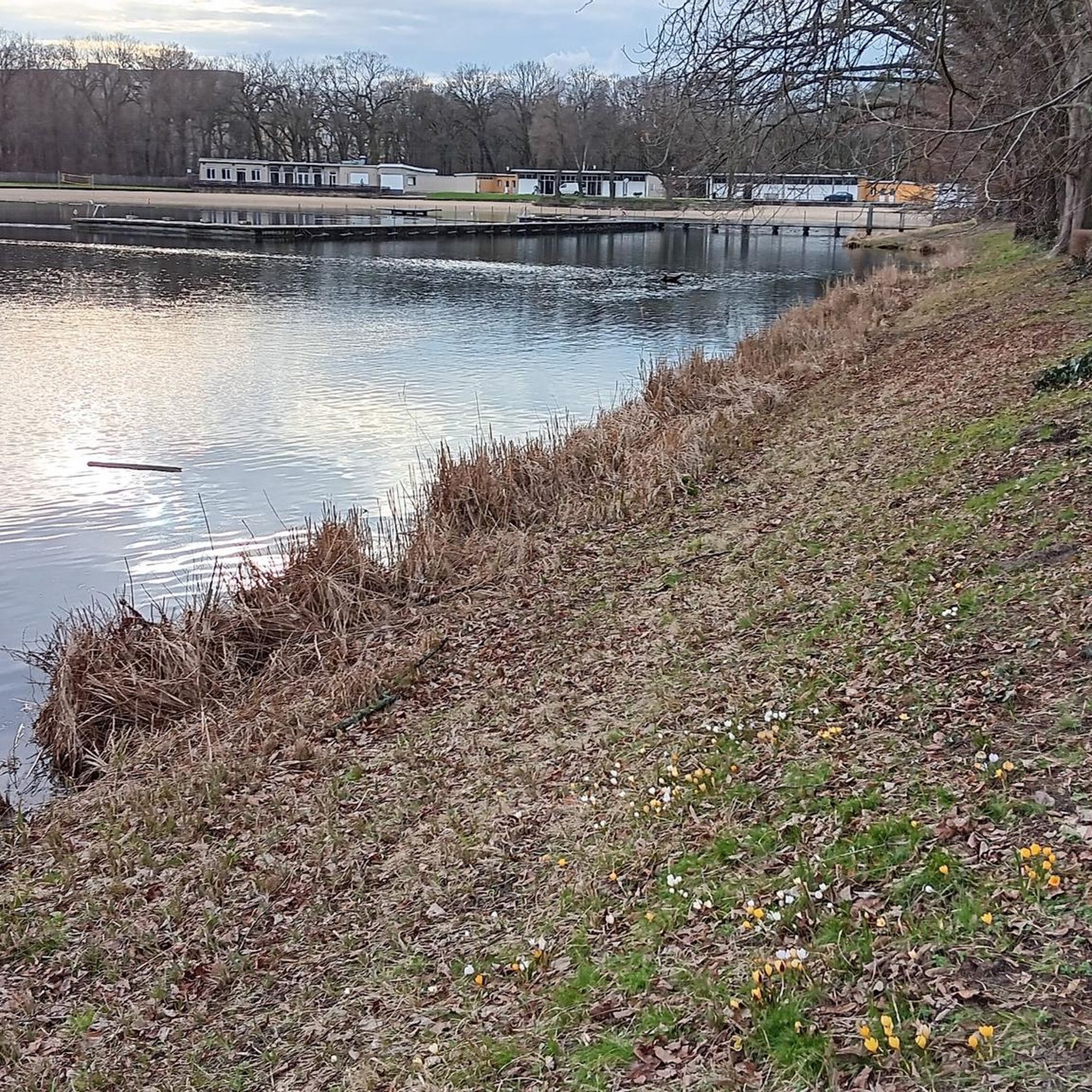
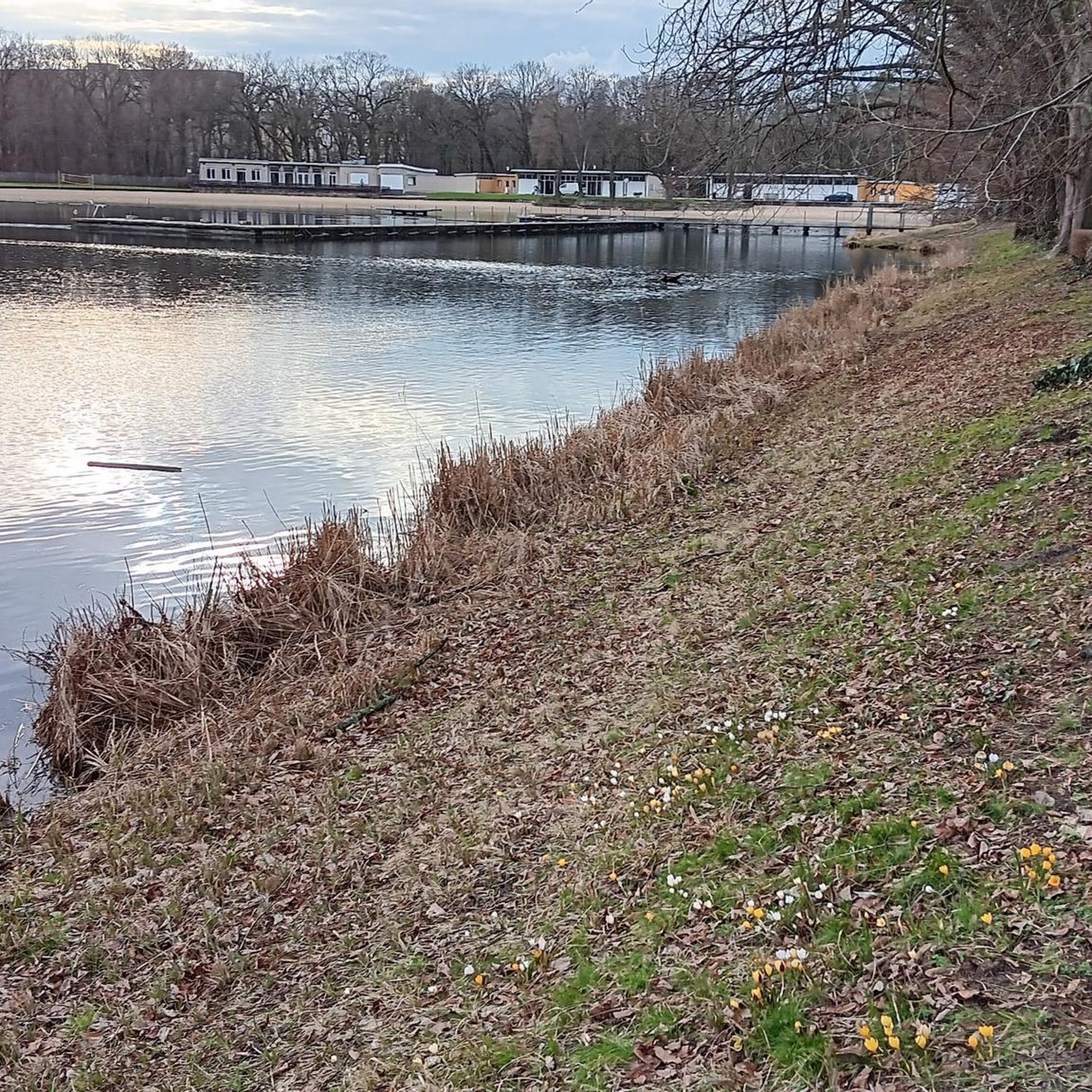
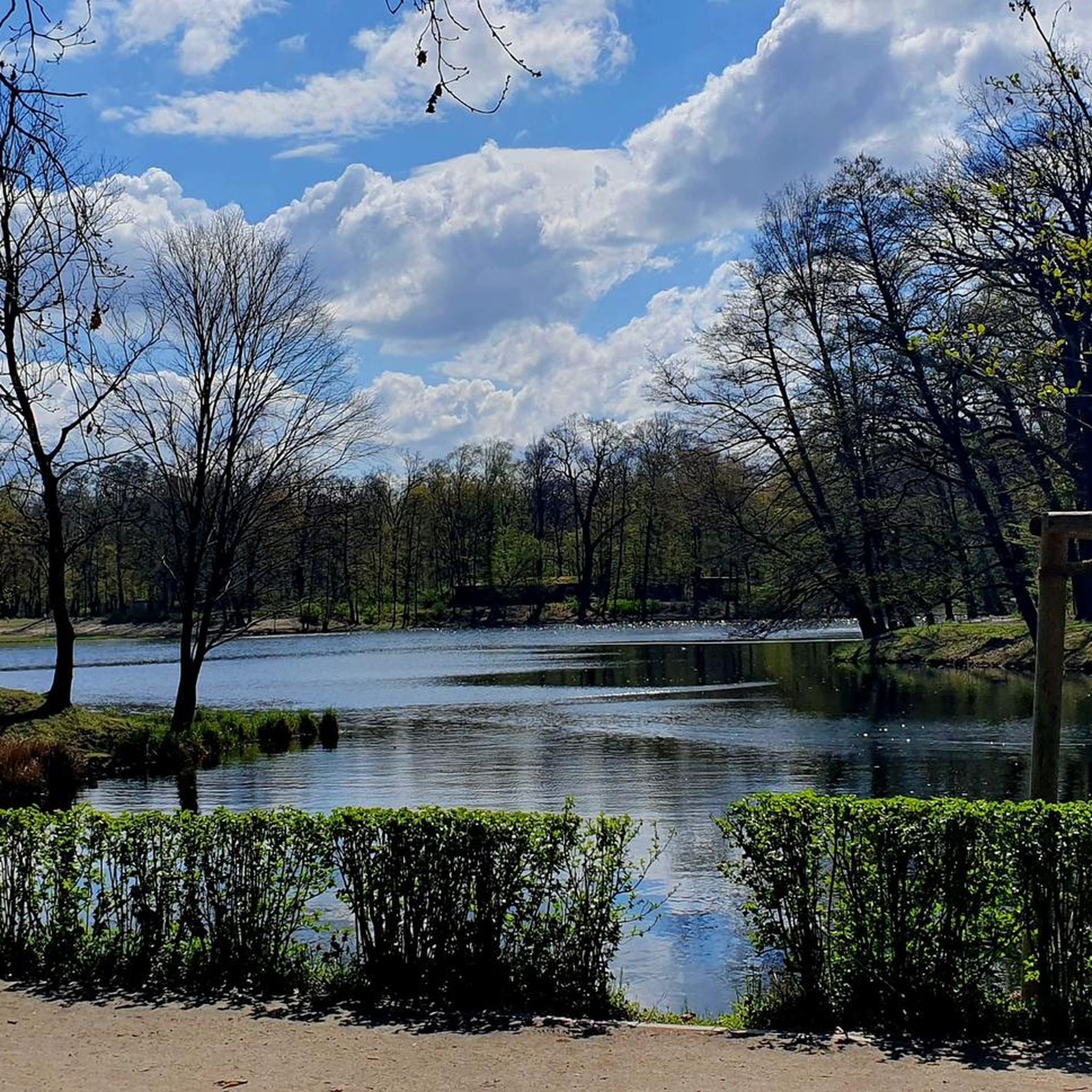
다양한 생물이 서식하는 강변 지역입니다. 이 호수는 산책하는 사람들에게는 물론, 물새들에게도 천국입니다.
0
0

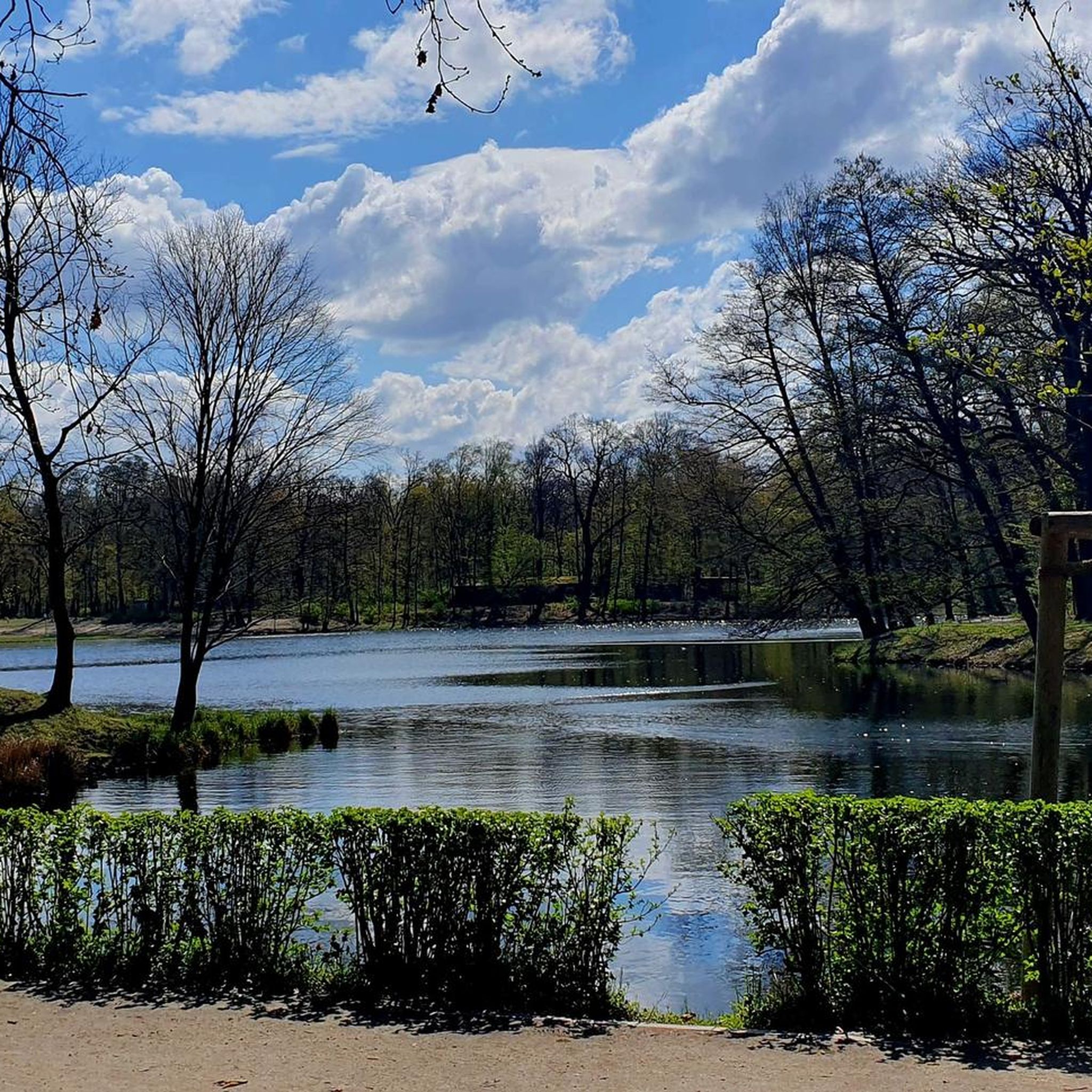
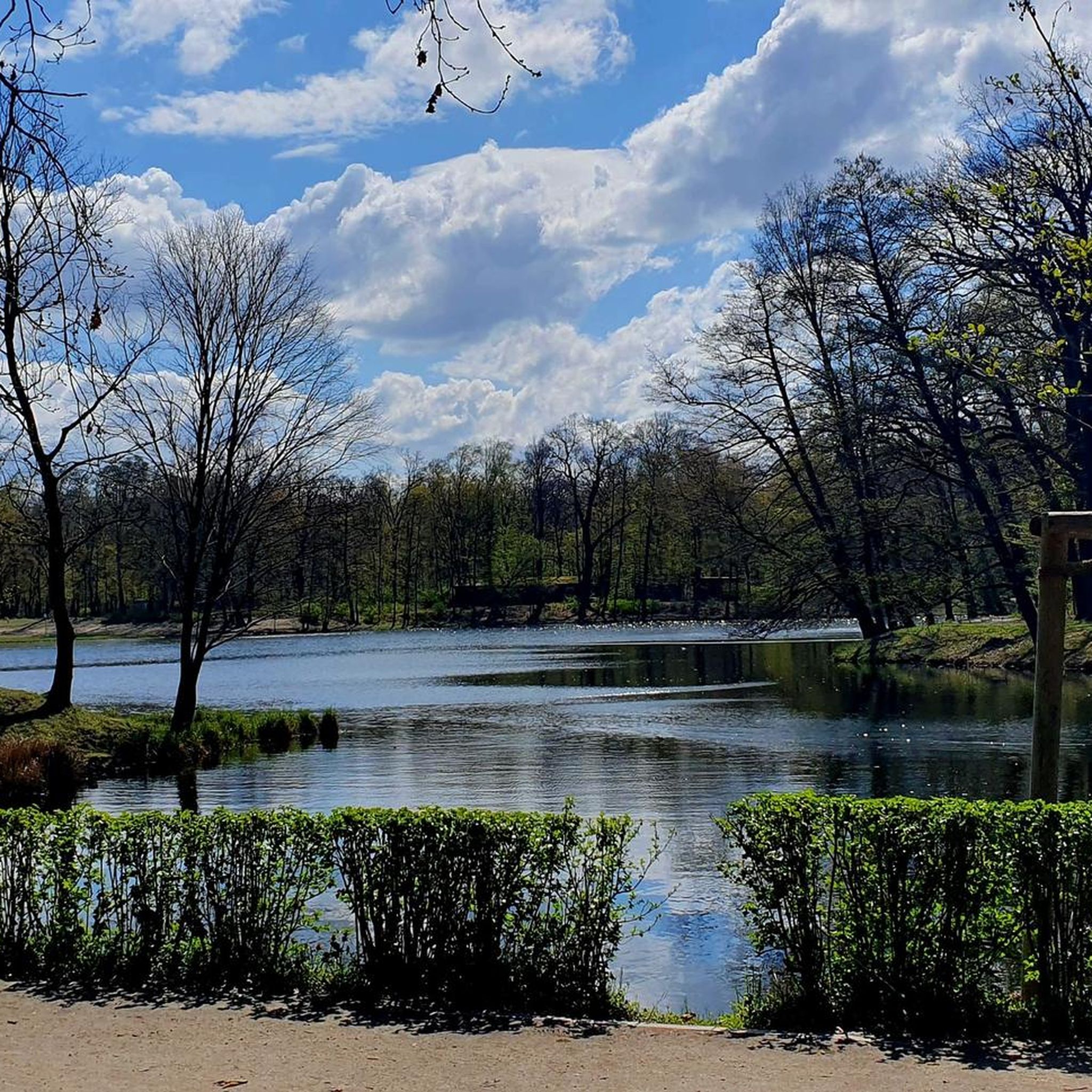
Romantic View Let your gaze wander into the distance to the shelter and enjoy the peace and nature around you. This is exactly what landscape architect Erwin Barth envisioned more than 100 years ago. And because everything has been so wonderfully designed, the entire Jungfernheide Public Park is a garden monument, which is particularly cherished and cared for by the Parks Department. May we introduce: Nymphaea alba Its beauty has always inspired famous painters. The white water lily (Nymphaea alba) is native to Central Europe and can also be found in the Jungfernheide Pond. From May to September, it produces fragrant white flowers that can grow up to 12 cm in size. The yellow stamens release abundant pollen, which attracts flies, reed beetles, and bumblebees. According to legend, water lilies are guarded by mermaids who drag anyone who tries to pick them into the depths. While this is (probably) not true, the lesson of the story is still very relevant: Water lilies are protected and may not be picked! You can find more information about Station 9 on our website: berlin.de/ba-charlottenburg-wilmersdorf/verwaltung/aemter/strassen-und-gruenflaechen/gruenflaechen/erlebnispfade/artikel.1578417.php Copyright: Studio Eden, BACW
0
0
Big Plans When the Jungfernheide Public Park was built, an artificial lake was also created: the Jungfernheide Pond. Countless tons of earth had to be excavated until the hole was finally large enough for the pond. The earth was used to create an island in the middle of the lake. The original idea was to build a library and a restaurant on the island. But these plans were never realized. From today's perspective, it's beautiful because it allows you to enjoy peace and nature undisturbed in this special place. Admirable Tree Population You can reach the island via one of two bridges. From there, you can either follow the main path, which leads from one side of the island to the other, or you can take a small—and worthwhile—detour and take the island trail. The diversity of trees is particularly striking here. In addition to beech, oak, maple, birch, hornbeam, and black locust, you will also find the water-loving elm and alder trees. You can find more information about Station 8 on our website: www.berlin.de/ba-charlottenburg-wilmersdorf/verwaltung/aemter/strassen-und-gruenflaechen/gruenflaechen/erlebnispfade/artikel.1578412.php Copyright: Studio Eden, BACW
0
0
Many birds are already here The many listed benches on the lake terrace invite you to take a short break. From here, you can also enjoy observing the numerous birds that the lake provides a home for: for example, grey herons, mute swans, great crested grebes, cormorants, and many more. Talented Builder After being almost completely extinct in Europe, the beaver has re-established itself in many places – including here in Berlin. Its natural habitat is the transition zone between land and water, where it is active primarily at dusk and at night. Beavers are vegetarians. They prefer the tender twigs and buds in the crowns of young willows and poplars. And because they cannot climb, they simply fell the trees. With their very hard incisors, they can fell trunks with a diameter of over 20 cm. They do this especially in autumn and winter, when the herbaceous plant population slowly dwindles. Beavers don't hibernate, and until new plants sprout again in spring, the twigs and tree bark stored in water provide a tasty winter meal. You can find more information about Station 7 on our website: berlin.de/ba-charlottenburg-wilmersdorf/verwaltung/aemter/strassen-und-gruenflaechen/gruenflaechen/erlebnispfade/artikel.1578397.php Copyright: Studio Eden, BACW
0
0
Romantic View Let your gaze wander into the distance to the shelter and enjoy the peace and nature around you. This is exactly what landscape architect Erwin Barth envisioned more than 100 years ago. And because everything has been so wonderfully designed, the entire Jungfernheide Public Park is a garden monument, which is particularly cherished and cared for by the Parks Department. May we introduce: Nymphaea alba Its beauty has inspired famous painters throughout history. The white water lily (Nymphaea alba) is native to Central Europe and can also be found in the Jungfernheide Pond. From May to September, it produces fragrant white flowers that can grow up to 12 cm in size. The yellow stamens release abundant pollen, which attracts flies, reed beetles, and bumblebees. According to legend, water lilies are guarded by mermaids who drag anyone who tries to pick them into the depths. While this is (probably) not true, the lesson of the story is still very relevant: Water lilies are protected and may not be picked! You can find more information about Station 9 on our website: www.berlin.de/ba-charlottenburg-wilmersdorf/verwaltung/aemter/strassen-und-gruenflaechen/gruenflaechen/erlebnispfade/artikel.1578417.php Copyright: Studio Eden, BACW
0
0
Big Plans When the Jungfernheide Public Park was built, an artificial lake was also created: the Jungfernheide Pond. Countless tons of earth had to be excavated until the hole was finally large enough for the pond. The earth was used to create an island in the middle of the lake. The original idea was to build a library and a restaurant on the island. But these plans were never realized. From today's perspective, it's beautiful because it allows you to enjoy peace and nature undisturbed in this special place. Admirable Tree Population You can reach the island via one of two bridges. From there, you can either follow the main path, which leads from one side of the island to the other, or you can take a small—and worthwhile—detour and take the island trail. The diversity of trees is particularly striking here. In addition to beech, oak, maple, birch, hornbeam, and black locust, you will also find the water-loving elm and alder trees. You can find more information about Station 8 on our website: www.berlin.de/ba-charlottenburg-wilmersdorf/verwaltung/aemter/strassen-und-gruenflaechen/gruenflaechen/erlebnispfade/artikel.1578412.php Copyright: Studio Eden, BACW
0
0
Many birds are already here The many listed benches on the lake terrace invite you to take a short break. From here, you can also enjoy observing the numerous birds that the lake provides a home for: for example, grey herons, mute swans, great crested grebes, cormorants, and many more. A talented builder After being almost completely extinct in Europe, the beaver has re-established itself in many places – including here in Berlin. Its natural habitat is the transition zone between land and water, where it is active primarily at dusk and at night. Beavers are vegetarians. They prefer the tender twigs and buds in the crowns of young willows and poplars. And because they cannot climb, they simply fell the trees. With their very hard incisors, they can fell trunks with a diameter of over 20 cm. They do this especially in autumn and winter, when the herbaceous plant population slowly dwindles. Beavers don't hibernate, and until new plants sprout again in spring, the twigs and tree bark stored in water provide a tasty winter staple. You can find more information about Station 7 on our website: www.berlin.de/ba-charlottenburg-wilmersdorf/verwaltung/aemter/strassen-und-gruenflaechen/gruenflaechen/erlebnispfade/artikel.1578397.php Copyright: Studio Eden, BACW
0
0

Beautiful shady cycle path at the Volkspark Jungfernheide (1926).
0
0
폭스파크 융페른하이데 주변에서 가장 인기 있는 경로
폭스파크 융페른하이데 주변에서 가장 인기 있는 명소


더 살펴보기
폭스파크 융페른하이데 주변에서 완벽한 호수를 아직 못 찾으셨나요? 이 지역의 가이드를 확인하여 더 아름다운 장소를 찾아보세요.
