스톡제에서 가장 멋진 6개의 호수
스톡제에서 가장 멋진 호수를 방문하고 싶나요? 호숫가의 고요한 분위기를 느끼거나 날씨가 따뜻한 날 호수에 발을 살짝 담글 수 있다면 얼마나 좋을까요? Komoot 커뮤니티가 추천한 스톡제의 주요 호수를 아래에서 살펴보고, 다음 모험 때 직접 찾아가보세요!
마지막 업데이트: 9월 5, 2026
Stocksee 호숫가 트레일
하이라이트 (구간) • 트레일
번역자 Google •
팁에 의해

Stocksee 수영장
하이라이트 • 해변
번역자 Google •
팁에 의해

이런 장소를 발견하려면 지금 가입하세요
최고의 싱글 트랙, 봉우리 및 다양한 흥미로운 야외 장소에 대한 추천을 받아보세요.
Stocksee 자연 보호구역
하이라이트 • 호수
번역자 Google •
팁에 의해
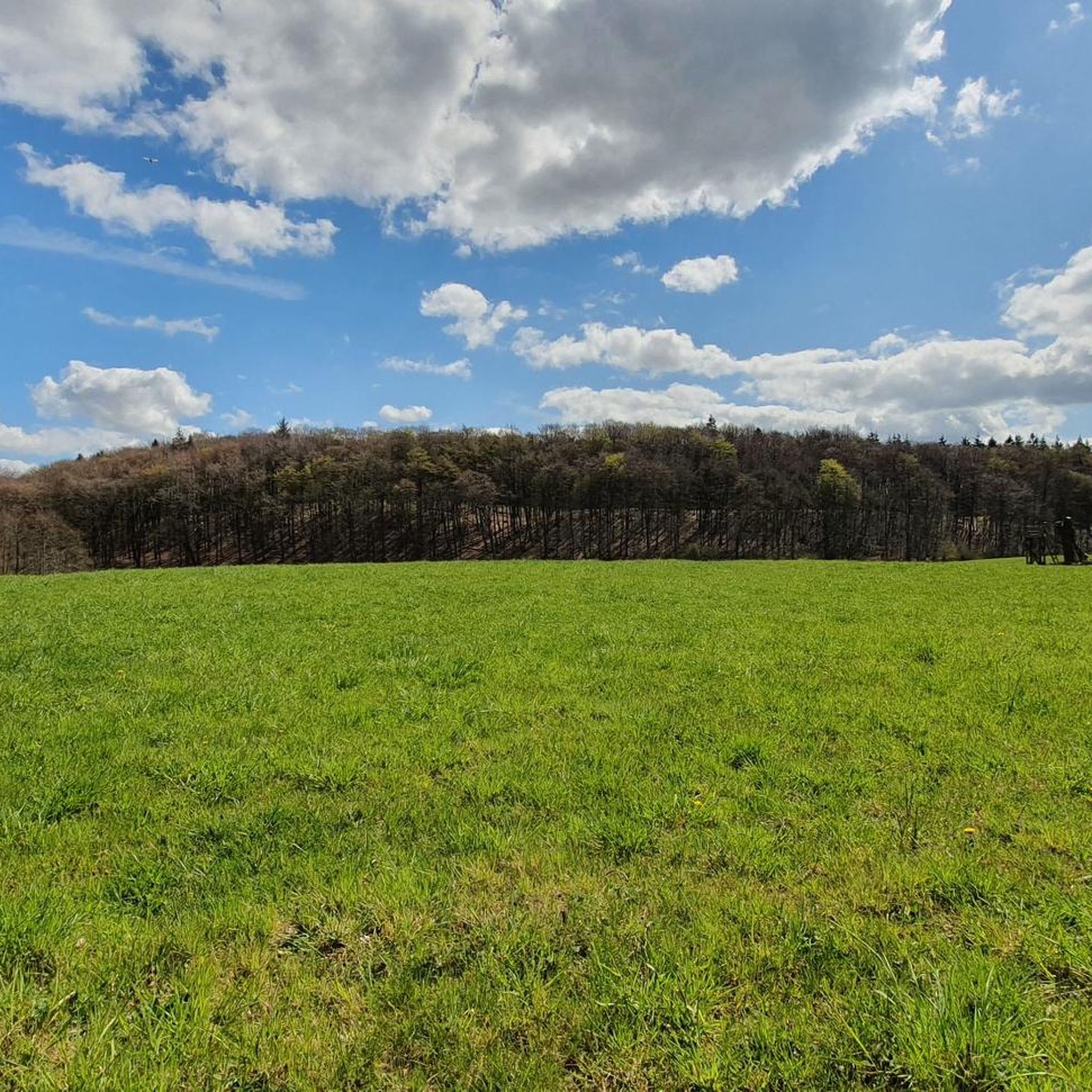
Stocksee와 주변 들판 전망
하이라이트 (구간) • 전망대
번역자 Google •
팁에 의해
Stocksee 전망 벤치
하이라이트 • 전망대
번역자 Google •
팁에 의해
오늘 무료 계정으로 시작하세요
다음 모험이 기다리고 있어요.

커뮤니티 팁

The lake was first mentioned in a document in 1075 in a description of the Limes Saxoniae by Adam of Bremen. The village was first mentioned in 1347, when the knight Nikolaus Splyth pledged his estate, including the village of Stocksee, to Reinfeld Monastery. From 1640 to 1649, Stocksee was owned by the noble Brockdorff family. In 1649, Duke Joachim Ernst (Schleswig-Holstein-Sonderburg-Plön), the first Duke of the Duchy of Schleswig-Holstein-Sonderburg-Plön, acquired Stocksee.[6]
6
0
On October 1, 1937, the municipality of Stocksee was merged with the neighboring village of Damsdorf under the name Stocksee. In 1948, the municipal council decided to separate the municipalities again, and this decision was implemented on March 31, 1951.[8][9] In the 1980s, divers found a roughly 700-year-old dugout canoe in the lake, indicating a longer settlement history in the village.
6
0
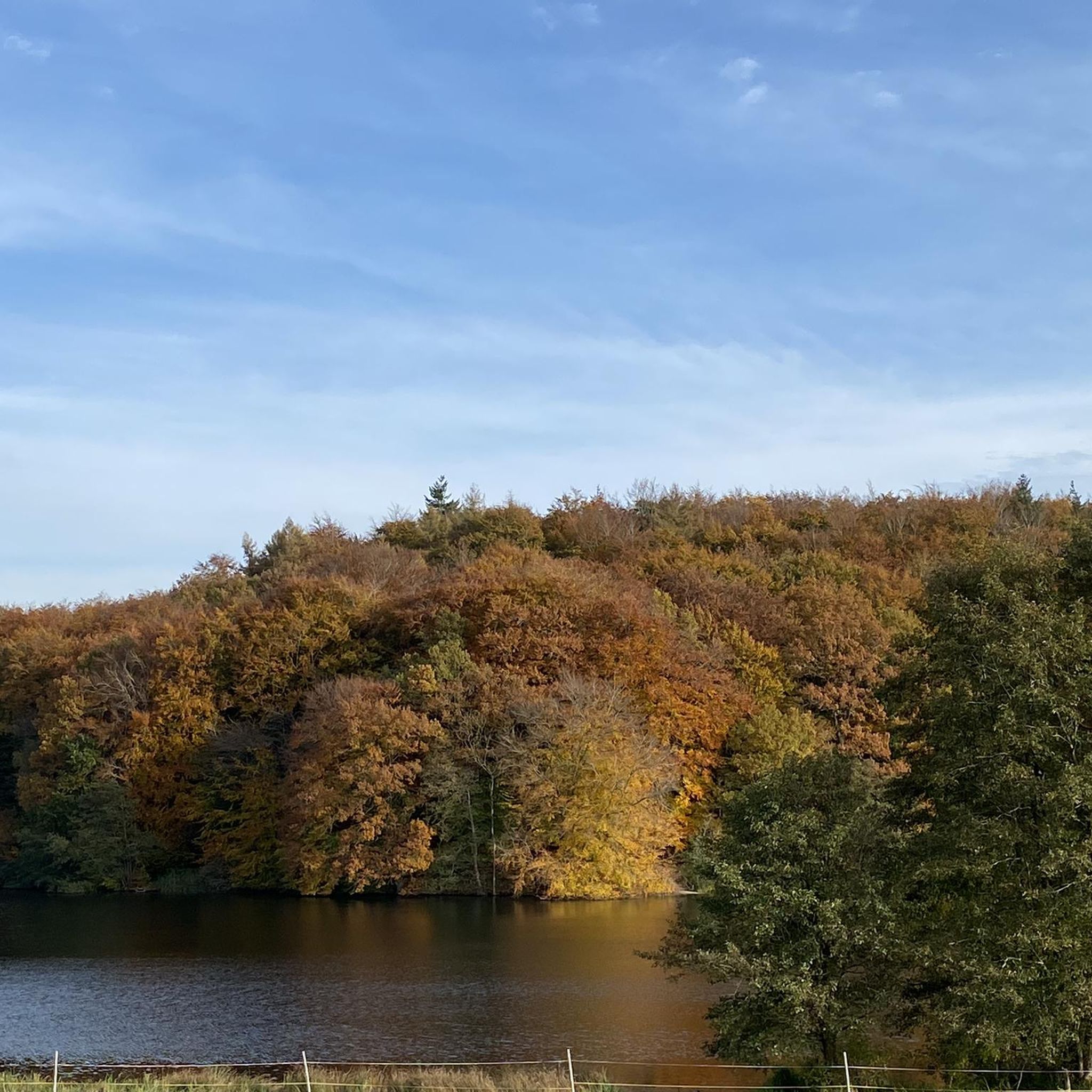
Today's lake fills a deeply incised glacial tongue basin from the Weichselian glaciation. This basin was formed by the advance of various glaciers, which carved out large basins in the soft soil and deposited the material laterally. This formation resulted in the lake's shores being relatively steep, and the reed beds along the shores are relatively narrow. The lake contains three islands (Großrethberg, Kleine Insel, and Lange Insel) and a peninsula, which, like the shoreline, are predominantly covered in alder swamp forests. In higher elevations, these wetland forests transition into extensively managed beech forests.
7
0
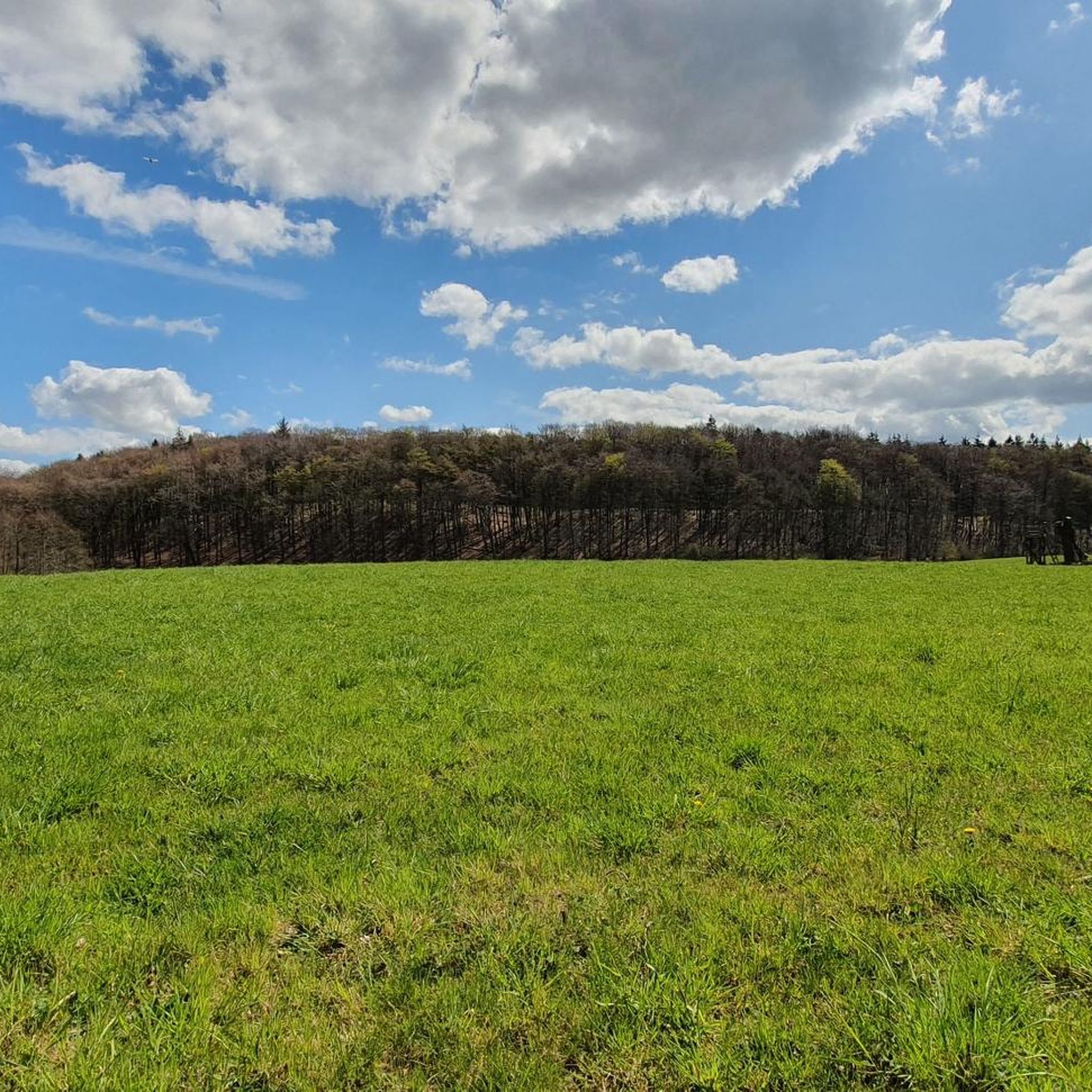
Cows and calves grazing on pasture is an image often associated with species-appropriate animal husbandry and a high quality of life for the animals. Spending time together on pasture promotes the animals' natural behavior, enables social interaction, and contributes to their health. Advantages of grazing cows and calves: Natural husbandry: Cows and calves can pursue their natural needs, such as eating, exercising, resting, and interacting with other animals. Social learning: Calves learn how to interact in the herd from older animals and imitate their eating behavior. Improved animal welfare: Grazing promotes the animals' health because they can exercise, soak up sunlight, and breathe fresh air. Stable herd structure: Grazing together contributes to the development of close relationships and promotes a calm and stable herd structure. Promoting natural feeding habits: Calves learn to eat pasture feed early on and can thus better meet their needs. Less stress and competition: Due to the larger space and forage variety on the pasture, stress caused by competition is reduced. Aspects to consider when grazing: Weather conditions: Dry weather is important to protect pasture soils and animals from wet conditions. Forage availability: A good pasture with sufficient forage is crucial for successful grazing. Shelter: A sheltered shelter with dry bedding should be available to protect the animals from the elements. Frost-free water troughs: A frost-free water supply is important in winter, so heated water troughs should be provided. Keeping cows and calves together on pasture is an animal-friendly and natural form of husbandry that has a positive effect on the well-being and health of the animals.
6
0

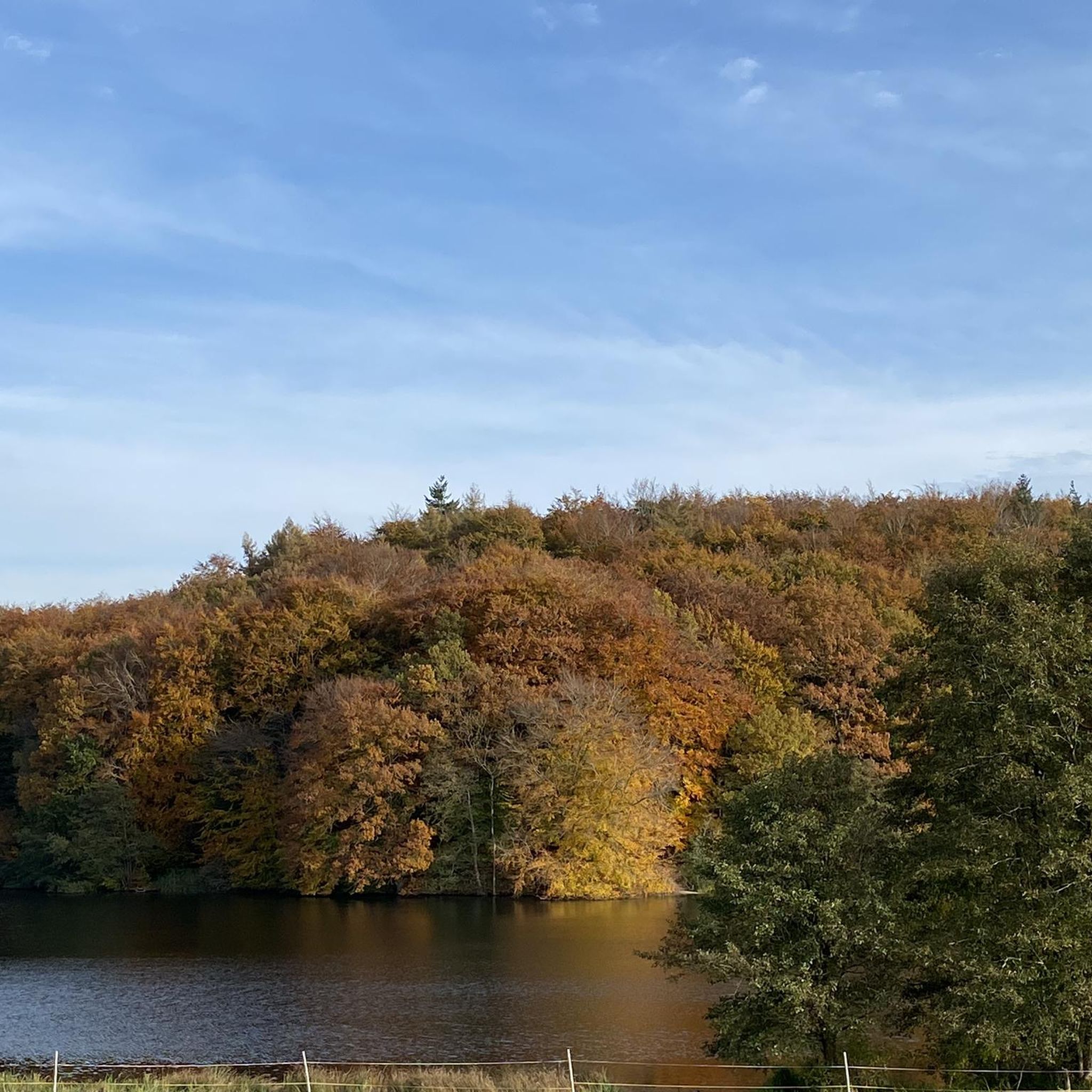
Here, on the lakeside hiking trail, there's a small bench tucked away, inviting you to take a break. But beware of the mosquito infestation, which can be extreme here during the summer months. The view of the lake is significantly obstructed, but the bench is in the shade.
1
0
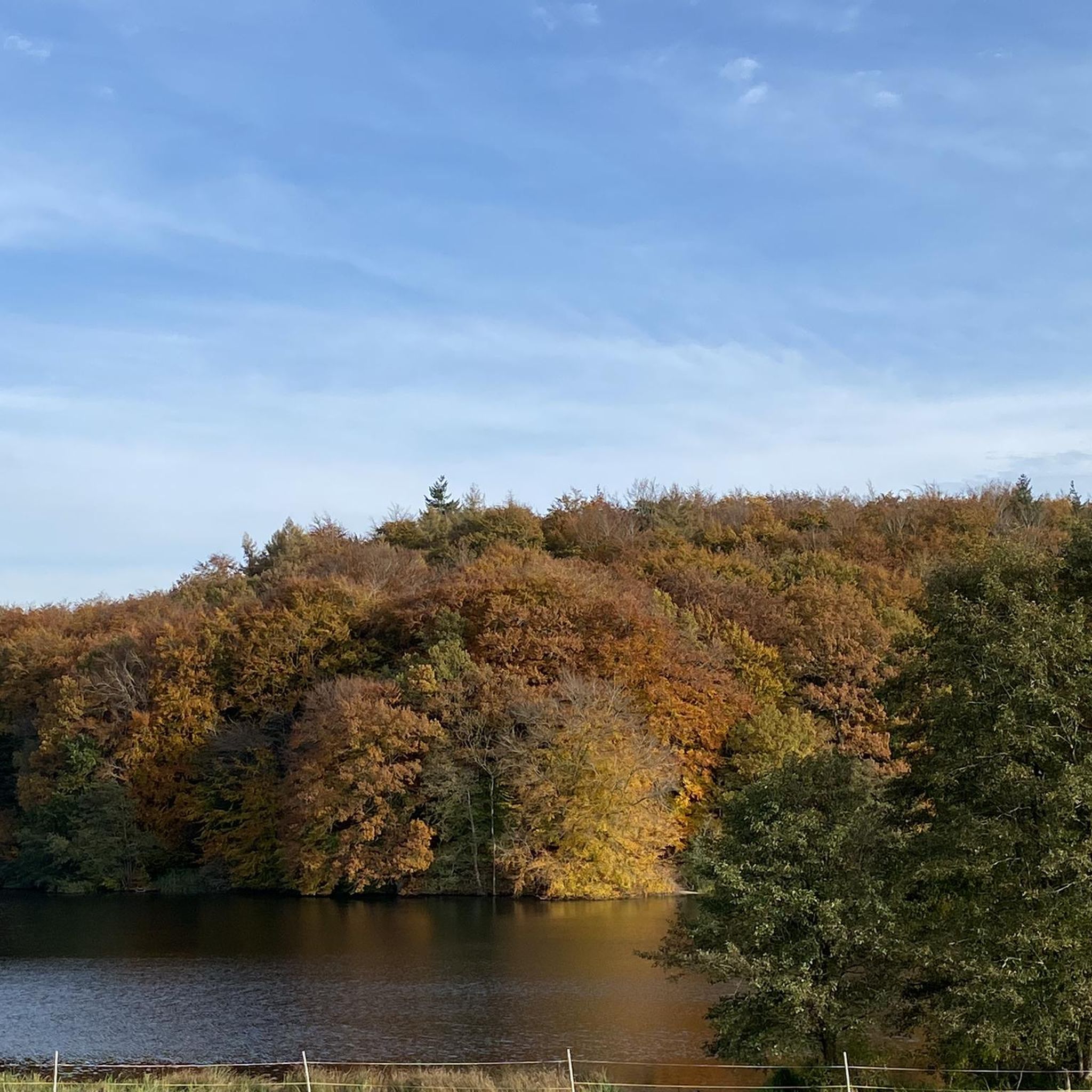
Stocksee is an idyllic lake in Holstein Switzerland. Surrounded by forests, meadows, and rolling hills, the 1.3-square-kilometer body of water is ideal for swimming, paddling, hiking, and biking. Here is a large bathing area with a wooden jetty. The lakeside pool is fully accessible and has a large, shaded parking lot.
4
0
A tranquil nature reserve with pristine nature, home to rare bird species and diverse plant life. The paths mostly follow the edge, allowing you to enjoy the untouched landscape in all its tranquility. An ideal place for nature lovers who appreciate peace and quiet and unique flora and fauna.
3
0
The Stocksee, located east of the town of the same name, extends into the districts of Segeberg and Plön. It is around 200 hectares in size and has a maximum depth of 30.2 m. The lake is particularly important as a resting and moulting area and is therefore partly part of the Mittlerer Stocksee and surrounding area nature reserve. A hiking trail runs 11.7 kilometers around the lake, mostly close to the shore. An unguarded bathing area is located in the middle of the town of Stocksee. Motorboats are not allowed on the lake. Anglers will get their money's worth here, however, as the lake is home to perch, pike, zander and eels, among other species.
11
0
스톡제 주변에서 가장 인기 있는 명소


더 살펴보기
스톡제 주변에서 완벽한 호수를 아직 못 찾으셨나요? 이 지역의 가이드를 확인하여 더 아름다운 장소를 찾아보세요.
