라이메라스에서 가장 멋진 18개의 호수
Reimerath 주변의 최고의 호수는 주로 독일 라인란트팔츠에 있는 벌칸아이펠(Vulkaneifel) 지역 내에 있습니다. 이 지역은 특히 분화구 모양의 호수인 마르(maar)와 같은 독특한 지질학적 형성으로 유명합니다. Reimerath는 뉘르부르크링(Nürburgring) 근처에 위치하며 하이킹 및 사이클링과 같은 야외 활동 기회를 제공합니다. 아이펠 지역에는 마르와 저수지를 포함한 여러 주목할 만한 호수가 있어 자연의 아름다움과 레크리에이션 기회를 제공합니다.
Reimerath 주변 최고의 호수
- 가장 인기 있는 호수는 유명한 조류 보호 구역 역할을 하는 Maiden Pond입니다. 이 마르 호수에는 약 3km 길이의 순환 트레일과 조류 관측소가 있습니다.
- 또…
마지막 업데이트: 10월 13, 2026

Booser Doppelmaar 습지
하이라이트 • 자연 기념물
번역자 Google •
팁에 의해

이런 장소를 발견하려면 지금 가입하세요
최고의 싱글 트랙, 봉우리 및 다양한 흥미로운 야외 장소에 대한 추천을 받아보세요.

보저 도펠마아르 전경
하이라이트 • 전망대
번역자 Google •
팁에 의해

그뤼너 바이허 (후렌뷔슈-바이허)
하이라이트 • 호수
번역자 Google •
팁에 의해

무료로 가입하여 라이메라스 주변의 더 많은 호수를 발견하세요.
이미 komoot 계정이 있나요?
오늘 무료 계정으로 시작하세요
다음 모험이 기다리고 있어요.
커뮤니티 팁


The Boos Double Maar consists of two silted-up maars, which today appear as shallow depressions in the terrain. They are located within the municipality of Boos. The two maars formed between 10,150 and 14,160 years ago and belong to the Quaternary volcanic field of the Volcanic Eifel. The two maars form large, circular basins surrounded by tuff embankments. They lie on a west-southwest-east-northeast trend, thus following the Variscan strike of the subsurface. The west-southwest maar has a diameter of approximately 700 m and a depth of between 30 and 60 m; the east-northeast maar is between 650 and 700 m and a depth of between 50 and 87 m. Both depressions are very humid, so there are still areas that have a permanent water surface. The waters were formerly used as fish ponds, but later silted up and served as meadows and fields. Today, there is once again a fish pond in the west-southwestern part of the maar, the Booser Weiher. In the vicinity of the maars, there are tuff pits where the volcanic tuff formed during the eruption of the maars was mined. Very beautiful nature.
0
0

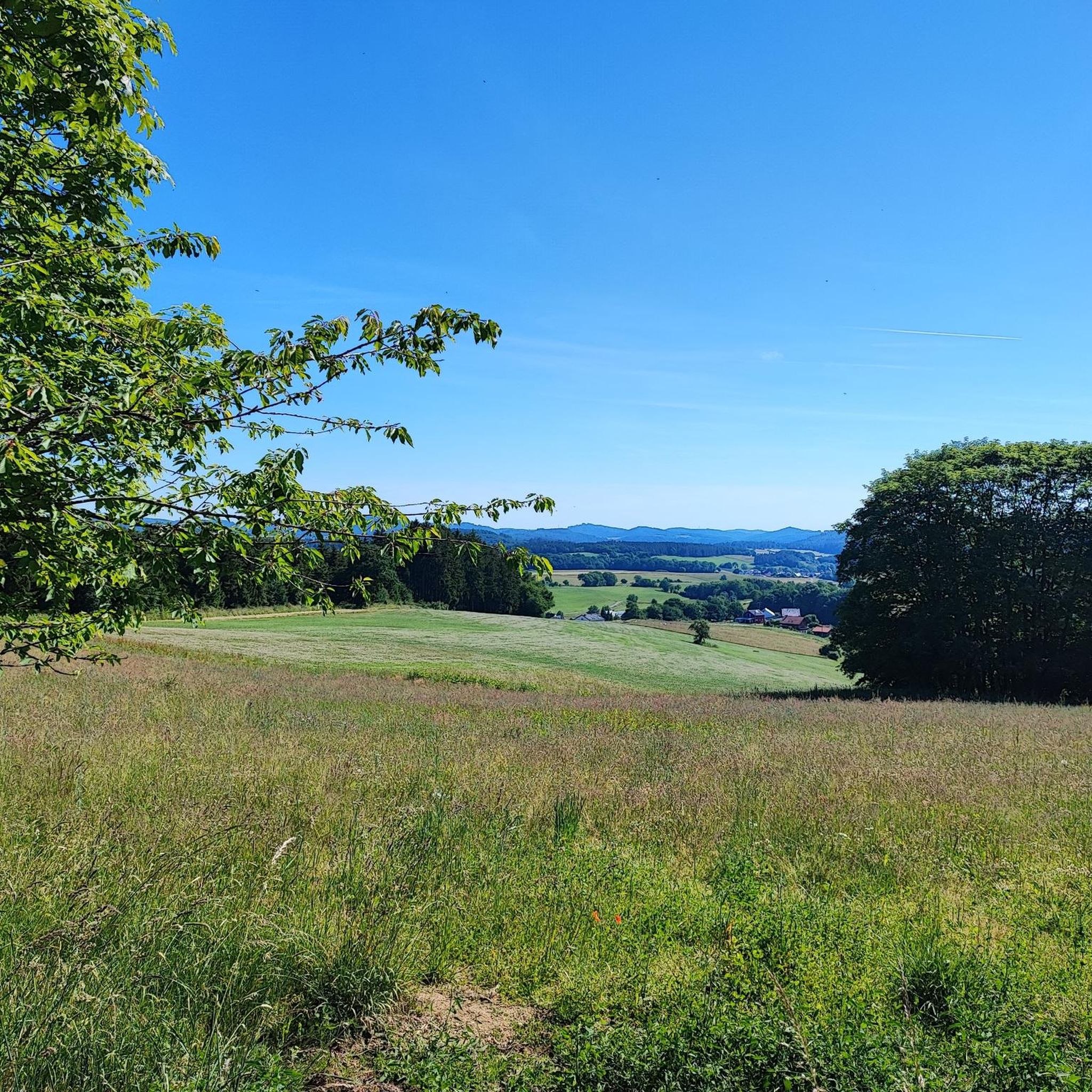
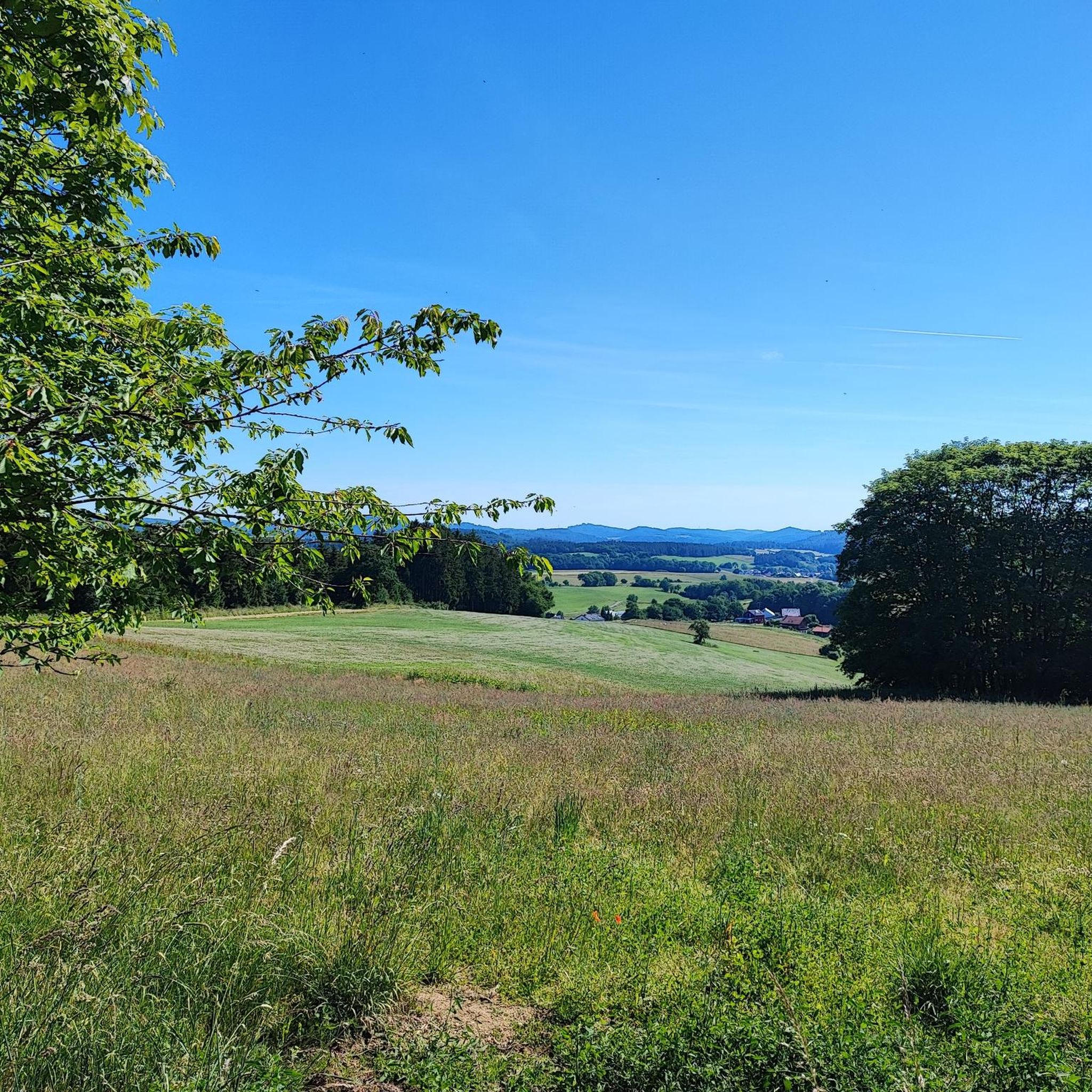
especially when the sun rays penetrate through the treetops a great sight
0
0

The history of the Volcanic Eifel can be explored at the Booser Doppelmaar. The Booser Doppelmaar consists of two silted-up maars, which today appear as flat hollows in the terrain. The two maars were formed between 10,150 and 14,160 years ago. Viewed from above, the two maars are circular basins. The west-southwest maar has a diameter of around 700 m and is between 30 and 60 m deep, the east-northeast maar is between 650 and 700 m large and has a depth of 50 to 87 m. The two hollows are very wet, so there are still places that have a permanent water surface. The water areas were previously used as fish ponds, but later silted up and served as meadows and fields. Today there is again a fish pond in the west-southwestern maar, the Booser Weiher, see also https://de.wikipedia.org/wiki/Booser_Doppelmaar
1
1
The Booser Doppelmaartour is an Eifel dream trail. It is important that you look in vain for water here, because the two maars are so-called dry maars.
0
0

The Jungferweiher Maar is located at an altitude of 428 meters, is 1.7 hectares in size and is very shallow and swampy at 80 cm.
4
0
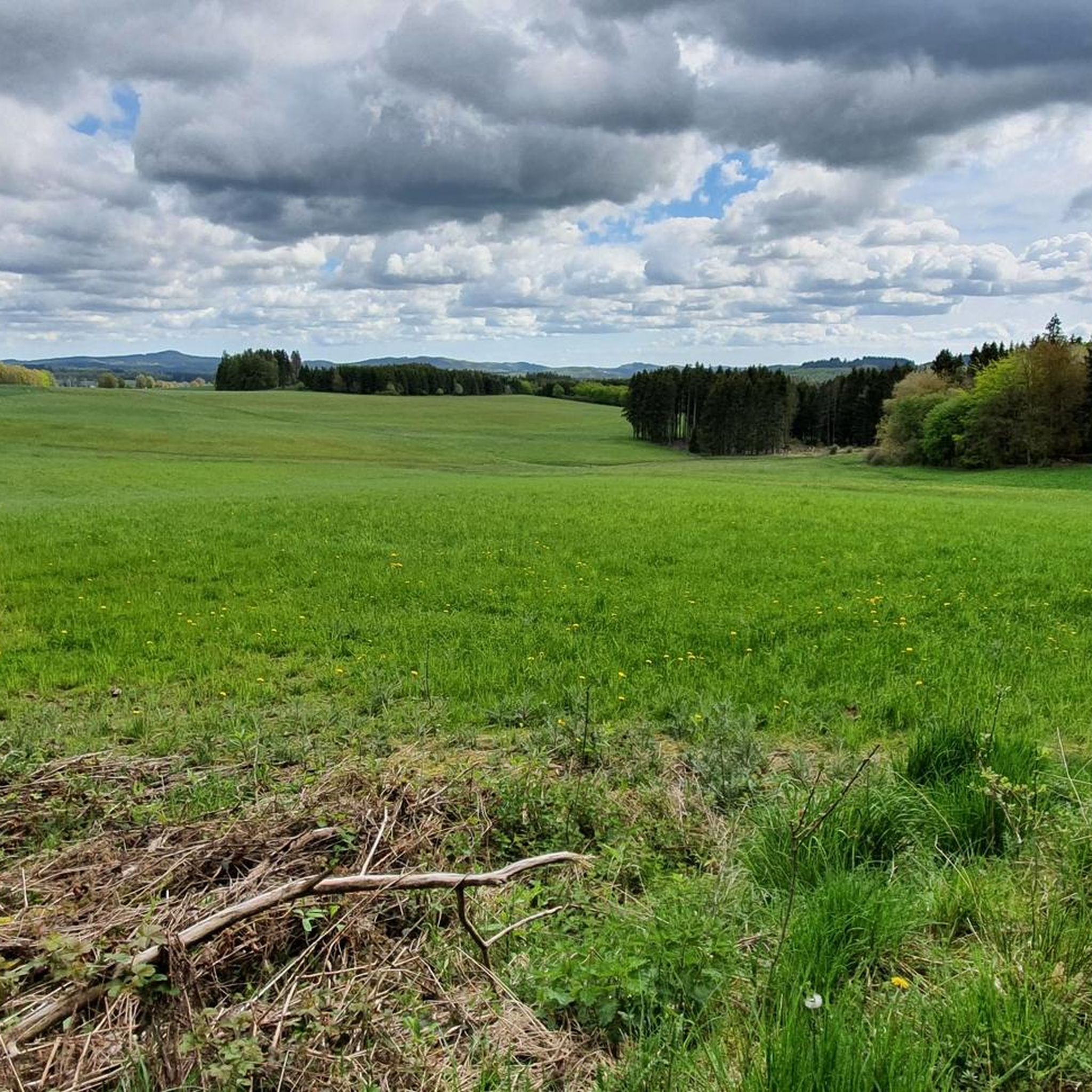
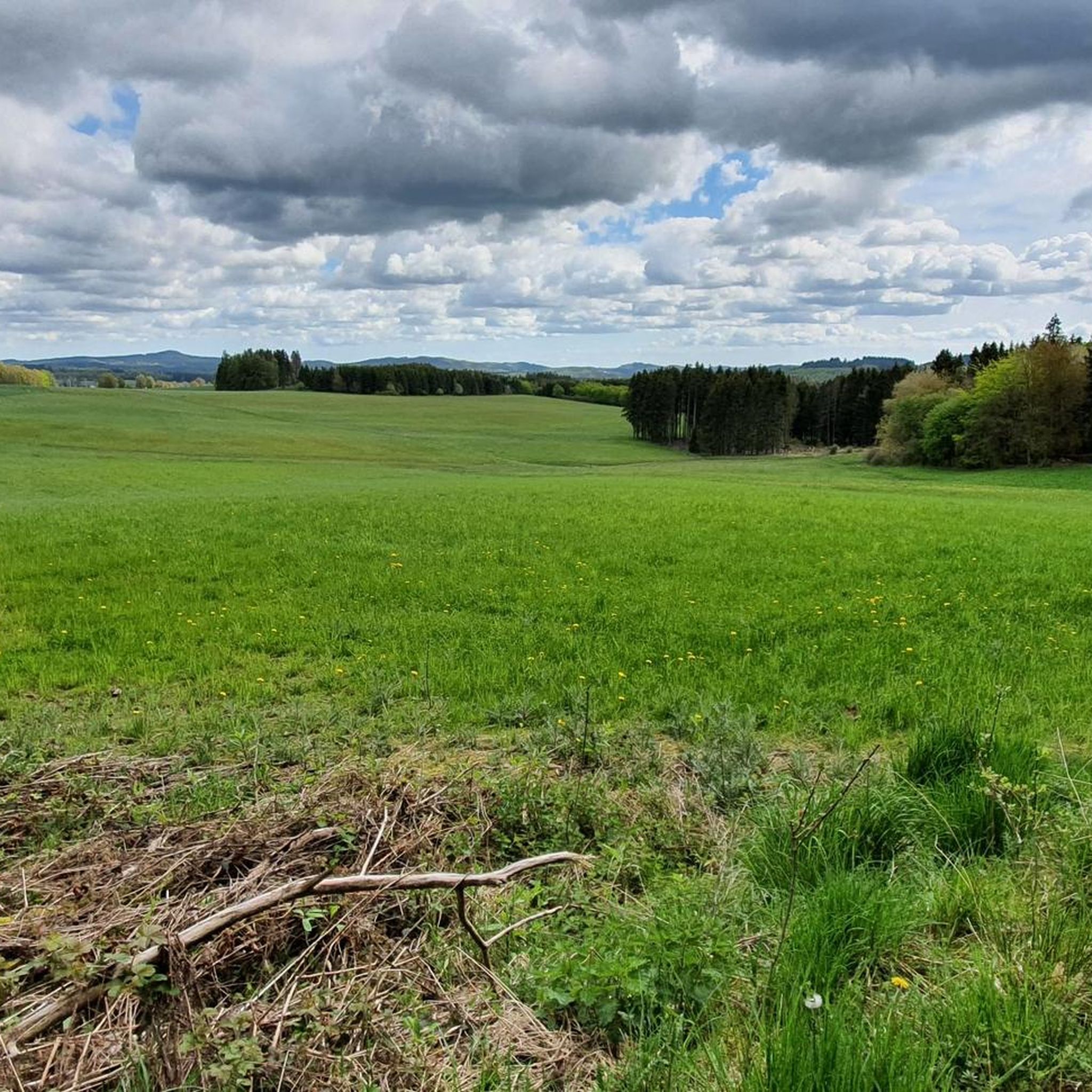
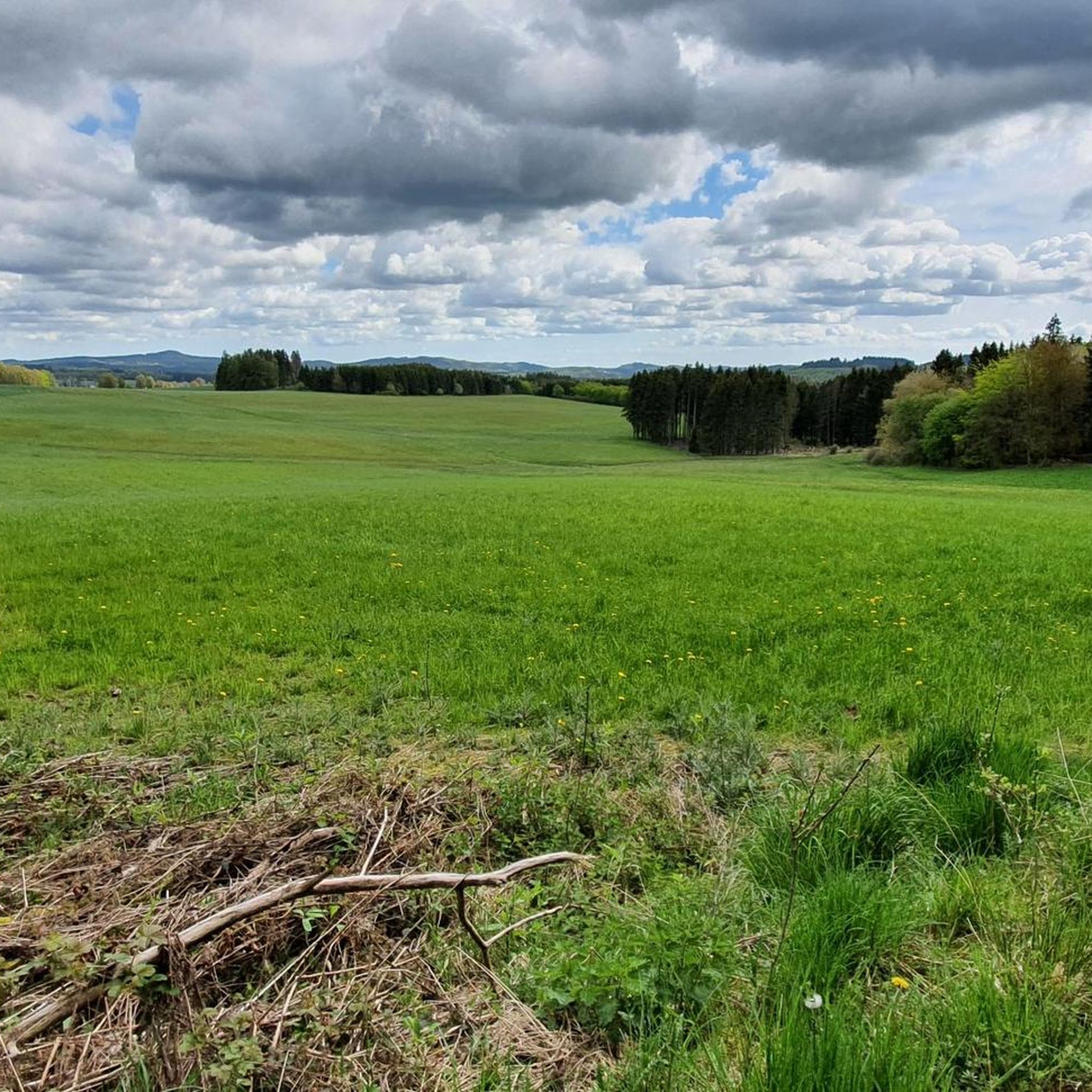
From a wooden bridge there is a wonderful view of the swampy foothills of the rainwater-filled Booser Maar, which is located in the Hohe Acht mountain region and approx. 8 km south of the Hohe Acht. The maar lies in a circular tuff basin, whose tuff walls are covered with swampy meadows and the edge of the bank is overgrown with reeds. Galloways graze in the dry, higher meadows.
1
0
라이메라스 주변에서 가장 인기 있는 명소


더 살펴보기
라이메라스 주변에서 완벽한 호수를 아직 못 찾으셨나요? 이 지역의 가이드를 확인하여 더 아름다운 장소를 찾아보세요.
