묀히스데깅겐에서 가장 멋진 20개의 호수
묀히스데깅겐에서 가장 멋진 호수를 방문하고 싶나요? 호숫가의 고요한 분위기를 느끼거나 날씨가 따뜻한 날 호수에 발을 살짝 담글 수 있다면 얼마나 좋을까요? Komoot 커뮤니티가 추천한 묀히스데깅겐의 주요 호수를 아래에서 살펴보고, 다음 모험 때 직접 찾아가보세요!
마지막 업데이트: 10월 13, 2026

Gunzenheimer Gump 연못
하이라이트 • 호수
번역자 Google •
팁에 의해

이런 장소를 발견하려면 지금 가입하세요
최고의 싱글 트랙, 봉우리 및 다양한 흥미로운 야외 장소에 대한 추천을 받아보세요.
죽은 거인들의 연못
하이라이트 • 호수
번역자 Google •
팁에 의해

도나우강 북쪽의 바거제
하이라이트 • 호수
번역자 Google •
팁에 의해

연못에서 바라본 니더하우스 성 유적지
하이라이트 • 전망대
팁에 의해
무료로 가입하여 묀히스데깅겐 주변의 더 많은 호수를 발견하세요.
이미 komoot 계정이 있나요?
오늘 무료 계정으로 시작하세요
다음 모험이 기다리고 있어요.
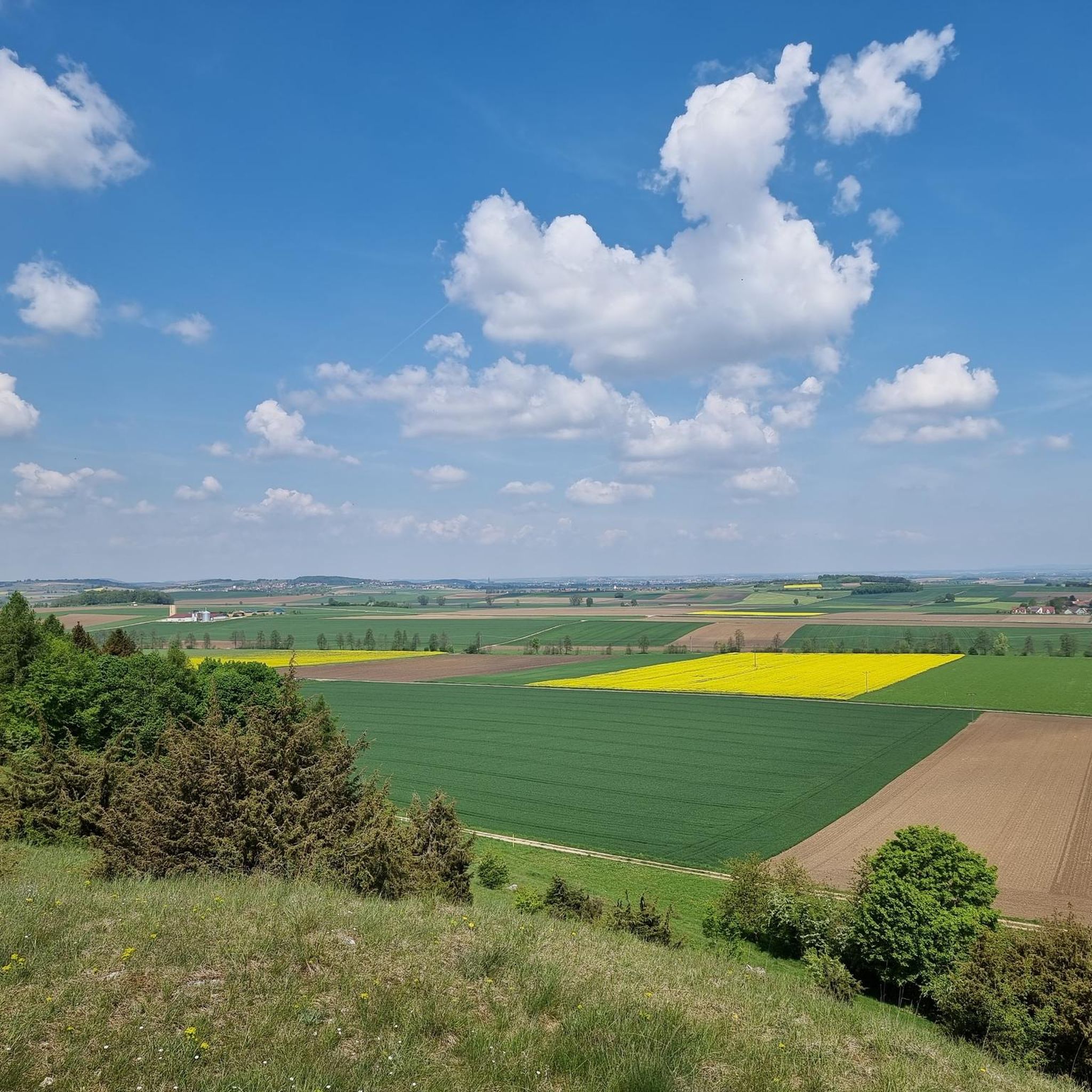
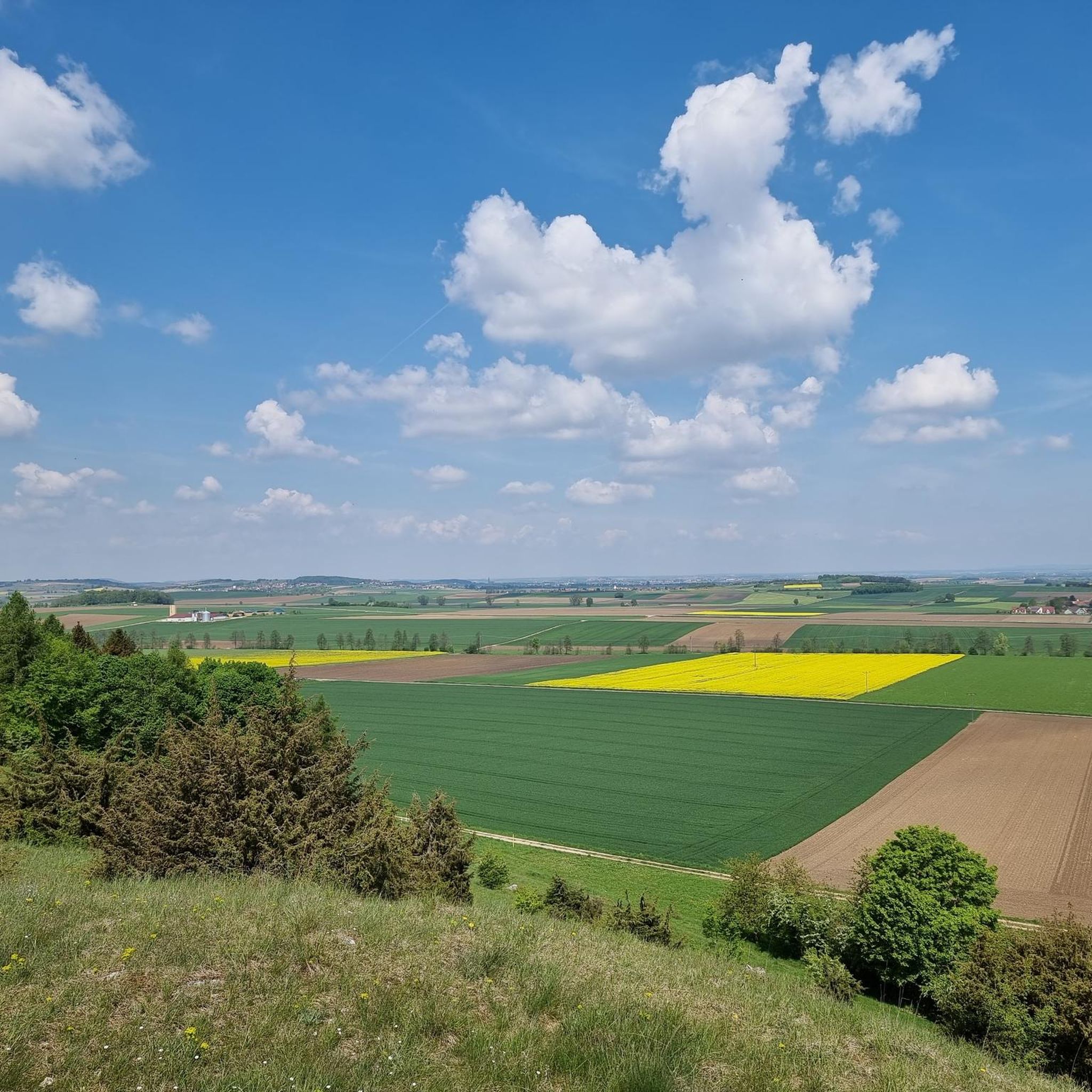
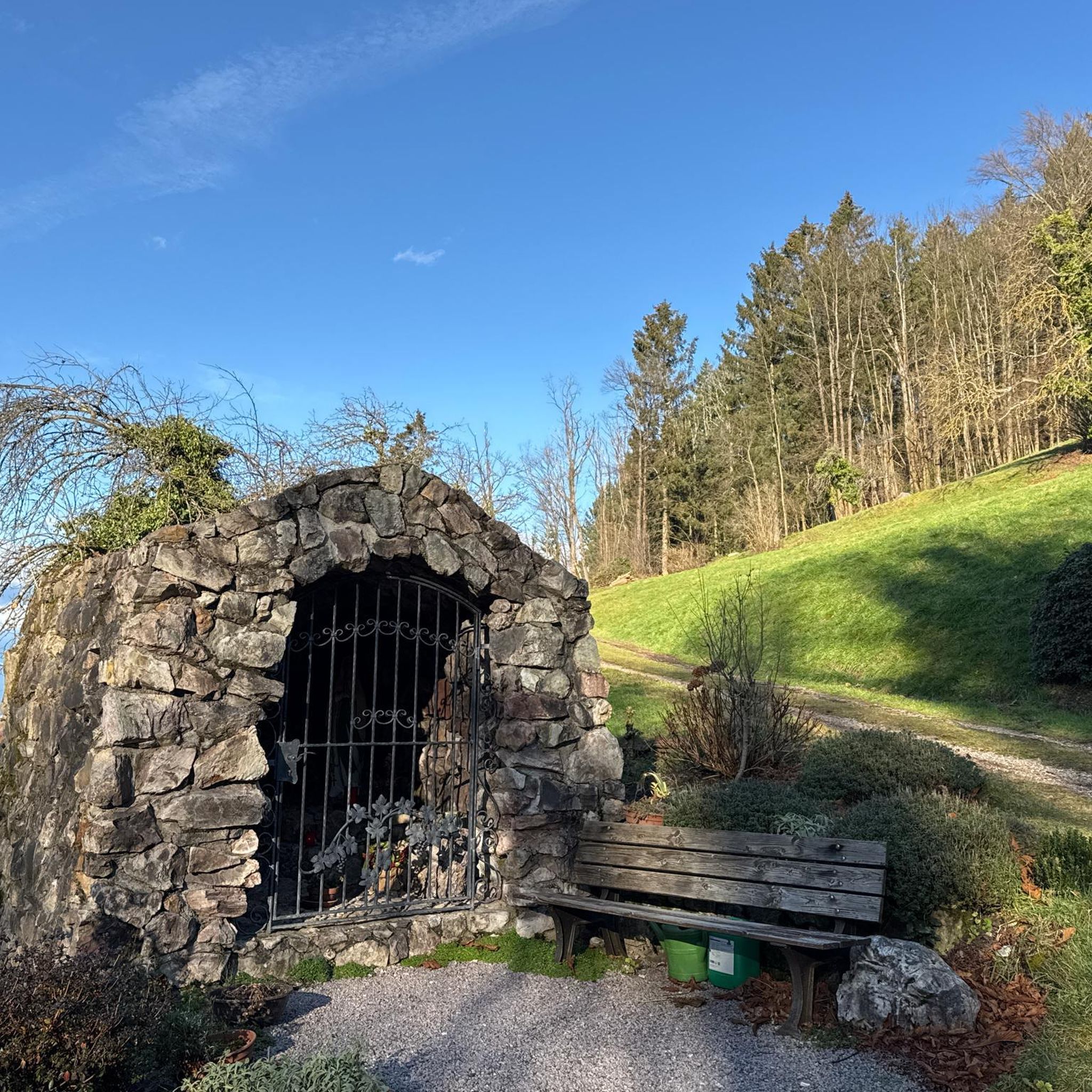
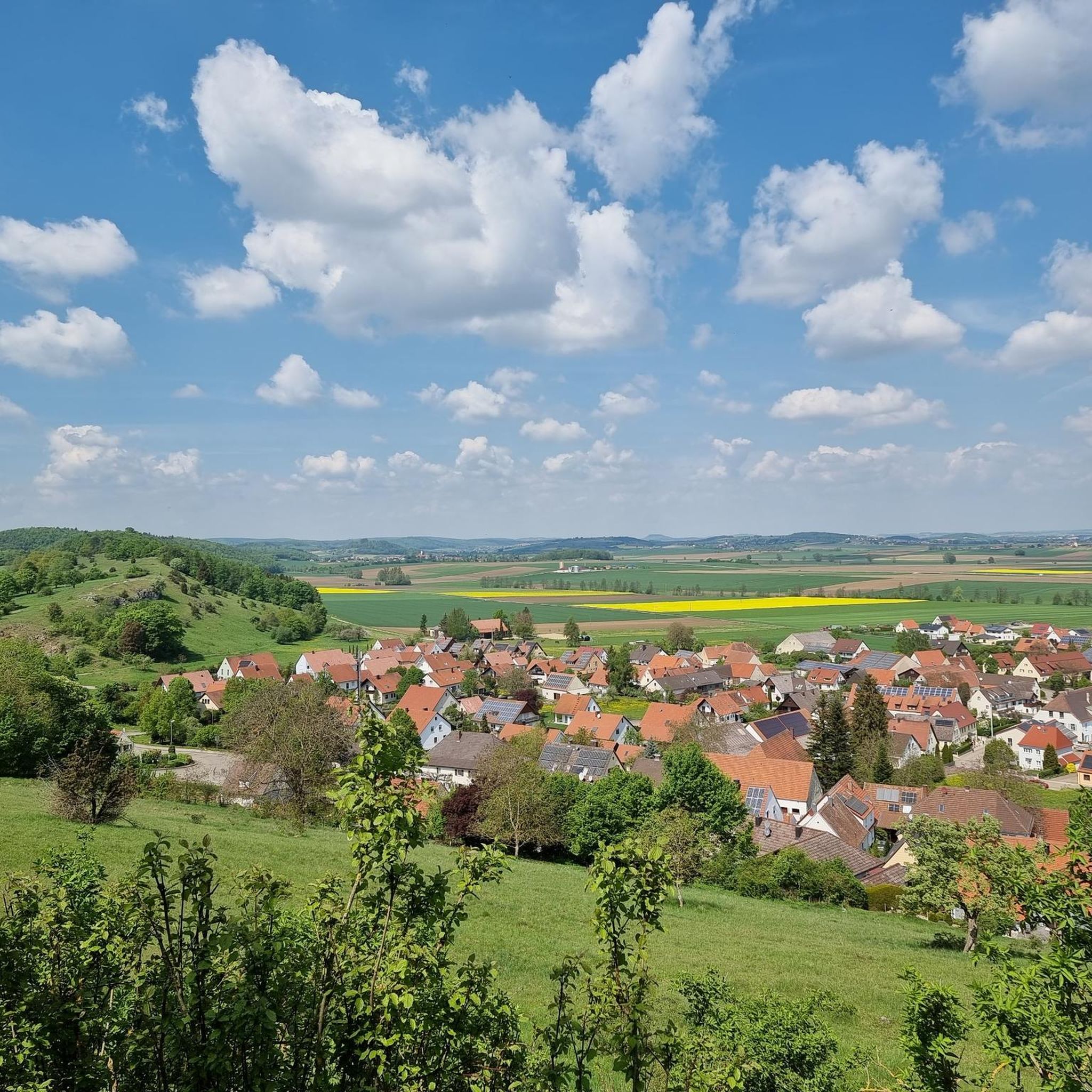


커뮤니티 팁

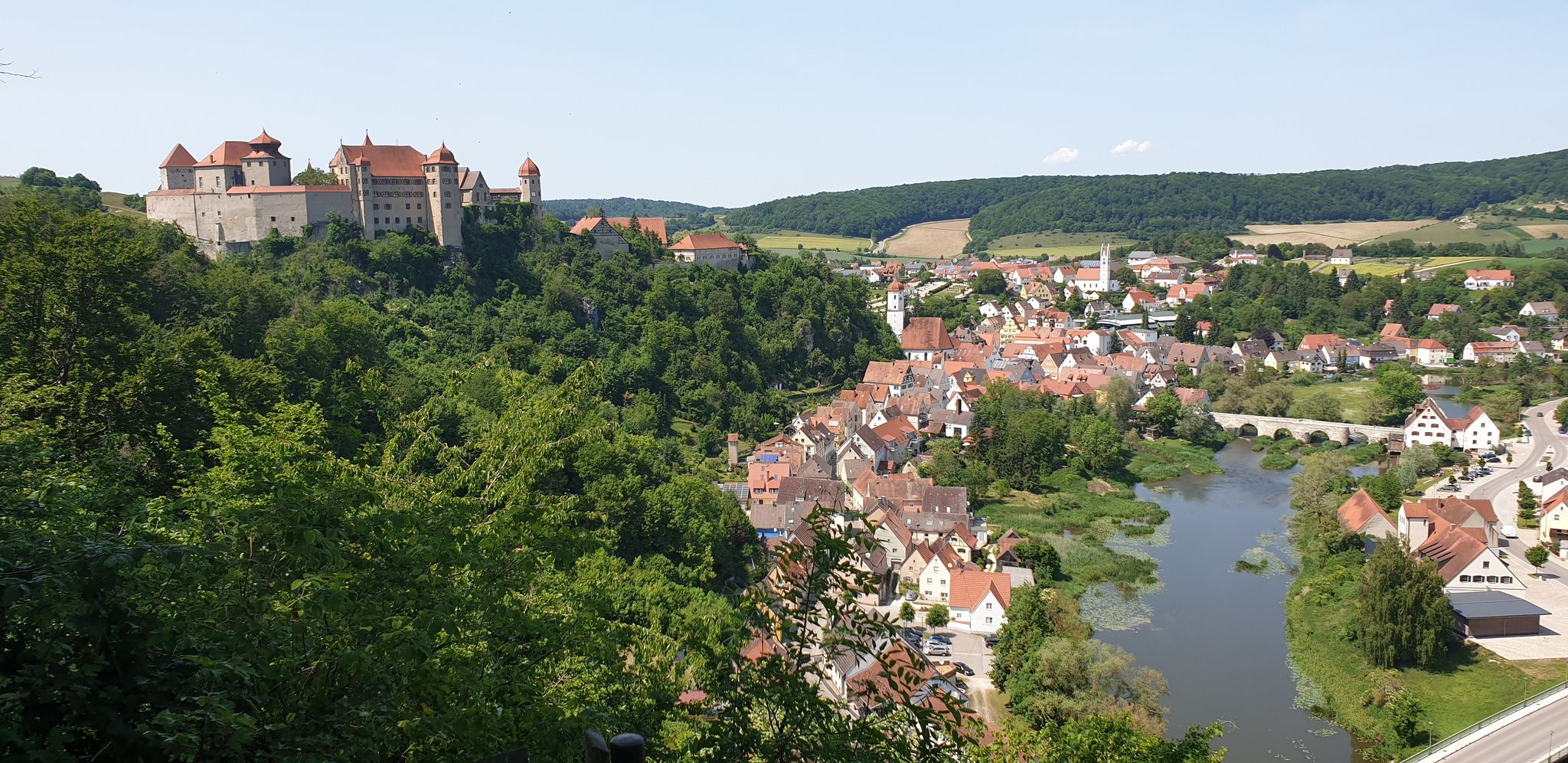
니더하우스 및 호흐하우스 성 유적: 니더하우스 성 유적의 석조물은 살아 숨 쉬고 있습니다. 이곳에는 고사리와 염료나무와 같은 멸종 위기 꽃 식물들이 자생하며, 희귀 맹금류와 올빼미의 둥지 장소가 되기도 합니다. 휘른하임의 귀족들은 동시에 카르투지아 계곡에 3개의 성을 건설했습니다. 니더하우스 성은 가문의 본거지로 건설되어 1236년경에 입주했습니다. 가족이 3개의 계통으로 나뉜 후, 이곳에서는 "휘른하임-니더하우스 귀족"이라고 불렀습니다. 두 번째 가계는 "휘른하임-호흐하우스 귀족"이라고 불렀으며, 맞은편 산등성이 남서쪽에 위치한 호흐하우스 성에 입주했습니다. 세 번째 계통인 "휘른하임-라우하우스 귀족"은 크리스토가르텐 북쪽 경사면 위에 있는 라우하우스 성에 입주했습니다.
0
0


A fantastic highlight of the tour. The path leads from the top, practically through the castle ruins, down to the pond :-)
0
0


Impressive facility with information boards and a beautiful view
0
0

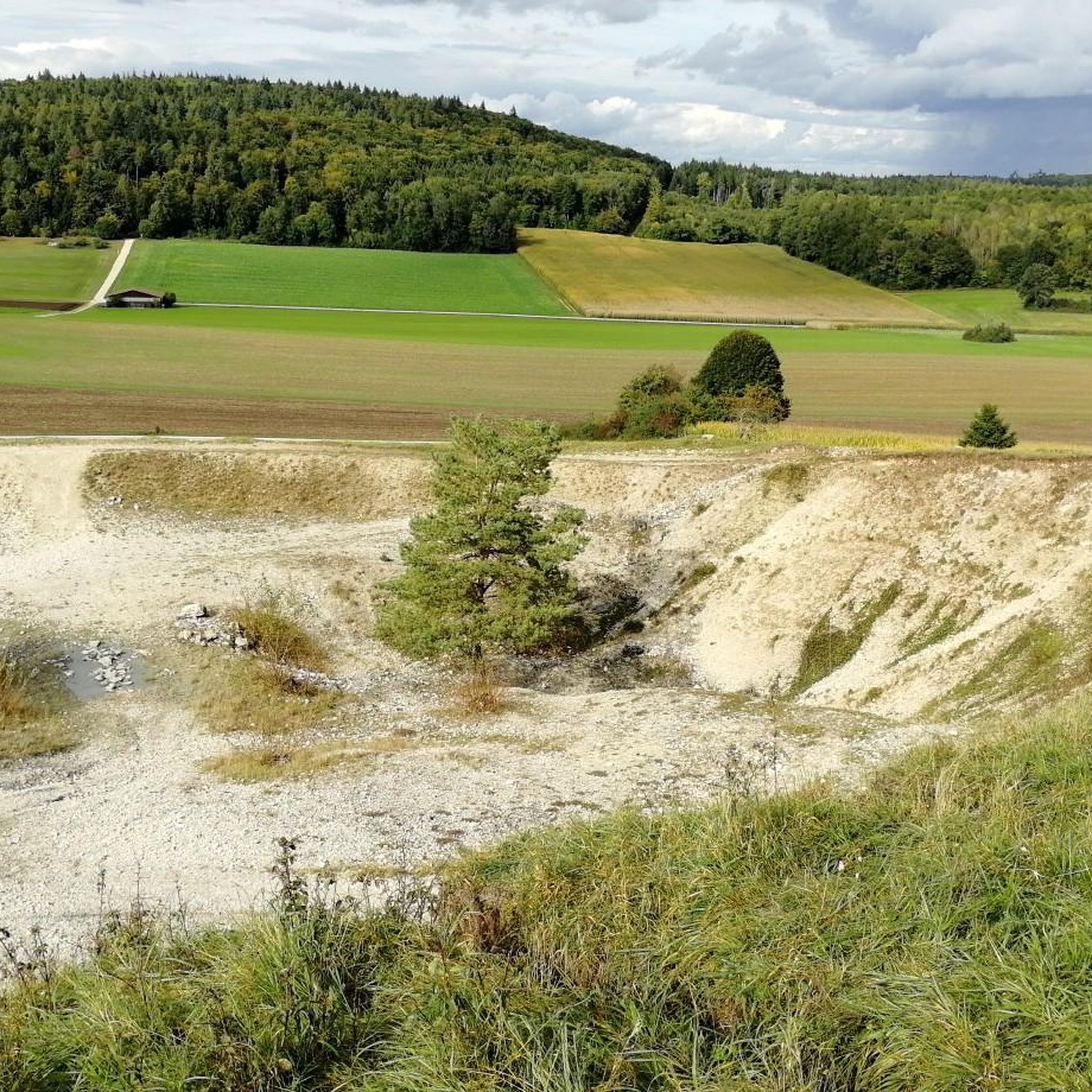
A Malm block measuring several thousand cubic meters within the colorful rubble masses in the area surrounding the Nördlinger Ries was used to extract raw materials and was partially mined. A small pond formed in the resulting hollow due to the low water permeability of the surrounding rubble rocks. The outcrop is located about 5.5 km southeast of the crater rim. The Gunzenheimer Gump is a small artificial pond (about 8 m deep), but it could only have been created due to the special geological conditions of its surroundings and human activities. The colorful rubble masses here consisted of large white Jurassic limestone blocks (Malm Delta) and clayey and sandy components from the Triassic and older Jurassic periods (Lias, Dogger). While the clayey-sandy deposits were removed, the more weather-resistant lime remained. The lime was used to build the Kaisheim monastery church. Due to the damming nature of the clays of the colorful rubble masses, water could rise under excess pressure (artesian rising spring) during lime mining and form a pond. The special geological significance of the Gunzenheimer Gump was taken into account in 2004. The Gunzenheimer Gump was included in the official geotope cadastre of the Bavarian State Office for the Environment and was thus awarded the "Geotop" seal of quality. [ Source: https://www.geopark-ries.de/geologische-besonderheit/gunzenheimer_gump-21524/ ]
1
0

Lots of beautiful hikes around it 🌿🤍
0
0

"It is probably rare to find a lake with deep, clear water on a slope surrounded by poor and dry grassland. There are many legends and legends surrounding the Gunzenheimer Gump. How does the water get to a high point within a very dry area? The Both opposites can only be explained with the events of the giant catastrophe. These are ejecta from the giant, where Jura rock had fallen onto a large clay block and sunk deeply. Because the dry heath in the area previously had no protection and little economic value, the Jura rock was quarried, just like in many other places on the edge of the Ries. Apparently soon after mining began, water began to collect in the surrounding clay layer, making further mining impossible. What remained was the mysterious Gunzenheimer Gump, a deep, clear lake. The water comes from groundwater sources and is always full to the brim, even in extremely dry times. Occasionally the excess water runs over the heaths to the west, which leads to a completely different spectrum of plants with lawns, gap sedges and blue rushes as key species. The underwater vegetation consists primarily of pondweed, while in the peripheral areas pond ledges, sedges and occasionally even flesh-colored orchid can be found." Source: Kaisheim - market and monastery (ed. Werner Schiedermair) https://www.kaisheim.de/de/marktgemeinde-kaisheim/ortsteile/gunzenheim/gunzenheimer-gump
1
0
묀히스데깅겐 주변에서 가장 인기 있는 명소


더 살펴보기
묀히스데깅겐 주변에서 완벽한 호수를 아직 못 찾으셨나요? 이 지역의 가이드를 확인하여 더 아름다운 장소를 찾아보세요.
