Top 20 Caves 칸타브리아 산맥
다음 모험 때 칸타브리아 산맥에 있는 동굴을 방문하고 싶나요? 그렇다면 칸타브리아 산맥에서 가장 멋진 동굴 20
개를 아래에서 살펴보세요. 다른 회원들이 경험을 바탕으로 추천한 콘텐츠인 만큼 믿을 수 있는 정보이니 마음에 드는 동굴이 있다면 다음 모험 계획에 추가해보세요.
마지막 업데이트: 10월 16, 2026

플라야 데 라스 카테드랄레스
하이라이트 • 해변
번역자 Google •
팁에 의해

이런 장소를 발견하려면 지금 가입하세요
최고의 싱글 트랙, 봉우리 및 다양한 흥미로운 야외 장소에 대한 추천을 받아보세요.
라 엔칸타다 동굴과 라 쿠에보나 동굴
하이라이트 • 동굴
번역자 Google •
팁에 의해


데스필라데로 데 로스 칼데로네스
하이라이트 (구간) • 협곡
번역자 Google •
팁에 의해


라 비르헨 델 마나데로 에르미타, 쿠에바 데 라스 팔로마스
하이라이트 • 종교적 장소
번역자 Google •
팁에 의해
오늘 무료 계정으로 시작하세요
다음 모험이 기다리고 있어요.
칸타브리아 산맥 주변 인기 장소
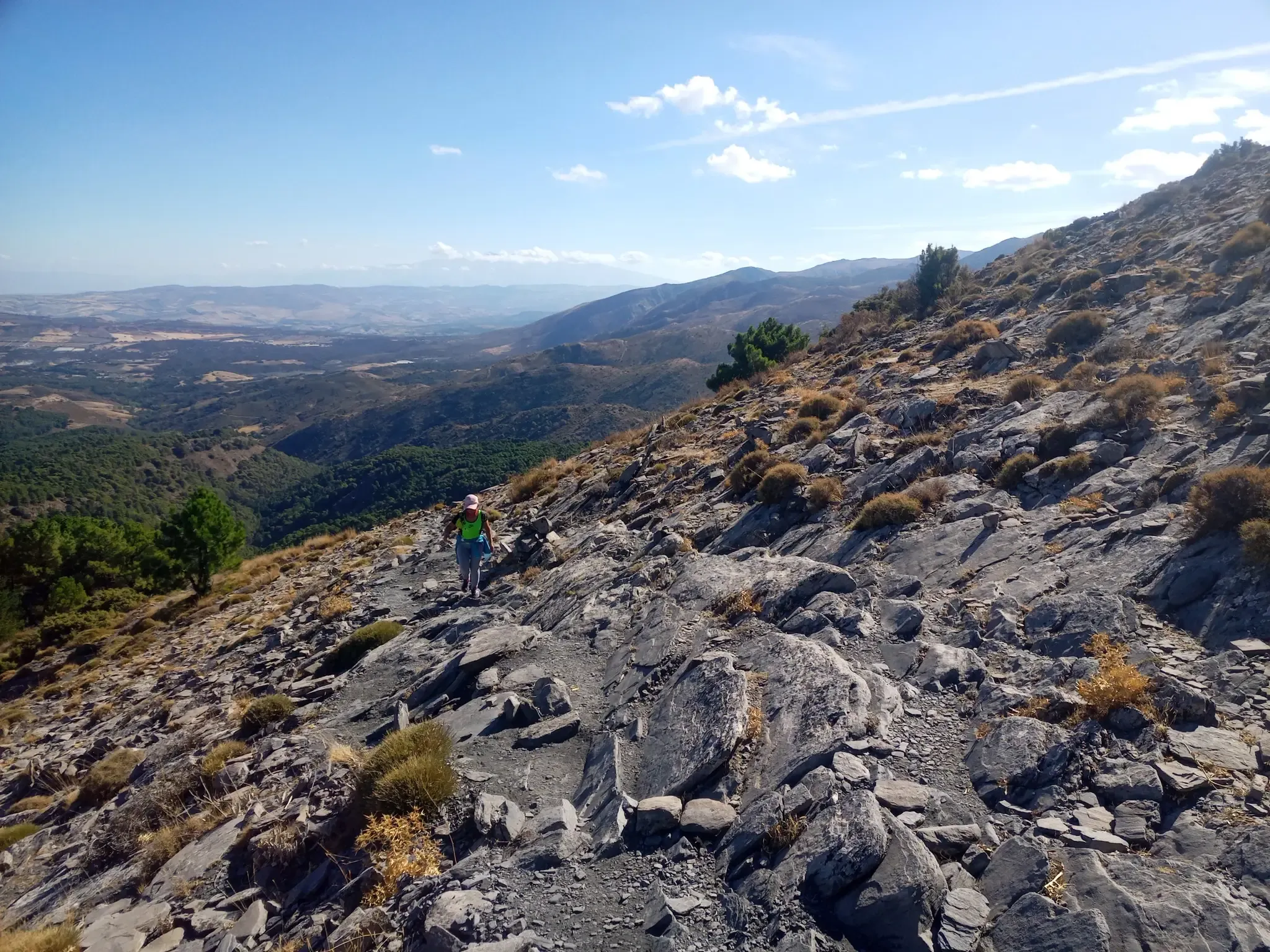
12 hiking gems throughout Spain
라 루타 데 라 플라타
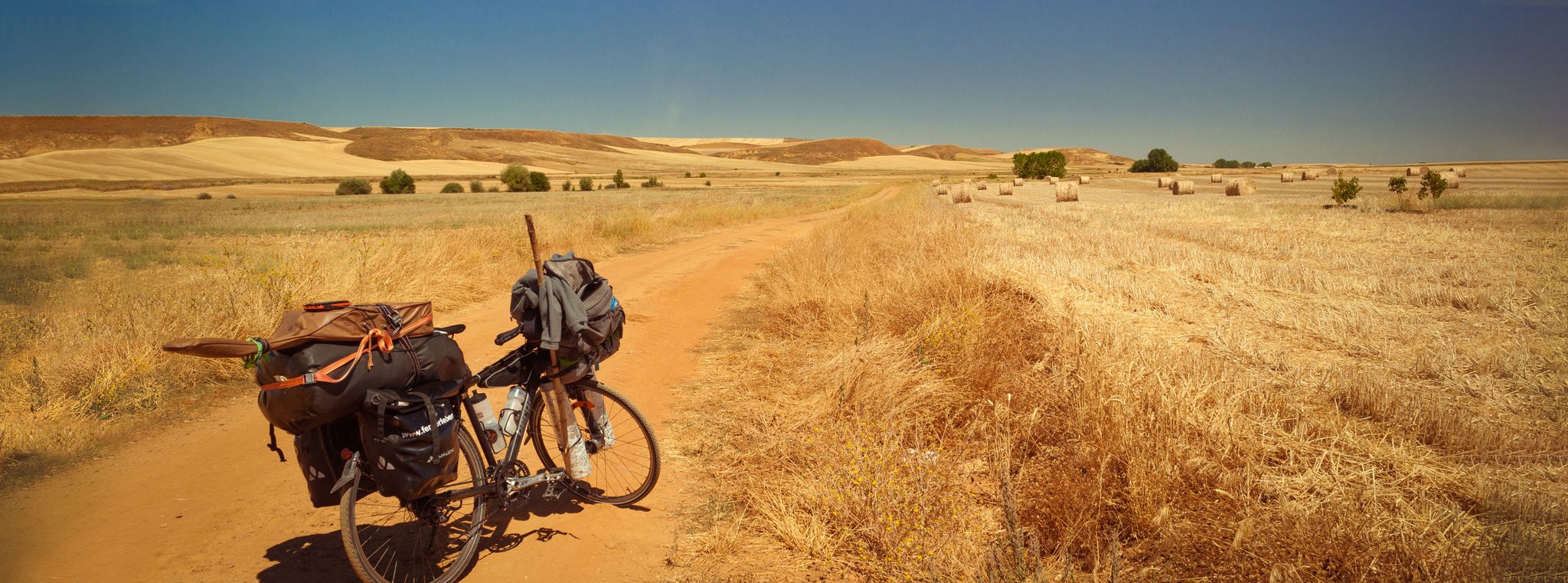
스페인의 자전거 순례 - 카미노 프랑체스와 카미노 피니스테레
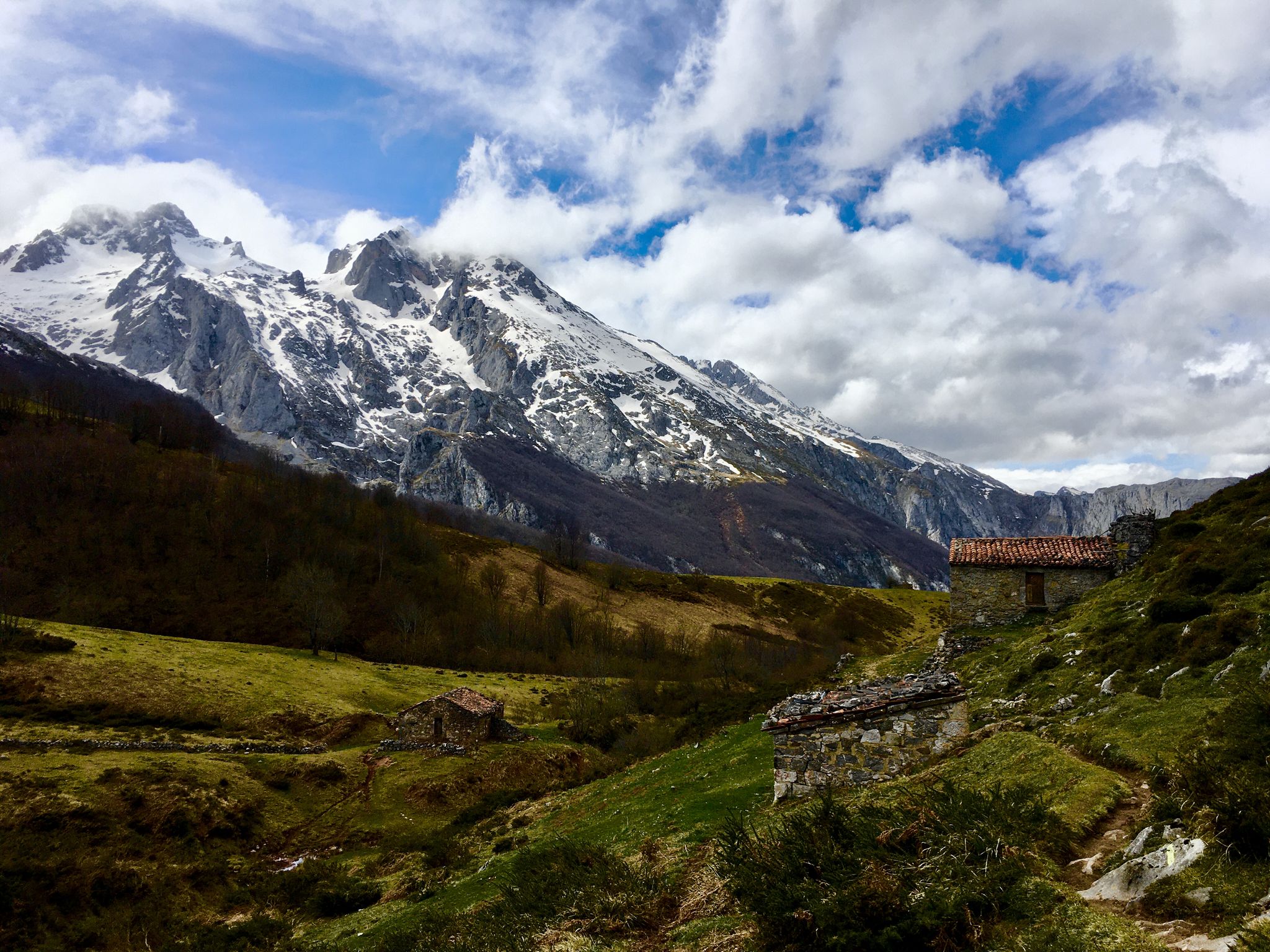
군대의 자취를 따라 - 복륵의 경로 (GR 202)
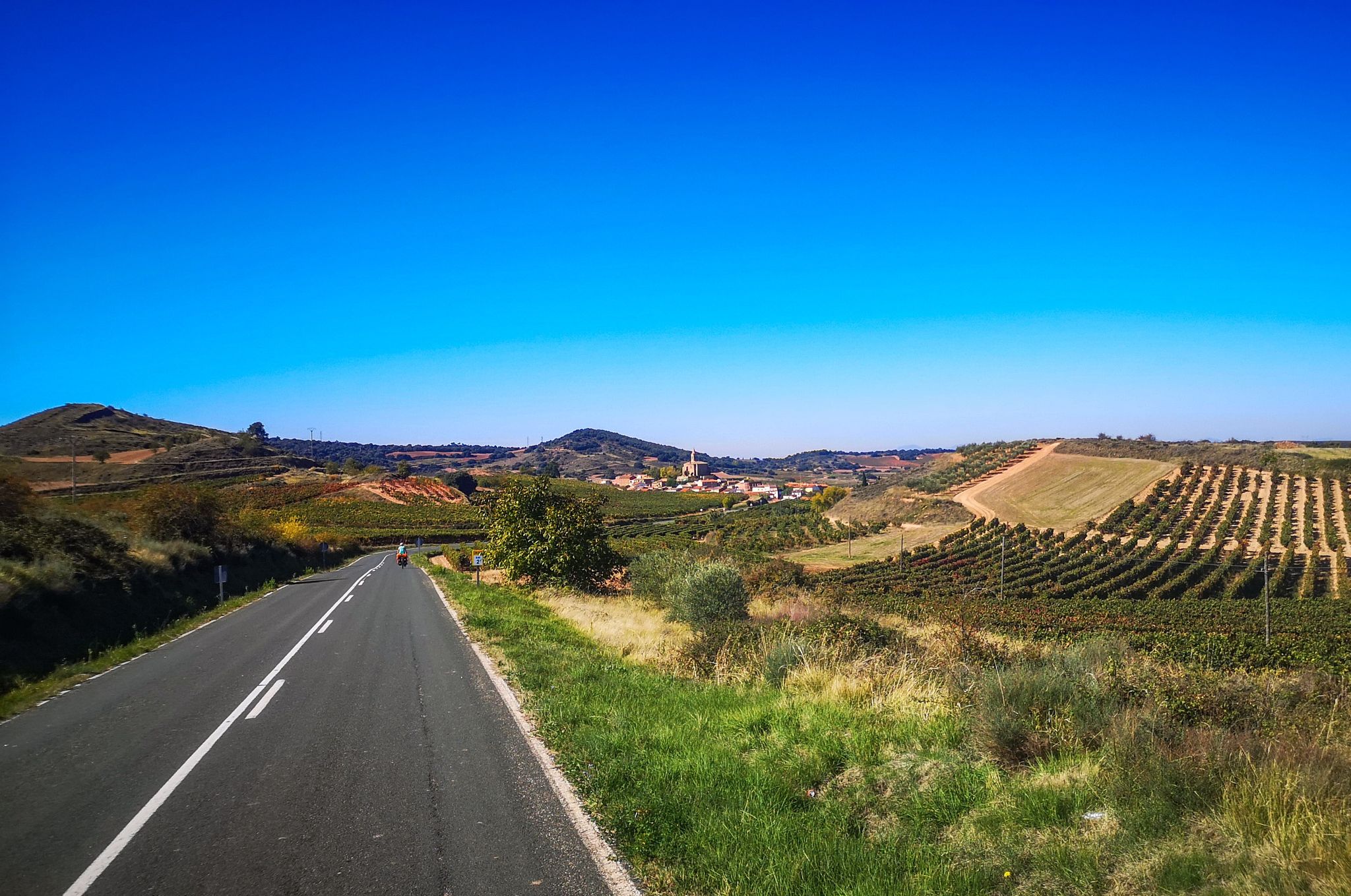
북스페인을 여행하며 - 산티아고 데 컴포스텔라 10일
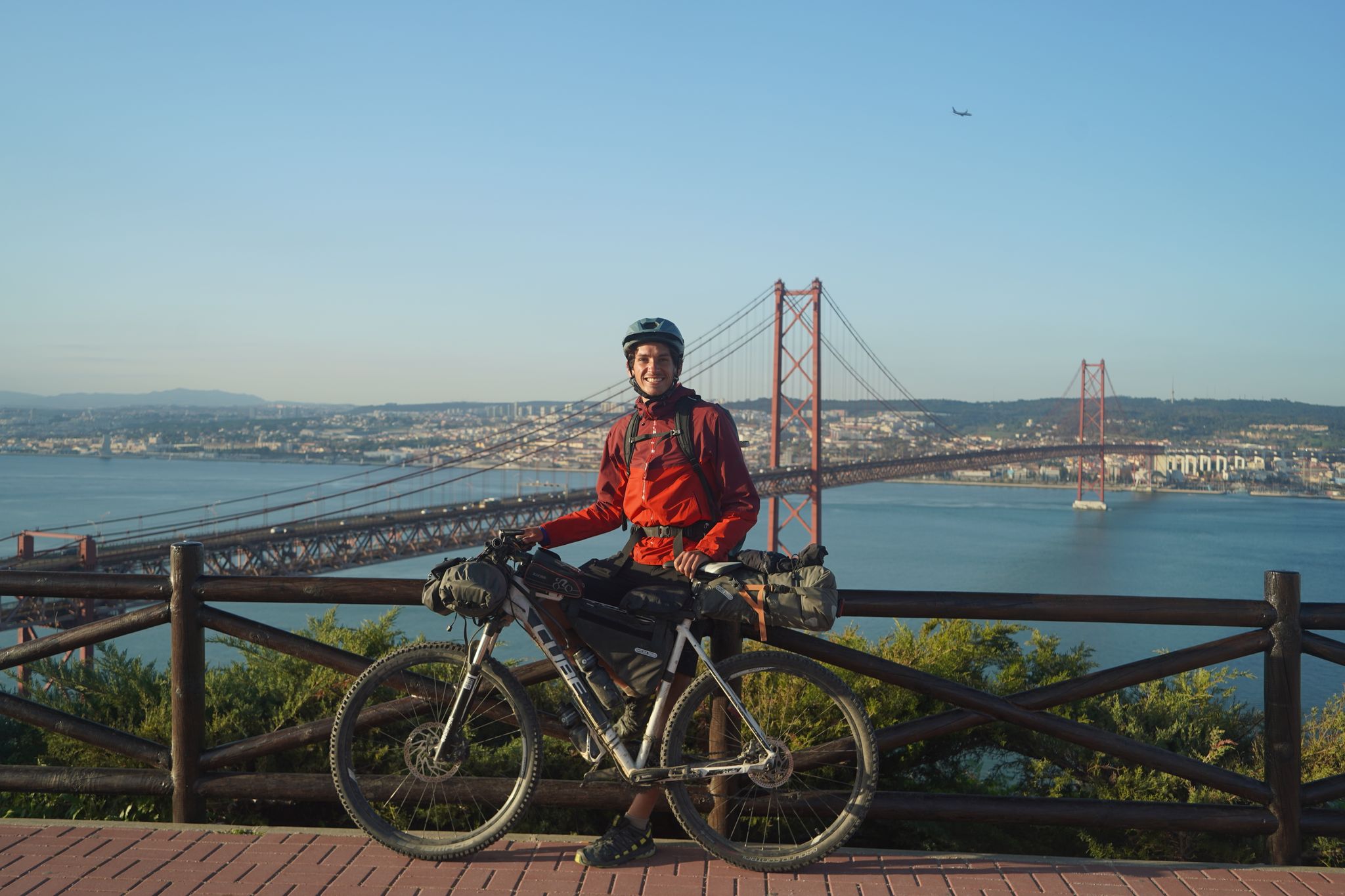
리스본으로 가는 길 – 알프스, 피레네, 피코스 데 에우로파를 바이크 패킹
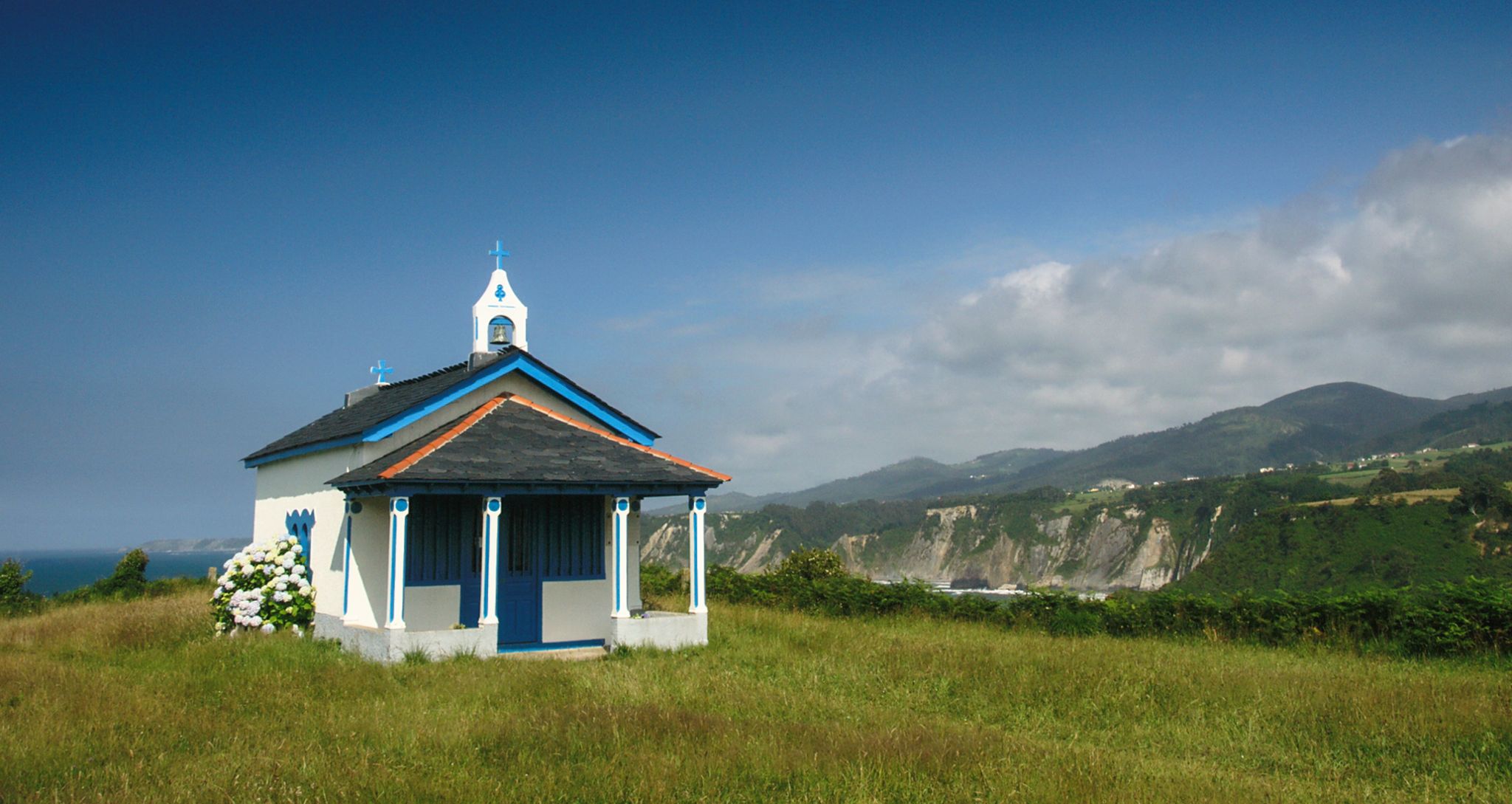
카미노 델 노르테의 15개 구간
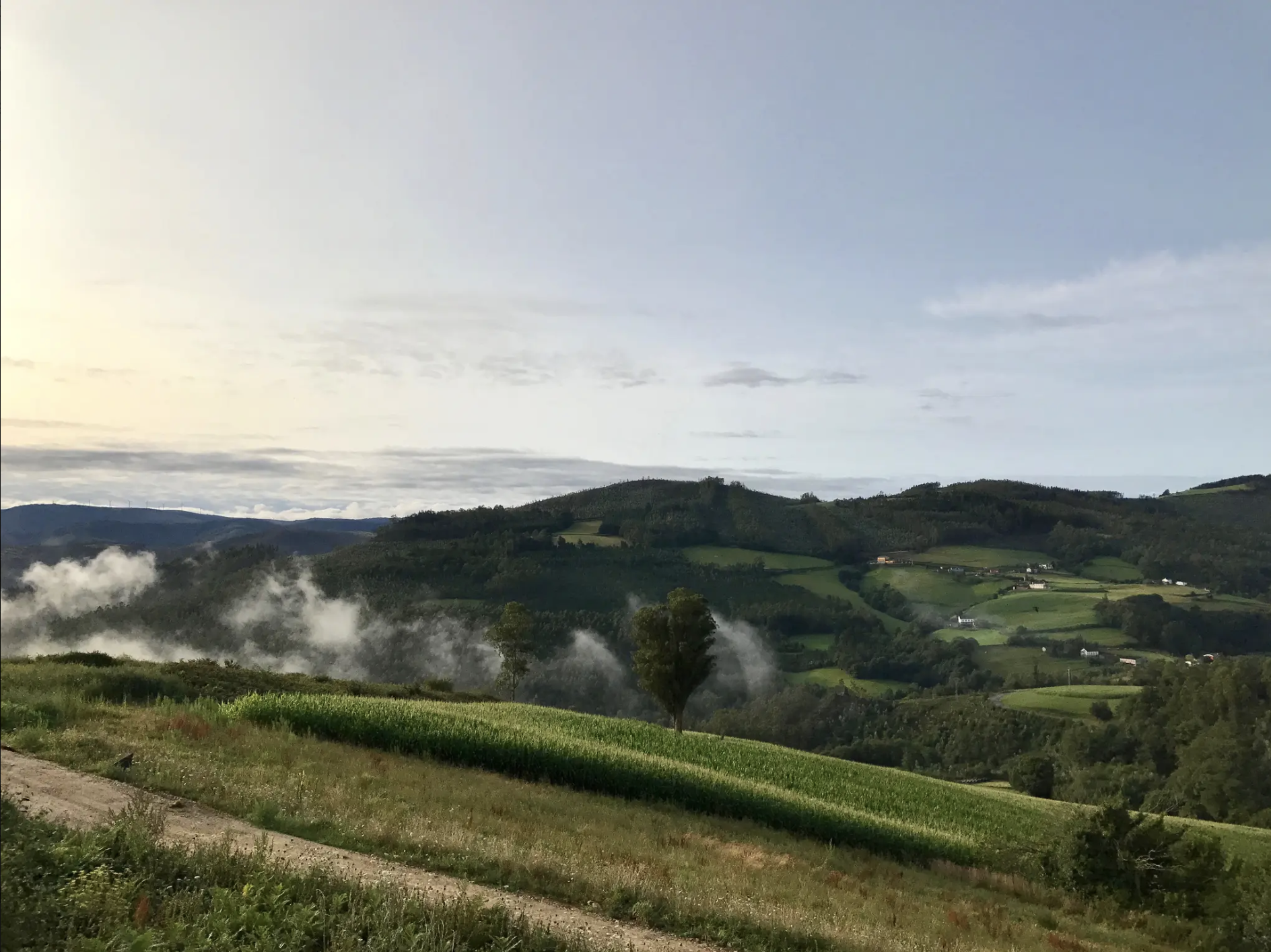
북부 스페인의 놀라운 해안선 발견 - Camino del Norte (역방향)
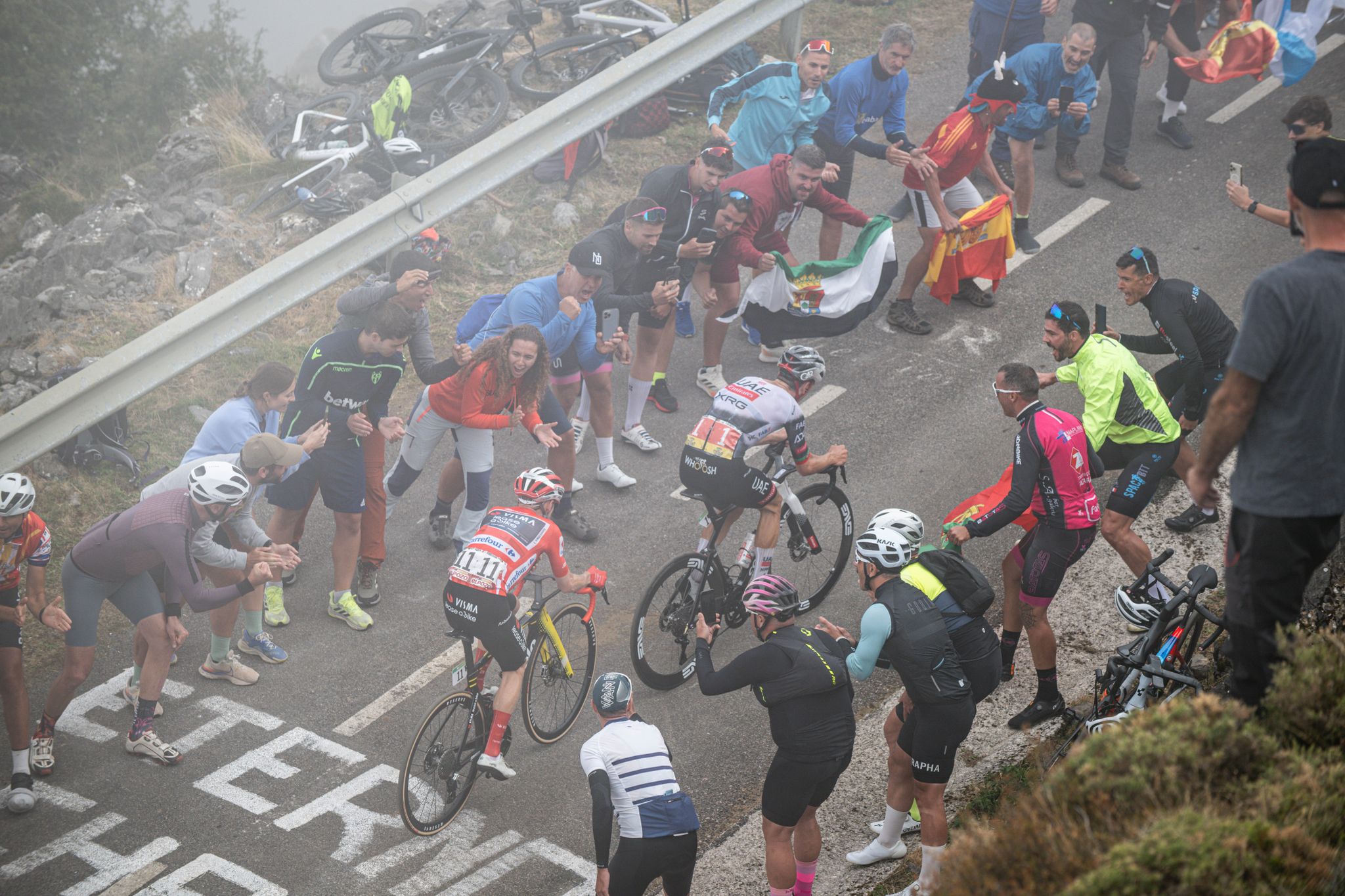
Mythical Passes and Sections of La Vuelta
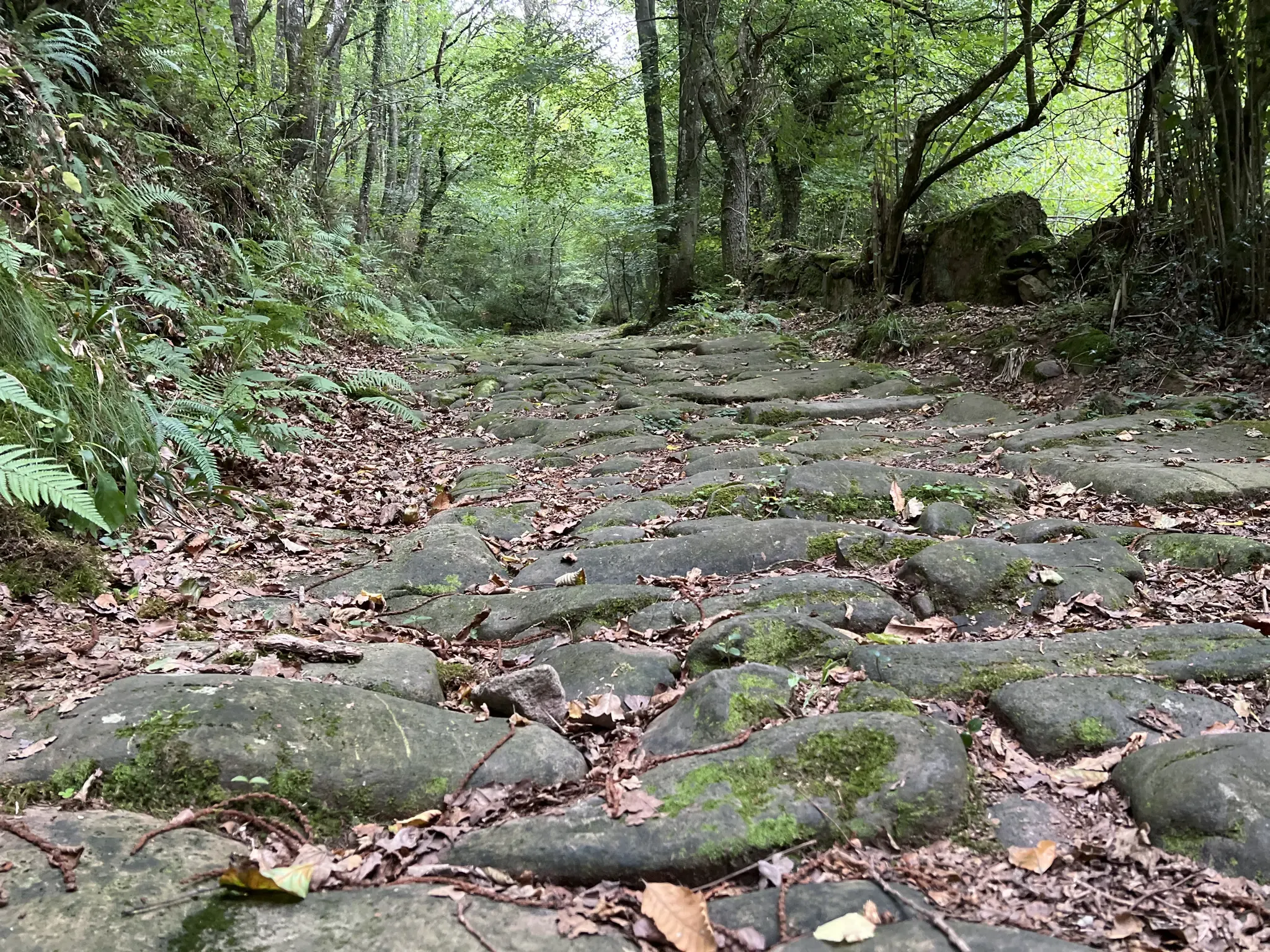
La Calzada de los Blendios (GR 73) — 고원에서 바다까지
칸타브리아 산맥의 다른 모험


커뮤니티 팁

코바돈가 성스러운 동굴은 마법 같은 장소입니다. 아래에서 보면 작은 예배당이 탁 트인 동굴 안에 그림처럼 지어져 있습니다. 위에 올라가면 아름다운 성모 마리아상에 시선이 사로잡혀 작은 예배당 건물에는 거의 신경 쓰지 않게 됩니다. 시간을 갖고 자리가 있다면 벤치에 앉아 잠시 휴식을 취하십시오. 동굴 안에서는 사진 촬영이 금지되어 있지만, 대부분의 방문객은 이를 개의치 않고 사진을 찍습니다. 저도 마찬가지입니다. 하지만 다른 방문객들이 경건하게 벤치에 앉아 있는 동안 성모 마리아상 앞의 울타리 앞에서 포즈를 취하는 것은 최소한 피해야 합니다. 서두르지 말고 동상과 예배당 사진을 재빨리 찍고 물러나십시오. 그 이상은 필요하지 않다고 생각합니다. 이 장소의 마법을 망치지 마십시오!
0
0

안쪽은 매우 가파르게 오르막이며 아무데도 나오지 않습니다
0
0


The hermitage's surroundings are impressive, with rock formations dating back millions of years. The route to the hermitage is ideal for hiking and nature lovers, offering spectacular views and a unique experience. 😊
1
0
The Hermitage of the Virgin of Manadero is a rock sanctuary located in Piedrasecha, León. It is located in the Cueva de las Palomas, a place of great natural and spiritual beauty. The hermitage is dedicated to the Virgin of Manadero and is a point of interest on the Desfiladero de los Calderones route.
1
0
The route begins in the village of Piedrasecha and passes several points of interest, such as the Manadero spring and the Cueva de las Palomas, where the shrine of the Virgen del Manadero is located. The gorge is known for its natural beauty and its geological, biological, and scenic value.
2
0
The Calderones Gorge is located in Piedrasecha, in the province of León. It's a spectacular hiking trail that traverses a gorge so narrow that in several sections you can touch both rock faces just by stretching out your arms.
2
0
The Playa de las Catedrales, known in Galician as Praia das Catedrais, is an impressive natural monument located on the coast of the province of Lugo, in Galicia, Spain. Its official name is Playa de Aguas Santas, but it is popularly known as Playa de las Catedrales due to the appearance of its cliffs, which are reminiscent of the arches and vaults of a cathedral.
8
0


