키르크로스 최고의 MTB 라이딩 경로
4.6
(82)
332
자전거 타는 사람
47
라이딩
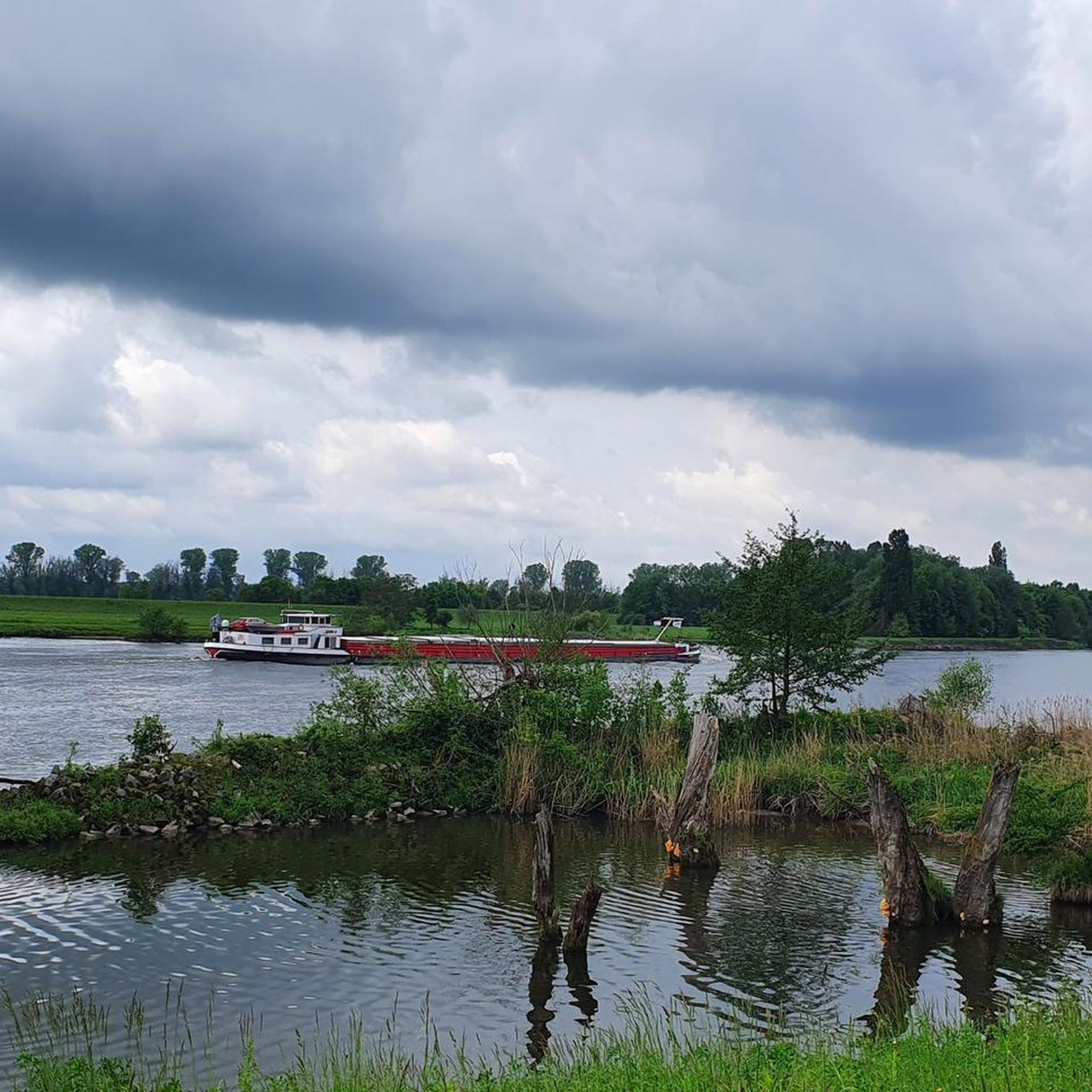
Kirchroth 주변의 산악자전거 코스는 그림 같은 숲과 완만한 언덕이 특징인 다양한 지형을 제공합니다. 이 지역의 풍경은 도나우 강과 그 범람원으로 형성되어 다양한 트레일 환경을 제공합니다. 라이더들은 고요한 숲길과 강변길을 따라 구불구불 이어지는 코스를 탐험할 수 있습니다. 이 지역은 완만한 경사부터 더 도전적인 오르막까지 다양한 고도 변화를 특징으로 합니다.
Kirchroth 주변 최고의 산악자전거 코스
- 가장 인기 있는 산악자전거 코스는 Goldsteig Singletrail Section – Trail 8: Rooty Fun at Büscherl loop from Kirchroth로, 30.5km(19.0마일) 길이이며 완료하는 데 2시간 31분이 걸립니다. 이…
마지막 업데이트: 8월 28, 2026
4.2
(14)
46
자전거 타는 사람
31.5km
02:27
510m
510m
보통 산악 자전거 타기. 좋은 체력 필요. 실력과 관계없이 누구나 갈 수 있음.
4.2
(5)
22
자전거 타는 사람
27.6km
02:07
570m
570m
보통 산악 자전거 타기. 좋은 체력 필요. 실력과 관계없이 누구나 갈 수 있음.

무료 회원 가입
4.7
(6)
14
자전거 타는 사람
23.5km
01:54
500m
500m
보통 산악 자전거 타기. 좋은 체력 필요. 실력과 관계없이 누구나 갈 수 있음.
4.6
(7)
16
자전거 타는 사람
29.3km
02:16
510m
510m
보통 산악 자전거 타기. 좋은 체력 필요. 실력과 관계없이 누구나 갈 수 있음.
5.0
(9)
10
자전거 타는 사람
22.0km
01:38
420m
420m
보통 산악 자전거 타기. 좋은 체력 필요. 실력과 관계없이 누구나 갈 수 있음.
더 다양한 경로와 다른 탐험가들의 추천을 살펴보세요.
무료 회원 가입
이미 komoot 계정이 있나요?
투어 추천은 다른 사람들이 komoot에서 완료한 수천 개의 활동을 바탕으로 구성되어 있습니다.
오늘 무료 계정으로 시작하세요
다음 모험이 기다리고 있어요.
로그인 또는 가입하기
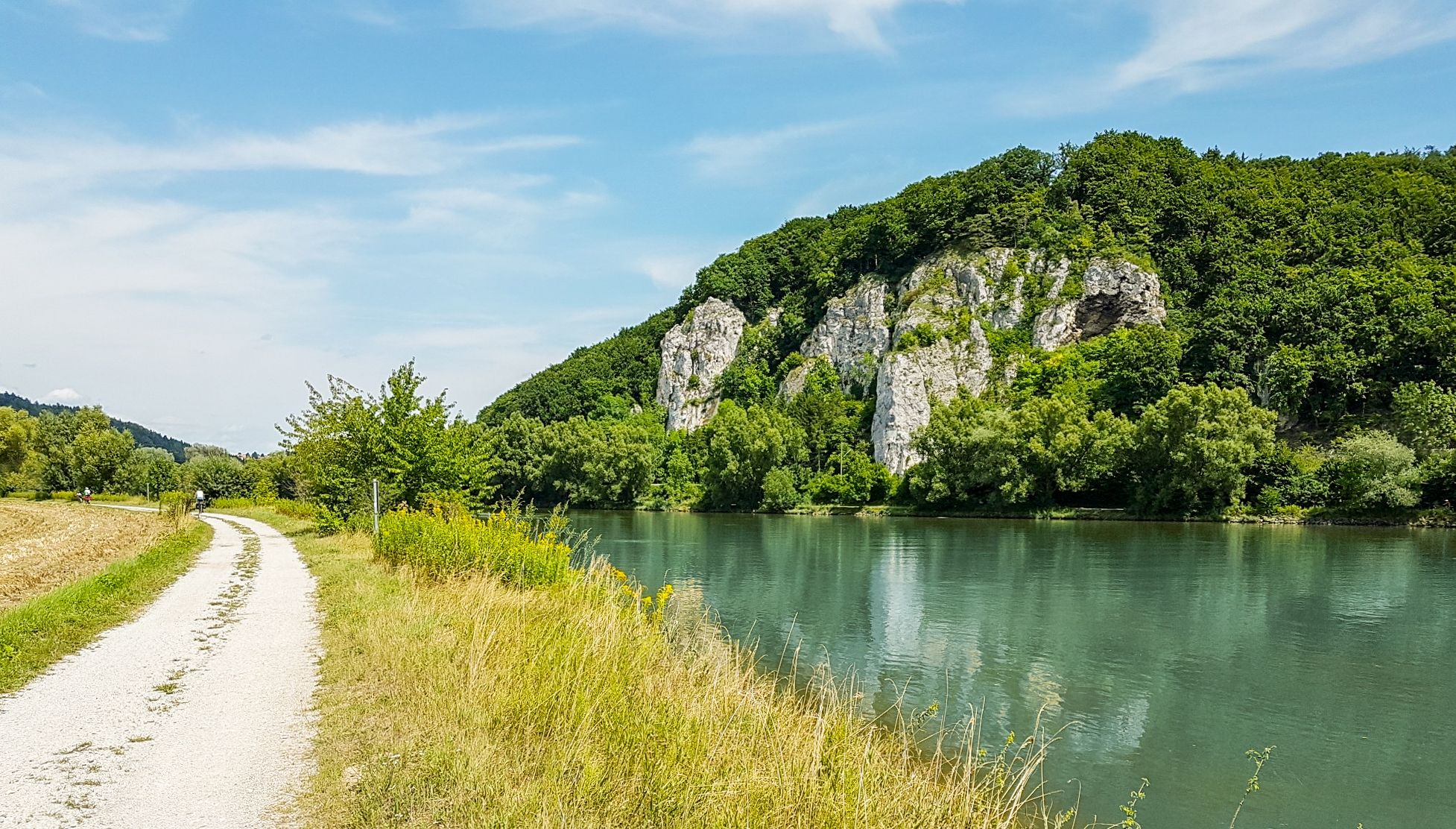
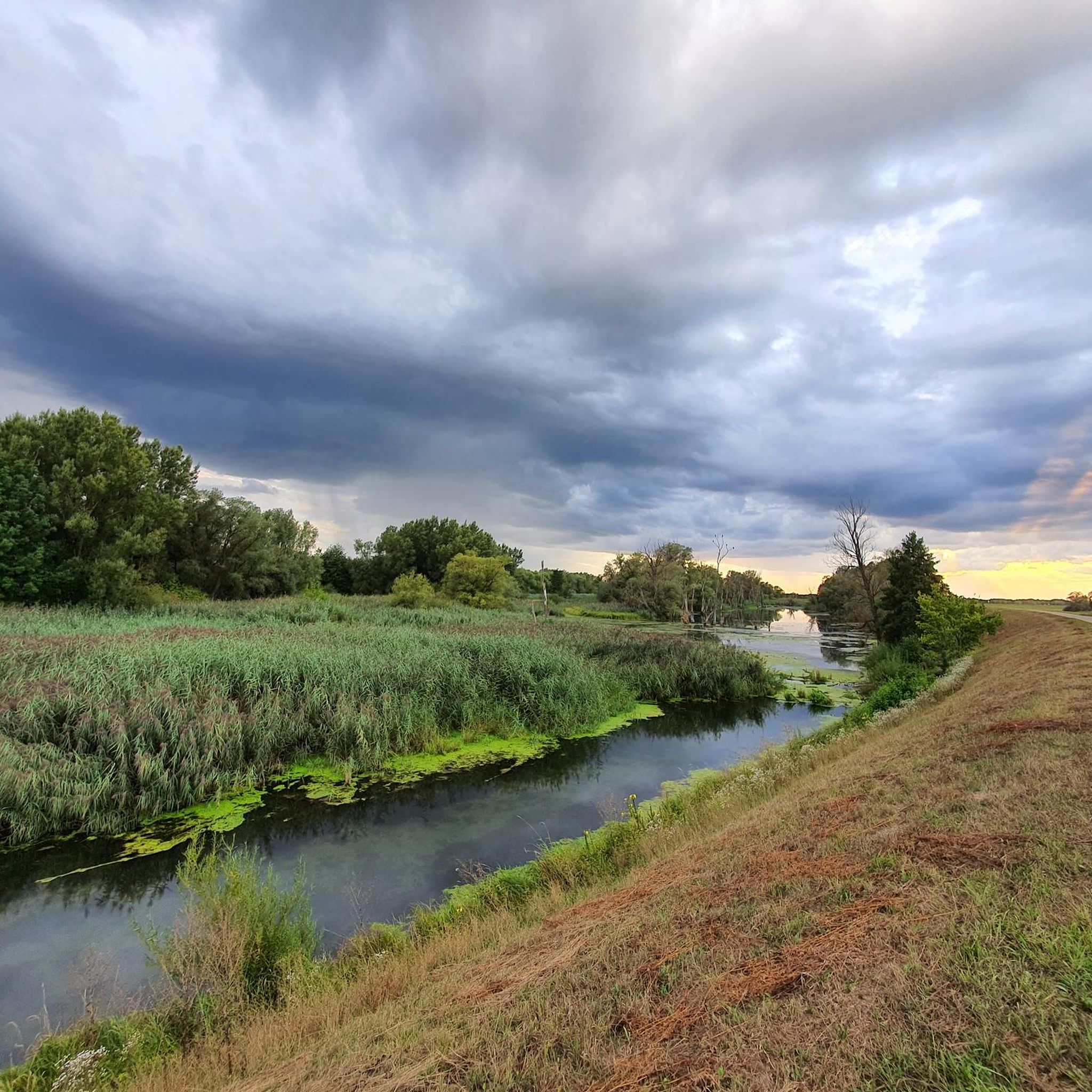
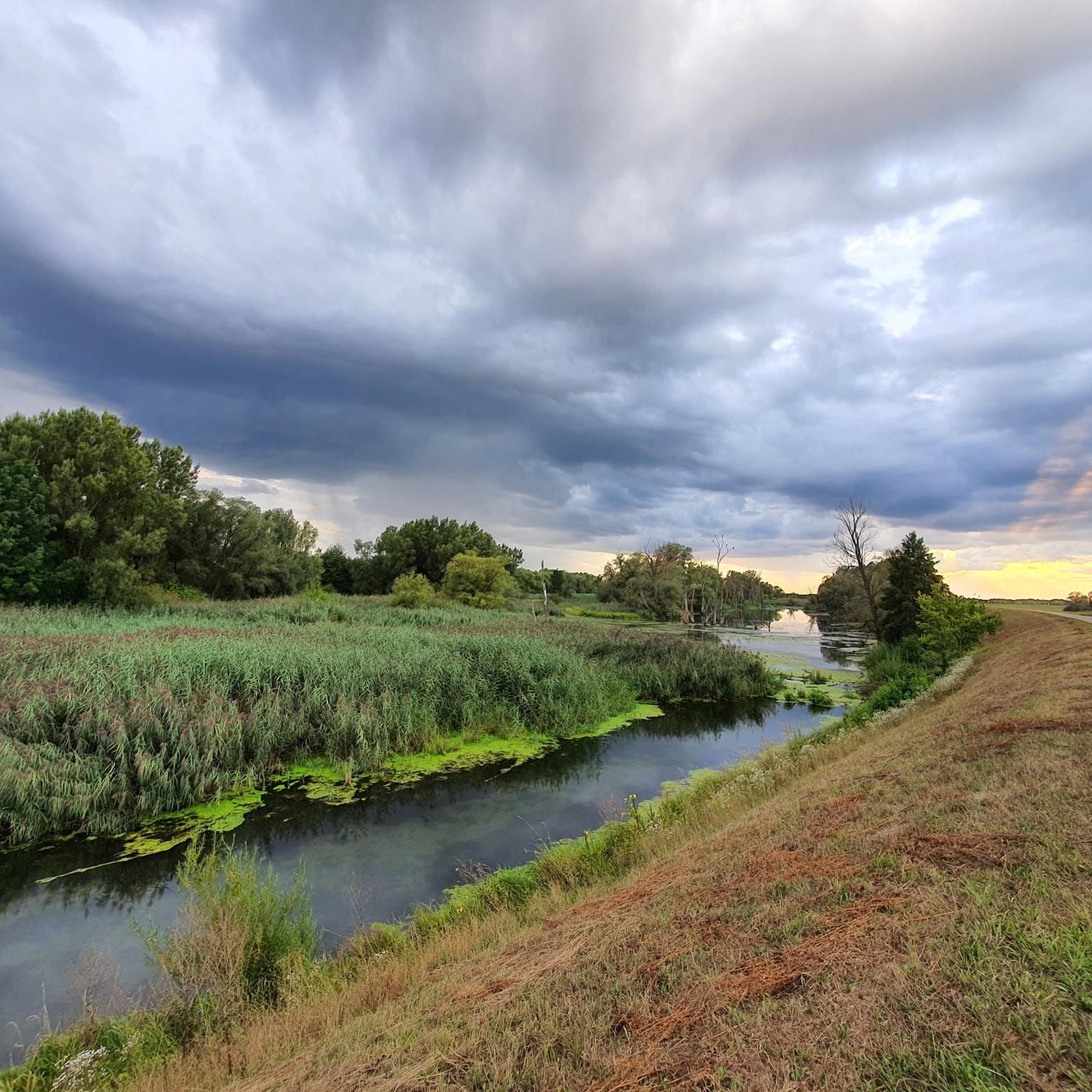
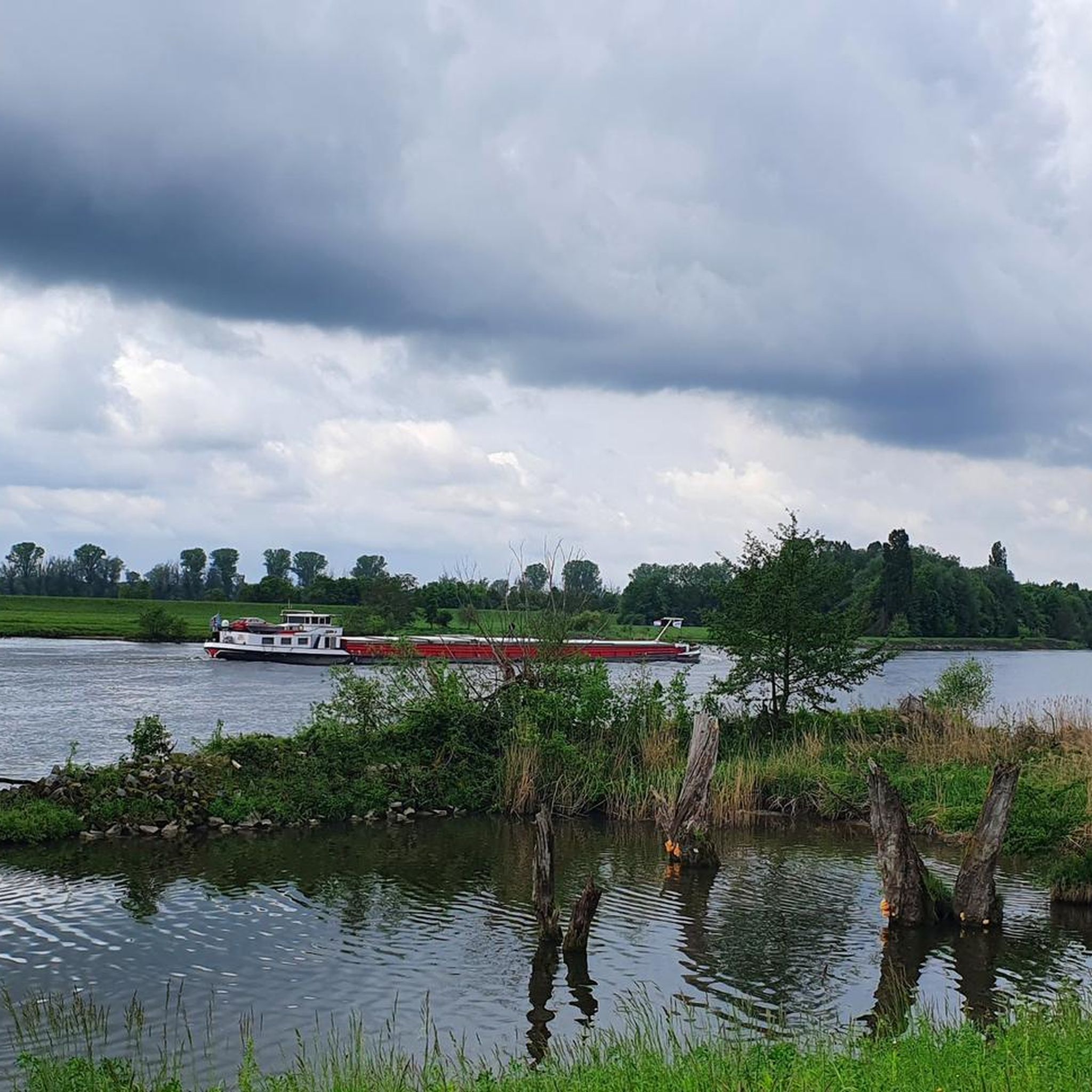

커뮤니티 팁


Pilgrimage Church of St. John Called "St. John by the Oak", the first beginnings were probably a wayside cross or a small chapel as a resting place for the carters on the old road that led from Italy across the Danube to Bohemia. In 1664 it was mentioned as a small chapel with a portable altar that had been desecrated by the Swedes during the Thirty Years' War. The current church is an attractive baroque building from around 1721, very nicely situated next to a small property. The nave has three window axes and a flat ceiling. The slightly recessed choir of one bay closes off on three sides. Tuscan pilasters structure the entire room. The west gallery with a curved parapet is supported by two wooden columns. The west portal has a straight lintel. The square projecting west tower stands in the central axis; the top of its three floors has bevelled corners and a shingled onion dome. The portal vestibule has a cross vault. A beautiful frame stucco from the time the church was built has been applied to the nave ceiling. The high baroque altar dates from 1729, with two straight and two twisted columns, between them the altarpiece of the Baptism of Christ by John, created around 1670. In the elevator between volute pilasters is the image of the Immaculata, framed by acanthus carvings. The antependium has foliage carvings. The early baroque side altars were made in 1609 in the Windberg monastery and bought at auction for St. Johann in 1803. Two columns flank each shell niche. In the niches on the left are Mary with the child on a crescent moon, in the elevator St. Anne Selbdritt; on the right St. Sebastian, in the elevator St. Florian. The originals of the elevator figures were stolen in the 1960s. The confessional is a stylish baroque creation from the beginning of the 18th century. Major restorations took place in 1879, 1968 and 1985. The current organ comes from Haunkenzell and was installed in 2004. The roof structure and interior were completely restored from 2009 to 2011. Source: Extracts from information boards and pilgrimage churches in the diocese of Regensburg
2
0
St. Joseph's Castle Chapel Built on medieval castle walls and dedicated to St. George as a castle chapel. In 1693 a new building was built in honor of the Holy Family, especially St. Joseph, with the founding of a St. Joseph's Brotherhood by Baroness Theresia von Weichs. Devastated by fire in 1807, the church was rebuilt with changes. In 1888, the tower and roof structure burned out again due to a lightning strike, and the tower was given a crenellated crown when the new building was built. In 1897, it was expanded to its current size with neo-baroque interior design. In 1967, the church was completely remodeled, with the ceiling and roof structure being renewed and the interior redesigned. From 1991 to 1993, it was renovated again, restoring the original condition and returning the late baroque altar and the figures of saints. The renovated church and the people's altar were consecrated on March 21. Source: information board
2
0
Falkenfels Castle Around 1100, the Counts of Bogen built the castle on the rock that slopes steeply on three sides. From 1232, the Knights of Hohenfels ruled the castle, and from 1400, the Falkensteiners of Falkenfels. In 1331, “Valkenfelss” is mentioned in a copy from the 15th century as a landed estate. In 1425, the castle came into the possession of the Frauenbergers and remained so until their extinction in 1480. The castle was plundered by the Hussites in 1425 and conquered by troops of Duke Albrecht IV in the Böckler War in 1468. The Frauenbergers were followed by the Paulsdorfers. In the Löwler War, the castle was besieged for a week in 1492 and burned down after the capitulation on June 8, 1492, but was then rebuilt by Hans von Paulsdorf. In 1525, the property passed to the Seyboltstorffer family through marriage. From 1607 to 1796, the noble family of Barons von Weichs owned Falkenfels Castle. In the Thirty Years' War, the castle was set on fire by the Swedes in 1641, but was then rebuilt. On April 15, 1796, Josef Maria von Weichs sold Falkenfels and the associated manorial estates to Baron Gabriel von Buchstetten for 320,000 guilders. In 1807, the castle was again burned down, but was rebuilt. After the end of the Falkenfels manorial estate, the castle economy was destroyed in 1820. In 1821, the Lang family acquired the castle and set up a brewery here, which lasted until 1934. In 1925, a fire destroyed large parts of the complex, after which it was only partially rebuilt. From 1919 to 1950, the castle belonged to the Schimmelmann family. On May 8, 1951, the furniture manufacturer Franz Xaver Baier from Straubing bought the castle and converted it into a hotel with a restaurant. The castle was also increasingly used as a conference and congress building. Since 2001, the castle has belonged to the publisher Udo Sieber. Falkenfels Castle was originally surrounded by two terraced ring walls, one above the other. Today, the fortifications are only preserved on the north side. Approximately in the middle of the east side is the keep from the 13th century, the battlements are from a later period. The baroque castle chapel of St. Joseph was built in the 17th century on medieval foundations. It contains gravestones of Falkenfels castle lords. The outer areas of Falkenfels Castle are freely accessible, otherwise it serves as a castle hotel and restaurant. Source: Excerpts from www.wikipedia.de
3
0

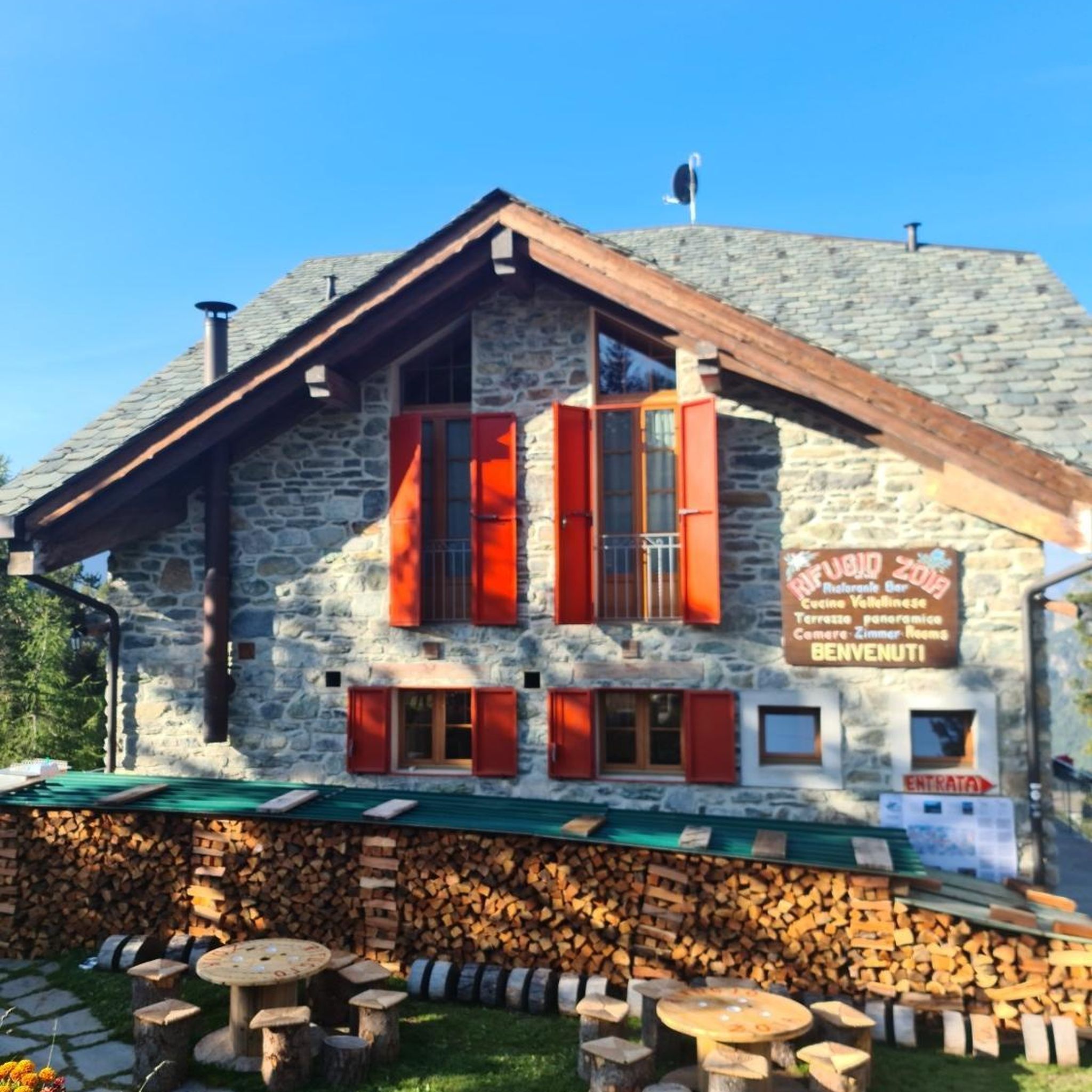
Wind turbines are always worth a trip afterwards you can take a break at the Schiederhof
0
0
자주 묻는 질문
키르크로트 주변에 산악자전거 코스가 얼마나 있나요?
키르크로트에는 40개 이상의 다양한 산악자전거 코스가 있습니다. 초급부터 고급까지 다양한 난이도로 모든 수준의 라이더를 만족시킬 수 있습니다.
키르크로트 주변 산악자전거 코스에서 어떤 지형을 예상할 수 있나요?
키르크로트 주변 지형은 그림 같은 숲, 완만한 언덕, 다뉴브 강 범람원 구간 등 다양합니다. 부드러운 경사와 더 도전적인 오르막 구간이 혼합되어 있으며, 키르크로트 출발 - 골드슈타이크 싱글트랙 구간 – 트레일 8: 뷔스허를 루프의 뿌리 있는 재미와 같은 코스는 다양한 표면의 기술적인 구간을 제공합니다.
키르크로트에 숙련된 라이더를 위한 도전적인 산악자전거 코스가 있나요?
네, 숙련된 라이더를 위한 도전적인 코스가 있습니다. 예를 들어, 키르크로트 출발 - 순례길 싱글트랙 – 갈너 루프의 성 식스투스 교회는 상당한 고도 상승이 있는 45.7km의 어려운 코스로, 다양한 싱글트랙 지형을 통과합니다.
키르크로트에서 가족 친화적인 산악자전거 코스를 찾을 수 있나요?
키르크로트의 많은 산악자전거 코스는 다양한 지형과 고도를 포함하지만, 더 쉬운 옵션도 있습니다. 다뉴브 자전거 도로와의 근접성 또한 가족에게 적합한 편안한 라이딩 기회를 제공하지만, 이는 전용 산악자전거 코스가 아닐 수 있습니다.
산악자전거 코스를 따라 경치 좋은 전망대나 자연 명소가 있나요?
많은 코스에서 다뉴브 강과 그 풍경의 멋진 전망을 제공합니다. 또한 오래된 다뉴브 팔의 보겐베르크 또는 슈미더 아우 다뉴브 습지와 같은 자연 명소를 찾을 수 있습니다. 오버미트나흐 출발 - 쉬더호프 숲속 여관 – 발트 풍력 발전소 쉬더호프 루프는 경치 좋은 전망이 있는 풍력 발전소를 지나기도 합니다.
트레일 근처에서 방문할 수 있는 역사 유적지나 성이 있나요?
네, 키르크로트 지역은 역사 유적지가 풍부합니다. 뵈르트 안 데어 도나우 성, 미터펠스 성 또는 스트라우빙 공작 성과 같은 인상적인 건축물을 탐험할 수 있습니다. 근처의 보겐베르크에는 중요한 순례 교회도 있습니다.
키르크로트에서 산악자전거 코스 주차는 어디서 찾을 수 있나요?
특정 주차 정보는 출발 지점에 따라 다릅니다. 키르크로트 또는 오버미트나흐에서 시작하는 많은 코스는 일반적으로 근처에 지정된 주차 공간이 있습니다. 정확한 출발 지점과 주차 추천을 위해 komoot에서 개별 코스 세부 정보를 확인하는 것이 좋습니다.
키르크로트에서 산악자전거 타기 가장 좋은 시기는 언제인가요?
키르크로트에서 산악자전거 타기에 가장 좋은 조건은 일반적으로 봄, 여름, 가을입니다. 날씨는 보통 온화하고 트레일은 건조합니다. 겨울철에도 라이딩이 가능할 수 있지만, 눈이나 얼음 때문에 조건이 어려울 수 있습니다.
키르크로트에서 산악자전거를 탈 수 있는 루프 코스가 많이 있나요?
네, 키르크로트의 많은 산악자전거 코스는 루프 형태로 설계되어 같은 지점에서 시작하고 끝낼 수 있습니다. 예를 들어, 키르크로트 출발 - 골드슈타이크 싱글트랙 구간 – 트레일 8: 뷔스허를 루프의 뿌리 있는 재미와 운터미트나흐 출발 - 슈베덴샨체(800m) – 쉬더호프 숲속 여관 루프가 있습니다.
키르크로트 트레일에 대한 다른 산악자전거 라이더들의 의견은 어떤가요?
키르크로트의 산악자전거 코스는 komoot 커뮤니티에서 높이 평가받고 있으며, 60개 이상의 리뷰에서 평균 4.7점의 평점을 받았습니다. 라이더들은 종종 다양한 지형, 그림 같은 숲 구간, 그리고 흥미로운 싱글트랙 경험을 칭찬합니다.
트레일 근처에서 라이딩 후 식사나 숙박 옵션이 있나요?
네, 키르크로트와 스트라우빙, 보겐과 같은 인근 마을에는 다양한 편의 시설이 있습니다. 라이딩 후 휴식을 취할 수 있는 레스토랑, 카페, 펍을 찾을 수 있습니다. 또한 숙박 옵션도 있어 체류 기간을 연장하려는 분들에게 적합합니다.
키르크로트의 산악자전거 코스의 일반적인 소요 시간과 거리는 어떻게 되나요?
키르크로트의 산악자전거 코스는 소요 시간과 거리가 상당히 다양합니다. 짧은 라이딩도 찾을 수 있지만, 많은 인기 있는 트레일은 20km에서 45km 이상이며, 코스와 속도에 따라 2.5시간에서 4시간 이상 소요됩니다. 예를 들어, 오버미트나흐 출발 - 쉬더호프 숲속 여관 – 트레일 8: 뷔스허를 루프의 뿌리 있는 재미는 약 31.7km이며 약 2시간 45분이 소요됩니다.
키르크로스 주변에서 가장 인기 있는 명소


더 살펴보기
다른 지역의 최고의 MTB 트레일를 살펴보세요.
