오드 에벌리에서 가장 멋진 20개의 천연기념물
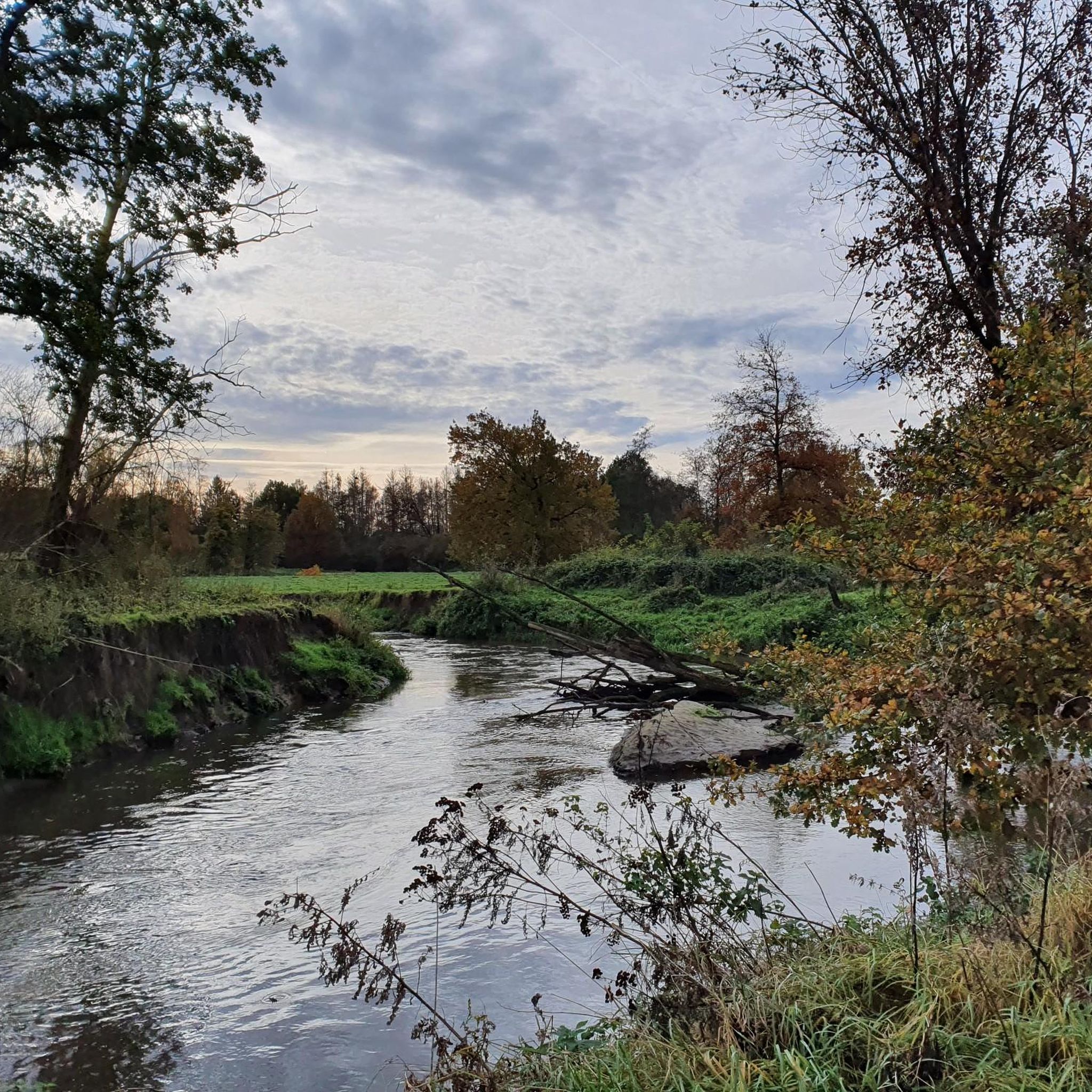
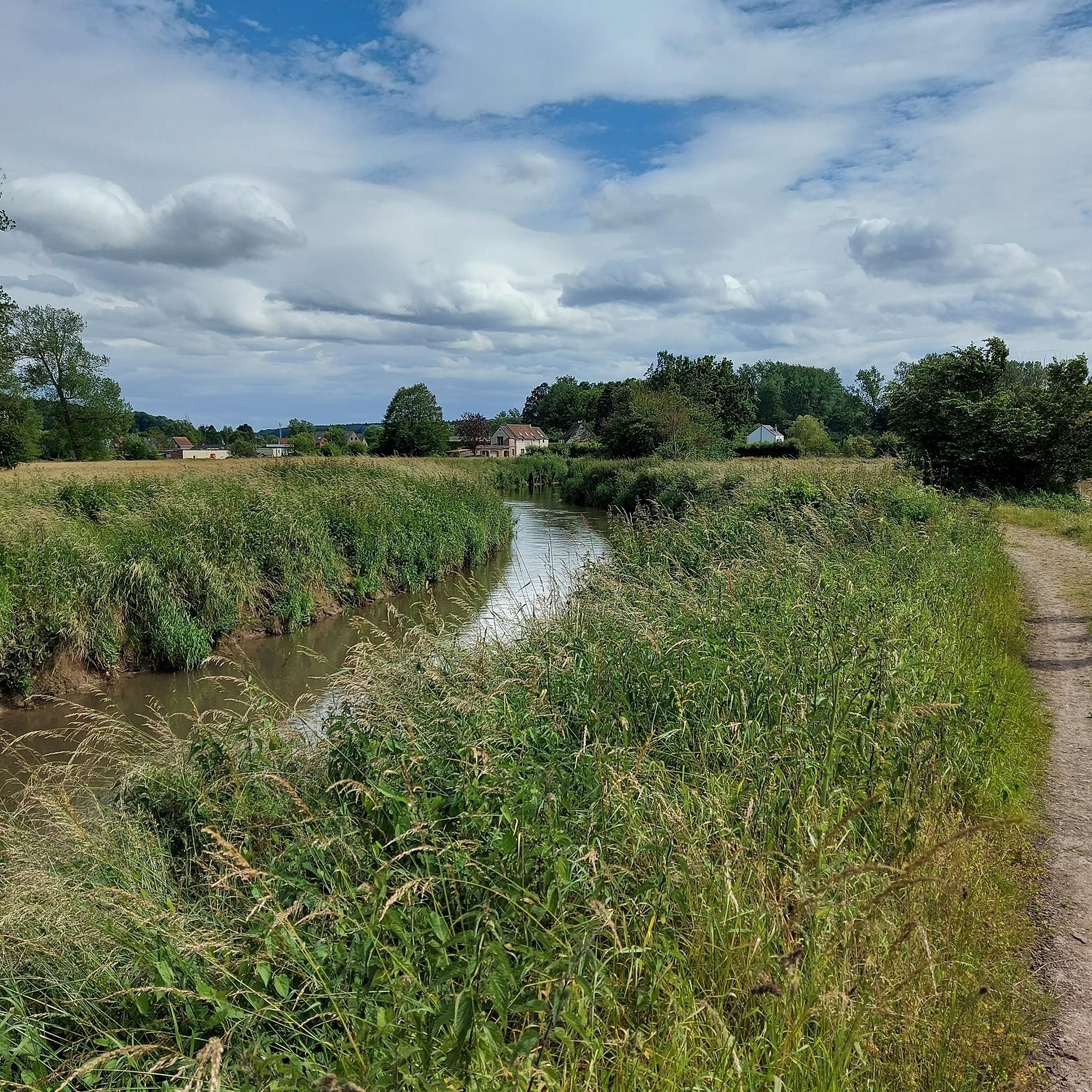
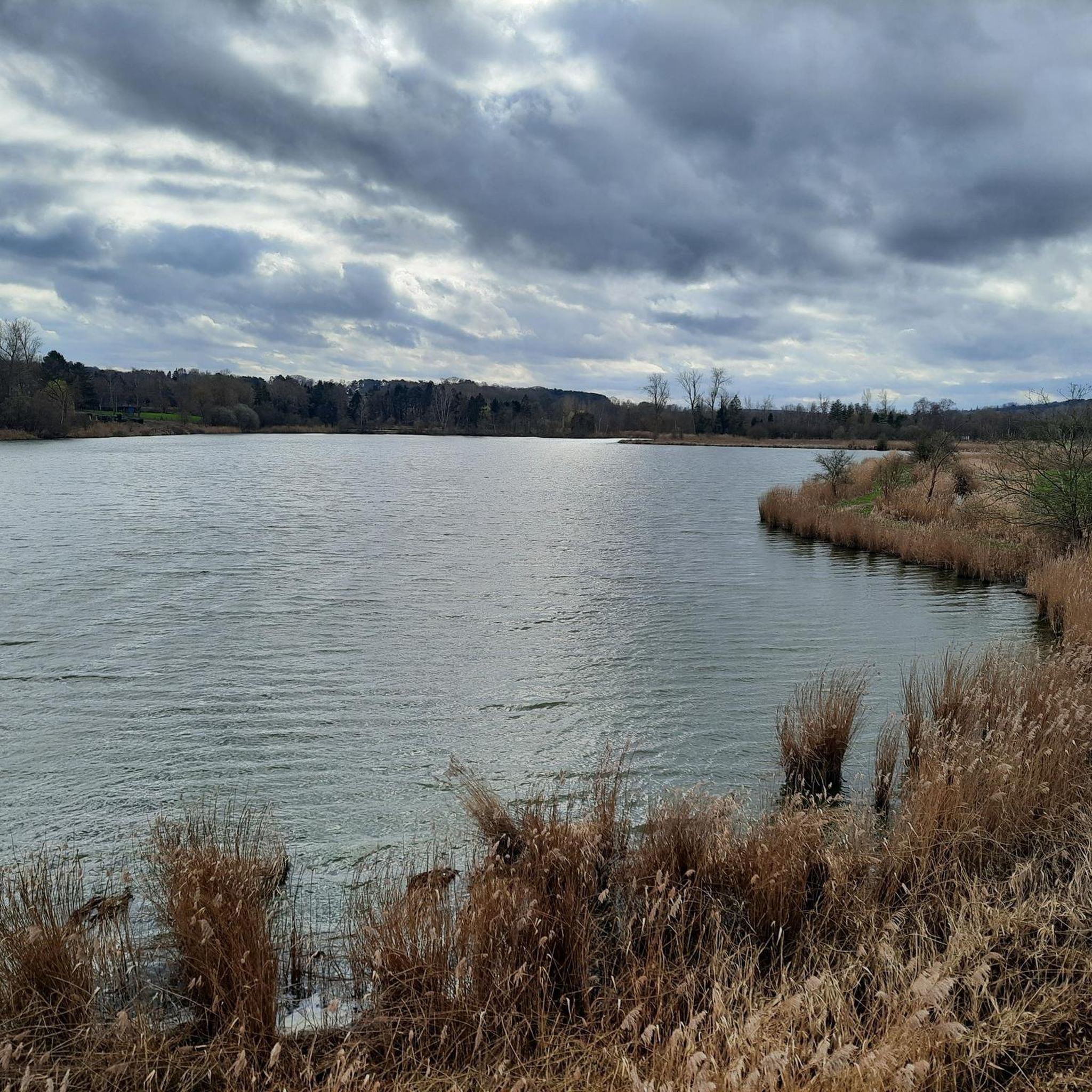
최고의 자연 기념물은 Oud-Heverlee 주변의 Brabantse Wouden에 위치하며 다양한 자연 경험을 제공합니다. 이 지역은 광활한 숲, 구불구불한 강, 고요한 연못을 특징으로 하며 풍부한 생물 다양성을 자랑합니다. 방문객들은 울창한 삼림 지대부터 습지 생태계에 이르기까지 다양한 풍경을 탐험할 수 있습니다. 이 지역은 자연 경관 속에서 야외 활동을 즐길 수 있는 기회를 제공합니다.
Oud-Heverlee 주변 최고의 자연 기념물
- 가장 인기 있는 자연 기념물은 전 세계 400종 이상의 나무를 보유한 숲인 테르뷔렌 지리 수목원입니다. 이 수목원은 일출부터 일몰까지 무료로 이용 가능하며 독특한 식물학적…
마지막 업데이트: 8월 20, 2026
테르뷔렌 지리 수목원
하이라이트 • 숲
번역자 Google •
팁에 의해

스틴베르헨의 성모 예배당과 민네브론
하이라이트 • 종교적 장소
번역자 Google •
팁에 의해

이런 장소를 발견하려면 지금 가입하세요
최고의 싱글 트랙, 봉우리 및 다양한 흥미로운 야외 장소에 대한 추천을 받아보세요.
무료 회원 가입
뒤스부르흐의 돌멘스테인(제벤스터, 조니엔숲)
하이라이트 • 자연 기념물
번역자 Google •
팁에 의해
메에르달숲과 헤베를레숲
하이라이트 • 숲
번역자 Google •
팁에 의해

크루이드투인 루벤 (루벤 식물원)
하이라이트 • 자연 기념물
번역자 Google •
팁에 의해

무료로 가입하여 오드 에벌리 주변의 더 많은 자연 기념물을 발견하세요.
무료 회원 가입
이미 komoot 계정이 있나요?



커뮤니티 팁


근처에는 매우 건강에 좋은 물을 길을 수 있는 샘이 있습니다.
1
0
어떤 길을 택할지 잘 살펴보세요. 이 로터리에서는 어느 방향으로든 갈 수 있습니다.
0
0

The Duisburg Dolmen Stone is a large historical erratic boulder in Duisburg (a district of Tervuren). It is often associated with prehistoric rituals and may have been part of an ancient burial monument (dolmen), although this has not been proven with certainty. The stone is primarily considered a local archaeological and folklore monument, commemorating the very early settlement of the region.
3
0

The first botanical garden of Leuven (a "pharmaceutical plant garden") was built from 1738 onwards under the impetus of Professor Hendrik Rega (1690-1754) on a site between the Dijle and the Voer rivers, where municipal school for girls number 3 was later built. The only thing you can still see of it (Minderbroedersstraat number 50): the gate. The second botanical garden—and the current one—was created by the Leuven landscape architect Guillaume Rosseels (1769-1832), under the direction of the German botanist Professor J.F. Adelman. Based on a design by Charles Vander Straeten (1771-1834), court architect to the Prince of Orange. From 1821 to 1823, the gatehouse with the gardener's cottage, the orangery with greenhouses, and a surrounding wall were built in a strict classical style. In 1835, the state university ceded the botanical garden to the city of Leuven, which has since been called the "Municipal Botanical Garden." The garden's layout was already modified in 1838 to allow for greater plant diversity; the symmetry of the flowerbeds at the foot of the orangery partially disappeared. The orangery itself was also repeatedly renovated. In In 1984, the tropical greenhouse (1880) east of the orangery was replaced by a larger one, allowing it to better accommodate the garden's evolving function: from a scientific herb garden to a recreational botanical garden. In the same vein, the botanical garden was recently expanded to include an area behind the former Marollen Monastery (Kapuchijnenvoer 32), where an orchard and a sunken garden with a Victorian greenhouse were created. Inventory of Immovable Heritage: Urban botanical garden, https://id.erfgoed.net/erfgoedobjecten/42252
7
0

A change of scenery guaranteed...but also a sad observation...global warming is causing terrible damage to certain species of trees...visit this arboretum quickly before many trees die 😩😩😩
1
0

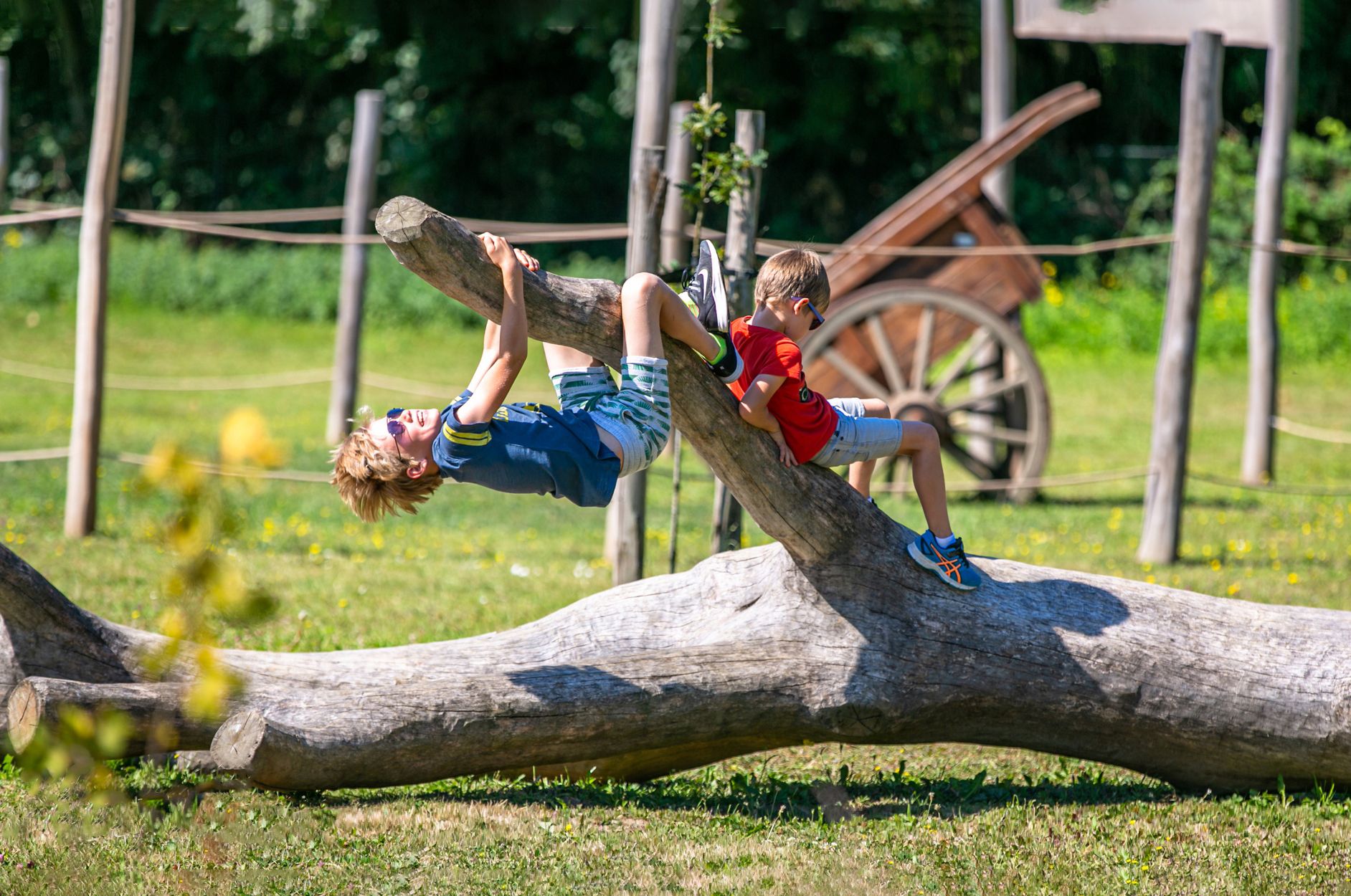
Nice location because you can imagine yourself in different parts of the world by the large number of exotic trees that were planted here sorted by their habitat. This allows you to walk from the West Coast of America to China through the different forests that were planted to imitate nature there as closely as possible.
1
0

In 1652, in the middle of the Meerdaalwoud, Lord van Steenbergen had a chapel built on the site where there had previously been a miraculous statue of Mary who cured people suffering from marsh fever.
3
0
오드 에벌리 주변에서 가장 인기 있는 명소


더 살펴보기
오드 에벌리 주변의 최고의 동굴을 찾기 위해 이 가이드를 확인해보세요:
