걸에서 가장 멋진 11개의 동굴
성을 방문하는 건 언제나 특별한 일이에요. 하이킹을 하다가 잠깐 들를 때도, 가이드를 따라 제대로 둘러볼 때도 말이죠. 걸에 있는 아름다운 성 11
곳을 아래에서 살펴본 후에 마음에 드는 성을 다음 모험 때 만나보세요!
마지막 업데이트: 7월 29, 2026
인스브루크 호프부르크
하이라이트 • 성
In 1500 the Hofburg Innsbruck was completed under Emperor Maximilian I (1459-1519). It already had the same dimensions as today and was captured by Albrecht Dürer as a …
번역자 Google •
팁에 의해


이런 장소를 발견하려면 지금 가입하세요
최고의 싱글 트랙, 봉우리 및 다양한 흥미로운 야외 장소에 대한 추천을 받아보세요.
무료 회원 가입
암브라스 성 인스브루크
하이라이트 • 성
Ambras Castle, Innsbruck, is one of Austria's most important sights and the top day trip destination in Tyrol.
Visit the world's first museum preserved in its original …
번역자 Google •
팁에 의해

무료로 가입하여 걸 주변의 더 많은 성을 발견하세요.
무료 회원 가입
이미 komoot 계정이 있나요?
오늘 무료 계정으로 시작하세요
다음 모험이 기다리고 있어요.
로그인 또는 가입하기
걸 주변 인기 장소
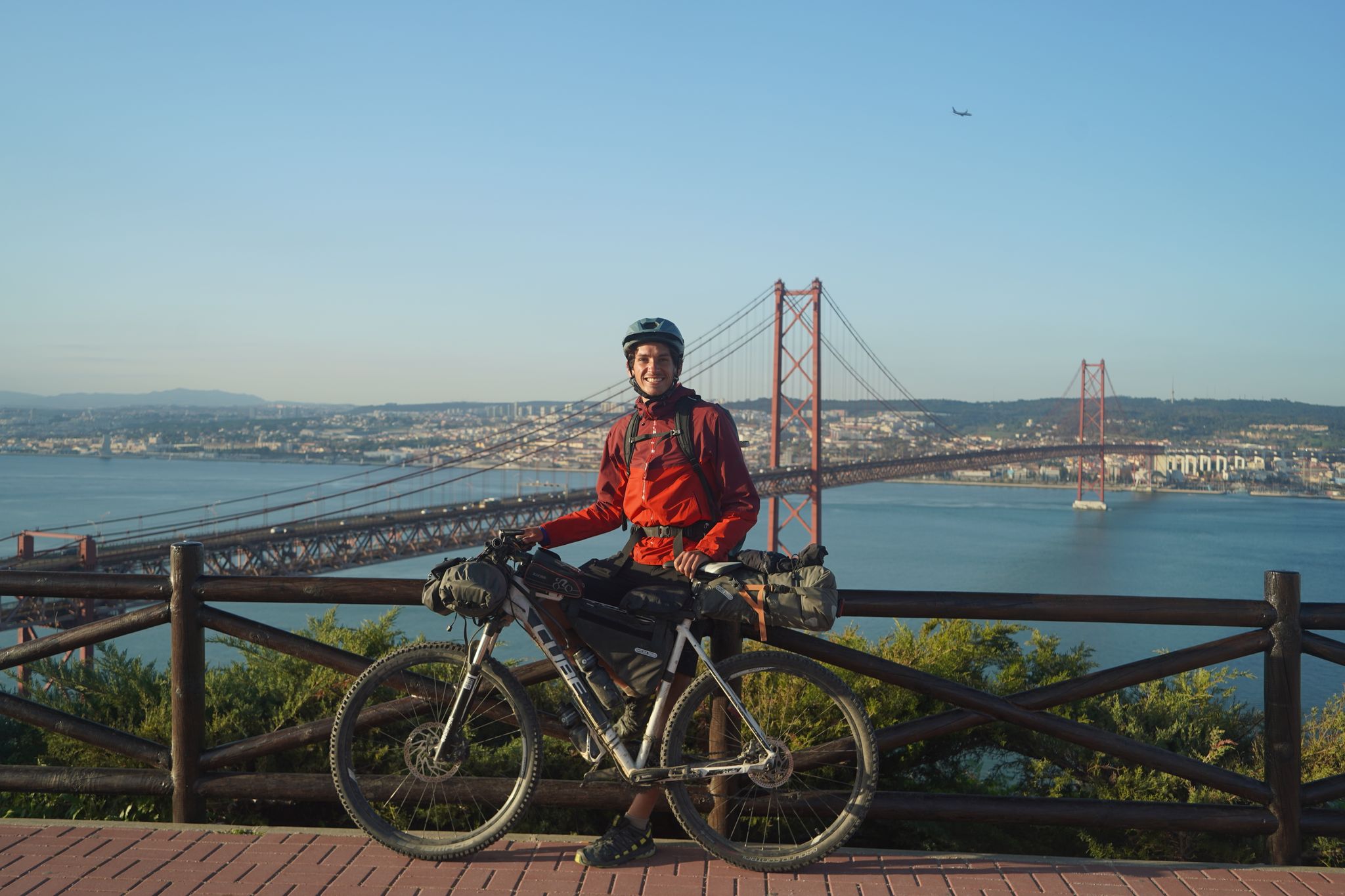
리스본으로 가는 길 – 알프스, 피레네, 피코스 데 에우로파를 바이크 패킹
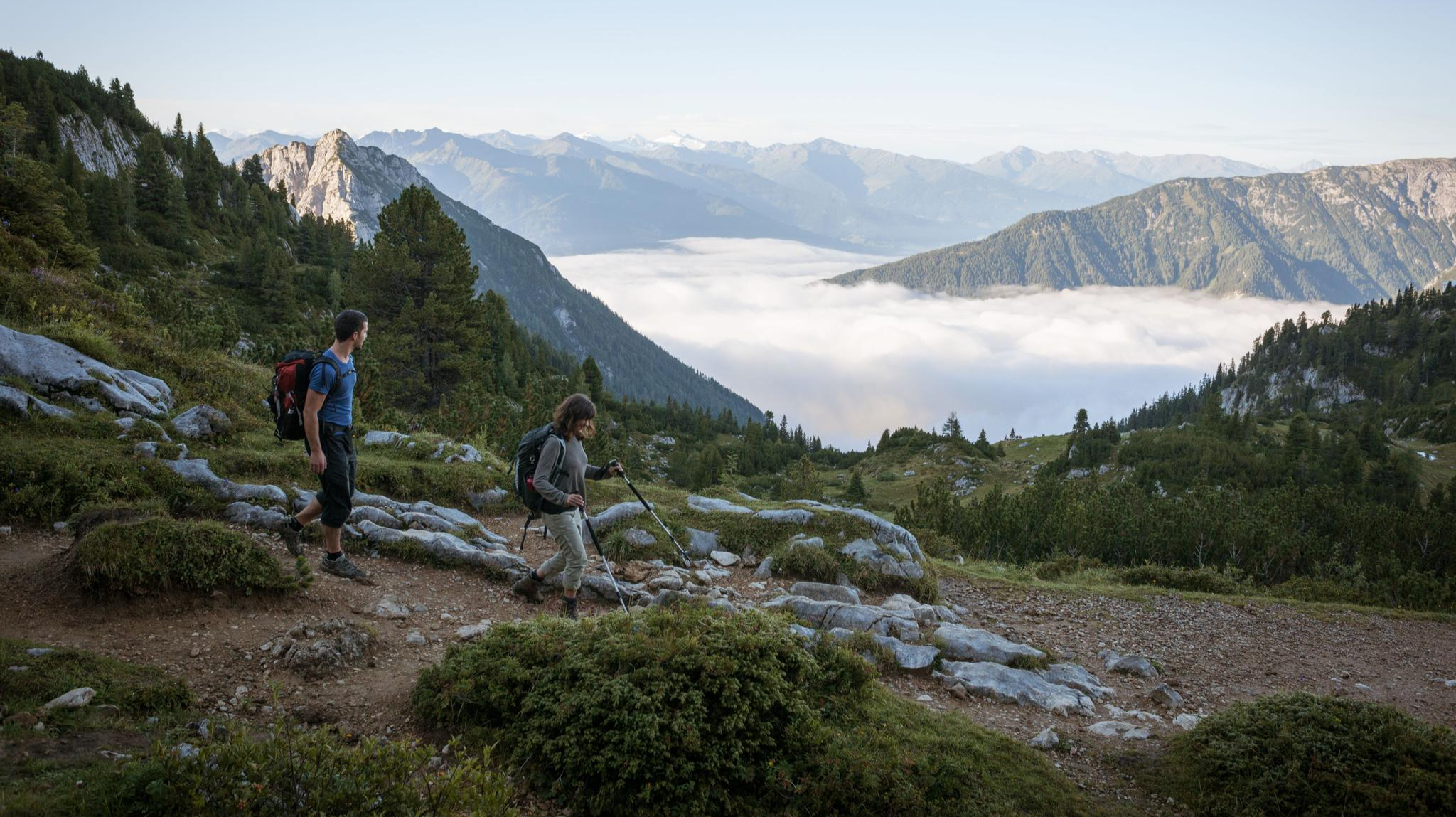
웅장한 독수리 산책로를 따라 하이킹 — 위대한 산책
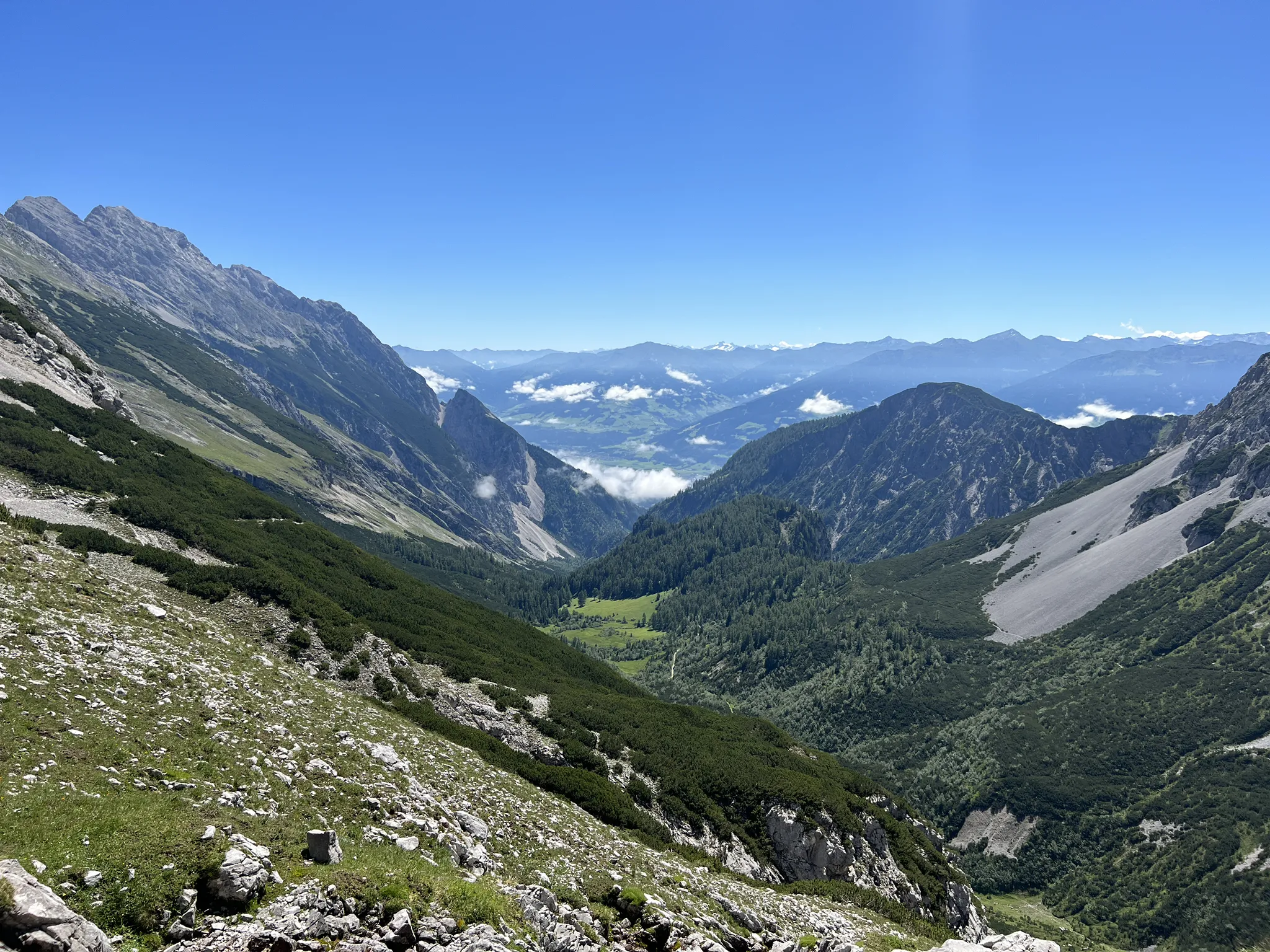
오스트리아 최대 국가공원 – 카렌델 트레일을 발견하세요.
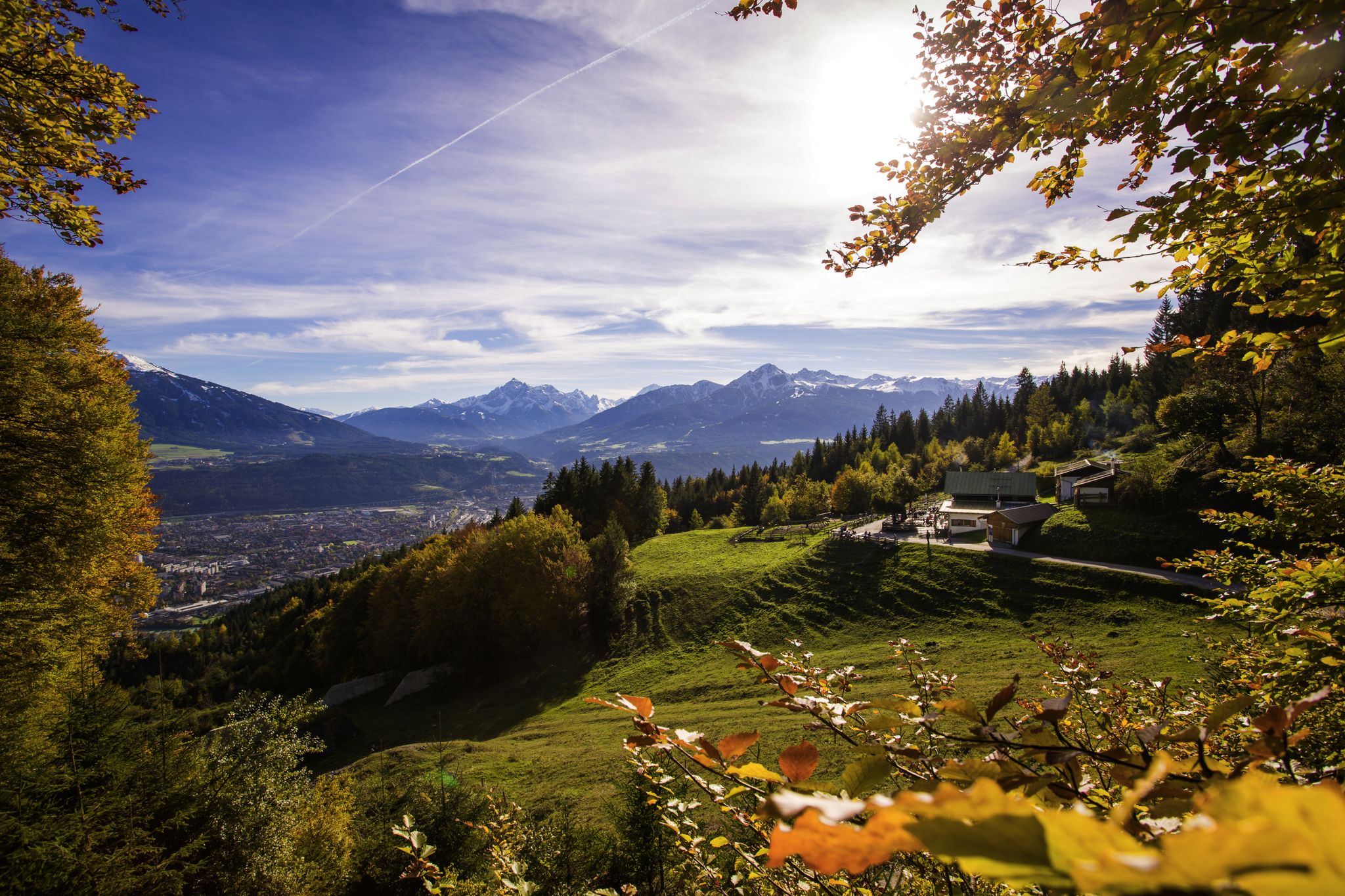
Mountainbiking in the Inntal – Alps and Views in the Naturpark Karwendel
소프트한 '웨피' 트레킹 카르벤델에서
오스트리아의 숨가쁜 전망 지랄 높이서
카르벤델 호엔베크 - 거인들 사이에서 장거리 하이킹
Get out of the city, get on the trail — welcome to Innsbruck!
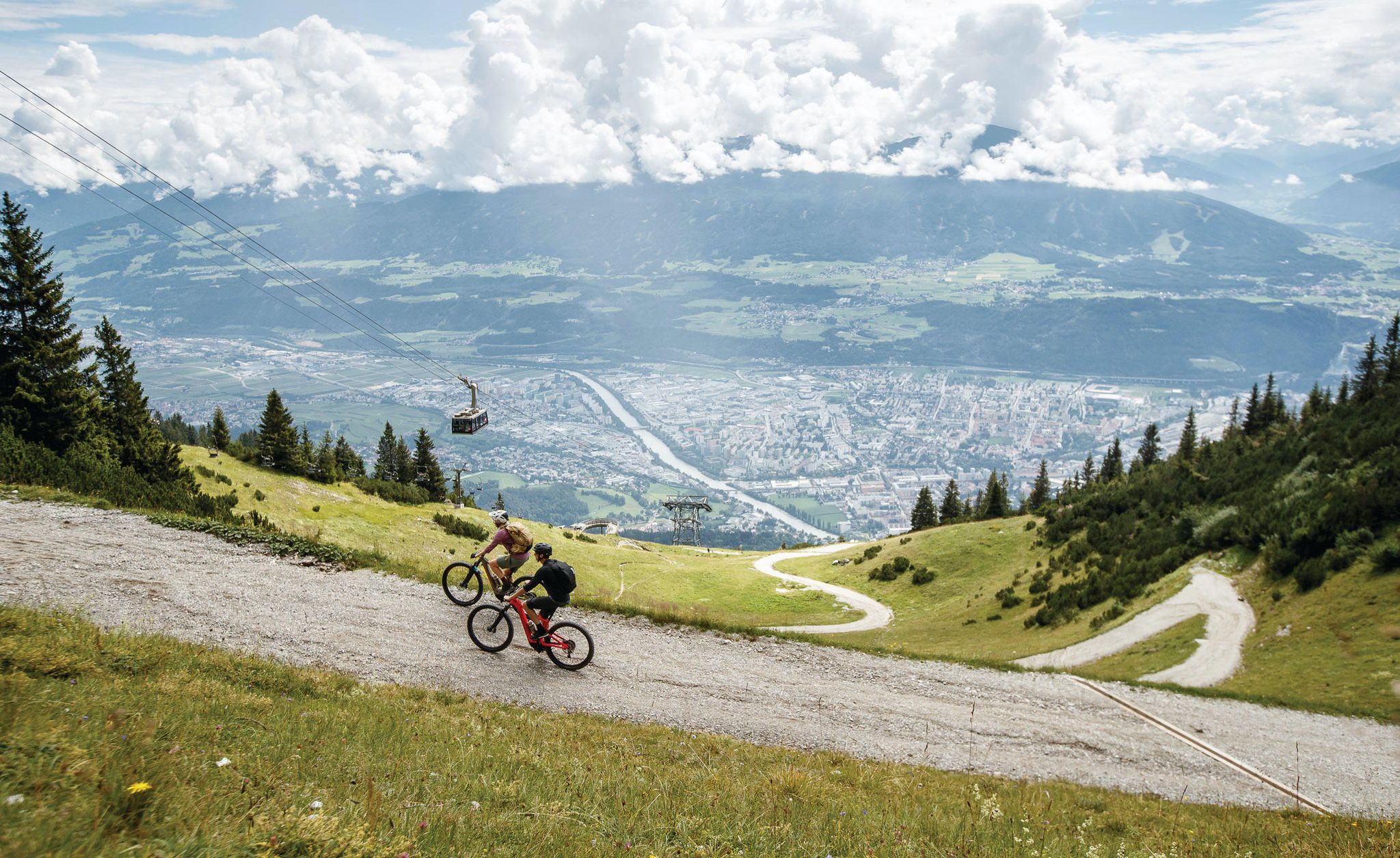
Dream trails as far as your tires will take you — biking in Innsbruck!
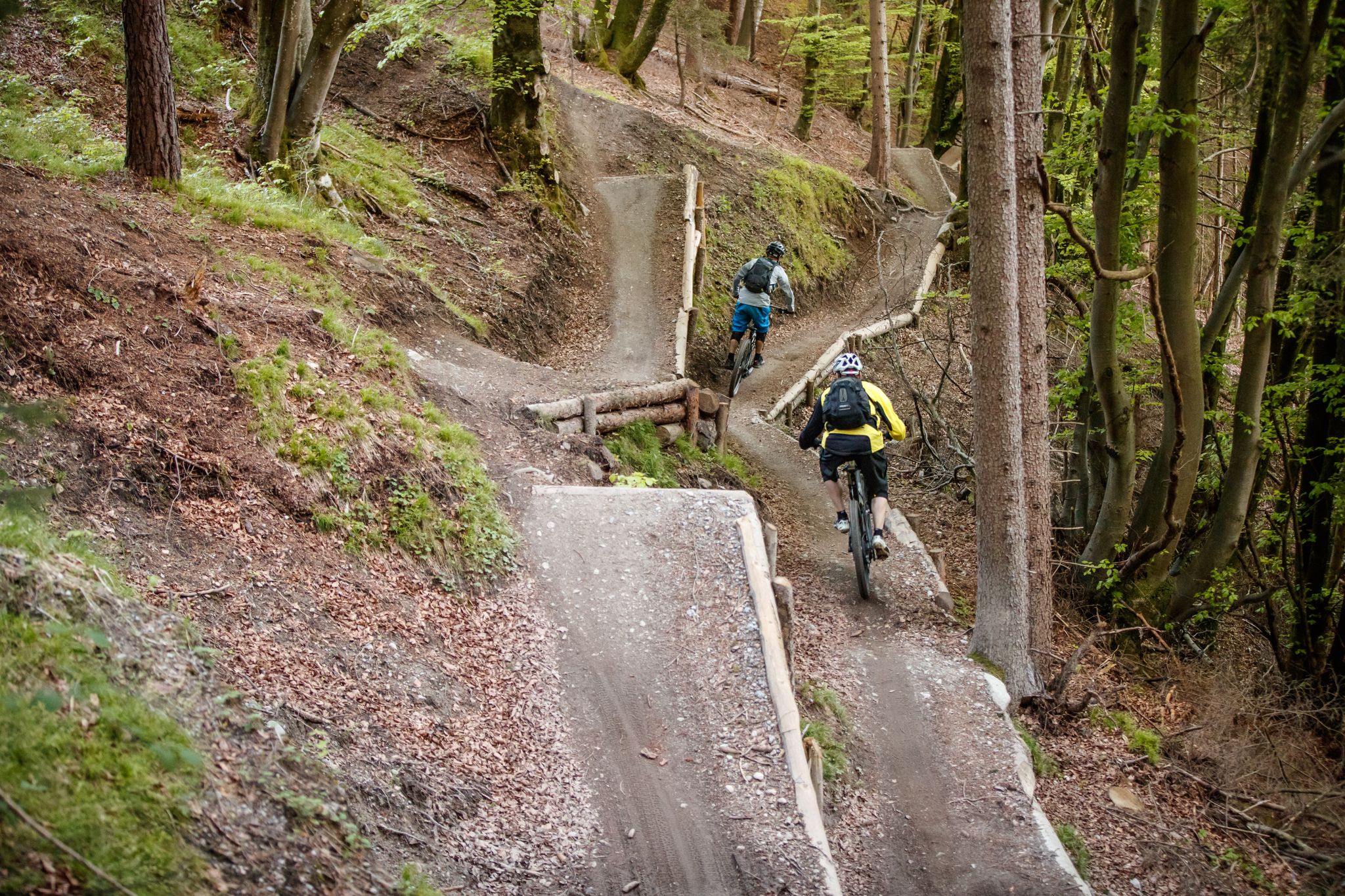
Get out of the city, get on the trail — welcome to Innsbruck!
걸 주변의 다른 모험


커뮤니티 팁


Built around a rectangular courtyard, the High Castle encompassed four floors. Built around a rectangular courtyard, the High Castle encompassed four floors and was designed as a residential palace. In the 1560s, Archduke Ferdinand II had the complex redesigned into a Renaissance palace by the architects Giovanni and Alberto Lucchese. Even before construction began, Ferdinand II gifted the palace to his then-secret wife, Philippine Welser. Text / Source: Ambras Castle Innsbruck, Schlossstraße 20, 6020 Innsbruck https://www.schlossambras-innsbruck.at/das-schloss-entdecken/orte-im-schloss/hochschloss
15
0
The World's First Museum / The History of Ambras Castle Ambras Castle is located on the southern outskirts of Innsbruck, the Tyrolean capital. Records of Ambras date back to the 10th century, spelled "Amras" or "Omras." In the High Middle Ages, it was the seat of the Upper Bavarian Counts of Andechs. The property then passed into the possession of the Tyrolean sovereigns through inheritance. The medieval character of the castle is still clearly evident in the structure of the upper castle. In 1564, Ambras Castle became the residence of the Tyrolean sovereign, Archduke Ferdinand II, who moved there with his young family, his wife Philippine, and their two sons, Andreas and Karl. The so-called upper castle was converted and expanded into a residential building in the Renaissance style. The impressive Spanish Hall and extensive gardens were created below the residential building as new buildings. Text / Source: Ambras Castle Innsbruck, Schlossstraße 20, 6020 Innsbruck https://www.schlossambras-innsbruck.at/das-schloss-entdecken/das-schloss#:~:text=Schloss%20Ambras%20liegt%20am%20s%C3%BCdlichen%20Stadtrand%20der%20Tiroler
16
0


Innsbruck's Hofburg, often referred to as the Tyrolean sister of Vienna's magnificent House of Habsburg, is a fascinating piece of history. The era of Maria Theresa, in particular, left its mark here and should not be ignored by anyone interested. Those familiar with the history of the dynasty can better understand the significance of this place. Admittedly, there are palaces in Austria that exude more glamour. But the Hofburg has its own special charm. The magnificent halls, large-format paintings, and breathtaking frescoes tell stories from times long past and invite you to immerse yourself deeply in history. The private chambers of Empress Elisabeth and Emperor Franz Joseph are particularly fascinating. Although the Empress rarely stayed here, her name still attracts many visitors. And the Hofburg's location is simply impressive – located in the heart of Innsbruck, it blends harmoniously into the cityscape. The exhibition can be explored at a leisurely pace without a guided tour, offering the opportunity to linger in the historic setting and absorb the atmosphere. A visit that brings history to life!
5
1

There's a nice animation on YouTube showing what the castle once looked like: https://youtu.be/uoZ6R732W_Q?si=jnkCu17-k__vppUf
1
0
The World's First Museum / The History of Ambras Castle Ambras Castle is located on the southern outskirts of Innsbruck, the Tyrolean capital. Records of Ambras date back to the 10th century, spelled "Amras" or "Omras." In the High Middle Ages, it was the seat of the Upper Bavarian Counts of Andechs. The property then passed into the possession of the Tyrolean sovereigns through inheritance. The medieval character of the castle is still clearly evident today in the fabric of the upper castle. In 1564, Ambras Castle became the residence of the Tyrolean sovereign, Archduke Ferdinand II, who moved in with his young family, his wife Philippine, and their two sons, Andreas and Karl. The so-called upper castle was converted and expanded in the Renaissance style to create a residential area. The impressive Spanish Hall and extensive gardens were created below the residential building as new buildings. Text / Source: Ambras Castle Innsbruck, Schlossstraße 20, 6020 Innsbruck https://www.schlossambras-innsbruck.at/das-schloss-entdecken/das-schloss#:~:text=Ambras Castle is located on the southern outskirts of the Tyrolean town, and is the seat of the Upper Bavarian Counts of Andechs.
17
0
Ambras Castle, Innsbruck Ambras Castle, Innsbruck, is one of Austria's most important sights and the top day trip destination in Tyrol. Visit the world's first museum preserved in its original location and embark on a journey back 450 years. Text / Source: Ambras Castle, Innsbruck, Schlossstraße 20, 6020 Innsbruck https://www.schlossambras-innsbruck.at/
17
0


