토이첸탈에서 가장 멋진 20개의 동굴
성을 방문하는 건 언제나 특별한 일이에요. 하이킹을 하다가 잠깐 들를 때도, 가이드를 따라 제대로 둘러볼 때도 말이죠. 토이첸탈에 있는 아름다운 성 20
곳을 아래에서 살펴본 후에 마음에 드는 성을 다음 모험 때 만나보세요!
마지막 업데이트: 5월 26, 2026


이런 장소를 발견하려면 지금 가입하세요
최고의 싱글 트랙, 봉우리 및 다양한 흥미로운 야외 장소에 대한 추천을 받아보세요.
무료 회원 가입
메르세부르크 대성당
하이라이트 • 종교적 장소
번역자 Google •
팁에 의해

노이마르크트 다리(워털루 다리), 메르제부르크
하이라이트 • 다리
번역자 Google •
팁에 의해

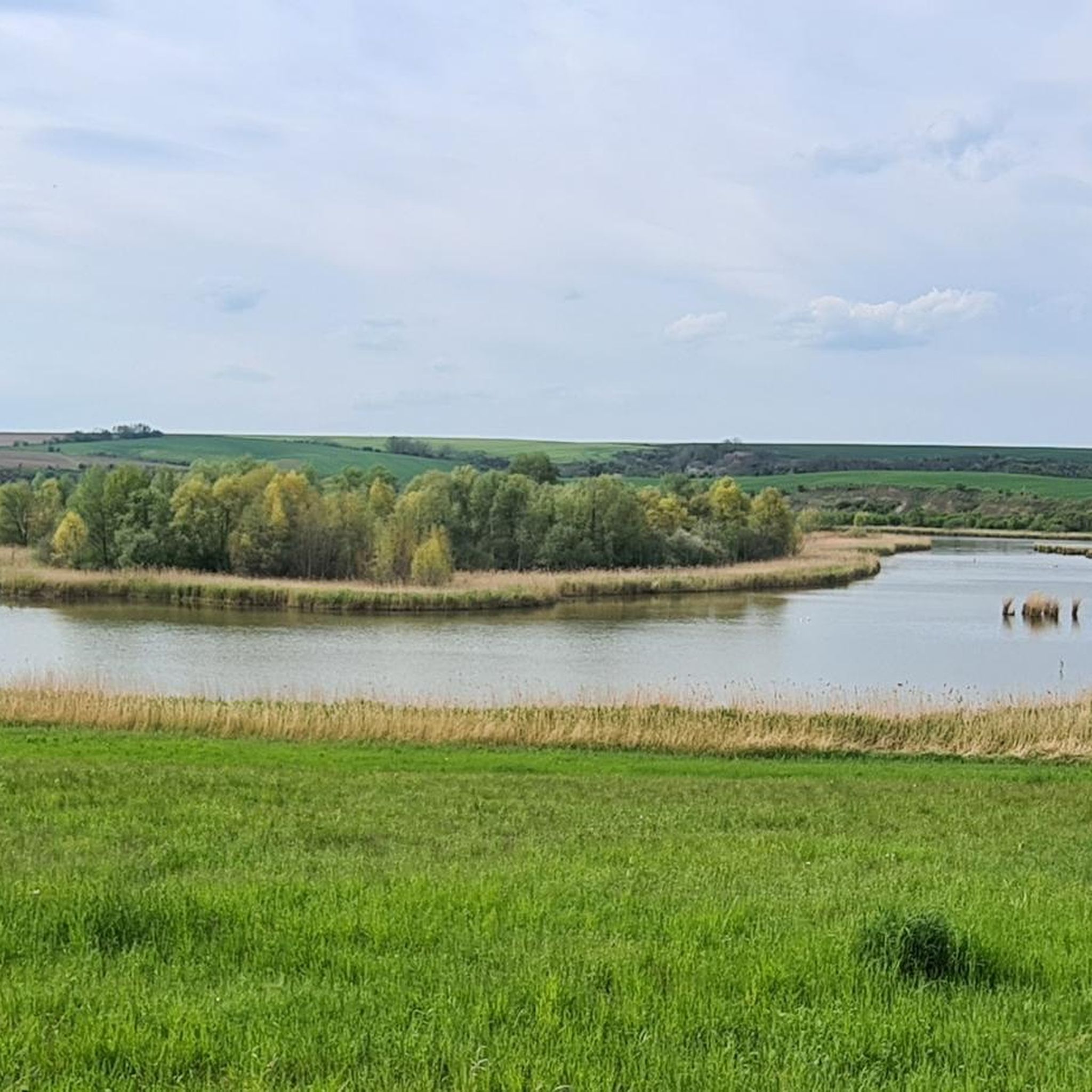
산책로에서 바라본 Süßer See와 Seeburg 성의 전경
하이라이트 • 전망대
번역자 Google •
팁에 의해
무료로 가입하여 토이첸탈 주변의 더 많은 성을 발견하세요.
무료 회원 가입
이미 komoot 계정이 있나요?
오늘 무료 계정으로 시작하세요
다음 모험이 기다리고 있어요.
로그인 또는 가입하기

커뮤니티 팁

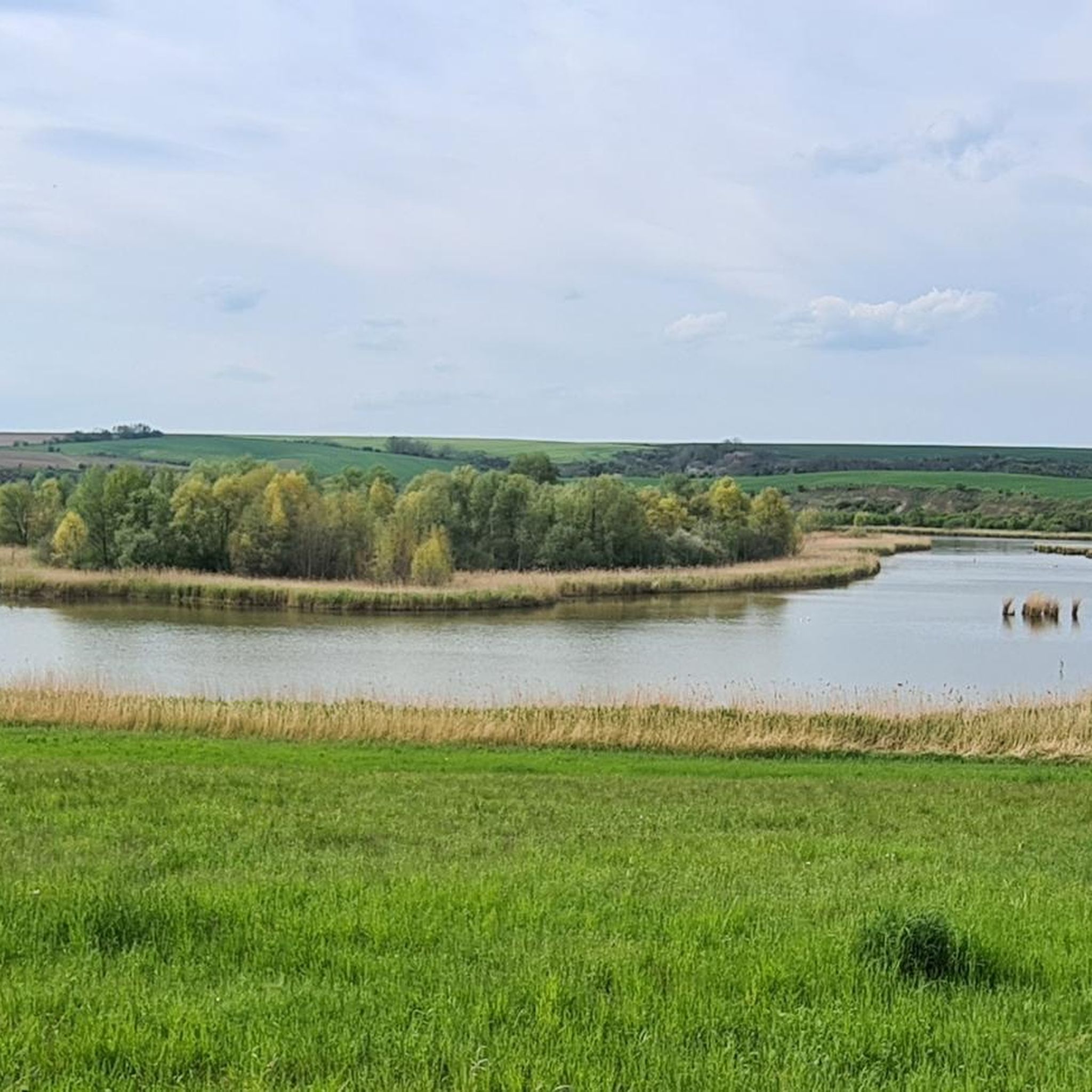
Seeburg is dominated by the castle of the same name, visible from afar and rising majestically on a peninsula above the Süßer See (Sweet Lake). It is the western part of an ancient, very large refuge. Since the late 1990s, the castle has been divided into private ownership, changing hands several times. This has resulted in the castle remaining unrenovated, standing empty, and falling into disrepair. The Widow's Tower and the castle church, however, have been renovated and are owned by a fruit farm. They are used as a residence, for vacation apartments, as a registry office, and for concerts. The new orangery on the lake promenade represents a further step toward tourism. The architecturally sophisticated new building will allow year-round operation.
12
0

Here you can enjoy the wonderful lake feeling on wooden benches
7
0

Giebichenstein Castle sits on a rock above the Saale. Built as a bishop's seat in the 12th century and destroyed by fire 400 years later, it is now the most beautiful ruin in the city.
31
0
The obelisk made of black granite was inaugurated on August 30, 1896 and is located on a rock near the Kröllwitzer Saale bank.
36
0

The old imperial cathedral in Merseburg is not only an outstanding place of German history, but also filled with numerous art objects worth seeing. The Langhans organ with well over 5000 pipes is another highlight.
11
0

961 Giebichenstein was first mentioned. In the second half of the 12th century the construction of a stone fortification, the upper castle, began. The castle served the Archbishops of Magdeburg as a temporary seat of government, until the completion of the Moritzburg in Halle (1503) as their main residence. During the Thirty Years' War (1636) the fortress was partially ruined. At the turn of the 18th and 19th centuries, the castle ruins were an important symbol of German Romanticism. In 1906, the city of Halle acquired the castle ruins from the Prussian domain administration and made them accessible to the public. It has been an open-air architecture museum since 1966. As a result of extensive restoration work since the early 1990s, further remains of the wall have been uncovered, making a visit to the Giebichenstein much more intuitive. (Circumferential walls, foundations of residential buildings, including a residential tower, with walls three to five meters thick. Foundations of the castle church 17 m long, wall thickness 2.20 m. Courtyard with original medieval paving. Barrel vault). The gate tower (12th century) as a lookout tower offers a unique, unforgettable view over the Saale valley. Since 1921, the lower castle has been the seat of today's art school in Halle - Burg Giebichenstein. Source: https://m.halle.de/de/Kultur/Tourismus/Sehenswertes/History-discovery/Burg-Giebichenstein/
8
1
토이첸탈 주변에서 가장 인기 있는 명소


더 살펴보기
다른 곳에서 최고의 성을 찾고 계신가요? 다른 가이드를 발견해보세요 토이첸탈 주변:
