20의 3 월가지 명소 & 주요 장소
3 월에는 둘러볼 만한 장소가 많답니다. 하이킹 또는 사이클링을 좋아한다면 3 월에 숨겨진 20
가지 보석을 만날 수 있을 거예요. 이 지역의 주요 명소를 살펴보면서 다음 모험을 계획해보세요.
마지막 업데이트: 9월 12, 2026
프라이부르크 민스터 광장
하이라이트 • 종교적 장소
번역문 보기
팁에 의해

엔딩겐 마르크트플라츠
하이라이트 • 역사적 장소
번역문 보기
팁에 의해

이런 장소를 발견하려면 지금 가입하세요
최고의 싱글 트랙, 봉우리 및 다양한 흥미로운 야외 장소에 대한 추천을 받아보세요.
슐로스베르크 전망탑
하이라이트 • 전망대
번역자 Google •
팁에 의해

슈바벤토어(슈바비안 게이트), 프라이부르크 임 브라이스가우
하이라이트 • 역사적 장소
Today it houses the Zinnfigurenklause, a museum in which historical events are recreated with pewter figures.
번역자 Google •
팁에 의해

무료로 가입하여 3 월 주변의 더 많은 명소를 발견하세요.
이미 komoot 계정이 있나요?
오늘 무료 계정으로 시작하세요
다음 모험이 기다리고 있어요.
커뮤니티 팁

One of the beautiful old city gates that you should definitely see on a tour of Freiburg's city center. You'll almost automatically pass by it. Of course, you can also take the tram and drive through. 🙃
6
0
Brief information on accessibility: Schwabentor is wheelchair accessible from Salzstraße and can be viewed from the outside. Accessible restrooms are located at Augustinerplatz. The tin figure hermitage in Schwabentor is not wheelchair accessible.
10
2

Schwabentor, Freiburg im Breisgau The Schwabentor was built in the mid-13th century as a city gate within the fortifications to protect the citizens. Leaving the city walls behind must have been a real adventure in the Middle Ages: Unfamiliar forests and routes, and the constant fear of being attacked by robbers, created uncertainty for merchants and travelers alike. For all those not deterred by their own fear, the "Thorn Puller" warned against leaving the city. A tormented expression adorns the relatively large head of the small, neckless figure, which sits with crossed legs above the gateway of the defensive tower, pulling a thorn from its foot. Since antiquity, the thorn has been a symbol of sin and punishment, which is why historians assume that the small relief served as a warning not to stray from the right path. Those who nevertheless passed through the Schwabentor on the Salt Road could immediately cross the Dreisam Bridge and reach the most important trade routes of the Black Forest. A salt merchant from Swabia once traveled along one of these routes to Freiburg, having fallen in love with the city on his previous business trips. He intended to buy Freiburg with several barrels full of money, but the citizens only mocked and laughed at him, especially when he exuberantly opened the barrels and discovered that his miserly wife had taken precautions. Less enthusiastic about her husband's idea of spending all his money on a city, she had wisely traded the money for sand and stones before his departure. It is said that this legend gave the Schwabentor (Swabian Gate) its name. Therefore, the salt merchant and his wagon have adorned the inside of the city gate since the 17th century. On the outside, Freiburg's patron saint – St. George the dragon slayer – is prominently displayed. Text / Source: City of Freiburg, Rathausplatz 2-4, 79098 Freiburg https://visit.freiburg.de/attraktionen/schwabentor
20
2
Freiburg's Münsterplatz - archaeology and history After an introductory overview of the state of research, Chapter 1, taking into account the latest excavations, examines the archaeologically tangible burials up to the abolition of the churchyard in 1515 and the renewed use as a military cemetery in the 17th and 18th centuries. This is followed by a discussion of the cemetery's furnishings and in particular the course of the churchyard wall, with Renn partially questioning the phases of the wall's development reconstructed by Ralf Burgmaier in 1996. Chapter 3 explains other functions of the churchyard as a legal and judicial place and as a meeting place. Chapter 4 is devoted to the buildings on and around the square. Renn can show that parts of today's Münsterplatz were built up until the 14th century and that the facades of the surrounding houses were not initially facing the churchyard. It was only when the choir was built in the 14th century that the houses on the square were demolished and the facades of the other houses turned towards the square and magnificently decorated. Although the associated upgrading of the square led to increased building activity, the churchyard wall initially remained standing - as described in Chapter 5 - although sales arbors were added to its outside. It was not until 1785 that the churchyard wall and the corn arbors were torn down and a "representative open space" created. Text / Source: Hypotheses https://oberrhein.hypotheses.org/1384
19
0

Hikers should stop here to get some refreshment. Whether it's Brunner's sausage roasting shop, Meier's sausage stand, the organic sizzling stand, or Licht's sausage stand - the Lange Rote has long been a Freiburg institution: The grilled sausage without casing, which measures a full 35 cm, is on a par with the Münster, the Augustinermuseum or the Bächles on the Freiburgers' scale of attractions. So, go ahead and try Freiburg's crispiest landmark on Münsterplatz!
9
0

A very beautiful and worth seeing place. The climb to the tower can be reached via a long and narrow wall staircase, and you will be rewarded with a magnificent view. The bellworks can also be viewed, which are also very loud at the right time.
15
2

The Freiburg Minster "Our Lady" is today both the parish church and the cathedral of the Archdiocese of Freiburg. In addition, the Minster is a national cultural monument with one of the most beautiful towers on earth and is one of the few large Gothic churches that were completed in the Middle Ages and survived the numerous wars almost unscathed.
10
1

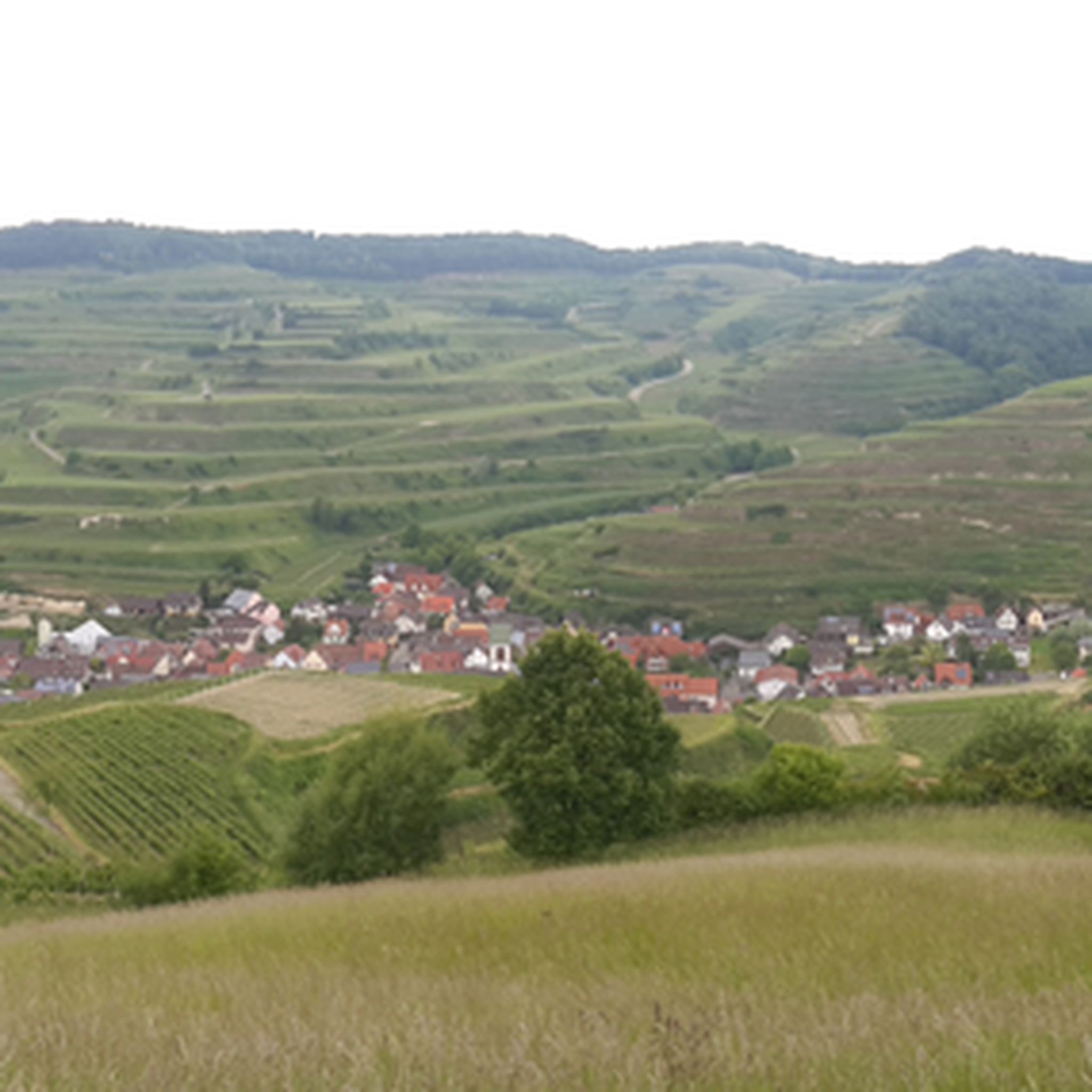
Beautiful little wine town on the Kaiserstuhl... ideal starting point for discovery tours
7
1


더 살펴보기
찾고 있는 하이라이트를 아직 못 찾으셨나요? 다른 지역의 주요 명소 가이드를 확인해보세요:
