인헨호펜 최고의 MTB 라이딩 경로
4.0
(15)
63
자전거 타는 사람
24
라이딩
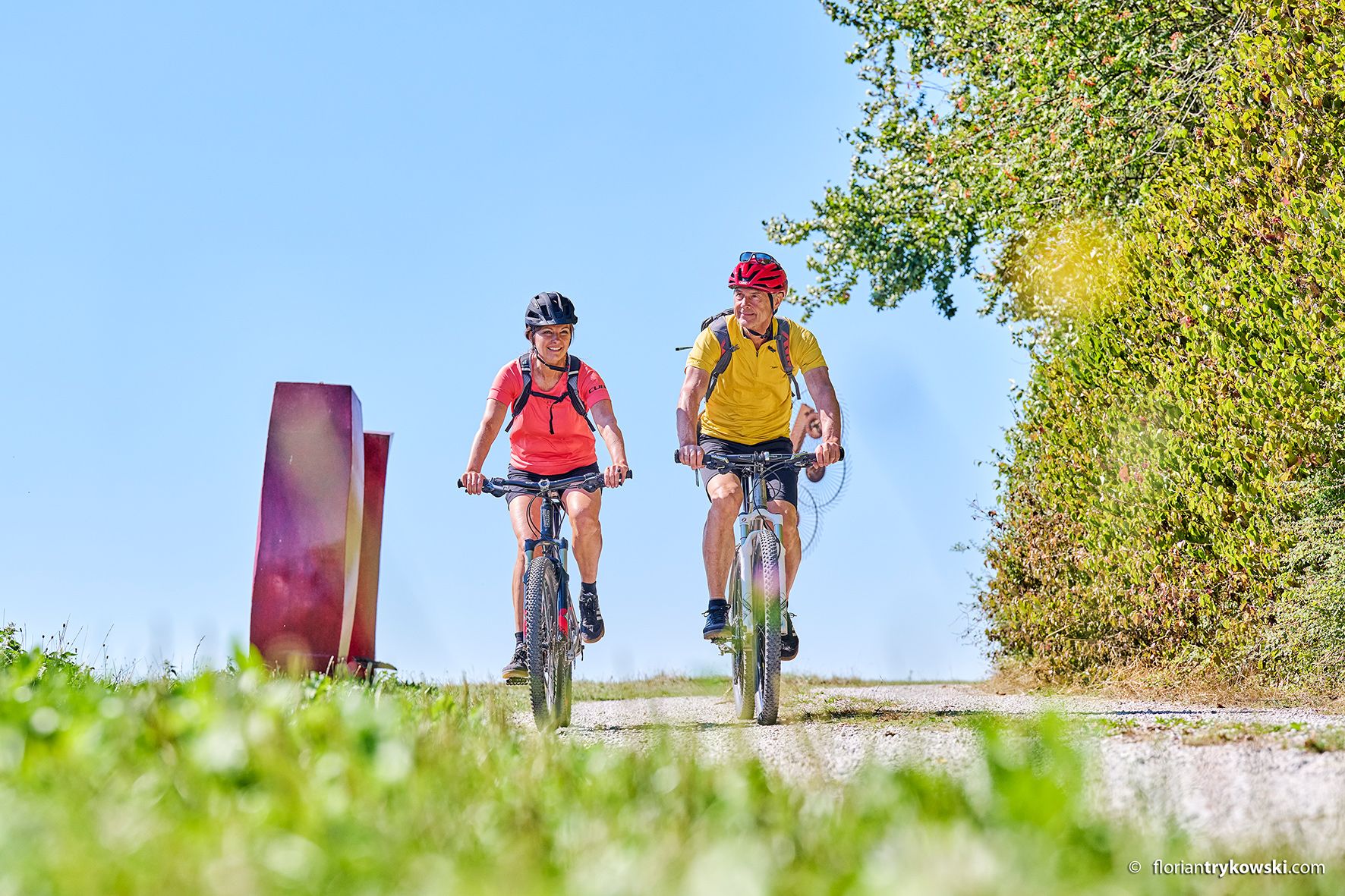
인헨호펜에서 산악자전거 라이딩을 하면 다양한 경치를 감상할 수 있어요. 어디서 출발해야 할지 모르겠다고요? 지금부터 인헨호펜 최고의 MTB 경로를 찾을 수 있도록 가장 멋진 라이딩 장소를 소개해드릴게요!
마지막 업데이트: 9월 10, 2026
5.0
(1)
7
자전거 타는 사람
24.7km
01:54
260m
260m
보통 산악 자전거 타기. 모든 체력 수준에 적합. 뛰어난 라이딩 실력이 필요함.
4.0
(1)
6
자전거 타는 사람
18.7km
01:02
110m
110m
초급용 산악자전거 라이딩. 모든 체력 수준에 적합. 실력과 관계없이 누구나 갈 수 있음.

6
자전거 타는 사람
23.3km
01:19
190m
190m
초급용 산악자전거 라이딩. 모든 체력 수준에 적합. 실력과 관계없이 누구나 갈 수 있음.
3
자전거 타는 사람
28.9km
02:24
340m
340m
보통 산악 자전거 타기. 좋은 체력 필요. 뛰어난 라이딩 실력이 필요함.
5.0
(3)
4
자전거 타는 사람
36.3km
02:07
250m
250m
보통 산악 자전거 타기. 좋은 체력 필요. 뛰어난 라이딩 실력이 필요함.
더 다양한 경로와 다른 탐험가들의 추천을 살펴보세요.
이미 komoot 계정이 있나요?
투어 추천은 다른 사람들이 komoot에서 완료한 수천 개의 활동을 바탕으로 구성되어 있습니다.
오늘 무료 계정으로 시작하세요
다음 모험이 기다리고 있어요.

커뮤니티 팁

합리적인 가격에 맛있는 별미를 즐길 수 있는 아름답고 그늘진 장소입니다.
0
0


On a pilgrimage to (Nieder)Schönenfeld in 1691, 15-year-old Wilhelm Gastl became a particular admirer of the Mother of God. He therefore glued a devotional image of the Mother of God of Ettal onto a wooden board and attached it to a stately oak tree on the footpath from Aichach to the pilgrimage church of St. Leonhard in Inchenhofen in the spring of 1692. This image was venerated by many pilgrims and other people who passed by. A small wooden roof and a kneeler were soon erected in front of the image. Then Georg Planck, a farmer from Froschham, built a small wooden hut around the oak tree, where Wilhelm Gastl lived like a hermit. In 1696, construction of a brick chapel began. The delicate stucco was made by Matthias Lotter from Sirchenried in 1723. After a woman from Höchstädt was healed in 1699, pilgrims came from far and wide to the oak chapel. There are 271 Maria Eich. Records from 1698 to 1713 in several miracle books. The flourishing pilgrimage was abruptly interrupted as a result of secularization. However, a farmer from Oberbernbach bought the chapel and saved it from demolition. Today Maria Aich is once again enjoying great popularity. May devotions are celebrated in May. Once a year a supplication procession takes place from Oberbernbach to the chapel.
1
0
On a pilgrimage to (Nieder)Schönenfeld in 1691, 15-year-old Wilhelm Gastl became a particular admirer of the Mother of God. He therefore glued a devotional image of the Mother of God of Ettal onto a wooden board and hung it on the footpath from Aichach to Wall in the spring of 1692. View of the interior. This image was venerated by many pilgrims and other people who passed by. A small wooden roof and a kneeler were soon erected in front of the image. Then Georg Planck, a farmer from Froschham, built a small wooden hut around the oak tree, where Wilhelm Gastl lived like a hermit. In 1696, construction of a brick chapel began. The delicate stucco was made by Matthias Lotter from Sirchenried in 1723. After a woman from Höchstädt was healed in 1699, pilgrims came from far and wide to the Eichkapelle. 271 records from 1698 to 1713 are recorded in several miracle books. The flourishing pilgrimage was abruptly interrupted as a result of secularization. However, a farmer from Oberbernbach bought the chapel and saved it from demolition. Today, Maria Aich is once again enjoying great popularity. May devotions are celebrated in May. Once a year, a supplication procession takes place from Oberbernbach to the chapel.
1
0
The Sommerkeller Affing is a traditional forest beer garden in the district of Affing, Bavaria, known for its Bavarian delicacies and cozy atmosphere. Surrounded by forest, it has space for up to 550 guests and is ideal for family outings. Opening hours: The beer garden usually opens from May 1st and closes when the cold season begins. Offer: The menu includes classic Bavarian dishes such as roast pork, schnitzel and various snacks. There are special menus for children, and on certain days children under 12 can eat for free. Special features: The beer garden has a playground for children and a solar-powered charging station for e-bikes. Regular events and daily specials enrich the offer.
1
0
The parish church of St. Magnus in Kühbach, Aichach-Friedberg district, is an important baroque building with a rich history. History: Originally founded around the year 1000 as a Benedictine monastery, the church was rebuilt in the Gothic style after a fire in 1577. It was given its current baroque appearance between 1687 and 1688 by the master builder Giovanni Androi. Parts of the previous building were integrated. The patronage of St. Magnus of Füssen is unusual in this region and probably goes back to the founding family of the 11th century. Architecture and furnishings: The church is characterized by rich baroque stucco decoration. The mighty high altar and the five side altars are characterized by their walnut-veneered and partially gilded column structure as well as the large paintings from the 17th and 18th centuries. Particularly worthy of mention is the altar painting by Johann Andreas Wolff from 1708, which depicts the glory of Saint Magnus. The parish church of St. Magnus is an outstanding example of baroque church architecture in Bavaria and an important cultural heritage of the region.
1
0

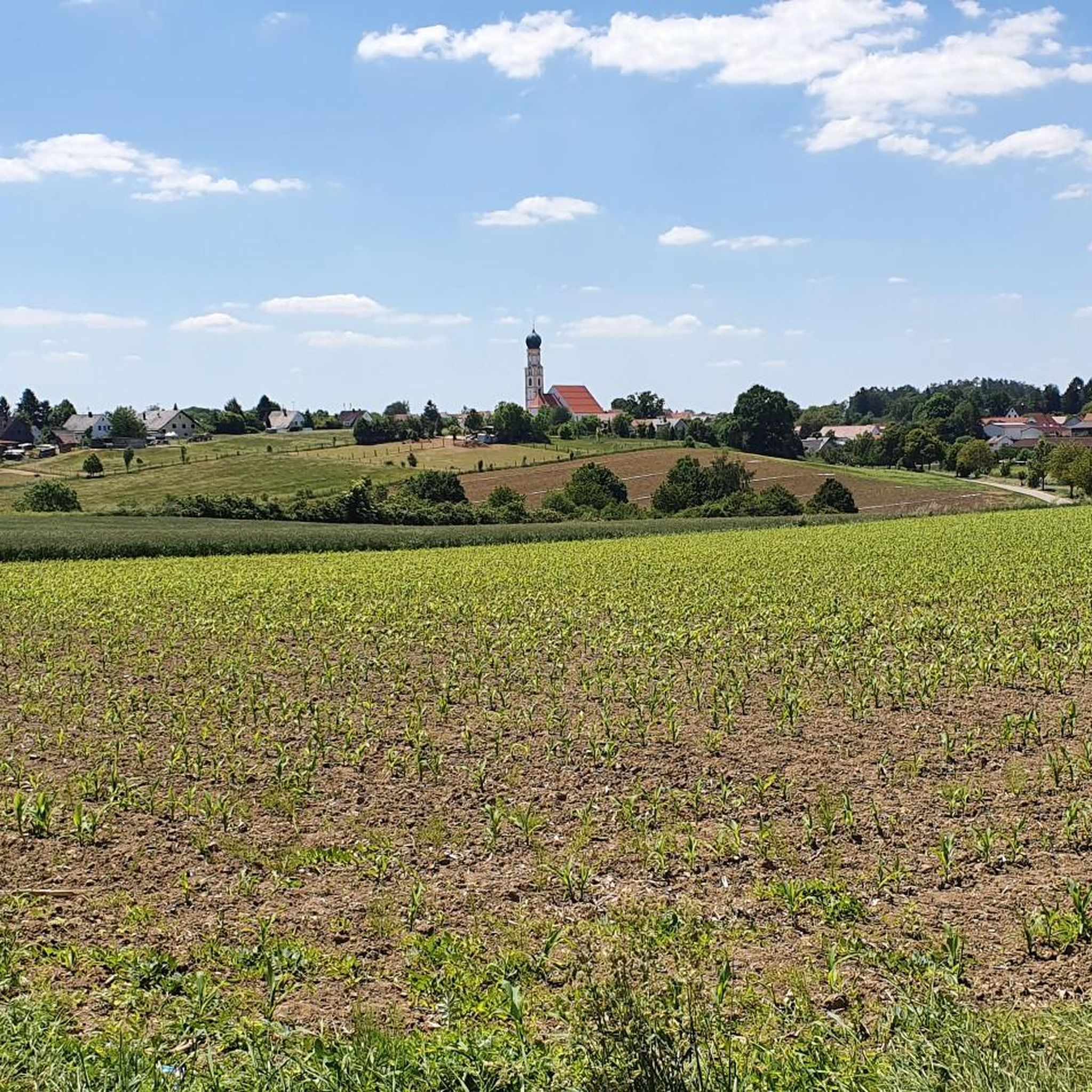
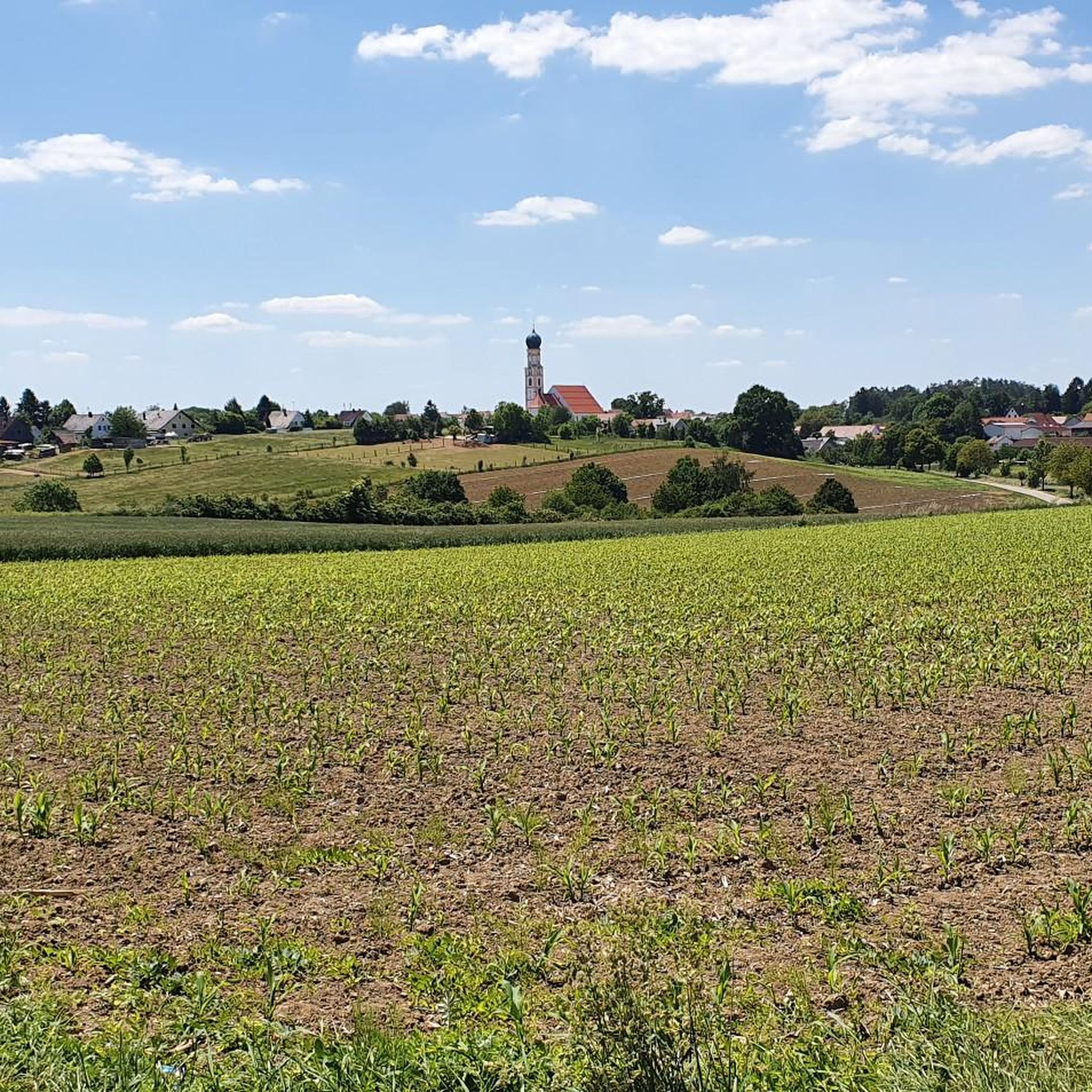
The Oberbernbacher Forest is always worth a visit.
0
0
인헨호펜 주변에서 가장 인기 있는 명소


더 살펴보기
다른 지역의 최고의 MTB 트레일를 살펴보세요.
