남본에서 가장 멋진 9개의 산 정상
남본의 산 정상에 오르면 이 지역의 아름다운 모습을 제대로 구경할 수 있어요. 다만, 9
곳이나 되는 산 정상 중에서 어떤 곳을 가야 할 지 고민된다는 게 문제죠. 남본에서 가장 멋진 산 정상을 살펴본 후에 마음에 드는 산 정상을 다음 모험 계획에 추가해보세요.
마지막 업데이트: 9월 7, 2026
샤움베르크 고원과 샤움베르크 전망탑
하이라이트 • 전망대
번역자 Google •
팁에 의해


이런 장소를 발견하려면 지금 가입하세요
최고의 싱글 트랙, 봉우리 및 다양한 흥미로운 야외 장소에 대한 추천을 받아보세요.
바이젤베르크 정상과 슈타이네르네 메어
하이라이트 • 정상
From a geological point of view, the »Steinernes Meer« is a heap of scree made from weathered material from the Weiselberg. From a geological point of view, this …
번역자 Google •
팁에 의해

바인하우스쾁헨 언덕
하이라이트 • 전망대
번역자 Google •
팁에 의해

옛 라인슈트라세(로마 도로) 휴게소에서 바라본 샤움베르크 전망
하이라이트 • 전망대
번역자 Google •
팁에 의해

무료로 가입하여 남본 주변의 더 많은 봉우리를 발견하세요.
이미 komoot 계정이 있나요?
오늘 무료 계정으로 시작하세요
다음 모험이 기다리고 있어요.

커뮤니티 팁

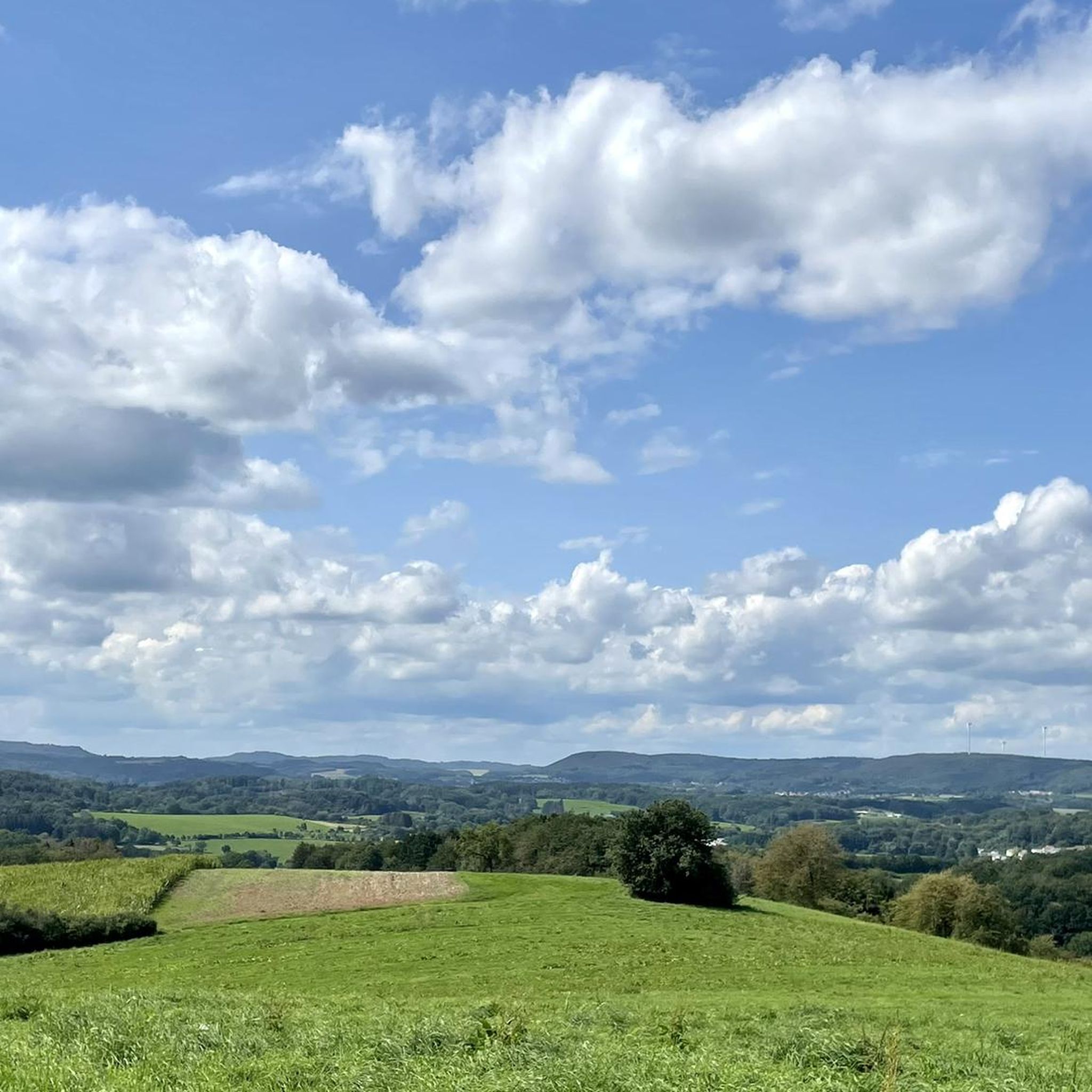
The "Schaumbergblick" is a popular viewing point and tourist highlight in Saarland, which is especially known for its breathtaking views of the surrounding landscape.
2
0

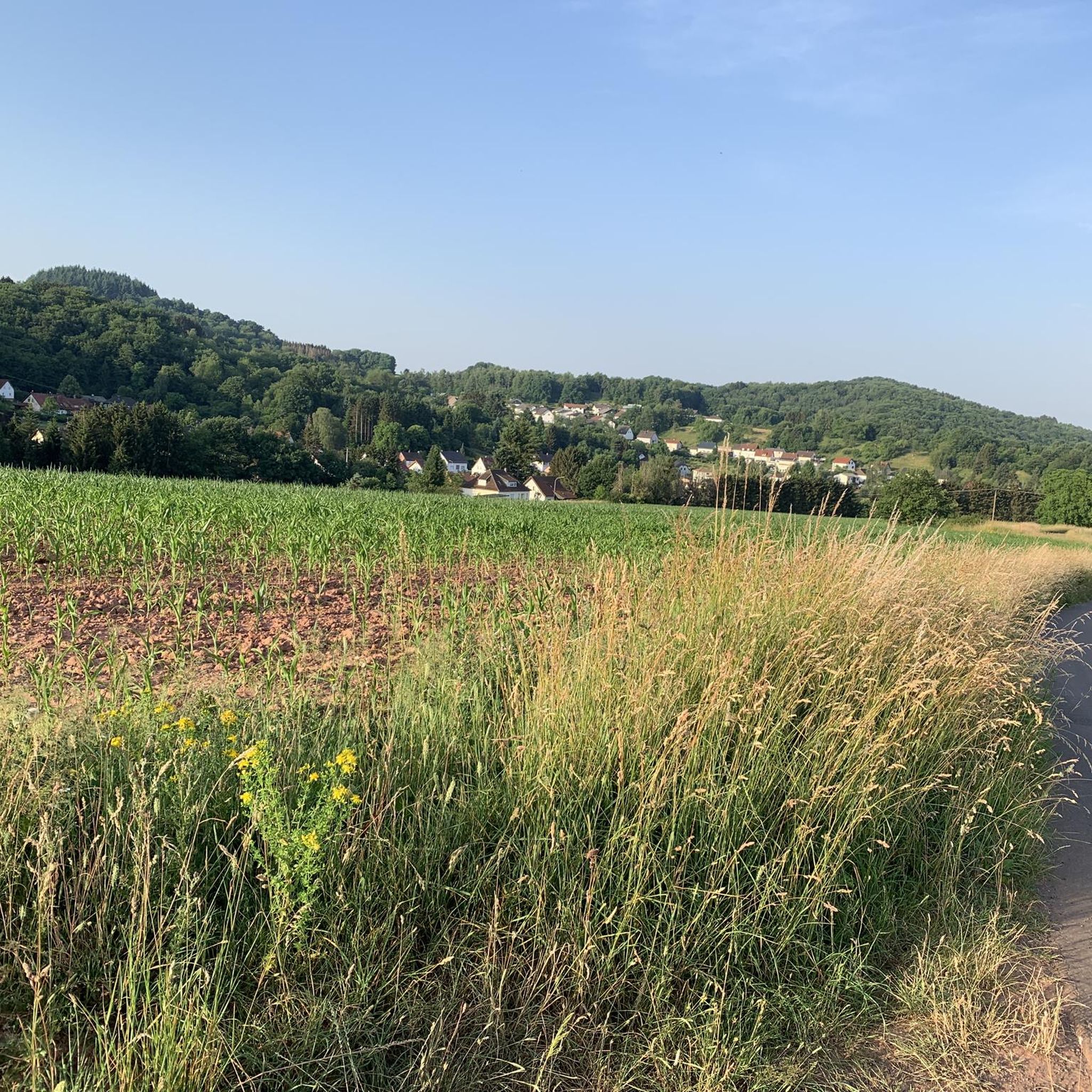
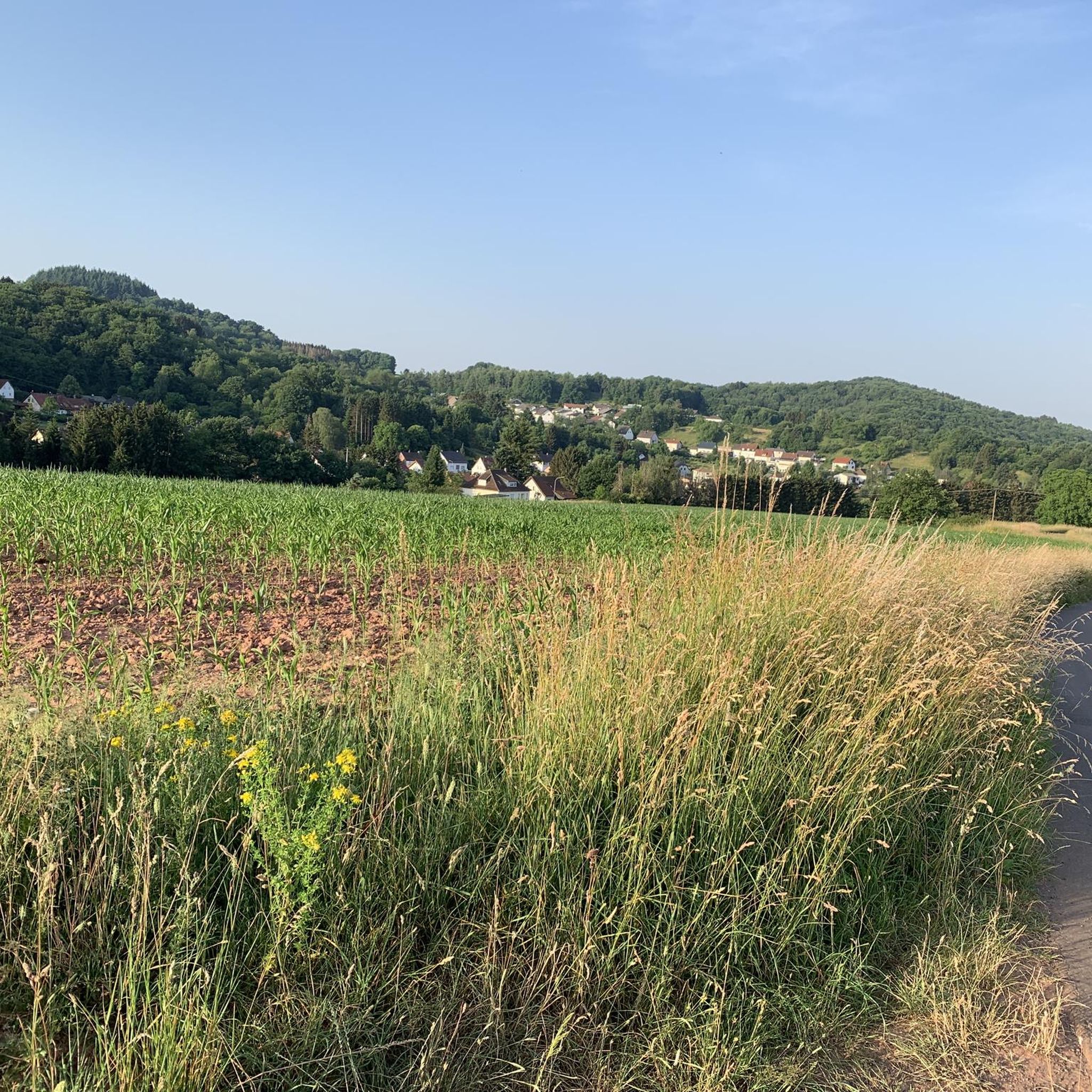
From this point between Winterbach and Alsweiler you have wonderful views in all directions. Not far away you can see the summit of the Schaumberg - not the highest peak in Saarland, but certainly the most famous.
2
1

Of course, when the weather is good, you have a perfect view of the Sankt Wendel region from the 568m high Schaumberg.
5
0

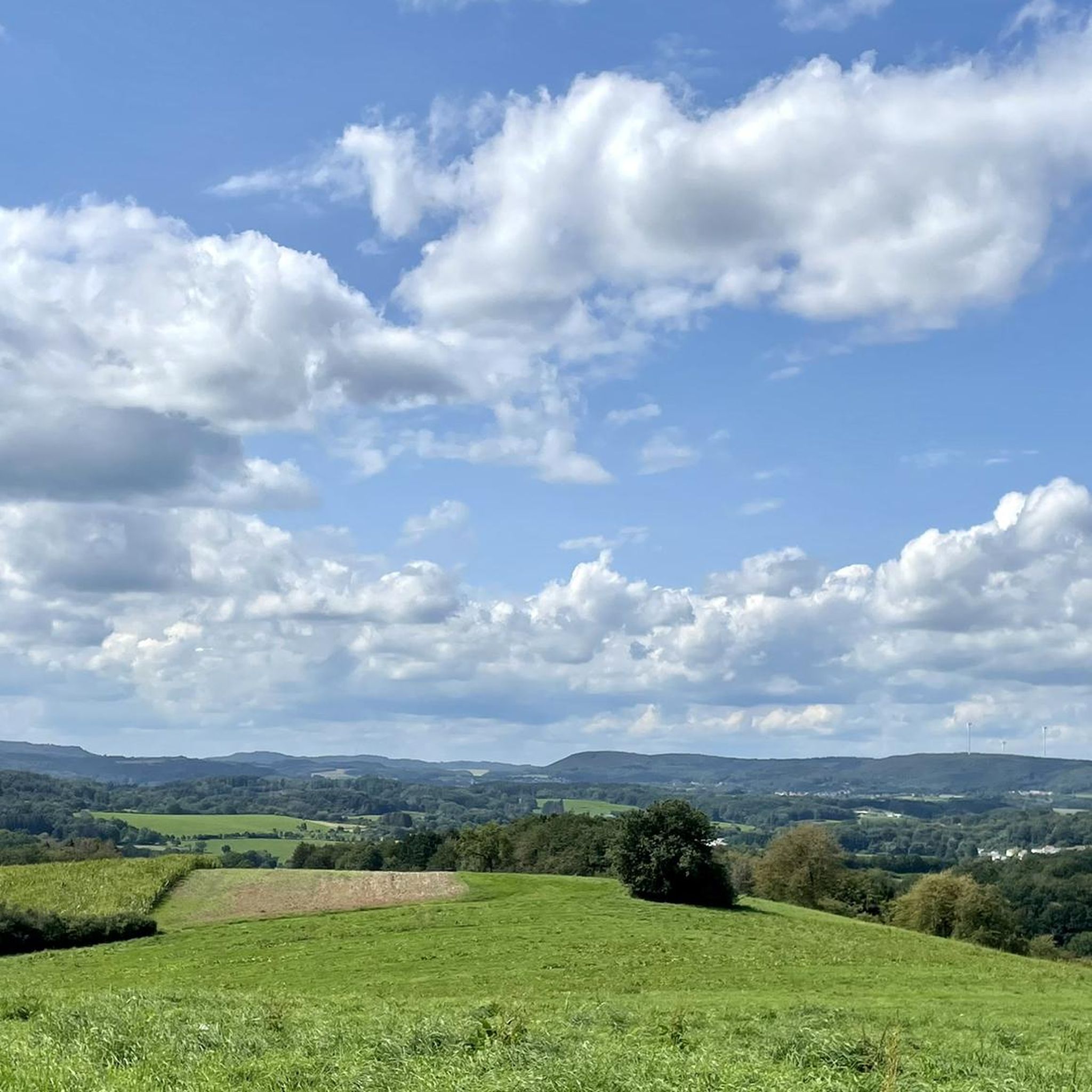
There are really plenty of beautiful views
2
1

Several great views can be enjoyed on the tour.
3
1
Great view of the Schaumberg.
2
0

𝐒𝐭𝐞𝐢𝐧𝐞𝐫𝐧𝐞 𝐌𝐞𝐞𝐫 From a geological point of view, the »Steinernes Meer« is a heap of scree made from weathered material from the Weiselberg. From a geological point of view, this sea of rocks at the foot of the mountain is a work of the Ice Age. The last ice age only ended around 10,000 years ago. Magma rising underground got stuck under the earth's surface and solidified into mostly pentagonal column formations, quite typical of slowly cooling basalt rock. Over the course of millions of years, the surrounding softer sedimentary rock was removed by erosion. In geology, the very hard rock, which shines deep black when cut and is reminiscent of a starry sky with its bright feldspar particles, has been given the name »Weiselbergite«. The frost change climate during this geological epoch caused extreme weathering and erosion processes that were able to separate the blocks and columns weighing several tons from the rock structure. Not least because of the extreme daily temperature fluctuations, the steep southern slope of the Weiselberg with the typical vertical basalt columns offered the best conditions for the formation of the Felsenmeer. The boulders collected on the mountainside and have since been exposed to weathering. Covered with mosses, the »Steinernes Meer« repeatedly gave rise to eerie legends: Whether wild cyclopes played with it or the remains of an enchanted castle are left to the imagination of the observer. The Romans were already digging for agates on the surface of the Weiselberg. From the 15th century, when only little was to be found above ground and a veritable agate boom began, the agate seekers went deep. Some tunnels buried today bear witness to this. After the war there were concrete considerations to dismantle the Weiselberg as a quarry. This was prevented by the designation as a nature reserve in October 1950. In earlier times, the minerals of this region such as agate, chalcedony, jasper and petrified wood were processed in the gemstone metropolis of Idar-Oberstein. 3000 of these precious stones can be viewed in the Mineralogical Museum in the old school in Oberkirchen (0 68 55/332) and in the Mineral Museum (2000 exhibits) in Freisen (0 68 55/13 25). In the Gemstone Dorado in Freisen, treasure hunters can search for gemstones themselves. (0 68 55/1849 31) Source: Text information board
7
0
𝑮𝒆𝒔𝒄𝒉𝒊𝒄𝒉𝒕𝒆 𝑺𝒄𝒉𝒂𝒖𝒎𝒃𝒆𝒓𝒈𝒕𝒖𝒓𝒎 𝒖𝒏𝒅 𝒅𝒆𝒎 𝑲𝒓𝒆𝒖𝒛 𝒃𝒆𝒊 𝑺𝒐𝒕𝒛𝒘𝒆𝒊𝒍𝒆𝒓 In 1914 a tower in honor of Kaiser Wilhelm II was to be built on the mountain plateau. However, the execution of this plan was interrupted by the First World War. Only a 5 m high ruin remained, on which a tower with an integrated war memorial chapel was built from 1927. The larger-than-life crucifix set in the central arch of the tower was striking. This tower had to be demolished in 1972 because it was in disrepair. The undamaged crucifix should be blown up. The construction workers, all from the Catholic villages in the vicinity or of Italian origin, refused to blow up the symbol of faith. The crucifix was removed undamaged, kept for a short time in a shed on the edge of the mountain plateau and later set up not far from the motorway junction near Sotzweiler. Source: Text Wikipedia
10
0


