오버뒤렌바흐에서 가장 멋진 20개의 동굴
성을 방문하는 건 언제나 특별한 일이에요. 하이킹을 하다가 잠깐 들를 때도, 가이드를 따라 제대로 둘러볼 때도 말이죠. 오버뒤렌바흐에 있는 아름다운 성 20
곳을 아래에서 살펴본 후에 마음에 드는 성을 다음 모험 때 만나보세요!
마지막 업데이트: 10월 9, 2026

아르바일러 구시가지
하이라이트 • 정착지
번역자 Google •
팁에 의해

이런 장소를 발견하려면 지금 가입하세요
최고의 싱글 트랙, 봉우리 및 다양한 흥미로운 야외 장소에 대한 추천을 받아보세요.
Landskrone 정상에서의 전망
하이라이트 • 전망대
번역자 Google •
팁에 의해

퇴니스슈타인 수도원 유적지
하이라이트 • 역사적 장소
번역자 Google •
팁에 의해


오늘 무료 계정으로 시작하세요
다음 모험이 기다리고 있어요.
커뮤니티 팁

Once a place of pilgrimage - today it is an enchanted place
6
0

Almost every castle had its own herbal garden in which vegetables, medicinal, herbal and poisonous plants were grown. By decree of Charlemagne, regulations were issued to ensure the supply of the court and the country, to operate three-field farming, to grow fruit and wine, to breed domestic animals, to plant useful and medicinal plants and trees.
7
0

From up here you have a great view of the Ahr Valley.
5
0

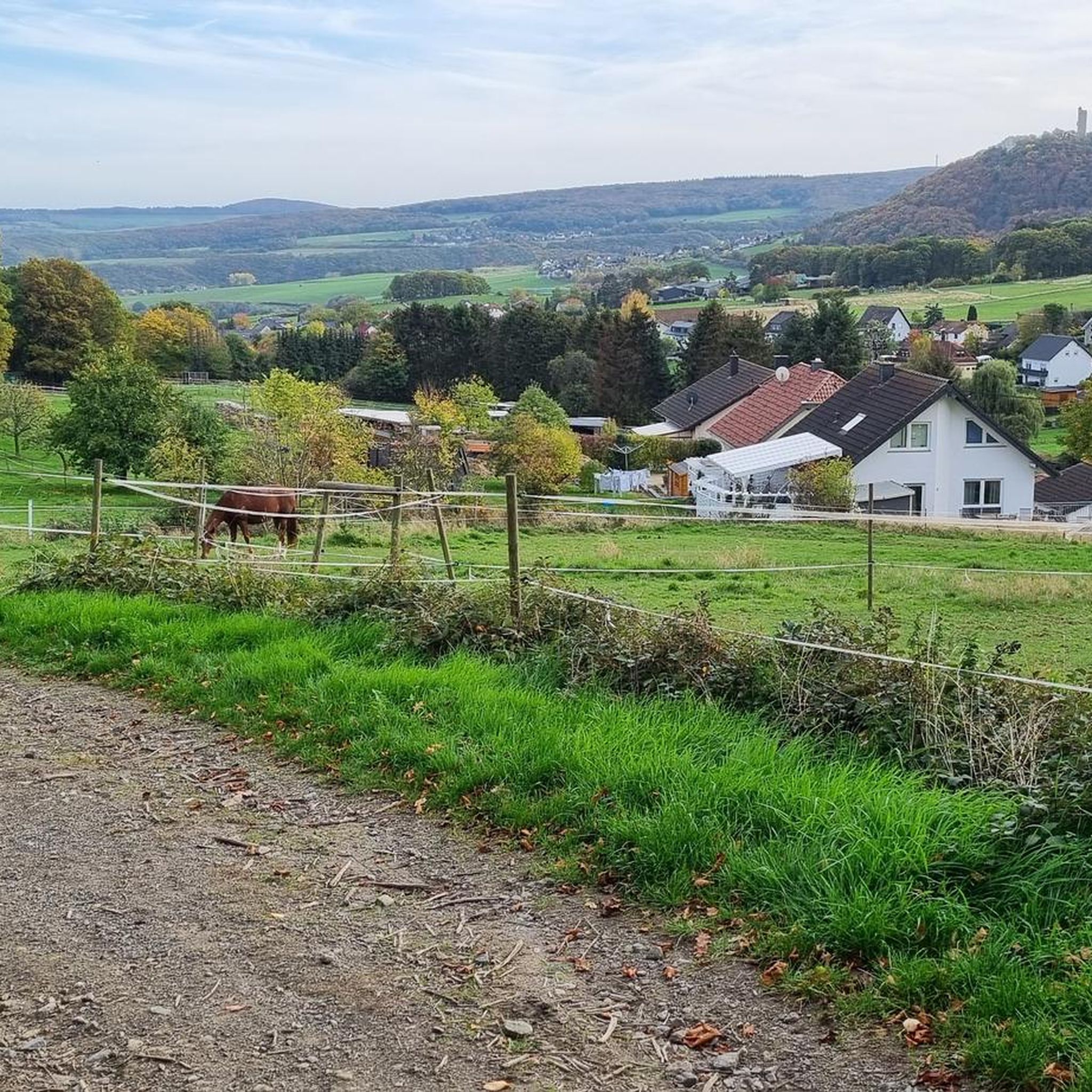
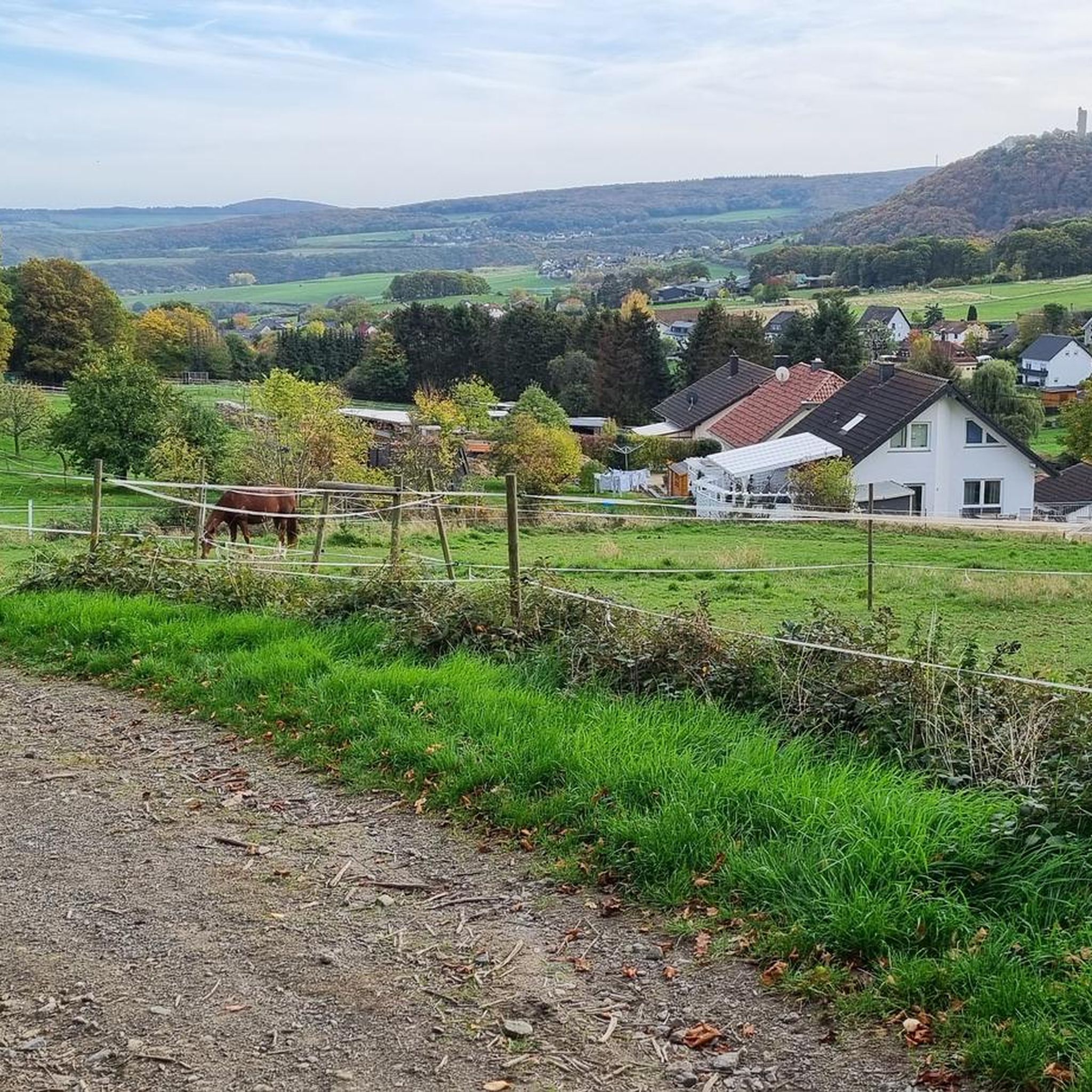
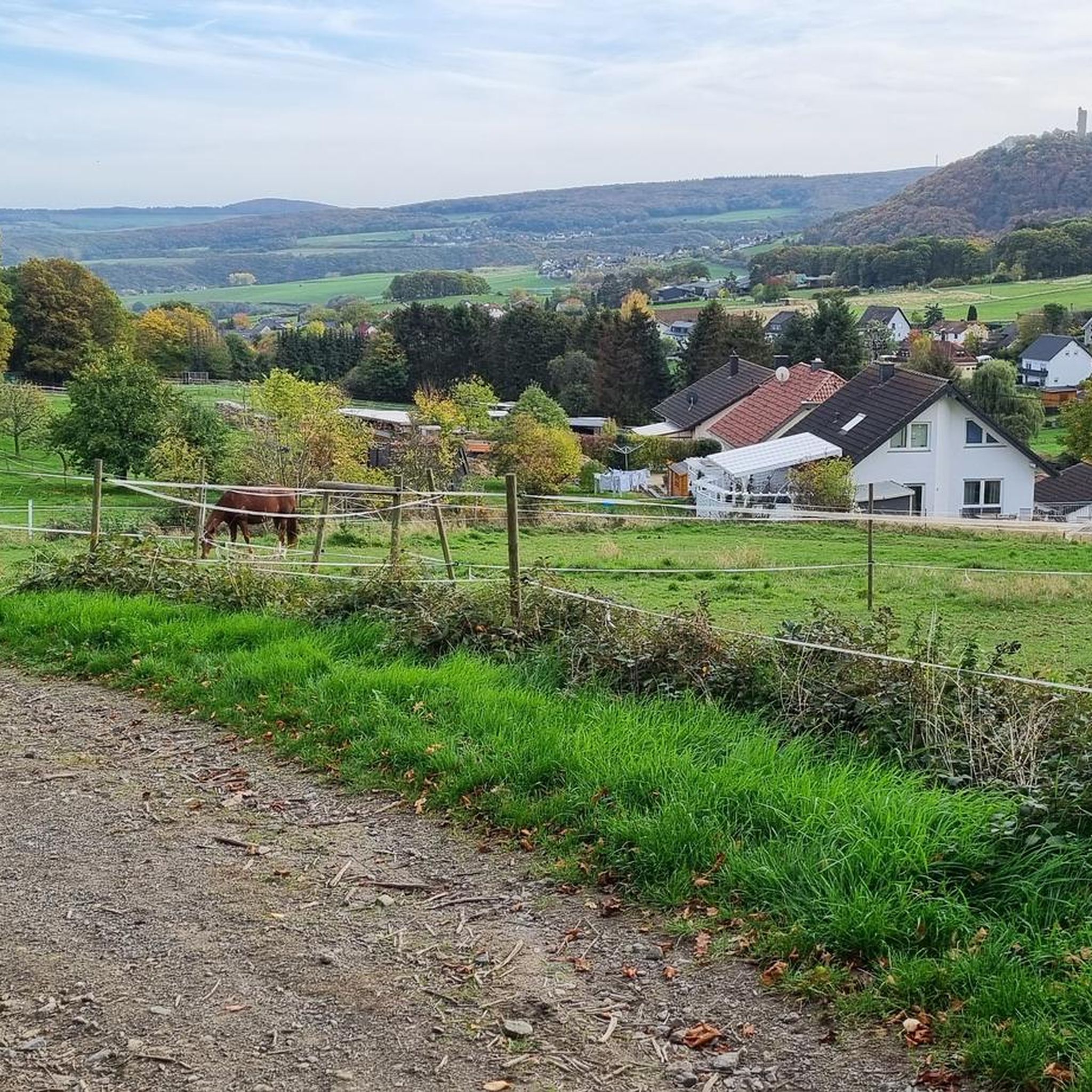
The path is tough, but so is the view. The Landskrone is also visible from afar, for orientation. Only on New Year's Eve should you think twice whether you want to go here... because many people have the idea, fireworks are sometimes shot across, and if something happens then it could take a while for help to arrive (fortunately that didn't happen to us back then).
7
1

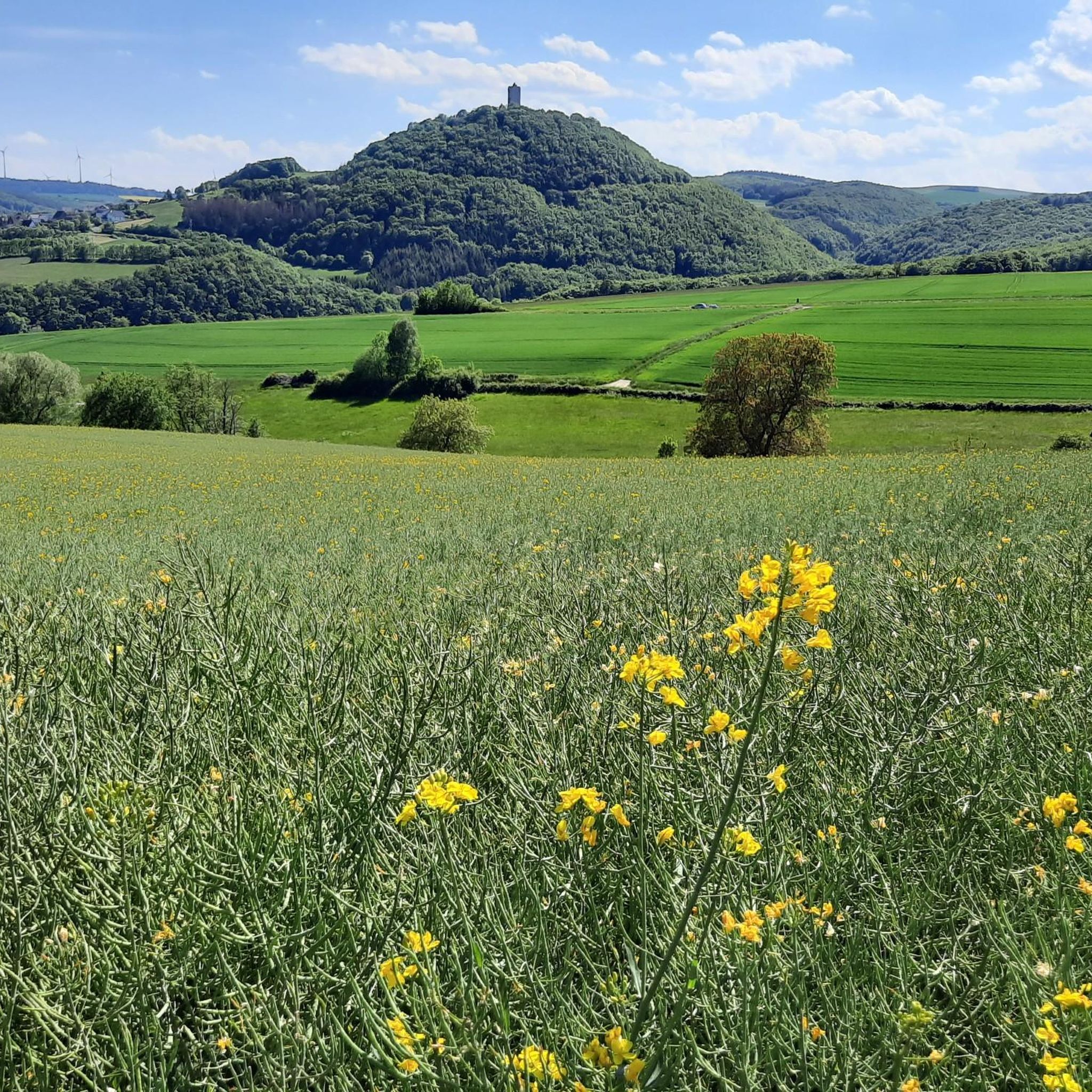
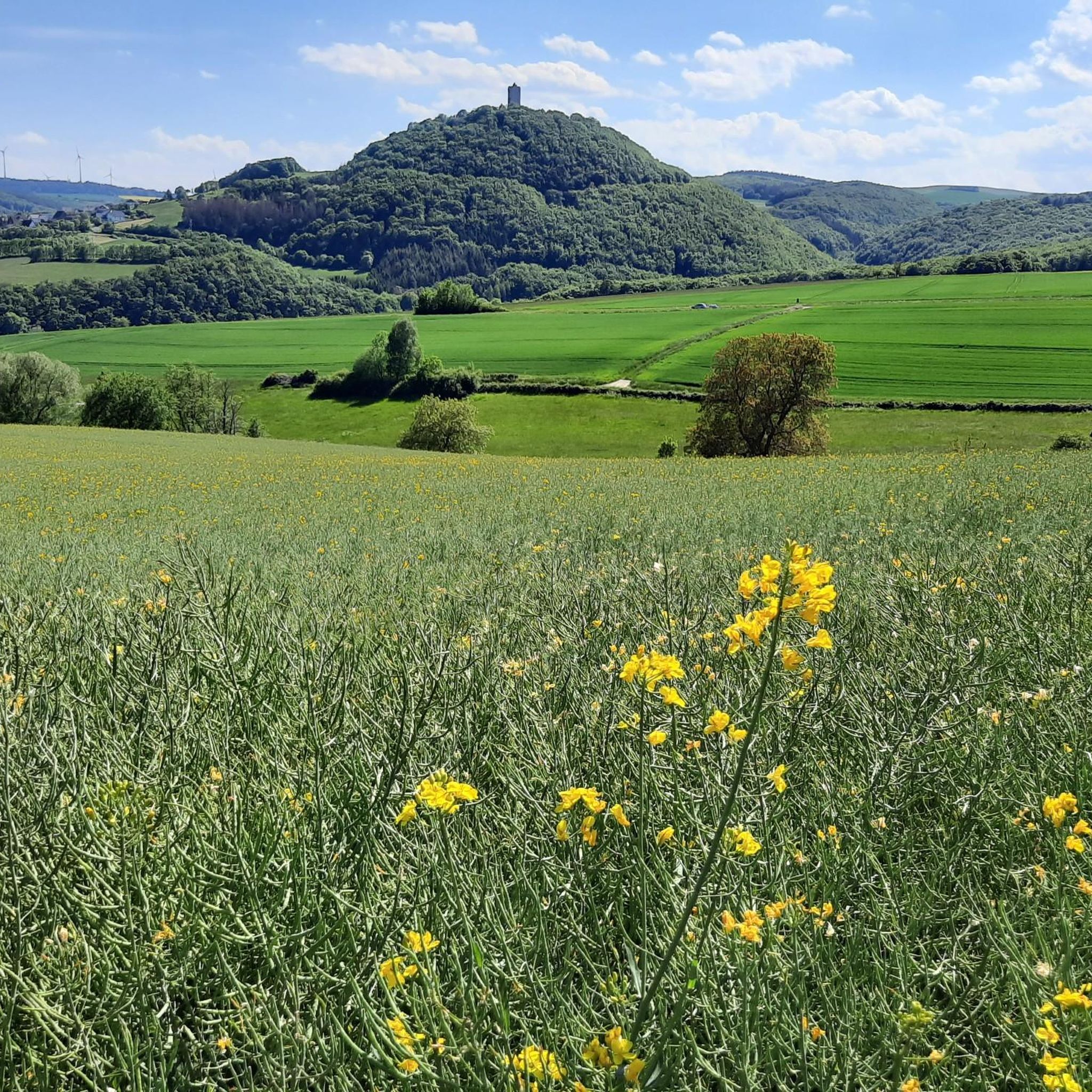
Let yourself be enchanted by a medieval castle in the heart of the Laacher See volcanic region. Experience an exciting journey through time from volcanism to knighthood. Located northwest of Koblenz, the medieval castle ruins rise as a landmark over the Brohltal on a 460 m high phonolite cone and can be seen from afar. The facility is equipped with audiovisual stations embedded in the exciting story of medieval life and the history of Olbrück Castle. The tower can be walked on and there is a wonderful all-round view from the weir plate. In good weather, the spiers of Cologne Cathedral can be seen in the distance. Inside the outer bailey there is a children's playground in the form of an old knight's castle. The Burgkiosk team warmly welcomes visitors with cool drinks, warming coffee and small snacks. A worthwhile excursion that can also be included as a highlight in a hike.
7
1

The monastery ruins of Tönisstein, also Sankt Antoniusstein monastery, are the ruins of a former Carmelite monastery in Bad Tönisstein, a residential area in the Kell district of the city of Andernach (Rhineland-Palatinate), which was founded in 1465. The monastery ruins are protected as a cultural monument.
9
0

The climb to Saffenburg is worth it: Not only does the perfect view over Mayschuss and its vineyards await you here, you can also reward yourself with a delicious glass of wine at any time. Next to the refuge there is a wine vending machine with delicious white, rosé and red wines as well as grape juice and water. Glasses are also available for loan. Payment is only possible cashless.
11
0

Very beautiful city center with the half-timbered houses and the well-preserved city fortifications from the Middle Ages. >> Ahrweiler << - the older of the two districts, was first mentioned as >> Ahrwilere << in the year 893 in a goods list of the Prüm Abbey. This abbey had large possessions in Ahrweiler. Until 1100 Ahrweiler belonged to the Argau. from 1100 - 1246 sovereignty was exercised by the Counts of Are; From them it passed in 1246 to the Counts of Hochstaden of the Archbishopric of Cologne, who remained rulers until 1794. Archbishop Konrad von Are-Hochstaden, who confirmed Ahrweiler's city rights in 1248, made the city, together with Bonn, Neuss and Andernach, co-capital of Electoral Cologne. In keeping with this political and strategic importance, the sovereign had Ahrweiler fortified with a fortification that is still worth seeing today. The moats, city walls, gates and towers from the 13th century are almost completely preserved today. During the Thirty Years' War (1633, 1642, 1646) the city was besieged, looted and pillaged by enemies; During the 3rd French War of Robbery on May 1, 1689, all but 10 houses were completely destroyed. It took years for the reconstruction to take place. From 1794 - 1814 Ahrweiler was under French rule, which was followed by belonging to Prussia from 1815 - 1945. Ahrweiler had to endure the last enemy attacks in 1044 and 1945. The bombing left the southern part of the city center completely in ruins. But reconstruction took place quickly. Anyone who visits Ahrweiler as a lover of antiquity will be particularly impressed by the St. Laurentius parish church (1269) - one of the first Gothic hall churches in the Rhineland - and the excavation work on the recently discovered probably second largest Roman villa north of the Alps. Source: https://finanzamt-ahrweiler.fin-rlp.de/wir-ueber-uns/chronik
9
0
오버뒤렌바흐 주변에서 가장 인기 있는 명소


더 살펴보기
다른 곳에서 최고의 성을 찾고 계신가요? 다른 가이드를 발견해보세요 오버뒤렌바흐 주변:
