글라이센베르크에서 가장 멋진 9개의 동굴
Gleißenberg 주변의 최고의 성들은 역사적인 Schloss Gleißenberg가 1853년에 철거되었기 때문에 주변 지역에서 찾아볼 수 있습니다. Jakobus 교회에서 북동쪽으로 약 50미터 떨어진 원래 장소는 이제 지상 기념물로 보호됩니다. 더 넓은 바이에른 숲 지역은 탐험할 다양한 성터와 역사 유적지를 제공합니다. 이 유적지들은 이 지역의 중세 역사에 대한 통찰력을 제공하고 파노라마 전망을 제공합니다.
Gleißenberg 주변 최고의 성
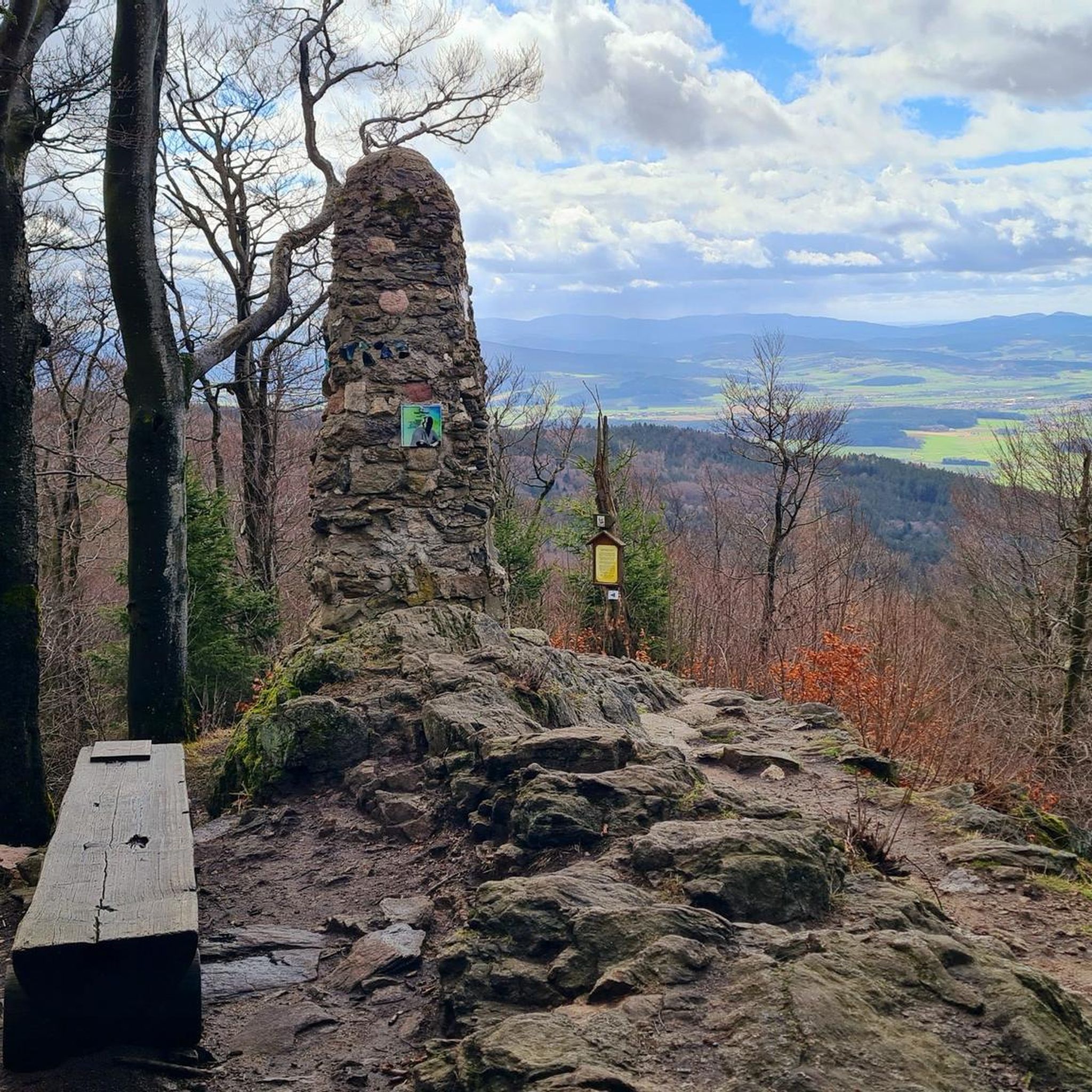
- 가장 인기 있는 성은 인상적인 전망을 제공하는 성인 Schwarzenburg 성터입니다. 바이에른에서 가장 큰 성터 중 하나로 간주되며 역사 정보를 제공합니다.
- 또 다른 꼭 가봐야 할…
마지막 업데이트: 9월 7, 2026
슈바르첸부르크 성 유적지
하이라이트 • 성
번역자 Google •
팁에 의해

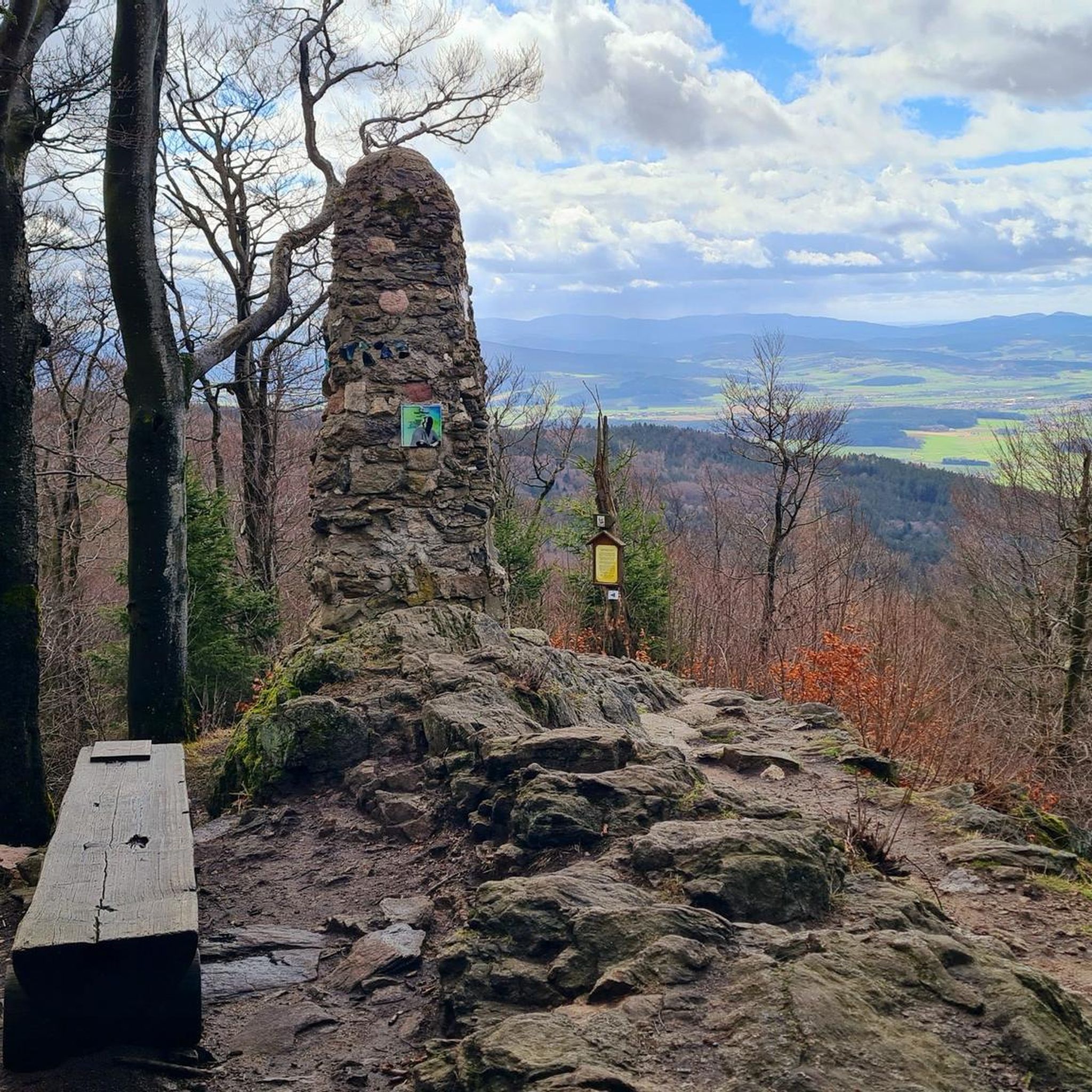
부흐베르크 성 유적지
하이라이트 (구간) • 성
The first representative of the Puchbergs, who can certainly be referred to this place, was Otto I, first mentioned in 1196. The family originally belonged to the …
번역자 Google •
팁에 의해

이런 장소를 발견하려면 지금 가입하세요
최고의 싱글 트랙, 봉우리 및 다양한 흥미로운 야외 장소에 대한 추천을 받아보세요.
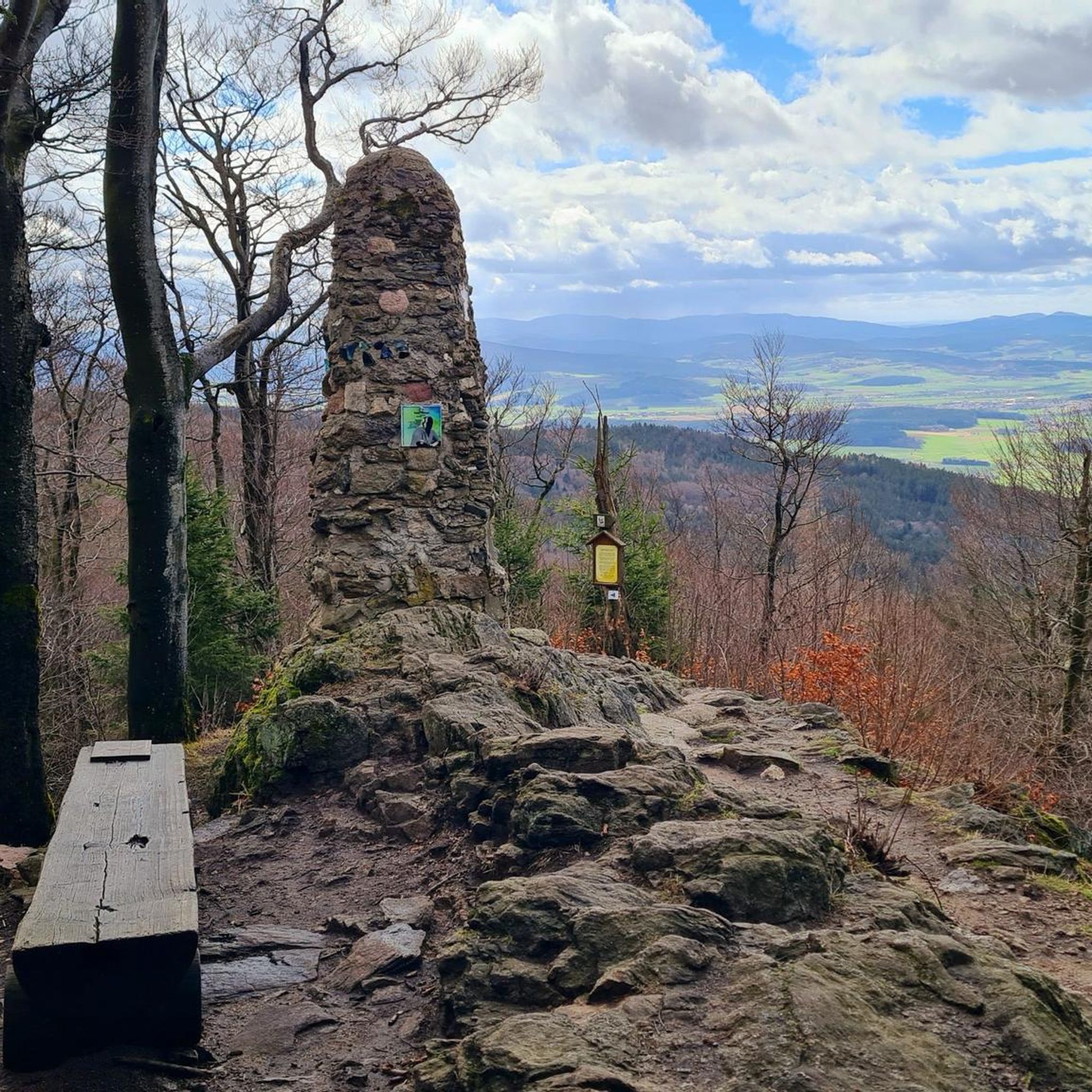
퓌덴스도르프 성 기념비
하이라이트 • 역사적 장소
번역자 Google •
팁에 의해

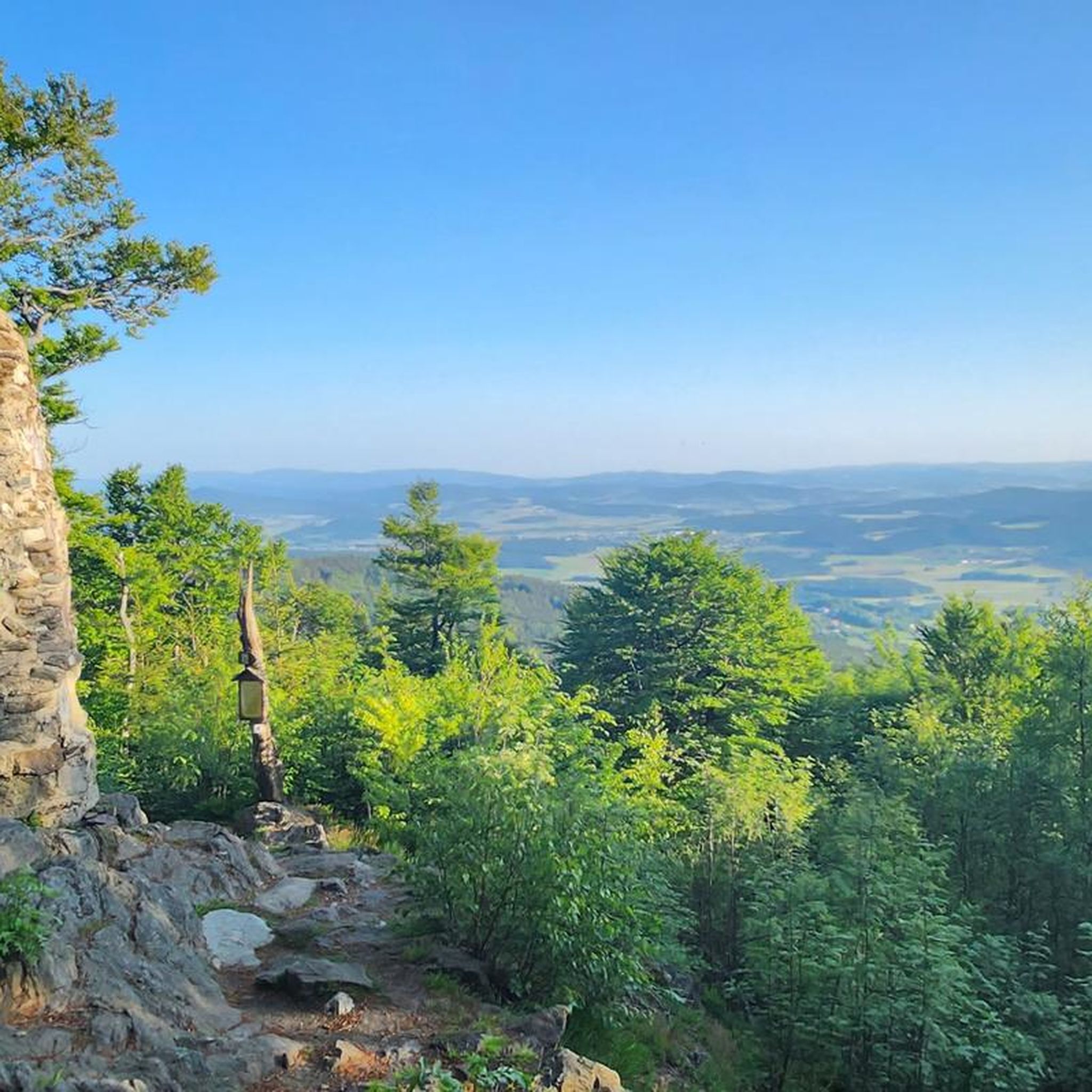
발트뮌헨 성의 국경지대·트렌크 박물관
하이라이트 • 역사적 장소
번역자 Google •
팁에 의해

무료로 가입하여 글라이센베르크 주변의 더 많은 성을 발견하세요.
이미 komoot 계정이 있나요?
오늘 무료 계정으로 시작하세요
다음 모험이 기다리고 있어요.
커뮤니티 팁

The destination isn't worthwhile. The remains of the ruins are completely overgrown. Therefore, you don't get a complete overview and have no long-distance view.
0
0

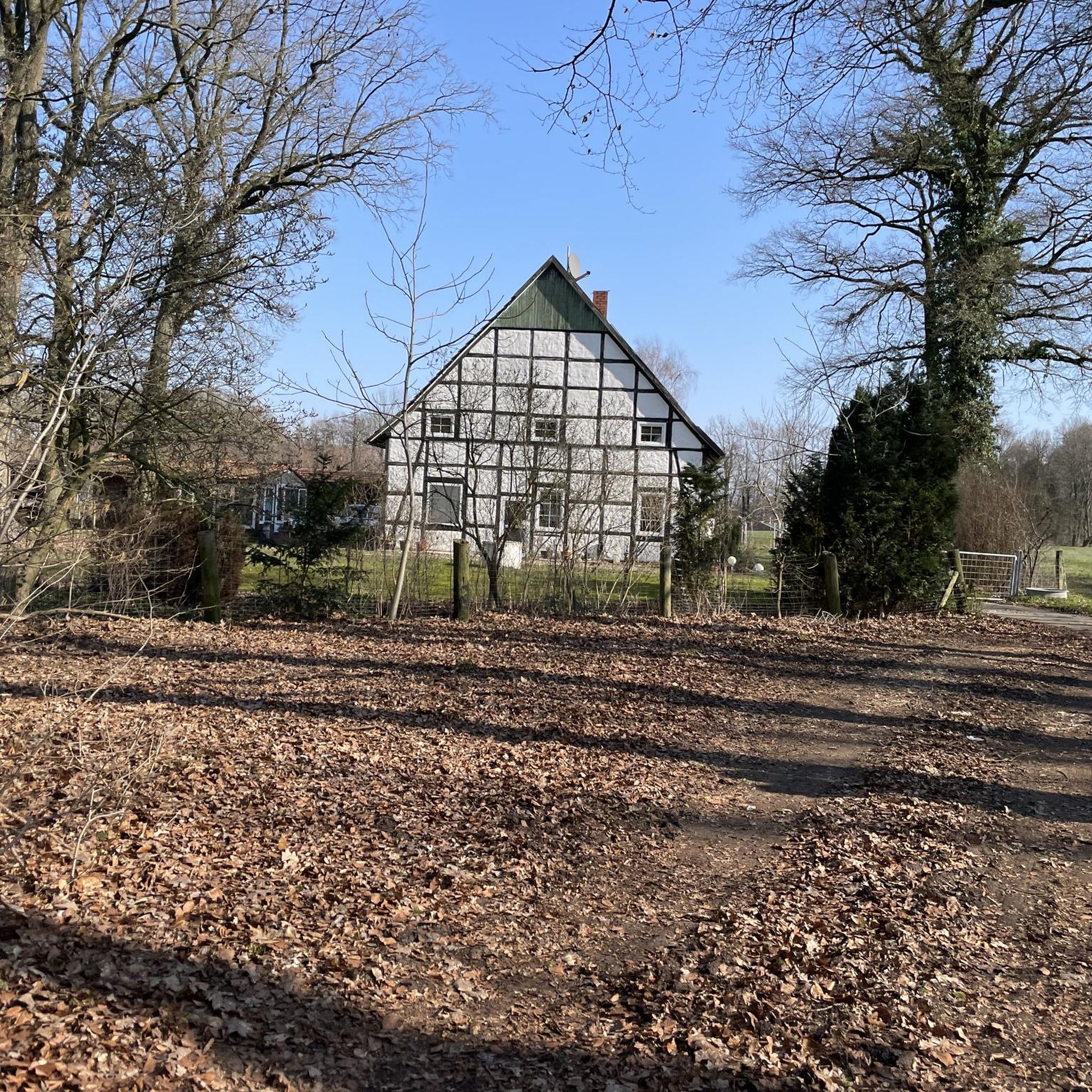
Püdensdorf Castle The original Püdensdorf lowland castle was a castle within the ring of fortifications surrounding Cham Castle; similar to Chameregg Castle, Katzberg Castle, or Satzdorf Castle, it served Püdensdorf, south of Cham, as the last outpost of this fortification. The castle was located in slightly marshy terrain directly on the left bank of the Regen River, approximately 1,500 m east of Cham and approximately 1,000 m northwest of Chammünster. Philipp Apian's 1568 map shows a two-story gabled building with a large tower attached to the side. It is believed to have been built in the 12th century. It was probably owned by the Püdensdorf family, ministerials of the Margraves of Cham. The first documented reference to this family is likely Aerbo de Pudemingesdorf, who appears as a witness in a transfer of property to Reichenbach Abbey. The Püdensdorf family is documented as owners here until the 16th century. Under Leonhard Püdensdorfer, the estate's status as a Hofmark is first documented in 1488. On April 1, 1528, Michael Püdensdorfer was forced to sell due to financial difficulties. In 1710, the Barons von Vieregg acquired the landed estate and remained there until the 19th century. According to Michael Wening's 1721 engraving, Püdensdorf Castle is a two-story, angled structure with a curved Baroque façade. Other components, including a tower with a gabled roof, are located within the castle grounds. In 1829, Cham citizens, the so-called "Püdensdorfer Weidengemeinschaft," purchased the heavily indebted estate from the last surviving Vieregger daughters. The castle had been damaged in 1806 by an ice drift caused by rain flowing nearby. After a gable collapsed in 1826 as a result of a storm, another ice blast destroyed the surrounding wall, causing half of the building to collapse in 1829. Subsequently, it was completely demolished and leveled, while the demolition material was sold. The associated properties have since been sold. For a long time after its demolition, the site of the former castle building was marked only by a slight elevation in the meadowland directly on the banks of the Regen River. It was not until 2003, on the initiative of the Friends of the Old Town of Cham and with the support of the Lions Club of Cham, that a memorial stone was erected at this spot and a pear tree was replanted, whose ancestor had been the only reminder of the castle. Source: Excerpts from www.wikipedia.de
2
0

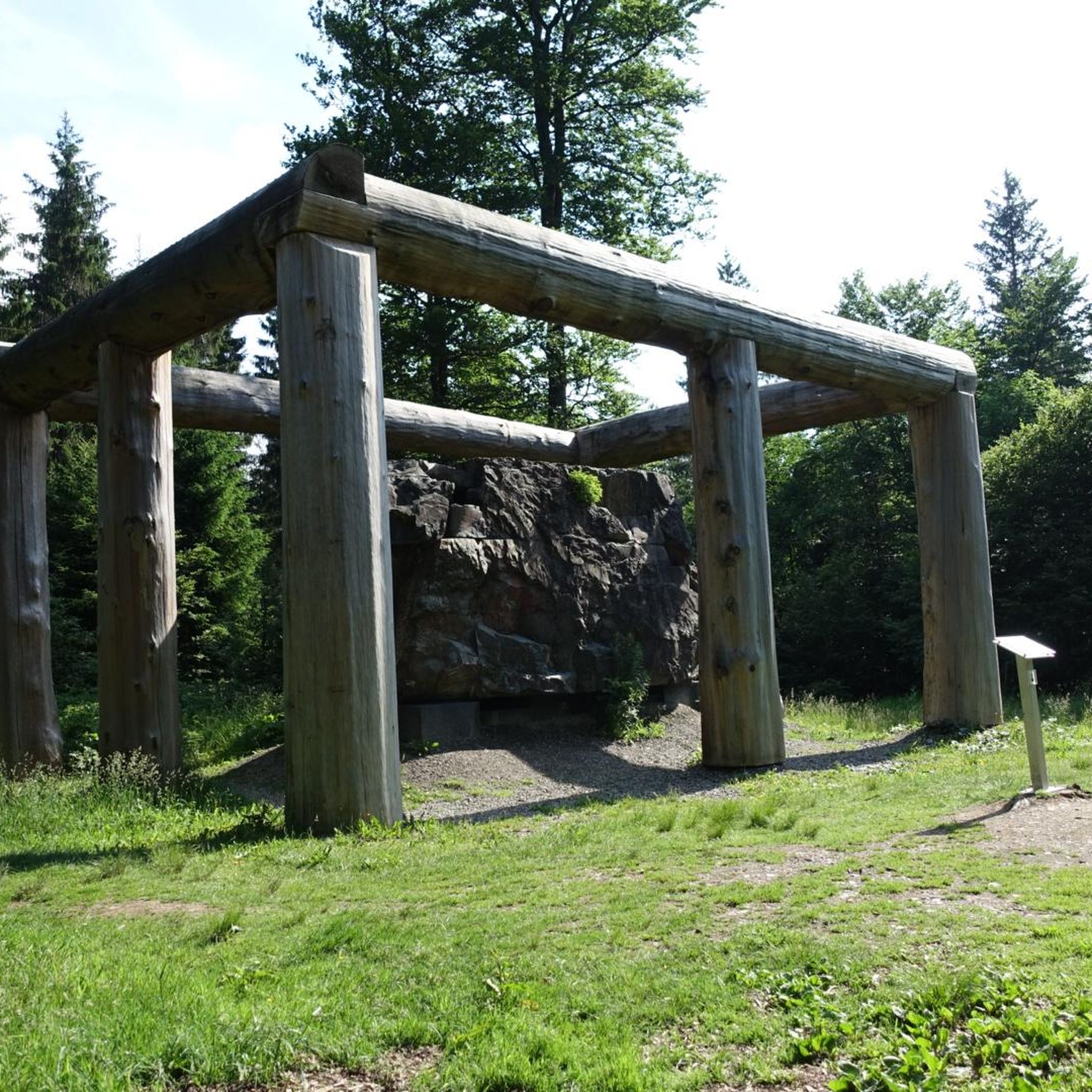
Being a visitor to the Waldmünchener Urlaubsland you should not miss to see this. A visit helps to understand the history of the area very much. Hiking the borderline and the bohemian forest seeing the borderline 2D model will help you to read the hidden historical places and traces in the woods on the Czech side of the border. A must see!
1
0
Waffenbrunn Castle In 1297, a "Friedericus junior de Bossenbrun" appears as the first representative of this family, which is named after the place; they are documented here until after 1330. After the middle of the 14th century, the Lords of Darstein followed. In 1488, Waffenbrunn is documented as a manor. Around 1500, the manor must have passed into the possession of Gabriel von Parsberg; he is recorded here in the land register in 1503. Towards the middle of the 16th century, the Nussberg family is recorded as the owners. Through marriage to the heiress of Nussberg, the property came to Lorenz von Sparnberg in 1571, but he had to leave Waffenbrunn as a Protestant. In 1627, Johann Heinrich Nothafft von Wernberg zu Wiesenfelden took possession of the entire Sparnberg inheritance. At this time, Captain de la Haye from Brussels, father-in-law of Hans Heinrich Nothafft, lived. In 1641, Georg Adolf Schätzl von Hörmannsberg acquired the property, which was taken over by the Freinhuber family in 1669. In 1671, Waffenbrunn was sold to the family of Johann Wolfgang von Thürnitz. In 1748, Franz Peter von Paur, Imperial Knight and Court Chamberlain, acquired the Waffenbrunn estate. The residential tower built by the Waffenbrunn family is probably the oldest part of the complex. The Darstein family built the residential building in the middle of the complex and the chapel in the 15th century. The castle was also protected by a moat to the north and several ponds to the south. During the Thirty Years' War, the castle was plundered and damaged in 1633. A second plundering took place in 1641. The buildings were rebuilt by Maximilian Freinhuber, but this was destroyed again by a large fire in 1677. It was only the von Paur family that finally restored the castle, removing the fortifications and expanding it into its current form. The south-western part of Waffenbrunn Castle is now occupied by a horseshoe-shaped three-wing complex of the farmyard, which was newly built in 1926. The steep gable of the rectangular two-storey main building, which stands on a high base, is striking. To the west of it and connected to it by an intermediate building, rises the medieval, four-storey former residential tower with a half-hipped roof. To the north and west there is an enclosed castle garden in the style of a landscape garden from the late 18th and 19th centuries with remains of the castle wall. Source: Excerpts from www.wikipedia.de
3
0
Buchberg Castle Ruins The first representative of the Puchbergs, who can certainly be referred to this place, was Otto I, first mentioned in 1196. The family originally belonged to the Diepoldinger ministeriality, and from 1204 to the Wittelsbacher. Relationships with the Bogeners arose from the widely scattered family property. In 1301, Hildebrand II sold the last remaining share of the castle to Duke Otto III of Lower Bavaria. The focus of the family's possessions now shifted to southern Lower Bavaria. The ancestral castle is said to have been pledged by the dukes to Rudlant Göttlinger in 1320. It was last mentioned in 1331 during the division of Lower Bavaria. It was then possibly used by the Göttlingers as a starting point for raids and destroyed or abandoned by the citizens of Cham. As early as 1347, grazing and usage rights were mentioned on the Buchberg, and in 1470 forests and a former castle. After its abandonment or destruction after 1331, it served as a quarry until recently. The oval complex, with a total length of 150 m and a maximum width of 60 m, is divided into an outer and main castle. The former occupies the highest peak covered with granite blocks at the southern end of the castle hill. To the north-northwest it is secured by a moat up to 12 m wide with an outer rampart, some of which has been preserved. The egg-shaped interior of the main castle measures approx. 50 x 40 m. The lower western part was protected by a ring wall that made clever use of the terrain, a 17 m long section of which has been preserved. The higher part of the castle was surrounded by its own ring wall, some of which can be seen. The southern part of the area was occupied by a large, multi-room building. At the highest point is the base of the keep. To the north-northwest, the main castle is adjoined by a plateau up to 20 m wide. In front of this is a ditch-like structure about 70 m long. It runs into the slope in the east and leaves the access to the main castle free in the west. Overall, the structure of the complex is not easy to understand due to the heavy vegetation. After 1997, the few remaining parts were secured. Source: Extracts from www.ebidat.de
4
0

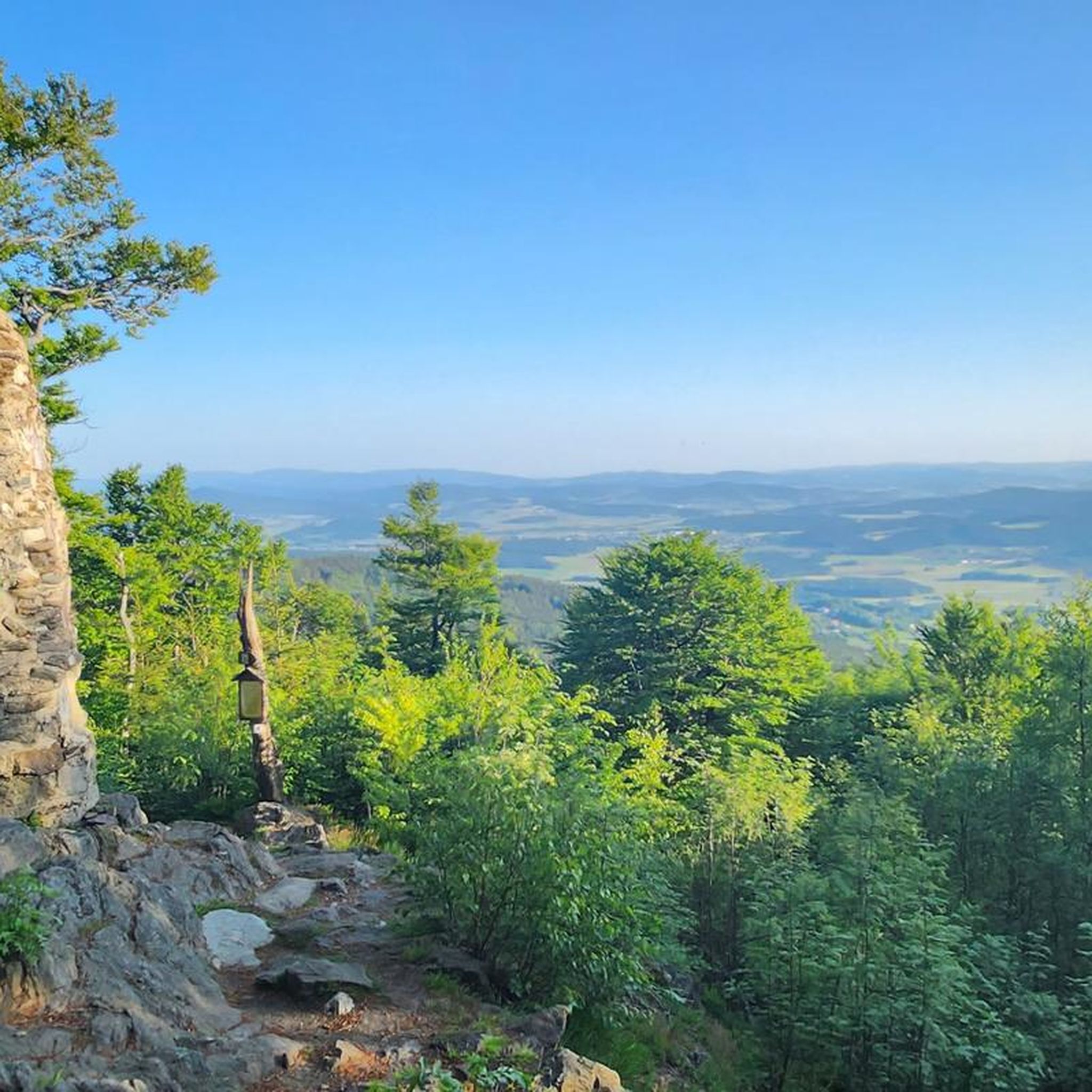
The Buchberg castle ruins, also known as Schlossberg, are located on a 563-meter-high hill on the Buchberg. The Counts of Bogen built the castle in the 12th century and the Lords of Puchberg joined them later. The castle was destroyed in the 14th century and today only the stump of the keep and the remains of the walls remain.
2
0

The castle was damaged in 1806 by an ice shove caused by the rain that was flowing past. After a gable collapsed in 1826 as a result of a storm, another ice shove destroyed the surrounding wall, causing half of the building to collapse in 1829. It was subsequently completely demolished and leveled, while the demolition material was sold. The associated properties were sold. After the demolition, the site of the former castle building was for a long time only marked by a slight elevation in the meadowland directly on the banks of the Regen. It was not until 2003 that a memorial stone was erected at this spot on the initiative of the Cham Old Town Friends and with the support of the Cham Lions Club and a pear tree was planted again, the only reminder of the castle being its fallen predecessor.
2
0

The Borderland and Trenck Museum enriches the museum landscape in the Cham district with another special museum. On three floors, it presents interesting and, above all, visual information on the main topics of "Life on the Border" and "Trenck the Pandur", who besieged the town of Waldmünchen in the service of Empress Maria Theresa during the War of the Austrian Succession. The historical open-air festival play "Trenck the Pandur" has been commemorating this event since 1950.
20
0
글라이센베르크 주변에서 가장 인기 있는 명소


더 살펴보기
다른 곳에서 최고의 성을 찾고 계신가요? 다른 가이드를 발견해보세요 글라이센베르크 주변:
