달리기에서 가장 멋진 17개의 동굴
성을 방문하는 건 언제나 특별한 일이에요. 하이킹을 하다가 잠깐 들를 때도, 가이드를 따라 제대로 둘러볼 때도 말이죠. 달리기에 있는 아름다운 성 17
곳을 아래에서 살펴본 후에 마음에 드는 성을 다음 모험 때 만나보세요!
마지막 업데이트: 10월 11, 2026
리히테네크 성 유적지
하이라이트 • 성
According to a local story, the lords of the castle at Lichteneck are supposed to have defeated their worst enemies, …
번역자 Google •
팁에 의해

슈바르첸부르크 성 유적지
하이라이트 • 성
번역자 Google •
팁에 의해

이런 장소를 발견하려면 지금 가입하세요
최고의 싱글 트랙, 봉우리 및 다양한 흥미로운 야외 장소에 대한 추천을 받아보세요.

부흐베르크 성 유적지
하이라이트 (구간) • 성
The first representative of the Puchbergs, who can certainly be referred to this place, was Otto I, first mentioned in 1196. The family originally belonged to the …
번역자 Google •
팁에 의해

외덴투름(카메레크 성 유적)
하이라이트 • 성
번역자 Google •
팁에 의해

무료로 가입하여 달리기 주변의 더 많은 성을 발견하세요.
이미 komoot 계정이 있나요?
오늘 무료 계정으로 시작하세요
다음 모험이 기다리고 있어요.

커뮤니티 팁


The destination isn't worthwhile. The remains of the ruins are completely overgrown. Therefore, you don't get a complete overview and have no long-distance view.
0
0

Magnificent view from up there. Definitely worth a detour.
1
0

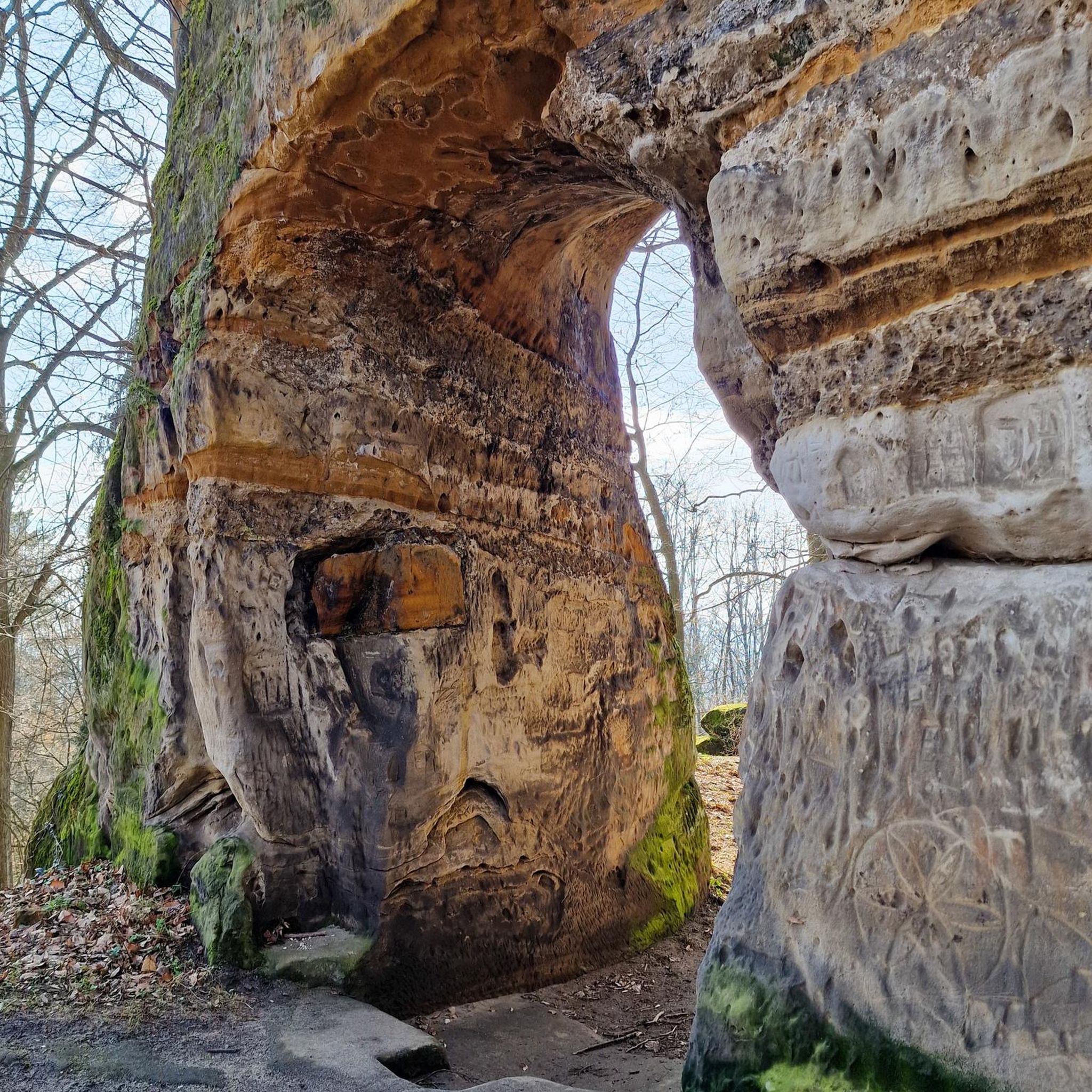
Chameregg Castle Ruins The castle may have been built as early as the 12th century; an iron kingdom of Chameregg is mentioned in a document from 1322, but the castle itself is not mentioned for the first time until 1352. At that time, Konrad von Chameregg was the owner; he came from the highly wealthy Chamerauer family. In the 14th century, the Chamerauers assumed important offices for the Duke of Lower Bavaria/Straubing – the four brothers Peter, Heinrich, Ulrich, and Friedrich were chamberlains, captains, vicars, and city administrators. In 1365, they lost all these high offices for breach of trust and revenue evasion. Whether this was justified is unclear, but they were gradually rehabilitated. Later, however, the family's fortunes declined rapidly; the horrendous expenses for representation and luxury could no longer be covered, and debts and mortgages piled up. In 1446, two unnamed Chamerauers were even executed by Duke Albrecht in Straubing for robbery and murder. Like so many other knights during this period, they had resorted to robber barons. In 1452, the last of the Chamerauers, Peter, died heavily in debt, and his remaining possessions went to creditors. Chameregg passed through many hands, perhaps abandoned decades earlier and falling into disrepair – the new lords had moved to a moated castle in the valley. In the 15th century, the Polling family still appears as owners, but then news of it ceases. The castle was renovated in the 1980s. Essentially, only part of the former keep remains of the small castle. The "halved" tower clearly shows how a medieval keep is constructed: four stories with vaults are clearly visible. The entrance is about 9 meters high. The wall consists of a shell of carefully hewn bossed ashlars on the outside, a rubble stone filling, and smaller, smooth ashlars on the inside. The rooms had an area of only 13 m². As usual, the lowest floor was only accessible from above through a so-called "fear hole." The careful construction suggests that it was built as early as the 12th century. In the northwest corner, traces of the wall of the entrance area can still be found, which was probably protected by a gate tower. The complex was surrounded by a surrounding moat, much of which can still be seen. Source: www.burgenseite.de
2
0

This is a fantastic castle ruin with a great view. The ruin is very impressive and has lots of information boards. There are several hiking trails to this ruin, short or long, anything is possible! In the ruin there are several comfortable places to sit and take a break. There is also a wonderful viewing point with a bench. Access is always possible and free!
1
0
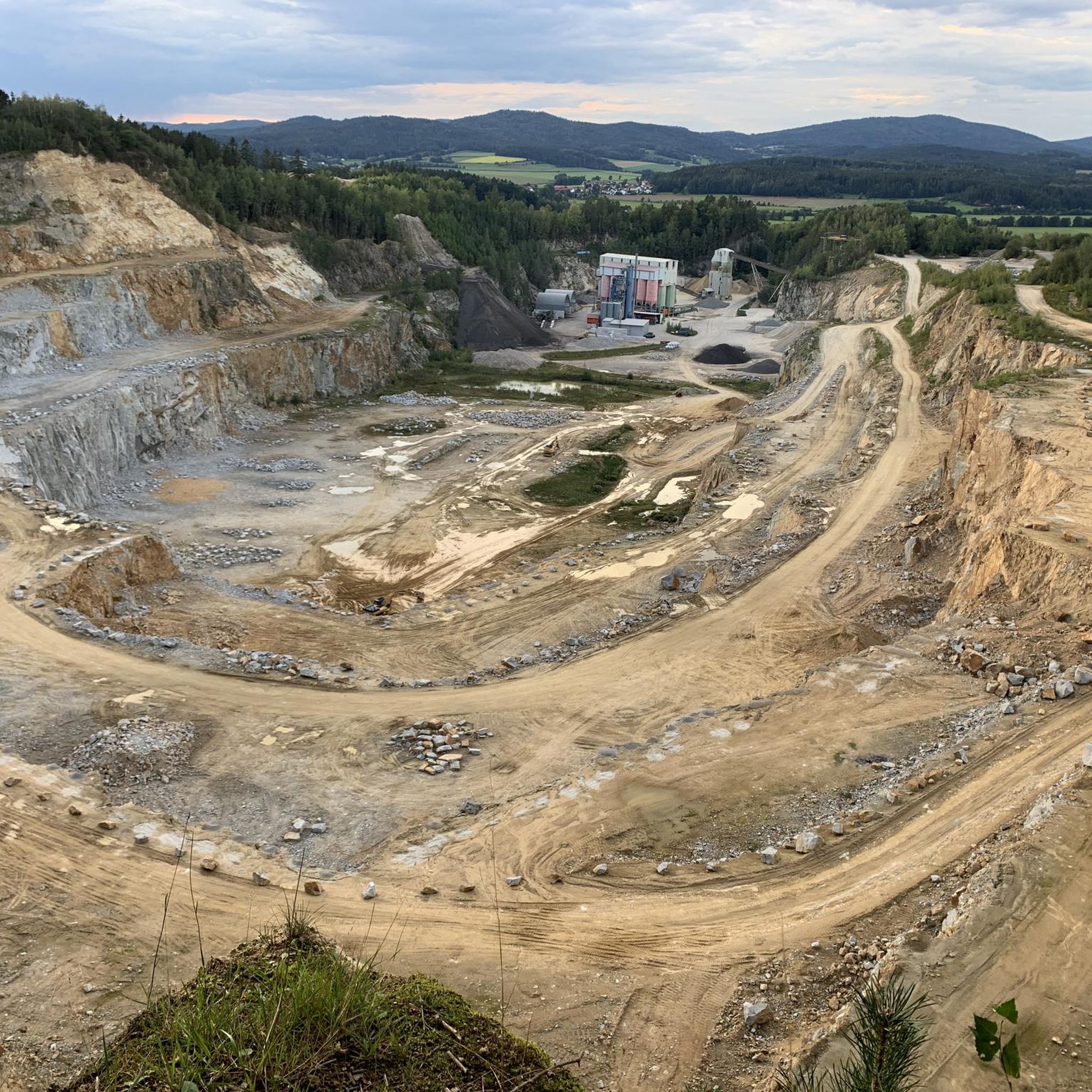
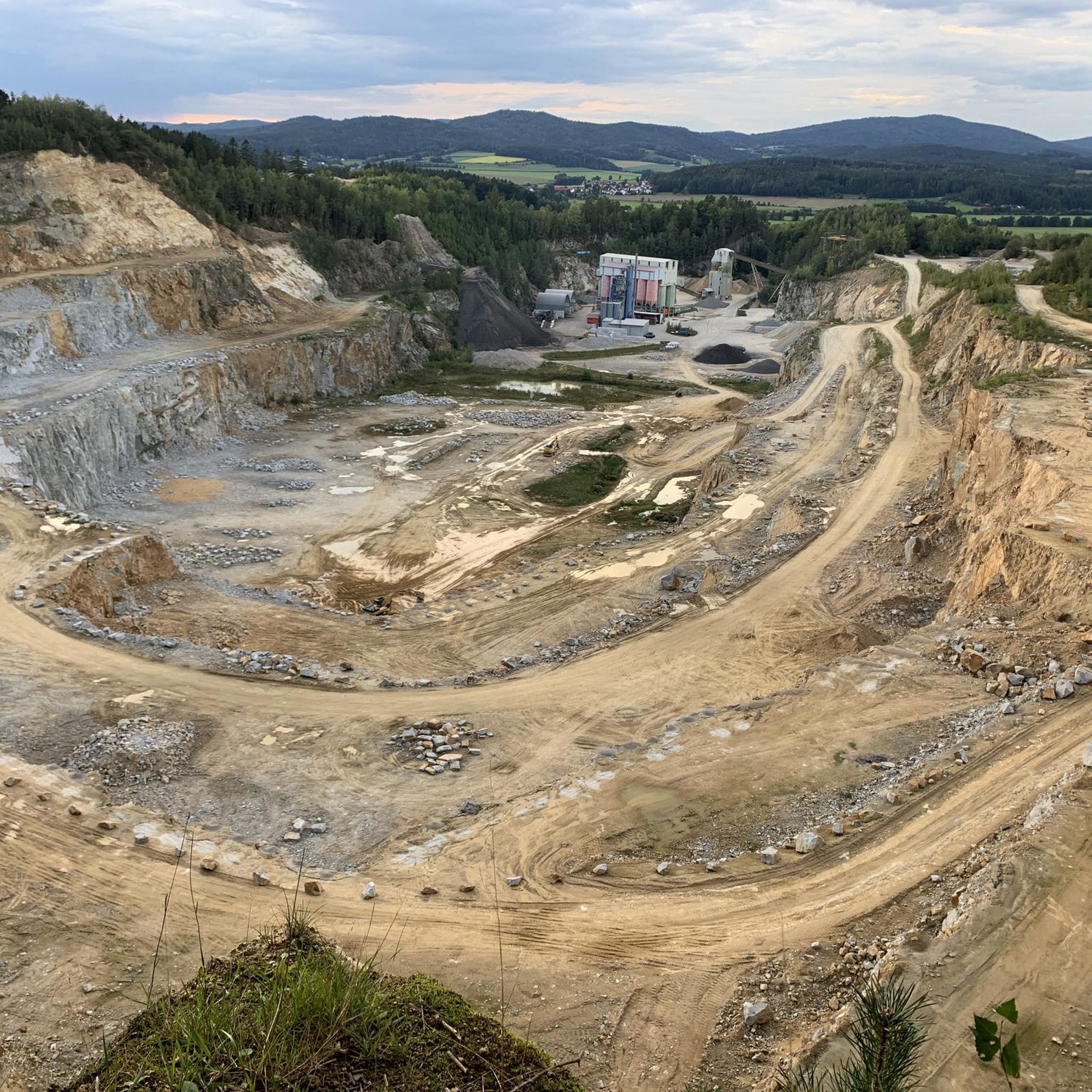
Buchberg Castle Ruins The first representative of the Puchbergs, who can certainly be referred to this place, was Otto I, first mentioned in 1196. The family originally belonged to the Diepoldinger ministeriality, and from 1204 to the Wittelsbacher. Relationships with the Bogeners arose from the widely scattered family property. In 1301, Hildebrand II sold the last remaining share of the castle to Duke Otto III of Lower Bavaria. The focus of the family's possessions now shifted to southern Lower Bavaria. The ancestral castle is said to have been pledged by the dukes to Rudlant Göttlinger in 1320. It was last mentioned in 1331 during the division of Lower Bavaria. It was then possibly used by the Göttlingers as a starting point for raids and destroyed or abandoned by the citizens of Cham. As early as 1347, grazing and usage rights were mentioned on the Buchberg, and in 1470 forests and a former castle. After its abandonment or destruction after 1331, it served as a quarry until recently. The oval complex, with a total length of 150 m and a maximum width of 60 m, is divided into an outer and main castle. The former occupies the highest peak covered with granite blocks at the southern end of the castle hill. To the north-northwest it is secured by a moat up to 12 m wide with an outer rampart, some of which has been preserved. The egg-shaped interior of the main castle measures approx. 50 x 40 m. The lower western part was protected by a ring wall that made clever use of the terrain, a 17 m long section of which has been preserved. The higher part of the castle was surrounded by its own ring wall, some of which can be seen. The southern part of the area was occupied by a large, multi-room building. At the highest point is the base of the keep. To the north-northwest, the main castle is adjoined by a plateau up to 20 m wide. In front of this is a ditch-like structure about 70 m long. It runs into the slope in the east and leaves the access to the main castle free in the west. Overall, the structure of the complex is not easy to understand due to the heavy vegetation. After 1997, the few remaining parts were secured. Source: Extracts from www.ebidat.de
4
0

The Buchberg castle ruins, also known as Schlossberg, are located on a 563-meter-high hill on the Buchberg. The Counts of Bogen built the castle in the 12th century and the Lords of Puchberg joined them later. The castle was destroyed in the 14th century and today only the stump of the keep and the remains of the walls remain.
2
0

Very informative and beautiful castle ruins. The walk is worth it.
1
0
달리기 주변에서 가장 인기 있는 명소


더 살펴보기
다른 곳에서 최고의 성을 찾고 계신가요? 다른 가이드를 발견해보세요 달리기 주변:
