노이하우스 안 데어 페그니츠에서 가장 멋진 20개의 동굴
성을 방문하는 건 언제나 특별한 일이에요. 하이킹을 하다가 잠깐 들를 때도, 가이드를 따라 제대로 둘러볼 때도 말이죠. 노이하우스 안 데어 페그니츠에 있는 아름다운 성 20
곳을 아래에서 살펴본 후에 마음에 드는 성을 다음 모험 때 만나보세요!
마지막 업데이트: 9월 26, 2026


이런 장소를 발견하려면 지금 가입하세요
최고의 싱글 트랙, 봉우리 및 다양한 흥미로운 야외 장소에 대한 추천을 받아보세요.

브라이텐슈타인 성의 이중 예배당
하이라이트 • 종교적 장소
번역자 Google •
팁에 의해

전망대가 있는 리히텐슈타인 성 유적지
하이라이트 • 전망대
번역자 Google •
팁에 의해

무료로 가입하여 노이하우스 안 데어 페그니츠 주변의 더 많은 성을 발견하세요.
이미 komoot 계정이 있나요?
오늘 무료 계정으로 시작하세요
다음 모험이 기다리고 있어요.
노이하우스 안 데어 페그니츠 주변 인기 장소
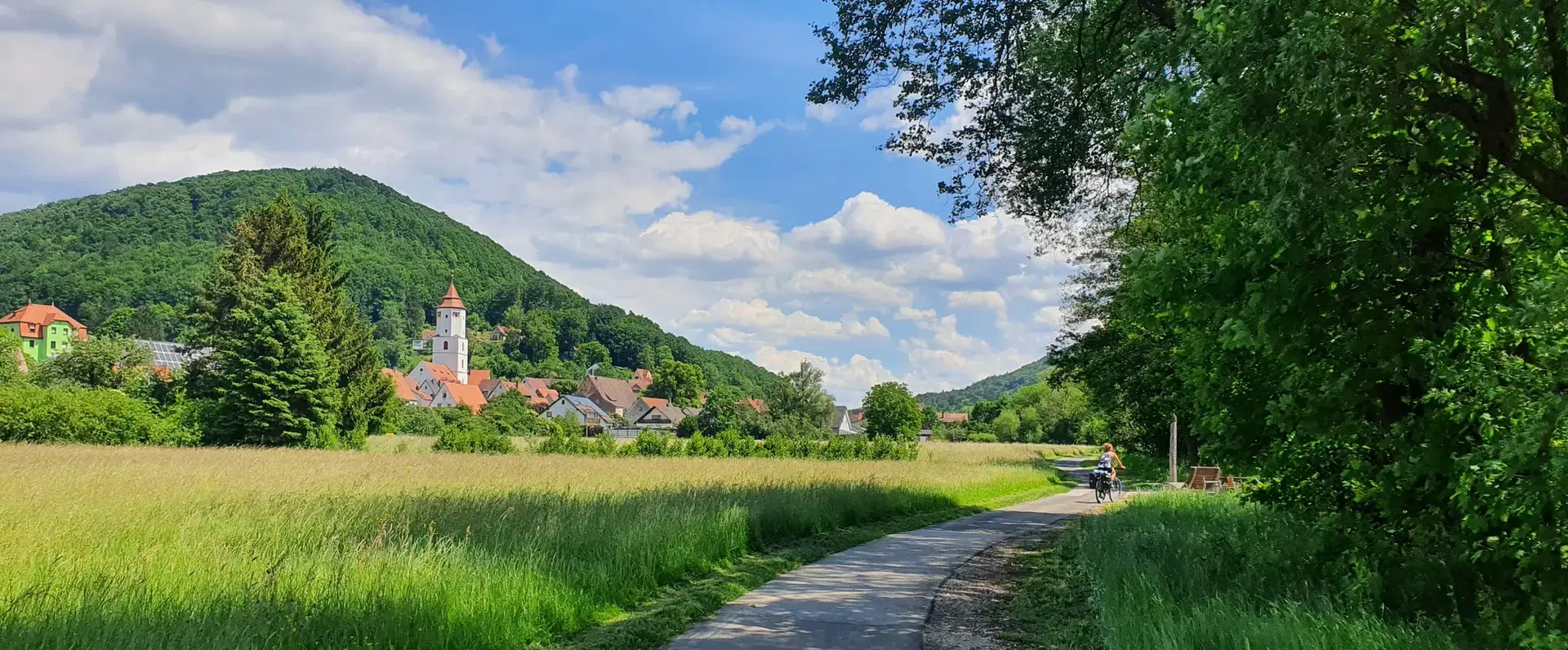
Cycling through the Nuremberg metropolitan region – nature & enjoyment

에르츠베그 질 걸어다니기 트레일 11일

Cycling to the Hop Weeks in the Nuremberg Region
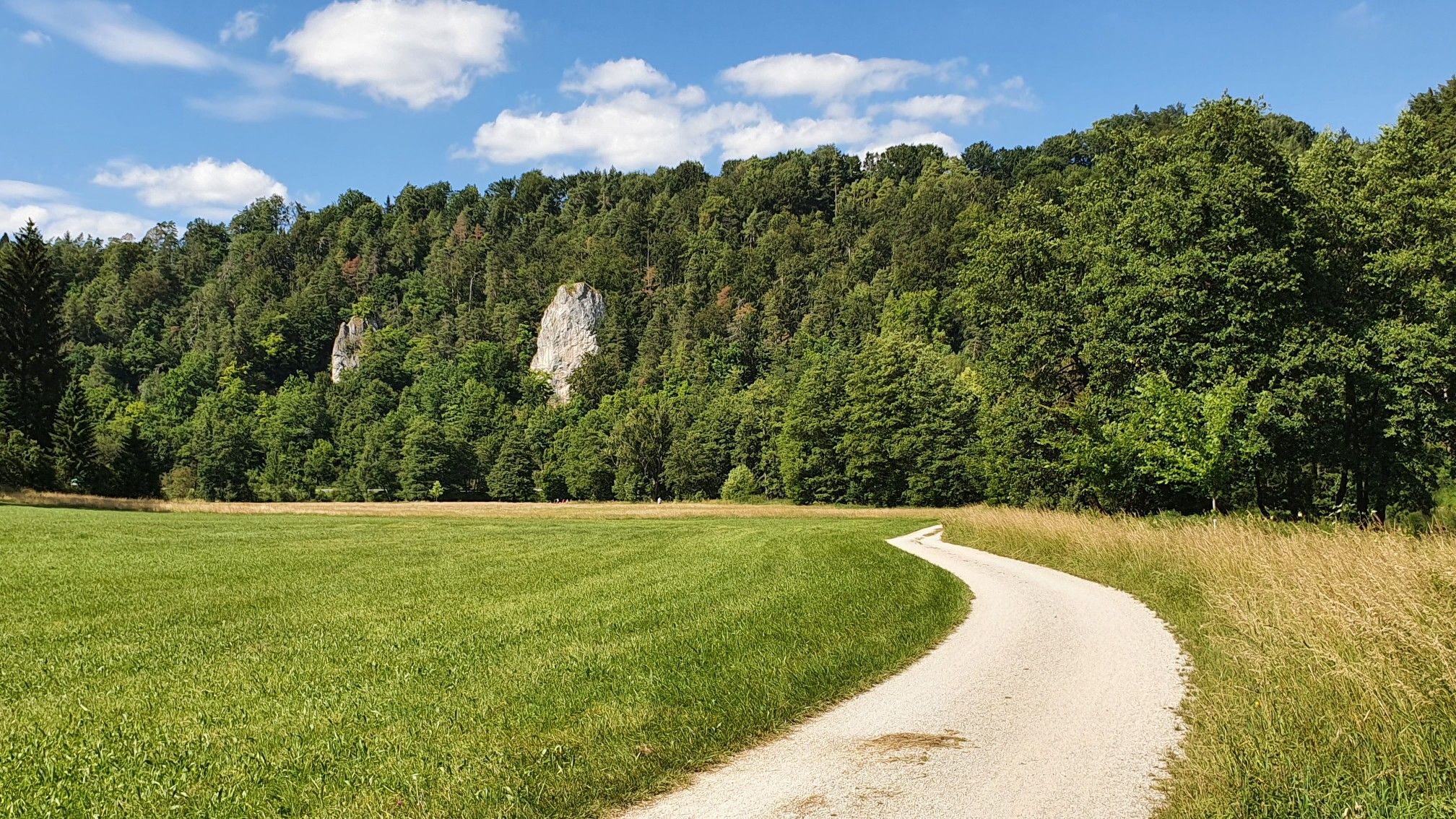
일일 여행이나 주말 게타웨이 - 페그니츠 자전거 길
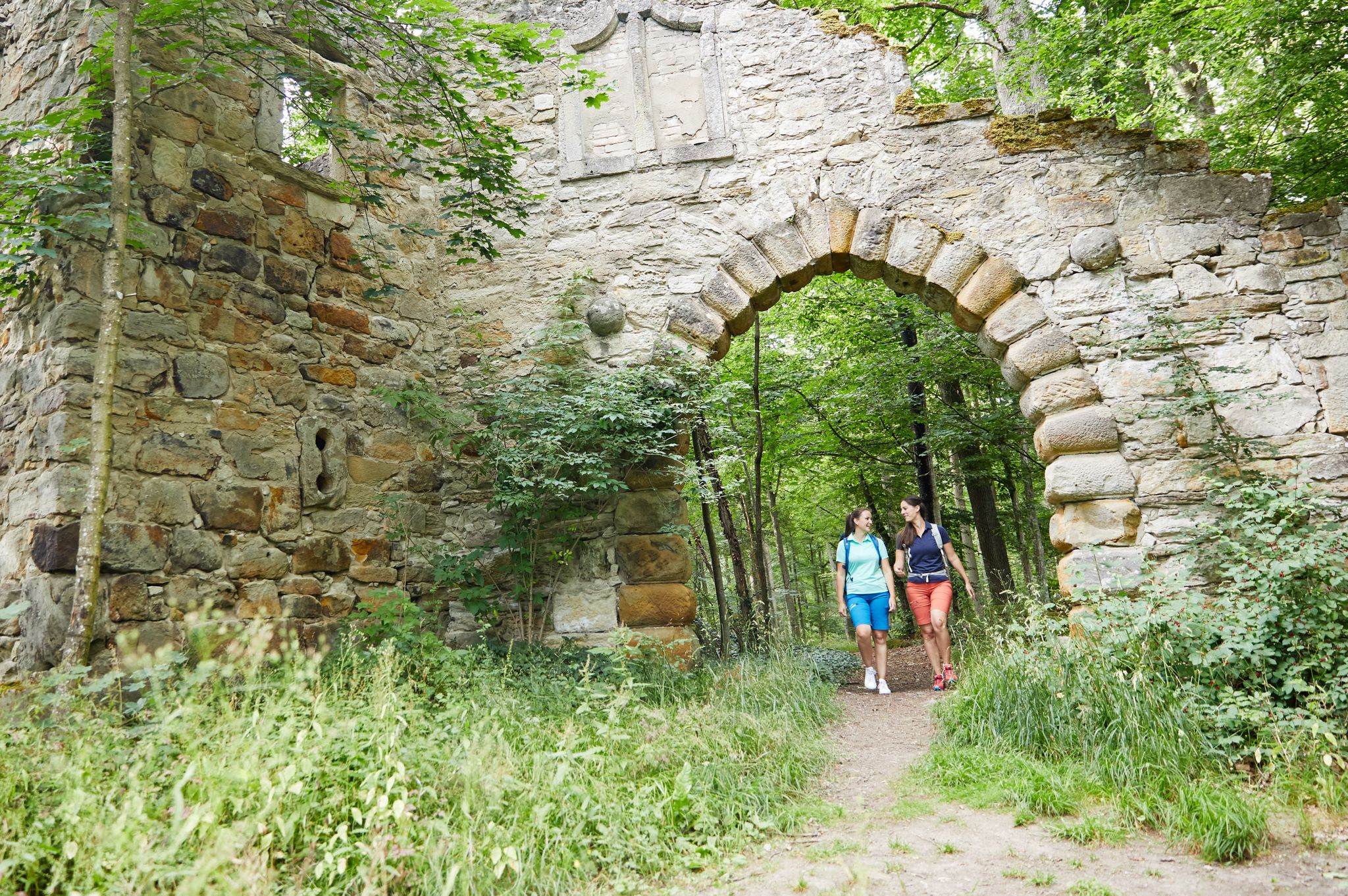
Full of views and fun – VGN leisure tips 2022

뉘른베르거 란트를 모든 감각으로 탐험하십시오 - 감각적인 사이클링 길
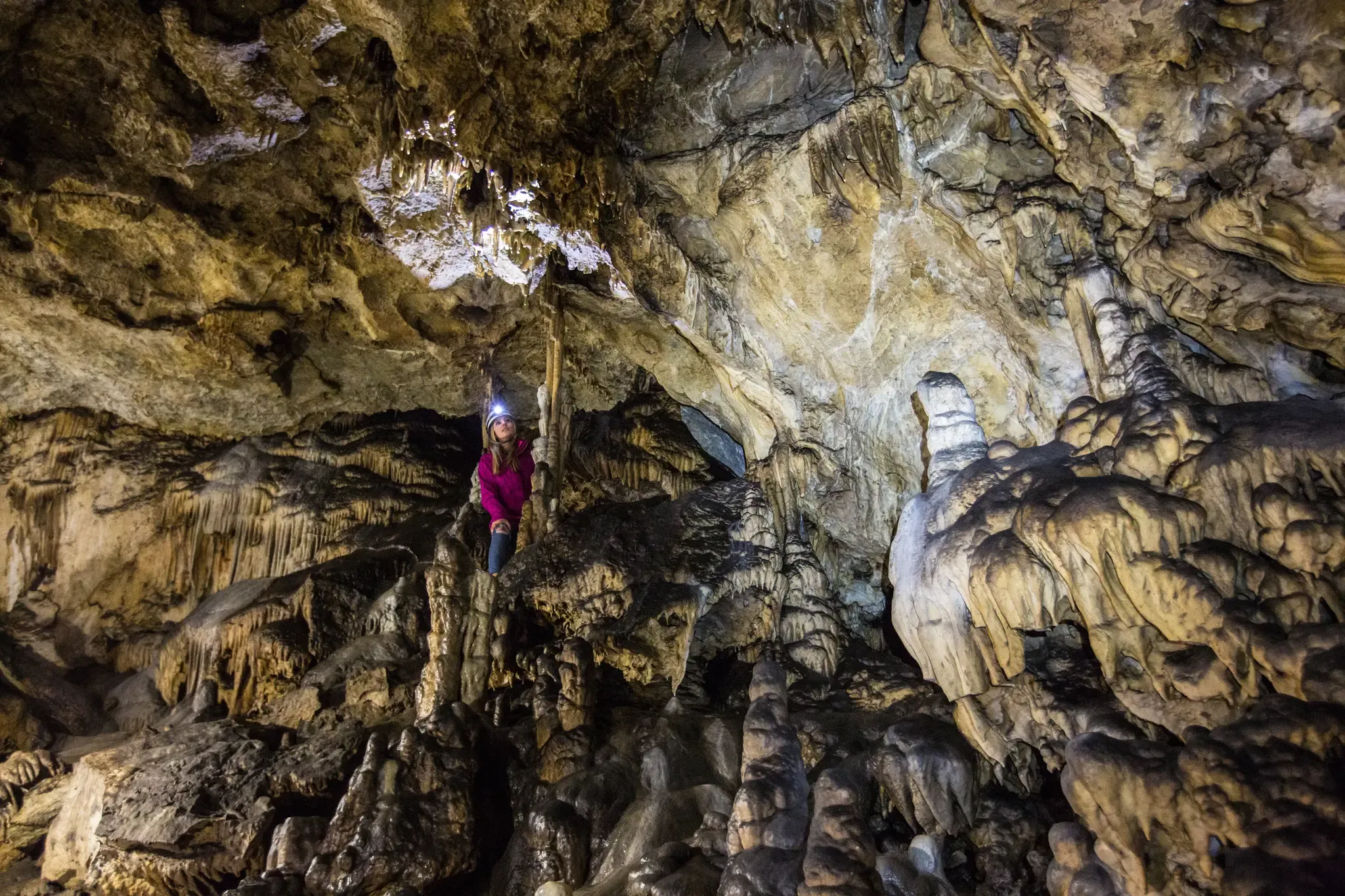
Surrounded by rocks — caving in Germany’s Nuremberg region

Get ready to explore — e-biking in Germany’s Nuremberg Region
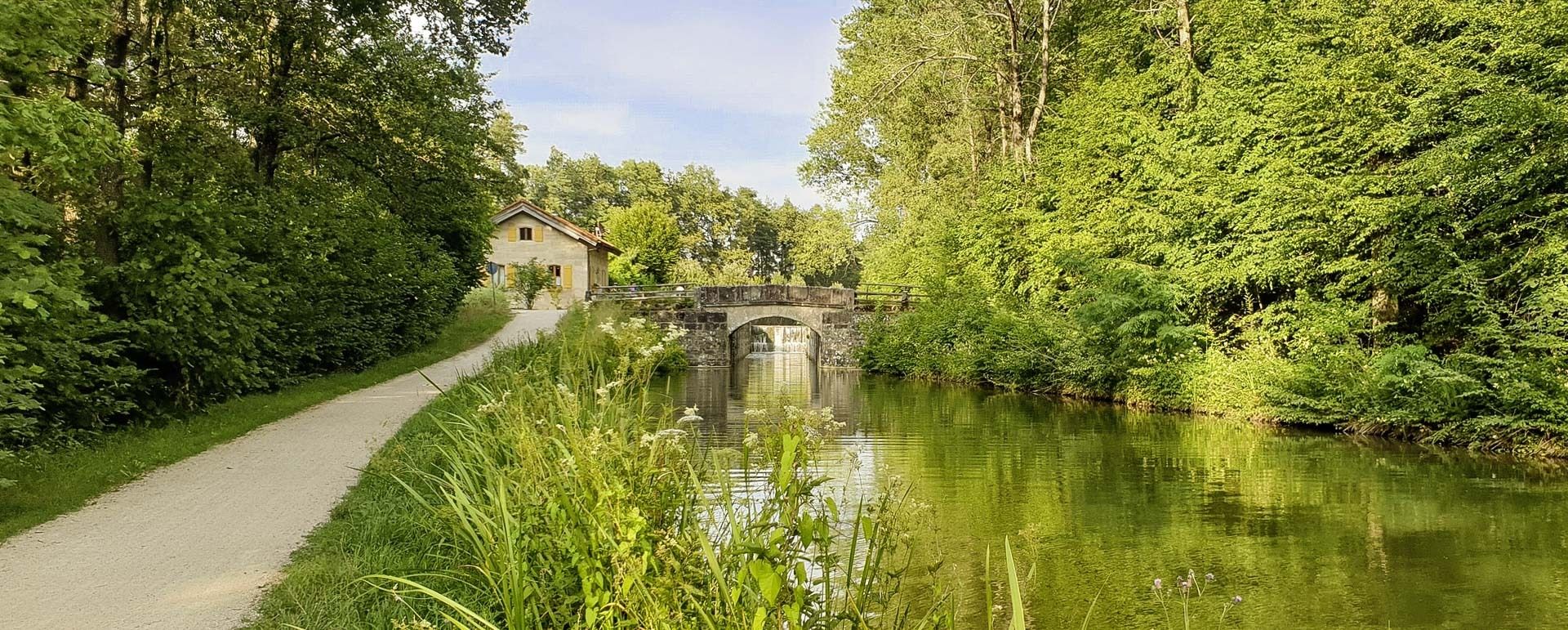
Gentle hills, rivers & forests – cycling in Germany’s Nuremberg Land
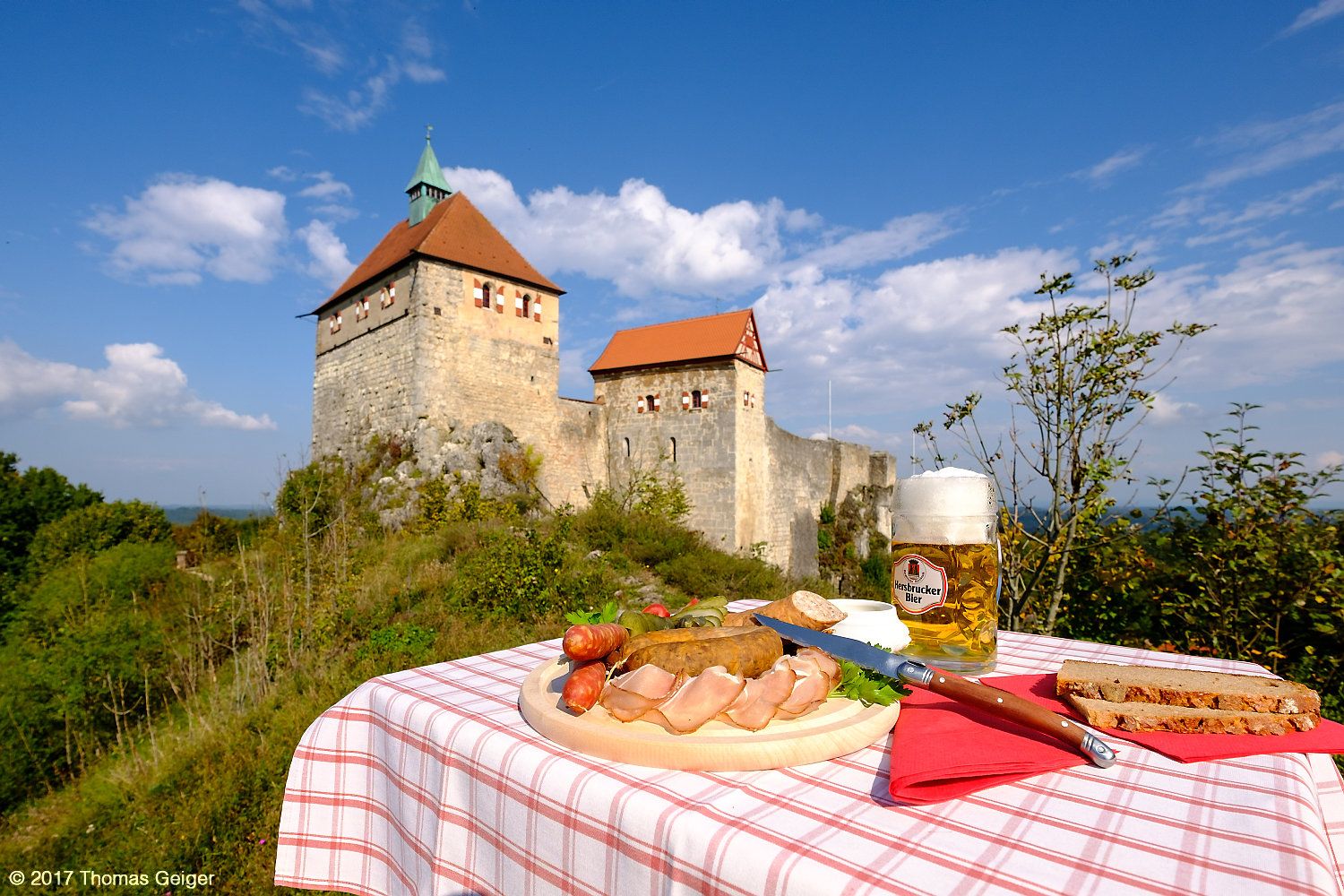
Culinary cycling Tours in the heart of the Franconian Alb mountains
노이하우스 안 데어 페그니츠 주변의 다른 모험


커뮤니티 팁

In 1525 the castle was completely destroyed during the Peasants' War. After the people of Nuremberg had rebuilt it, it was destroyed again in 1553 by Margrave Albrecht Alcibiades during the Second Margrave War and was not rebuilt afterwards. In 1827 the western half of the keep, which had been largely intact until then, collapsed after a lightning strike. The first measures to secure the building structure were taken in 1913, and the ruins were completely renovated in 2013/2014. Remnants of the walls of the palace, the keep, other buildings and the surrounding walls still remain. Today the ruins are protected as a landscape-defining architectural monument D-5-74-158-80 "Castle ruins, significant remains of the keep and adjoining buildings, limestone blocks and limestone quarry stone, 13th-15th century. Century”, as well as archaeological monument D-5-6334-0016 “Medieval and early modern findings in the area of the Wildenstein castle ruins” recorded by the Bavarian State Office for Monument Preservation. Source: Wikipedia
4
0
In 1391 the castle was pledged to Linhard von Henfenfeld by the Wittelsbach dukes, after which other pledge holders and caretakers appeared. In 1419 it was ceded to the brothers Hans, Eberhart and Wilhelm von Mistelbeck, who had claims against Duke Ludwig of Bavaria-Ingolstadt. The handover did not take place because of the Bavarian War. In the Bavarian War between Duke Ludwig of Bavaria-Ingolstadt and his cousins, the Bavarian Dukes of Landshut and Munich, Lichtenstein Castle was conquered and destroyed in June 1421 by Count Palatine Johann von Neumarkt-Neunburg, who was allied with Ludwig's opponents. In the terrain exploration of the imperial city of Nuremberg from 1503 to 1504, in which all castles and fortifications are listed in relation to the Landshut War of Succession that soon followed, Lichtenstein is described as “an old, traditional castle”. An entry in the Salbuch from 1516 also states that Lichtenstein was only a castle stable. The Sulzbach regional court granted the Mistelbeck brothers their right to compensation in 1421 and again in 1422. The castle ruins fell into disrepair; In 1851 the Bavarian state sold it to Paul Willhelm Freiherr Ebner von Eschenbach. Around 1855, in the spirit of the awakening romanticism of castles, he had the pseudo-ruins built on the upper castle using rising masonry and an English landscape garden set up in the area of the lower castle, which, however, also fell into disrepair.[5] Today there is forest around the castle ruins and it is partly overgrown with bushes. Several hiking trails from Pommelsbrunn and the surrounding area lead to the ruins. The medieval remains of Lichtenstein Castle, especially those of the lower castle, are at great risk of decay. Source: Wikipedia
6
0

Stierberg castle ruins The castle and the town at its feet owed their importance to the junction here from the high road, the section of the “via imperii” between Nuremberg and Bayreuth. This north-south axis crossed in Stierberg with the Altstrasse, which ran from west to east. The name Stierberg first appeared in 1187 with the mention of Otnand de Stierberc and in 1188 by a Poppo von Stierberch, both of which were ministerial offices of the Bishopric of Bamberg. Before 1308, the castle, which was later owned by the diocese, passed to the noble lords of Schlüsselberg. In 1306, Landgrave Ulrich von Leuchtenberg entrusted the castle to the Bishopric of Trier. In 1356 the property passed as a fief to Emperor Charles IV and thus to Bohemia. In 1417 Stierberg was sold to John of Bavaria by Landgrave Leopold. After the Landshut War of Succession, Stierberg fell into the hands of the Nurembergs without a fight in 1504 and thus to the Free Imperial City of Nuremberg. Then regained in the same year by the Palatinate under Ludwig von Eyb, but apparently significantly damaged during these fighting. Retaken by the Nuremberg troops in 1505, Stierberg and Betzenstein became part of the imperial city of Nuremberg. In the second federal war in 1553, the village and Stierberg Castle were shelled and captured by margrave troops, and the castle burned down completely. The castle ruins lie on a dolomite rock reef that slopes down on three sides. The upper main castle (southwest of the natural cut) only has a few remains of walls. You can see a piece of wall about 8 meters high and 1.3 meters thick and, at the highest elevation, wall rubble and remains of the foundation wall. To the north of the cutting there is a well-preserved, extended round tower on an isolated rock, 6 meters high and with quarry stone walls up to 1.8 meters thick. To the southeast at a height of around 2 meters there is an arched entrance opening. The top of the wall is covered with cement and bears a restoration inscription from 1914. The former bailiwick house, built in 1778/79, stands on the sloping slope. Behind the house is access to a partly artificial cave that runs through the entire castle rock in a southwesterly direction. Source: information board
4
0

Today there is forest around the castle ruins and it is partly overgrown with bushes. Several hiking trails from Pommelsbrunn and the surrounding area lead to the ruins. In any case, the view is beyond any doubt :)
4
0

Beautiful, well-preserved castle, which you can walk around just below the walls. You can also visit the inside for a fee of €2.50 for adults. The castle is open from March to November (weather permitting). The castle is open on Sundays and public holidays from 11 a.m. to 5 p.m It is closed on Mondays and Tuesdays.
6
0

Castle is accessible and can be visited. You have a great view. Between the floors there is a beautiful herb garden. A part is integrated into a rock. A newer building, the "long house", houses, among other things, holiday apartments.
6
1


A nice stopover on a hike that should not be missed, the chapel has always been open.
4
0
노이하우스 안 데어 페그니츠 주변에서 가장 인기 있는 명소


더 살펴보기
다른 곳에서 최고의 성을 찾고 계신가요? 다른 가이드를 발견해보세요 노이하우스 안 데어 페그니츠 주변:
