Paço 최고의 워킹 & 하이킹 경로
4.5
(129)
575
등산객
39
하이킹
Komoot에 등록된 Paço 내 트레일 및 경로 컬렉션 중에서 하이킹과 워킹을 가장 멋지게 즐길 수 있는 곳을 알려드릴게요. 아래에서 각 경로의 상세 정보를 모두 확인한 후, Paço 속 자연에서 즐거운 시간을 누려보세요.
마지막 업데이트: 9월 1, 2026
4.5
(50)
281
등산객
32.1km
08:44
550m
300m
어려운 하이킹. 우수한 체력 필요. 실력과 관계없이 누구나 쉽게 갈 수 있는 길.
4.6
(11)
51
등산객
32.2km
08:54
640m
360m
어려운 하이킹. 우수한 체력 필요. 실력과 관계없이 누구나 쉽게 갈 수 있는 길.

무료 회원 가입
4.6
(7)
13
등산객
10.5km
02:51
150m
150m
보통 하이킹. 좋은 체력 필요. 실력과 관계없이 누구나 쉽게 갈 수 있는 길.
3.45km
01:00
90m
90m
초급용 하이킹. 모든 체력 수준에 적합. 실력과 관계없이 누구나 쉽게 갈 수 있는 길.
3.7
(7)
20
등산객
9.79km
02:37
110m
110m
보통 하이킹. 좋은 체력 필요. 실력과 관계없이 누구나 쉽게 갈 수 있는 길.
더 다양한 경로와 다른 탐험가들의 추천을 살펴보세요.
무료 회원 가입
이미 komoot 계정이 있나요?
투어 추천은 다른 사람들이 komoot에서 완료한 수천 개의 활동을 바탕으로 구성되어 있습니다.
오늘 무료 계정으로 시작하세요
다음 모험이 기다리고 있어요.
로그인 또는 가입하기
Paço 주변 인기 장소
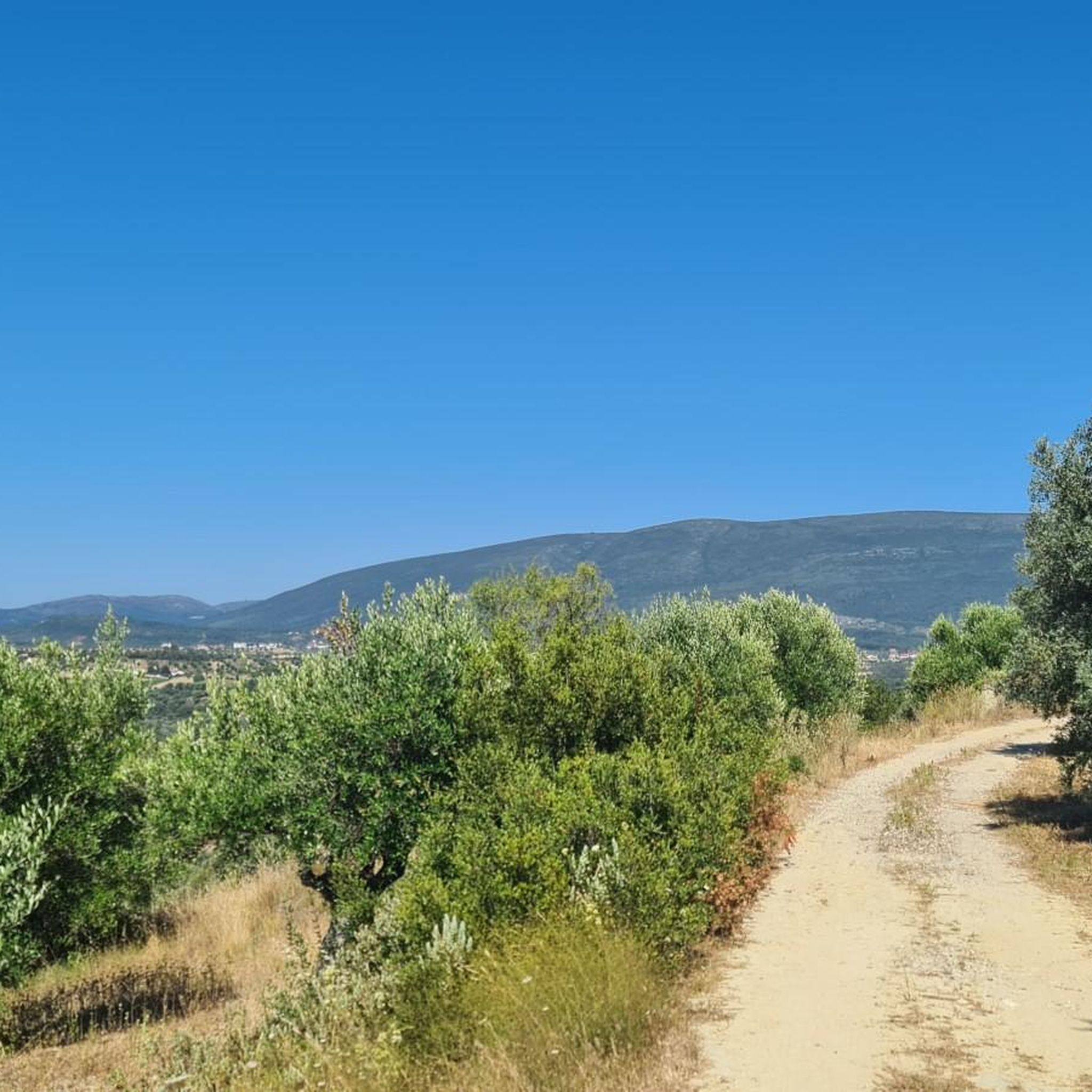
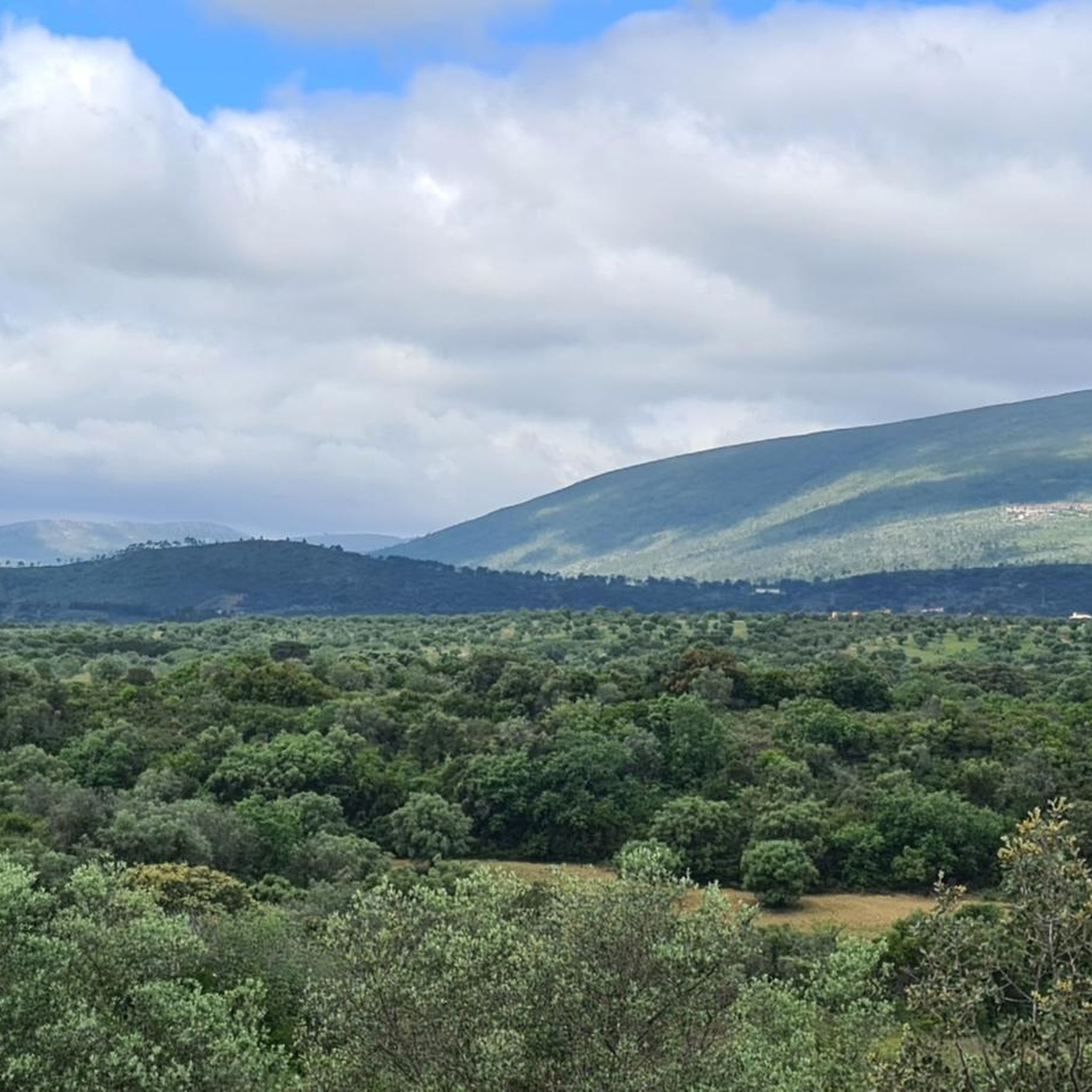

커뮤니티 팁

매우 아름다운 주변 환경입니다. 물고기가 많고 새도 몇 마리 있습니다.
0
0

The Sanctuary of Fatima, in central Portugal, is one of the most important pilgrimage sites in the world. Basilica of Our Lady of the Rosary Neo-Baroque style, with a 65-meter tower crowned by a large cross. It houses the tombs of the three shepherd children: Lucia, Francisco, and Jacinta. Chapel of the Apparitions Marks the exact spot where the Virgin Mary appeared in 1917. An intimate space, frequently visited by pilgrims to pray and light candles. Basilica of the Holy Trinity Inaugurated in 2007, with modern architecture and a capacity for more than 8,000 people. It contrasts with the classical style of the Basilica of the Rosary. Sanctuary Esplanade Large square where Masses and processions are held, especially on May 13 and October 13.
7
0

Detailed plans of the complex, including the identification of the individual parts and monasteries, can be found here: https://campanha.cmjornal.pt/portugal-monumental/ https://de.wikipedia.org/wiki/Convento_de_Cristo#/media/Datei:TomarChurchPlanCC3-pt.jpg https://blogger.googleusercontent.com/img/b/R29vZ2xl/AVvXsEjONUon4tGroEfnLT311dfFBPy 7gkSdMIt7aDFXuB2X61MqnwjBYUVJwZs3nELeNox-cEindezimgkuppLnXY6-XxrO-2WJQ_62jz9Qme64FlLgng2leHtQJZ3iuys8kl6z1fh1M1Ns6SOV/s1600/05Tomar.jpg https://de.wikipedia.org/wiki/Convento_de_Cristo#/media/File:TomarChurchPlanCC3-pt.jpg
1
0
A rather old arched road and pedestrian bridge connecting the two banks of the Nabão River in the city of Tomar. It is said that the Romans first crossed the Nabão River on this site. It was rebuilt in the 16th century and widened in the 19th century, with the stone railings removed and replaced with metal ones. It was completely redesigned in the first half of the 20th century, with the railings renewed and widened, and the piers and buttresses stabilized. It makes a stunning photo opportunity, especially at dusk and from the nearby parks.
1
0
A hidden gem tucked away behind the waters of the Rio Nabão, adorned with beautiful azulejos tiles. The Santa Iria Monastery originated as a retreat for pious women in the heart of Tomar, on the banks of the Nabão River. In 1467, Dona Mécia Queiroz, the widow of Pero Vaz de Almeida, the estate manager, acquired the Santa Iria property from Prince Henry the Navigator and commissioned the construction of a house and chapel where she and her daughters could retreat. In 1523, at the request of one of the founder's daughters, the retreat was placed under the patronage of Saint Clare. In 1536, the chapel and retreat house were rebuilt and enlarged at the expense of Pedro Moniz da Silva, commander of the Knights Templar. This magnificent Renaissance-style structure, inspired by the Coimbra Renaissance school, dates from this period. The Church of Santa Iria has a rectangular floor plan and consists of the nave, the chancel, the sacristy, and the adjacent Chapel of the Valleys. The interior comprises a single nave with a coffered ceiling adorned with painted ornaments, and the walls are lined with diamond-shaped carpet tiles. On the Epistle side is the Chapel of the Valleys, commissioned in the mid-16th century by D. Miguel do Vale and originally dedicated to the Lord Jesus.
1
0
The Arco das Freiras was built over the present-day Rua de Santa Iria to connect the former convent of the same name – Santa Iria – which was under the Observance of Saint Clare, with the former palace of Frei António de Lisboa. However, its original purpose was to connect the original convent with its 16th-century expansion. The massive, full-arch supports a robust rectangular corridor and features an intrados of hewn stone blocks. The entire structure is reinforced by lateral buttresses and covered by a gable roof. The area through which the corridor runs can be seen on the exterior elevations.
1
0

The city of Tomar was founded by the Knights Templar in the 12th century on land granted by Portugal’s first king. The order set up a convent on a hill and by the riverside plotted what would be the last Templar town in the world. The Convent of Christ is a World Heritage Site, with magnificent architecture perfected over more than 300 years. When the Order of Christ took over from the Knights Templat, Tomar was where many Portuguese voyages in the Age of Discovery were planned. And as the order’s governor, the world-changing explorer Henry the Navigator lived in Tomar and took charge of its expansion in the 15th century.
2
0
Construction started on it in 1593 by Italian architect Filippo Terzi and ended in 1613. The aqueduct is nearly 6 km long (3.7 miles) and for centuries remained the most important source of water to the monks who lived in the Convento de Cristo. Most tourists will actually be surprised to find such a huge structure in a small city like Tomar.
1
1
Paço에서 가장 인기 있는 경로
Paço에서 가장 인기 있는 명소


더 살펴보기
다른 지역의 최고의 하이킹를 살펴보세요.
