20의 Lanheses가지 명소 & 주요 장소
Lanheses에는 둘러볼 만한 장소가 많답니다. 하이킹 또는 사이클링을 좋아한다면 Lanheses에 숨겨진 20
가지 보석을 만날 수 있을 거예요. 이 지역의 주요 명소를 살펴보면서 다음 모험을 계획해보세요.
마지막 업데이트: 8월 25, 2026
폰테 데 리마 로마 다리
하이라이트 • 다리
번역자 Google •
팁에 의해

Ponte de Lima
하이라이트 • 정착지
번역자 Google •
팁에 의해

이런 장소를 발견하려면 지금 가입하세요
최고의 싱글 트랙, 봉우리 및 다양한 흥미로운 야외 장소에 대한 추천을 받아보세요.
무료 회원 가입
에코비아 두 리우 리마
하이라이트 (구간) • 자전거 도로
번역자 Google •
팁에 의해


무료로 가입하여 Lanheses의 더 많은 명소를 발견하세요.
무료 회원 가입
이미 komoot 계정이 있나요?
오늘 무료 계정으로 시작하세요
다음 모험이 기다리고 있어요.
로그인 또는 가입하기

커뮤니티 팁

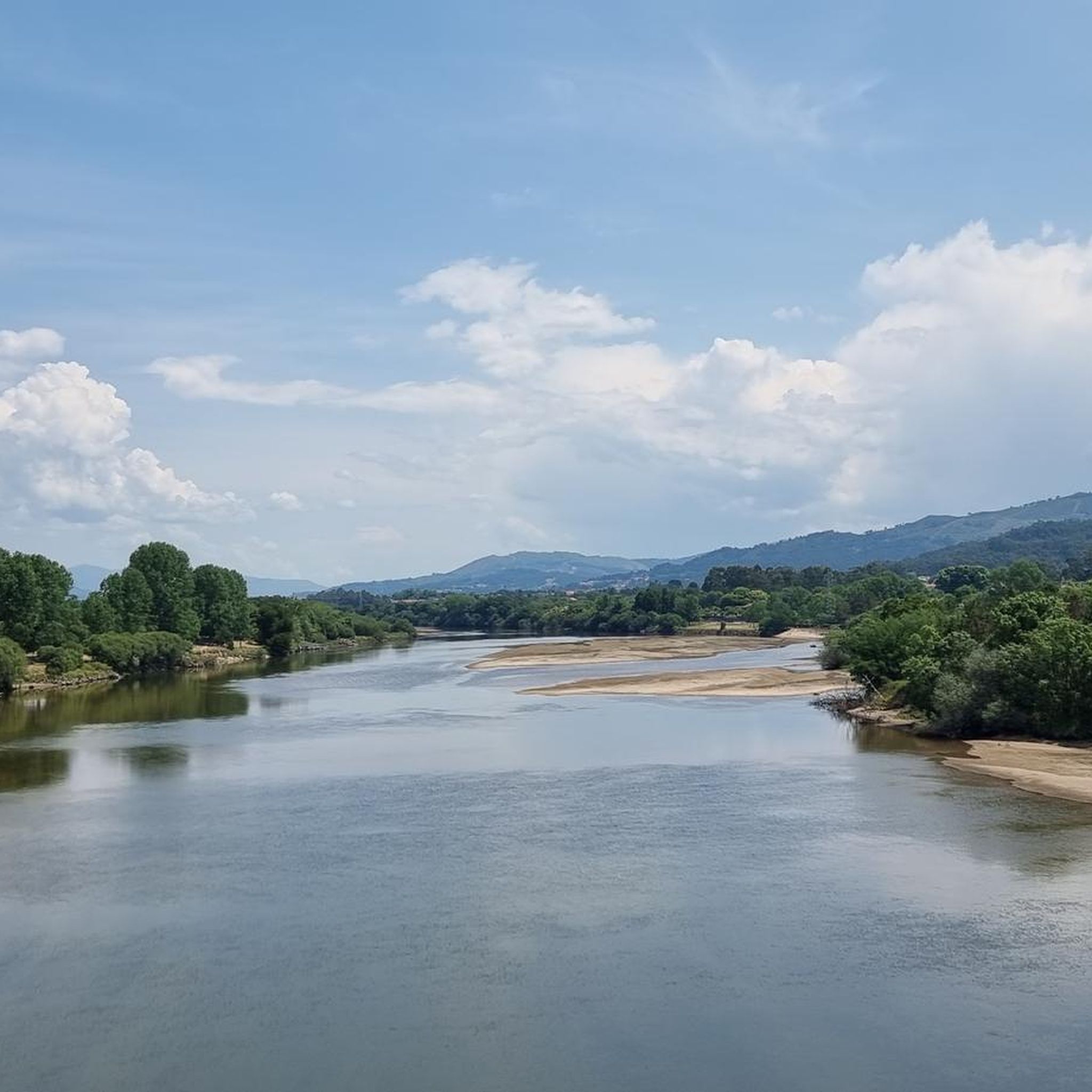
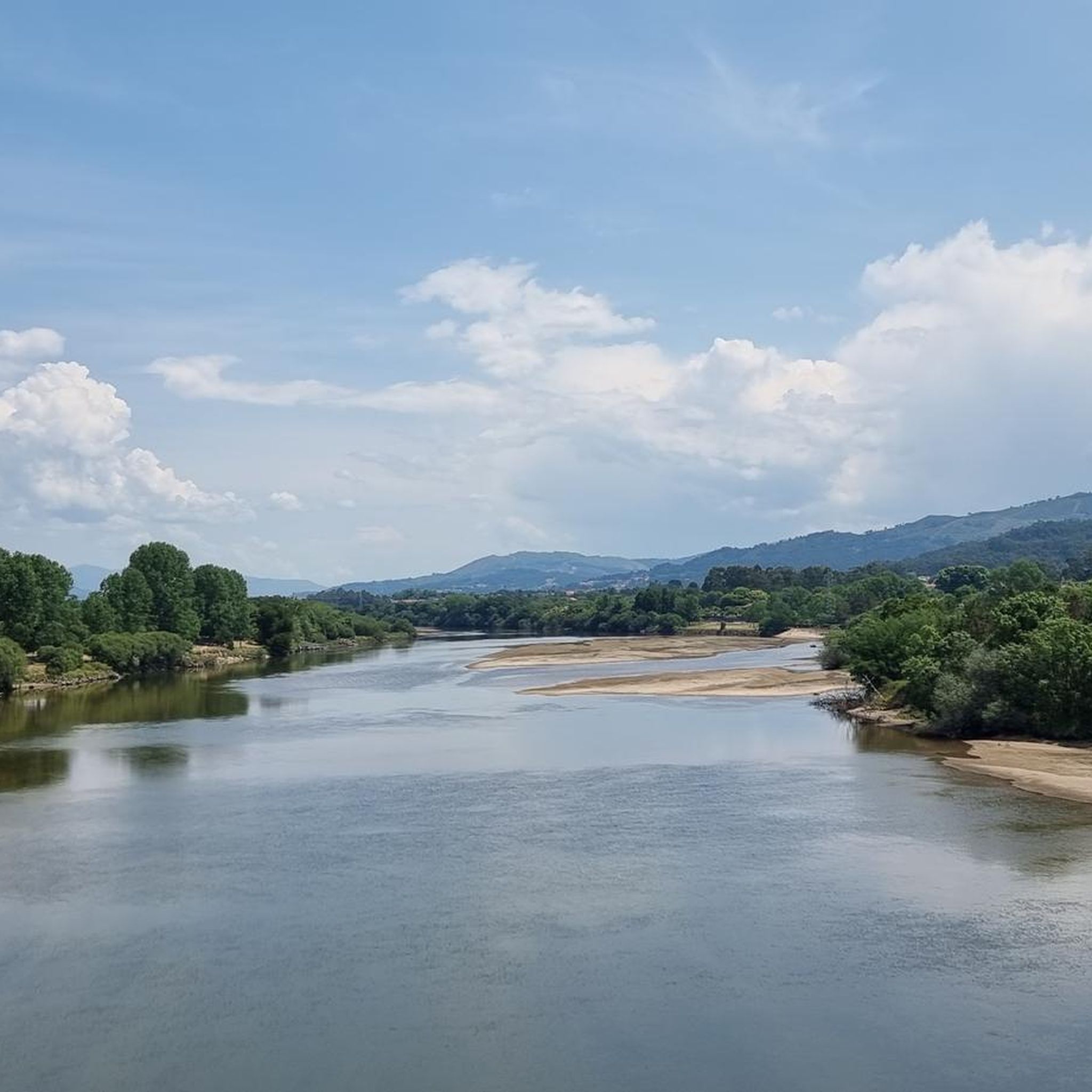
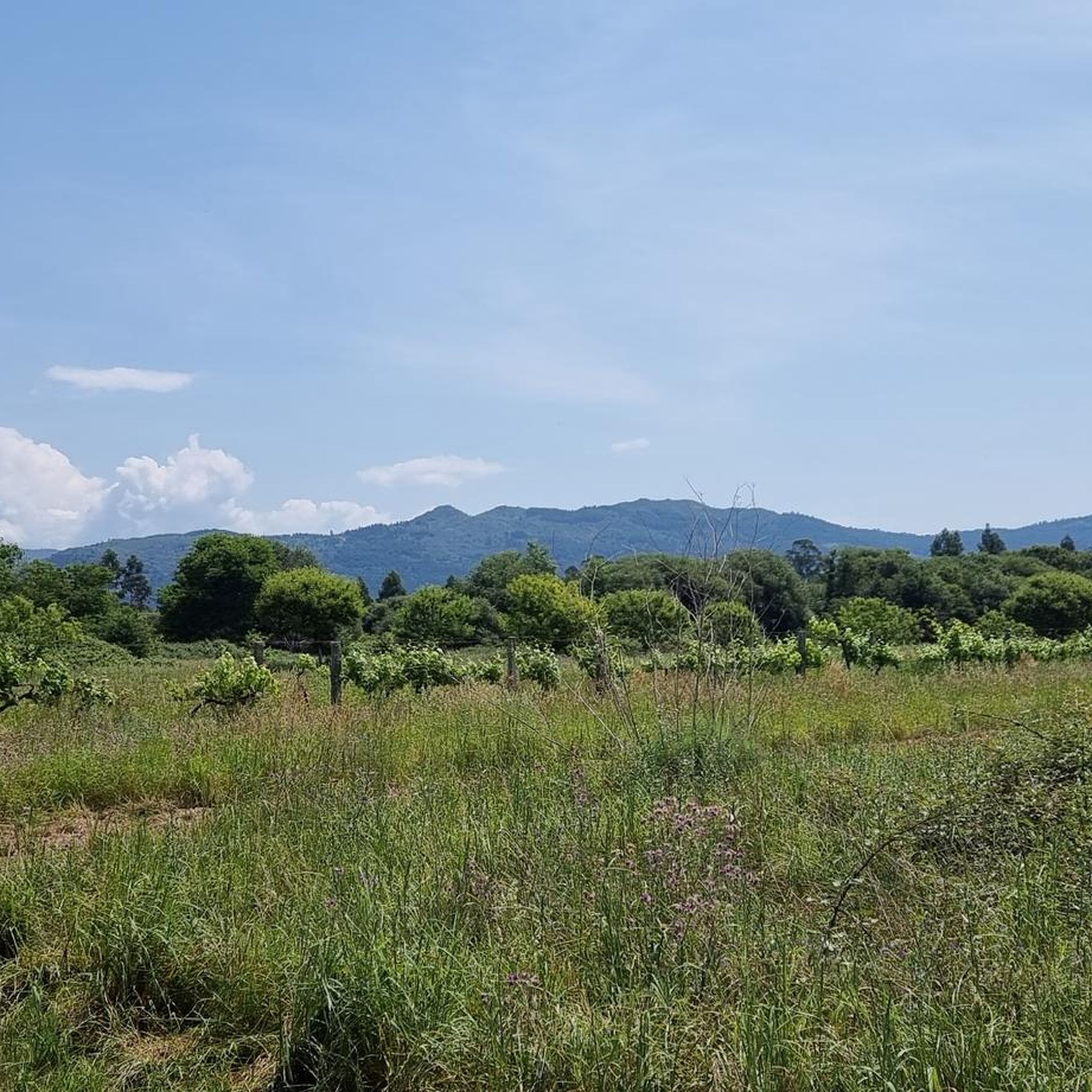
사랑스럽고 조용한 길이며, 계절성 비와 강 범람의 영향을 받지 않을 때 타기 쉽습니다. 모든 것이 매력과 모험의 일부입니다.
0
0

Home and Access The Ecovia has multiple access points, with the connection between the city of Viana do Castelo and the town of Arcos de Valdevez being the main route.
2
0
Points of Interest Along the Ecovia Panoramic Views: The route offers breathtaking views of the Lima River, the agricultural fields ("veigas") and the rural landscape of Minho. Cultural Heritage: Along the way, you can find several points of interest, such as the Chapel of São João Baptista, the Monastery of Bravães (National Monument), the Fonte Santa (with sulphurous water) and the seven watermills of Gemieira, powered by a spectacular waterfall. Recreational Areas: There are several recreational areas, picnic parks and river beaches on the banks of the river.
2
0
Route Characteristics Length: Approximately 70 km in total, divided into several sub-routes (such as the Veigas Route, the Açudes Route, and the Laranja/Refóios Route). Usage: Ideal for hiking, running, and cycling (mountain bikes are suitable due to the terrain). Motorized vehicles are prohibited. Road: Mainly packed earth and consolidated gravel, with some wooden walkways in specific areas. Difficulty: Generally easy to medium difficulty, due to the gentle slope. Accessibility: Some parts of the route have wheelchair-accessible entrances and parking.
2
0
The Lima River Ecovia is an extensive pedestrian and cycling route that follows the banks of the Lima River in Alto Minho, Portugal. Stretching for approximately 70 kilometers, the ecovia crosses the municipalities of Viana do Castelo, Ponte de Lima, Ponte da Barca, and Arcos de Valdevez, offering scenic landscapes and a mostly flat route.
2
0
Historical Context Origin of the name: The town of Ponte de Lima, the oldest in Portugal, derives its name from the bridge that crosses it. Way of St. James: The bridge is an important crossing point on the Portuguese Way of St. James. Legend: The legend of the Lima River, which runs under the bridge, tells that the Romans believed it to be the river of forgetfulness, which would have given rise to the myth that people who crossed it would forget their past lives.
2
0
The bridge that gives the Lima Bridge its name is actually a combination of two structures: a Roman section, built in the 1st century, and a medieval section, expanded in the 14th century. It crosses the Lima River and is one of the town's most emblematic monuments. Characteristics of the bridge Roman section: The remaining Roman section consists of five arches, and its construction is linked to the military road that connected the cities of Braga and Astorga. Medieval section: The medieval portion of the bridge is larger and was built to connect to the Roman section, extending the structure over the river. Material: The bridge is built of granite, using the Roman technique of "quadratum" and "vittatum" masonry.
2
0
Lanheses에서 가장 인기 있는 명소


더 살펴보기
찾고 있는 하이라이트를 아직 못 찾으셨나요? 다른 지역의 주요 명소 가이드를 확인해보세요:
