포레 드 샹티이 최고의 라이딩 경로
4.2
(245)
6,029
자전거 타는 사람
53
라이딩
포레 드 샹티이 최고의 로드 사이클링 경로를 찾으시나요? 그렇다면 아름다운 오이세 숲 주변의 라이딩 컬렉션을 아래에서 살펴본 후, 포레 드 샹티이의 여러 가지 모습을 직접 만나보세요.
마지막 업데이트: 10월 16, 2026
108
자전거 타는 사람
194km
08:27
1,140m
1,140m
어려운 도로 자전거 타기. 우수한 체력 필요. 투어 중 라이딩하기 어려운 비포장 구간이 있을 수 있음.
4.5
(2)
60
자전거 타는 사람
52.2km
02:19
390m
390m
보통 도로 자전거 타기. 좋은 체력 필요. 지면 대부분이 잘 포장되어 있고 라이딩하기 쉬움.

5.0
(1)
68
자전거 타는 사람
보통 도로 자전거 타기. 좋은 체력 필요. 지면 대부분이 잘 포장되어 있고 라이딩하기 쉬움.
71
자전거 타는 사람
192km
08:26
1,150m
1,150m
어려운 도로 자전거 타기. 우수한 체력 필요. 투어 중 라이딩하기 어려운 비포장 구간이 있을 수 있음.
4.0
(2)
49
자전거 타는 사람
28.9km
01:17
170m
170m
초급용 로드 라이딩. 모든 체력 수준에 적합. 지면 대부분이 잘 포장되어 있고 라이딩하기 쉬움.
더 다양한 경로와 다른 탐험가들의 추천을 살펴보세요.
이미 komoot 계정이 있나요?
투어 추천은 다른 사람들이 komoot에서 완료한 수천 개의 활동을 바탕으로 구성되어 있습니다.
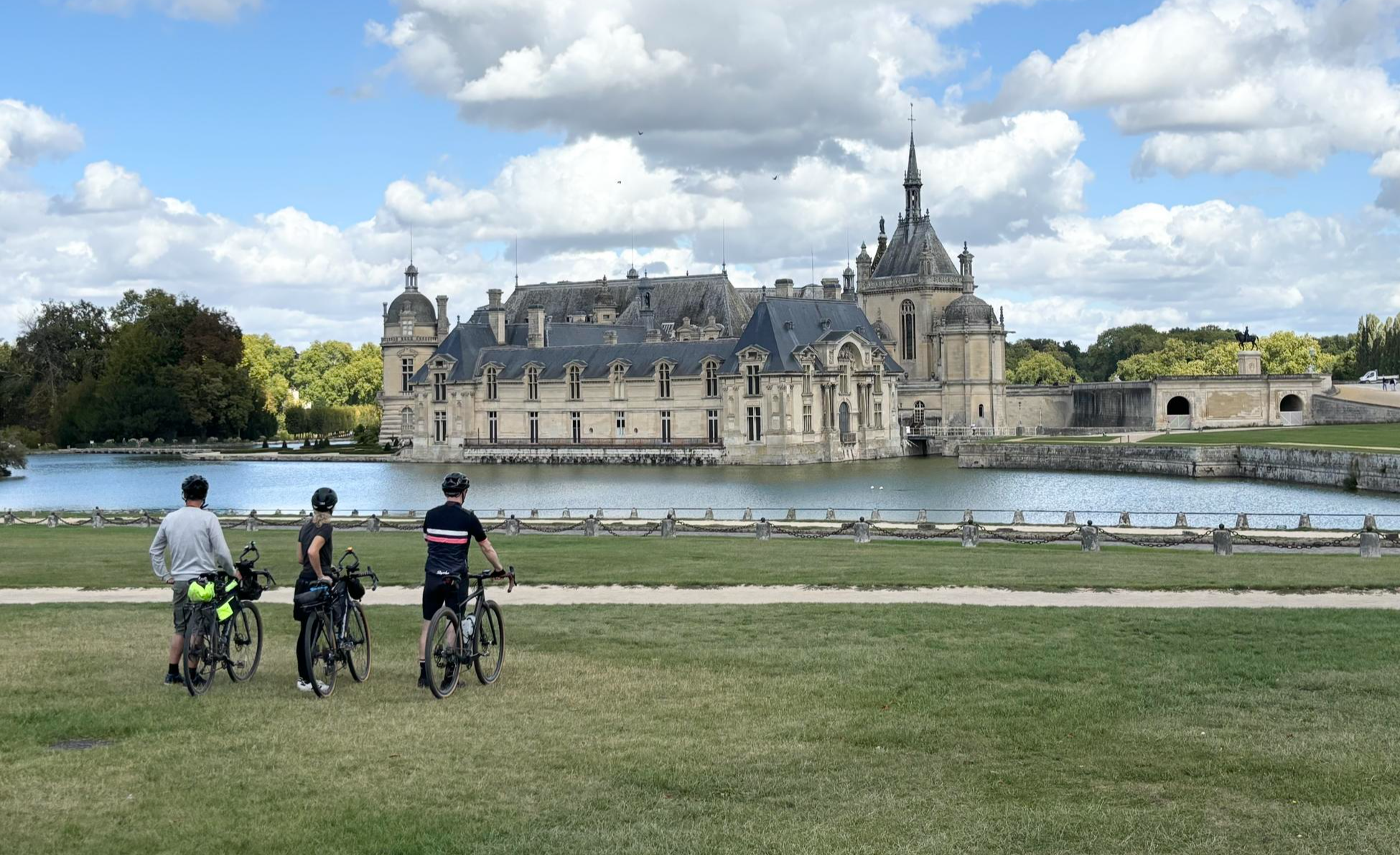
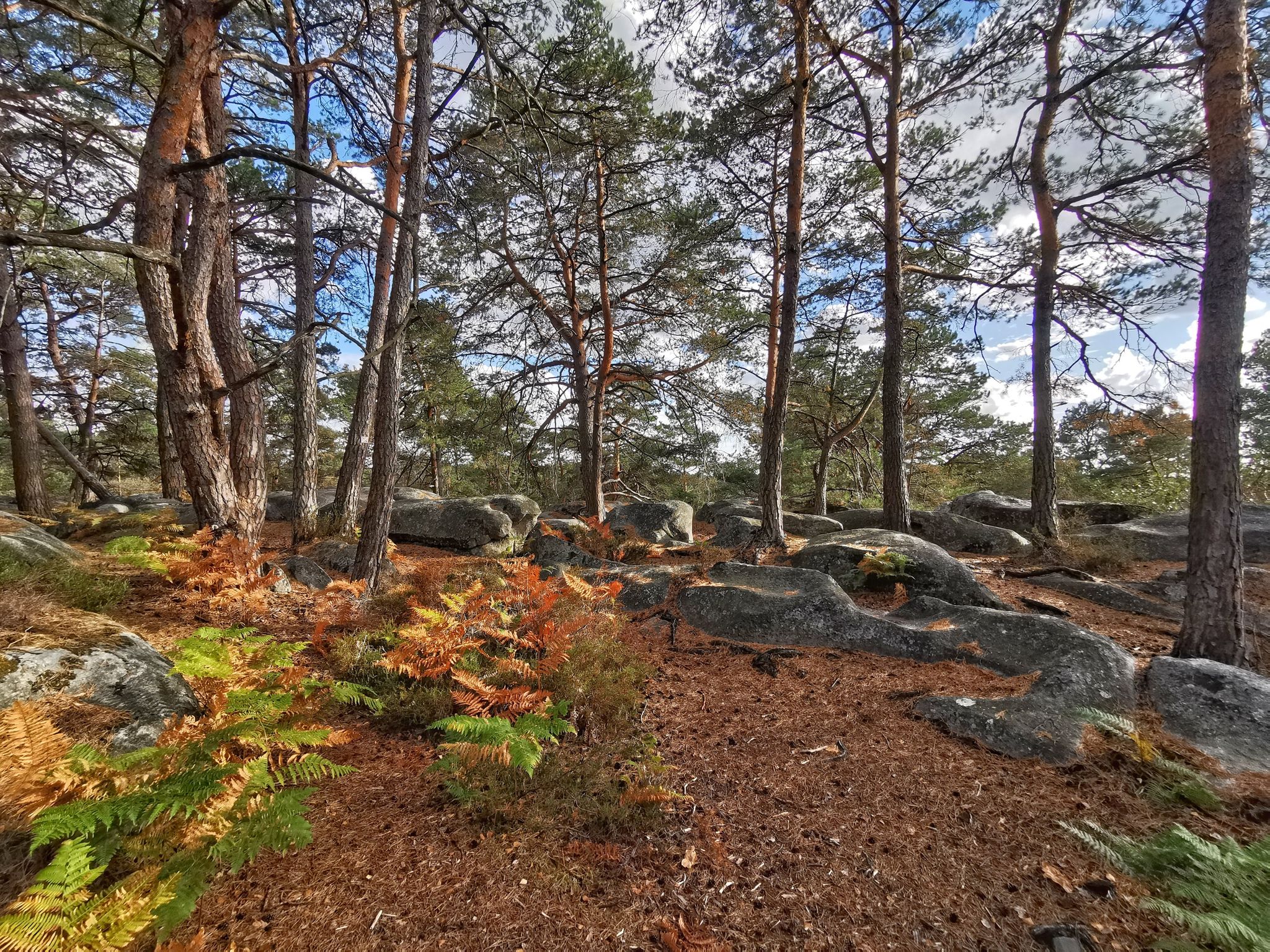
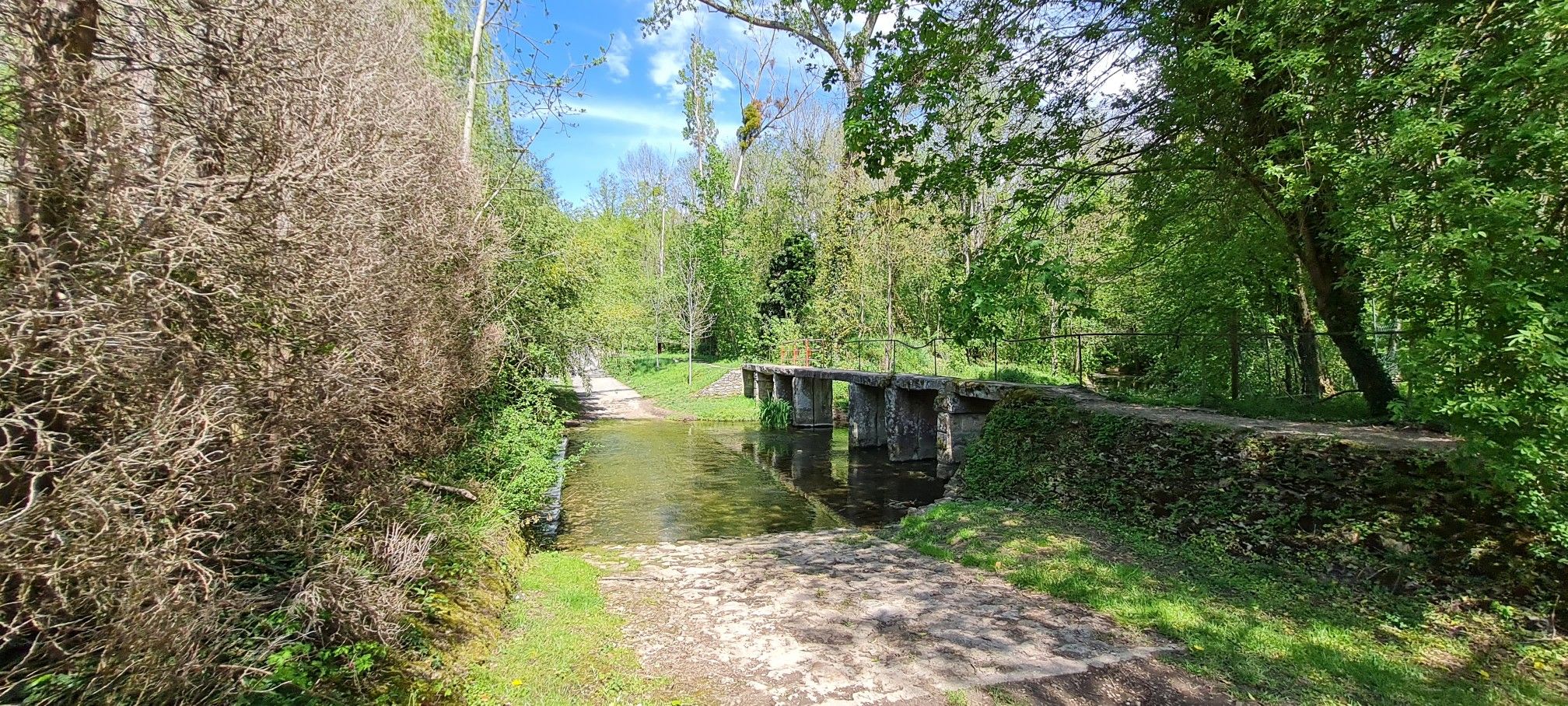




커뮤니티 팁


운하를 따라 평화롭게 라이딩하기 좋은 곳입니다. 일부 구간의 자전거 도로 상태가 완벽하지는 않지만요.
0
0
A very pleasant little outing to discover the North of Paris, the Royaumont Abbey and the Carnelle Forest
0
0

The Place de la Concorde, located at the eastern end of the Champs-Élysées and bordering the Seine, is the largest square in Paris (approximately 8 hectares). It forms a strategic point connecting several major thoroughfares: the Tuileries Garden, the Rue Royale, the Pont de la Concorde, and the Avenue des Champs-Élysées. Origins and Creation (1755–1772) The square was designed starting in 1755 by the architect Ange-Jacques Gabriel, First Architect to King Louis XV. It was intended to glorify the monarchy and house an equestrian statue of Louis XV, which was unveiled in 1763. The initial design featured: a vast open esplanade, two monumental pavilions to the north (now the Hôtel de Crillon and the Hôtel de la Marine), decorative octagonal moats, dry moats, and balustrades. The overall design is in a restrained and harmonious neoclassical style. The French Revolution: Place de la Révolution (1792–1795) From 1792 onward, the square became a major political symbol. The statue of Louis XV was toppled and replaced by the guillotine. Between 1793 and 1794, more than 1,100 people were executed there, including: Louis XVI (January 21, 1793), Marie Antoinette, Charlotte Corday, Georges Danton, and Robespierre (July 27, 1794). This event profoundly marked the history of the square. Renaissance and pacification in the 19th century In 1795, it was renamed Place de la Concorde, symbolizing national reconciliation. Major elements added in the 19th century: Luxor Obelisk (1836) At the center stands an Egyptian obelisk, a gift from the Viceroy of Egypt, Muhammad Ali, to France. Dating from around 1300 BC, it comes from the Temple of Luxor, weighs over 220 tons, and is covered in hieroglyphs celebrating Ramses II. It was erected in 1836 during the reign of Louis-Philippe. Monumental Fountains Two large fountains inspired by St. Peter's Square in Rome: Fountain of the Seas (facing the Mediterranean), Fountain of the Rivers (facing the Seine). They symbolize: navigation and trade, and France's major waterways. Statues of the Eight Cities of France (1830–1836) Around the square, eight allegorical statues represent: Paris – Marseille – Lyon – Bordeaux – Nantes – Brest – Rouen – Strasbourg. (Strasbourg remained veiled after 1871 in memory of annexed Alsace). Surrounding Architecture To the north: Hôtel de Crillon (1788), an aristocratic palace that became a luxury hotel, Hôtel de la Marine, former royal furniture repository and later headquarters of the Navy. To the south: Opening onto the Seine and the Pont de la Concorde (1787–1791), built in part with stones taken from the Bastille. To the west: View towards the Champs-Élysées and the Arc de Triomphe. To the east: Entrance to the Tuileries Garden and view towards the Louvre. Contemporary Role Today, the Place de la Concorde is a major tourist attraction, a major thoroughfare, a venue for national ceremonies, and hosts each year: the Bastille Day parade on July 14th, temporary illuminations and installations, and social demonstrations. It remains a symbol of: royal power, revolutionary violence, national reconciliation, and the grandeur of Parisian urban life.
0
0

Located in the 8th arrondissement, at the eastern end of the Champs-Élysées, next to the Tuileries Garden and the Pont de la Concorde. Monuments and Highlights Luxor Obelisk: Height: 23 m, weight: 220 tons. Covered in hieroglyphics, with diagrams at the base depicting its transport from Egypt. Two monumental fountains (1840): Fountain of the Seas and Fountain of the Rivers, designed by Jacques Ignace Hittorff, inspired by those of St. Peter's in Rome. Allegorical statues: Representing French cities (Lyon, Marseille, Strasbourg, Nantes, Brest, Lille, Bordeaux, Rouen). Rostral columns and historic lampposts surround the square.
3
0

The Place de la Concorde, with its famous granite obelisk of Luxor towering into the sky, is one of the most impressive squares in the world. Particularly impressive are the unique setting of the Place de la Concorde, the numerous works of art, and the history of the square. History of the Place de la Concorde In the mid-18th century, the square was originally designed as a royal square, with a large equestrian statue of Louis XV enthroned in the center, adjacent to the Jardin des Tulieres and the Seine. The name and function of the square changed during the French Revolution. The largest square in Paris at the time was called Place de la Révolution and was the scene of gruesome events: More than 1,000 people were guillotined here, including Louis XVI, his wife Marie Antoinette, and Robespierre and his followers. In order to eradicate the memory of the bloody revolution, the square was renamed Place de la Concorde in 1795.
10
0
포레 드 샹티이 주변에서 가장 인기 있는 명소


더 살펴보기
다른 지역의 최고의 로드 사이클링 경로를 살펴보세요.
