멀데스타시 최고의 사이클링 경로
4.5
(7884)
25,900
자전거 타는 사람
586
라이딩
멀데스타시에 자전거 라이딩을 할 수 있는 경로는 많은데, 어디서 출발해야 할지 모르시겠다고요? 아름다운 호수를 구경할 수 있도록 가장 멋진 경로를 알려드릴게요. 망설이지 말고, 마음에 드는 멀데스타시 사이클링 경로를 아래에서 찾아보세요.
마지막 업데이트: 9월 18, 2026
4.3
(151)
481
자전거 타는 사람
23.2km
01:36
100m
100m
어려운 자전거 타기. 모든 체력 수준에 적합. 투어 중 자전거를 끌고 가야 하는 구간이 있을 수 있음.
4.8
(178)
372
자전거 타는 사람
20.9km
01:13
60m
60m
초급용 자전거 라이딩. 모든 체력 수준에 적합. 대부분 포장된 지면. 실력과 관계없이 누구나 갈 수 있음.

4.7
(6)
41
자전거 타는 사람
13.2km
00:54
40m
40m
초급용 자전거 라이딩. 모든 체력 수준에 적합. 대부분 포장된 지면. 실력과 관계없이 누구나 갈 수 있음.
4.6
(8)
38
자전거 타는 사람
13.0km
00:47
30m
30m
초급용 자전거 라이딩. 모든 체력 수준에 적합. 대부분 포장된 지면. 실력과 관계없이 누구나 갈 수 있음.
5.0
(4)
28
자전거 타는 사람
12.3km
01:01
50m
50m
초급용 자전거 라이딩. 모든 체력 수준에 적합. 대부분 포장된 지면. 실력과 관계없이 누구나 갈 수 있음.
더 다양한 경로와 다른 탐험가들의 추천을 살펴보세요.
이미 komoot 계정이 있나요?
투어 추천은 다른 사람들이 komoot에서 완료한 수천 개의 활동을 바탕으로 구성되어 있습니다.
오늘 무료 계정으로 시작하세요
다음 모험이 기다리고 있어요.
커뮤니티 팁


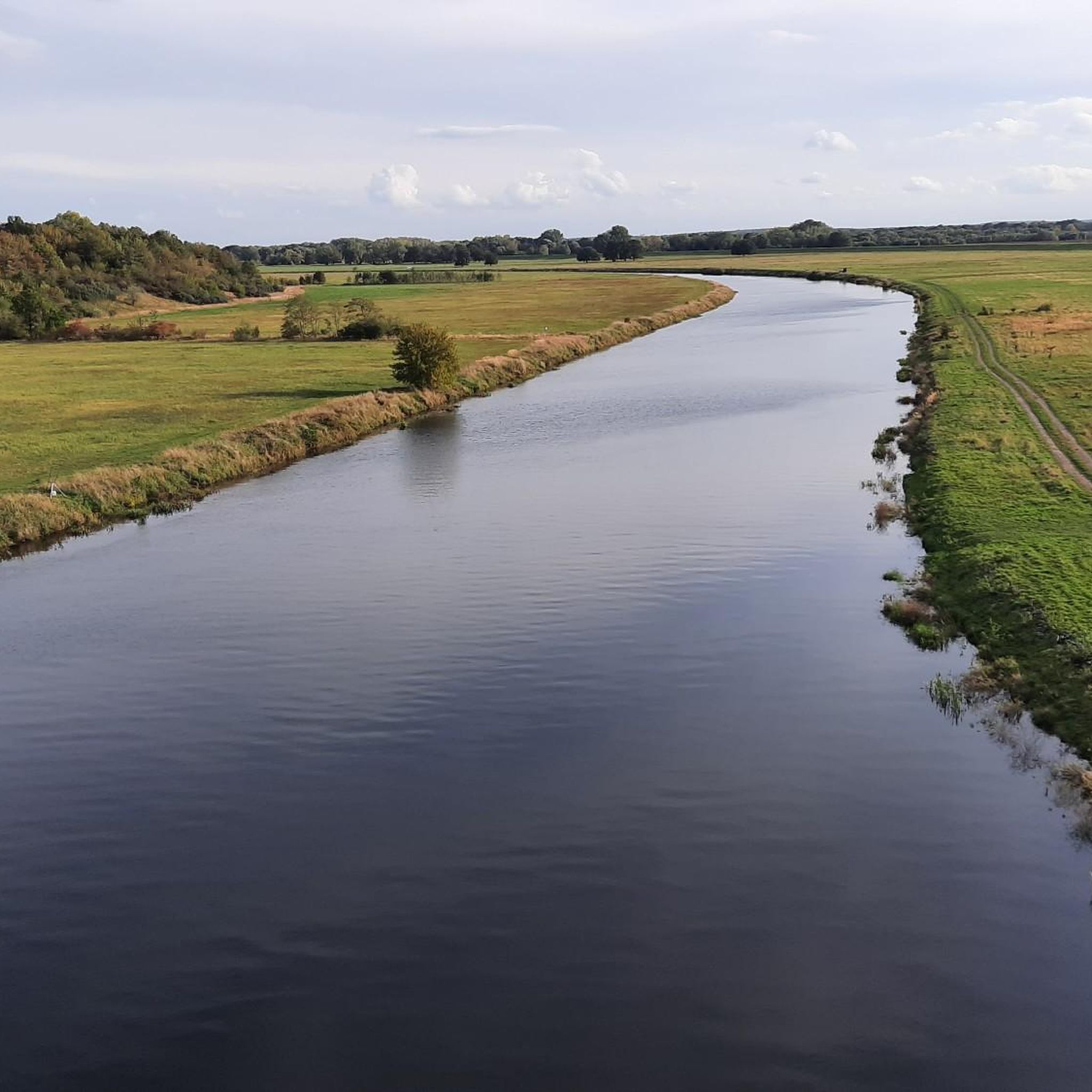
The Mulde, also known as the United Mulde or Vereinte Mulde, is a left, non-navigable tributary of the Elbe. It originates southeast of Leipzig near Sermuth (Saxony) from the confluence of two large headstreams: the longer Zwickauer Mulde and the Freiberger Mulde, which drains a larger catchment area due to its greater discharge. The river's catchment area encompasses large parts of Saxony and, in particular, the vast majority of the northern slopes of the Ore Mountains. With a discharge of approximately 73 m³/s at its mouth,[8] it is the fourth largest tributary of the Elbe. The old name for the Mulde, Milda, is translated by onomasticians as "the water-rich one."[9] The word element "Mel," referring to grinding, is sometimes associated with the name due to the numerous mills that once operated along the river. This overlooks the fact that river names represent the oldest, often Slavic or Celtic, layer of geographical names. The Mulde's name is sometimes linked to the numerous mills that once operated along its banks, but this connection overlooks the fact that river names represent the oldest, often Slavic or Celtic, layer of geographical names. Source https://de.wikipedia.org/wiki/Mulde_(Fluss)
2
0
Construction work is almost complete
2
0
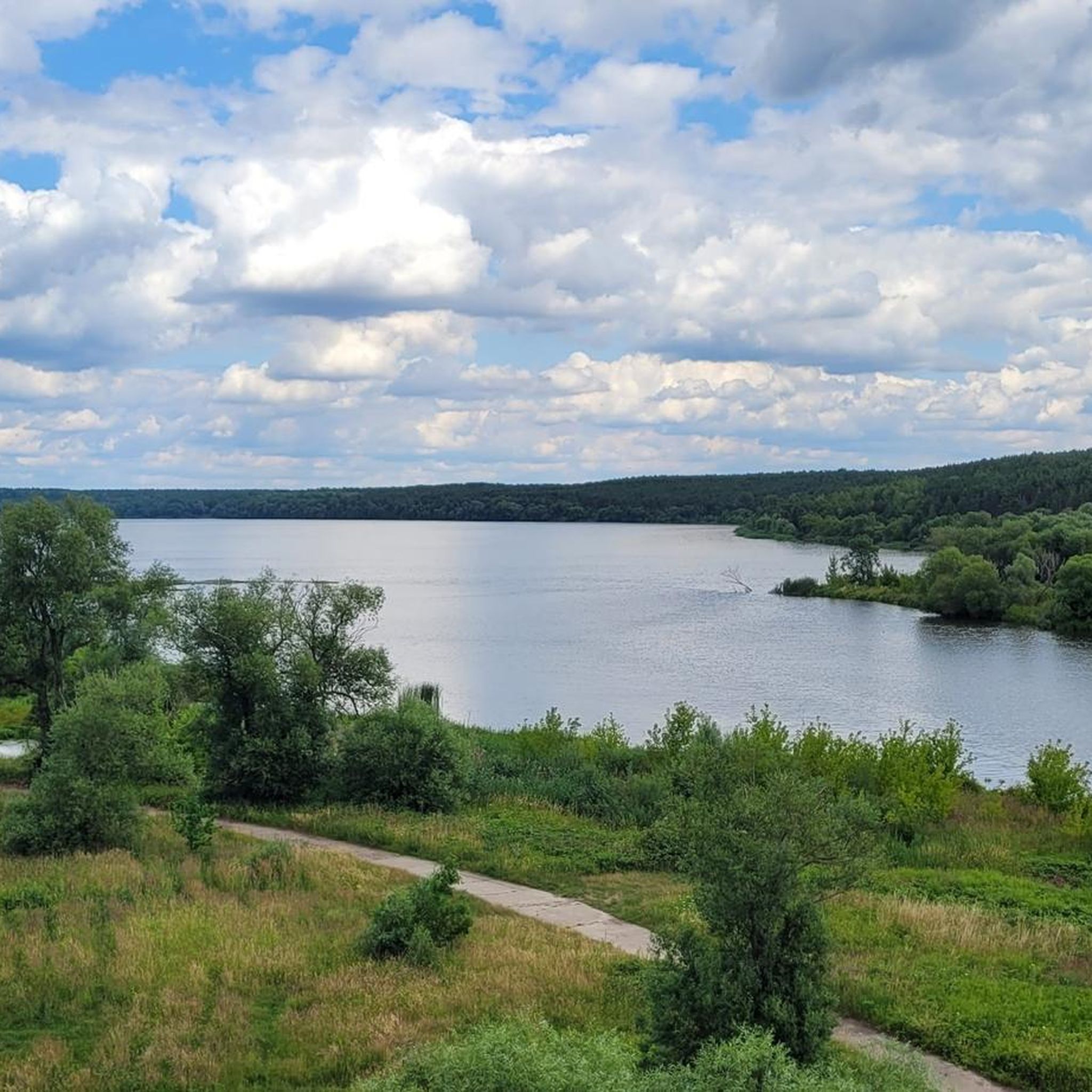
The village of Seelhausen was buried in 1987 during the expansion of the Goitzsche open-cast mine. The Seelhausen Lake was created by flooding the remaining open-cast mine pit. It lies west of Löbnitz, south of Bitterfeld, and north of Delitzsch, in the Central German Lake District. From the end of July 2000, the lake was filled with water from the Mulde River via a pipeline at a rate of 1 m³/s[1] until the pipeline was destroyed by the Elbe River flood in 2002. Since then, the lake has been fed by the Lober-Leine Canal. According to the LMBV (Lausitz and Central German Mining Company), 96% of the planned water level had been reached by March 2004. The flooding work was completed in 2005.[1] A beach area has since been built at the flooding site, and further development of the lake as a recreational area is planned. The larger Goitzsche Lake lies northwest of the Seelhausen Lake. The lake district also includes Lake Paupitzsch, Lake Holzweißig, Lake Ludwig, Lake Neuhaus, and Lake Zöckeritz with Essigloch and Lake Auensee. The total surface area of all lakes in the former Goitzsche open-cast mine is estimated at 24 square kilometers. Lake Seelhausen is a former open-cast mine lake with a water level of 78 meters above sea level. Its storage capacity is 74 million cubic meters, with a surface area of 622 hectares. Source: https://de.wikipedia.org/wiki/Seelhausener_See
2
0
Lake Seelhausen is a former open-cast mining lake of approximately 622 hectares, formed from the former Rösa lignite mine (part of the Goitzsche). It lies mostly in the German state of Saxony and partly in Saxony-Anhalt. Source: https://de.wikipedia.org/wiki/Seelhausener_See
2
0
내부는 1688-1691년경 Christian Schilling이 만든 인상적인 채색된 격자 천장으로 특징지어집니다. 총 250개의 격자 중 114개는 구약(36개)과 신약(78개)의 성경 이야기를 보여줍니다. 추가 36개의 그림 패널에는 예수 그리스도, 모세, 사도, 복음사가, 선지자들, 마르틴 루터와 멜랑히톤이 묘사되어 있습니다. 이 그림들은 18개의 격자에 있는 악기와 수난 도구를 든 천사들로 보완됩니다. 나머지 82개의 격자는 꽃 무늬 그레세이유 회화로 이 앙상블을 둘러쌉니다. Quelle https://de.wikipedia.org/wiki/Dorfkirche_L%C3%B6bnitz
3
0
이 교회는 13세기 3개의 신도가 있는 로마네스크 양식의 기둥 바실리카를 1688-1692년 말에 개조하여 건설되었으며, 남쪽 측면 신도는 철거되고 북쪽 측면 신도는 중앙 신도 높이까지 건설되었으며 성가대석이 연장되었습니다. 따라서 탑은 남쪽 벽과 같은 높이에 있으며, 막힌 아치와 상부 창문은 여전히 보입니다. 탑의 장식용 박공은 1900년경에 새로 만들어졌습니다. 붕괴 위험으로 폐쇄된 후 1931-1938년에 교회를 복원하는 작업이 진행되었으며, 박공과 지붕을 새로 만들고 손상된 들보를 교체하고 창문을 새로 만들고 사제관을 철거하고 탑방을 예배당으로 개조하고 그림 천장을 복원했습니다. 1971-1972년에 다시 복원 작업이 진행되었으며, 바닥을 보수하고 북쪽과 남쪽 벽의 두 번째 갤러리를 철거하고 교회 의자를 제거하고 의자로 교체하고 제2차 세계 대전 중에 막혔던 동쪽 창문을 다시 설치하고 교회 탑 꼭대기를 새로 만들고 교회 본당을 회반죽으로 마감했습니다. 2008-2016년에는 그림 천장, 설교단, 묘비, 오르간 등 설비에 대한 추가 복원 작업이 이루어졌습니다.[1] 이 교회는 직선형 성가대 마감과 코르브 아치 창문이 있는 회반죽을 바른 벽돌 건물입니다. 원래 더 오래된 탑은 십자형 지붕과 볼루트 박공으로 마감되어 있습니다. 서쪽의 막힌 뾰족 아치형 문은 아마도 13세기 초반에 만들어졌을 것입니다. 출처 https://de.wikipedia.org/wiki/Dorfkirche_L%C3%B6bnitz
3
0
멀데스타시 주변에서 가장 인기 있는 명소


더 살펴보기
다른 지역의 최고의 자전거 경로를 살펴보세요.
