4.7
(47)
410
등산객
80
하이킹
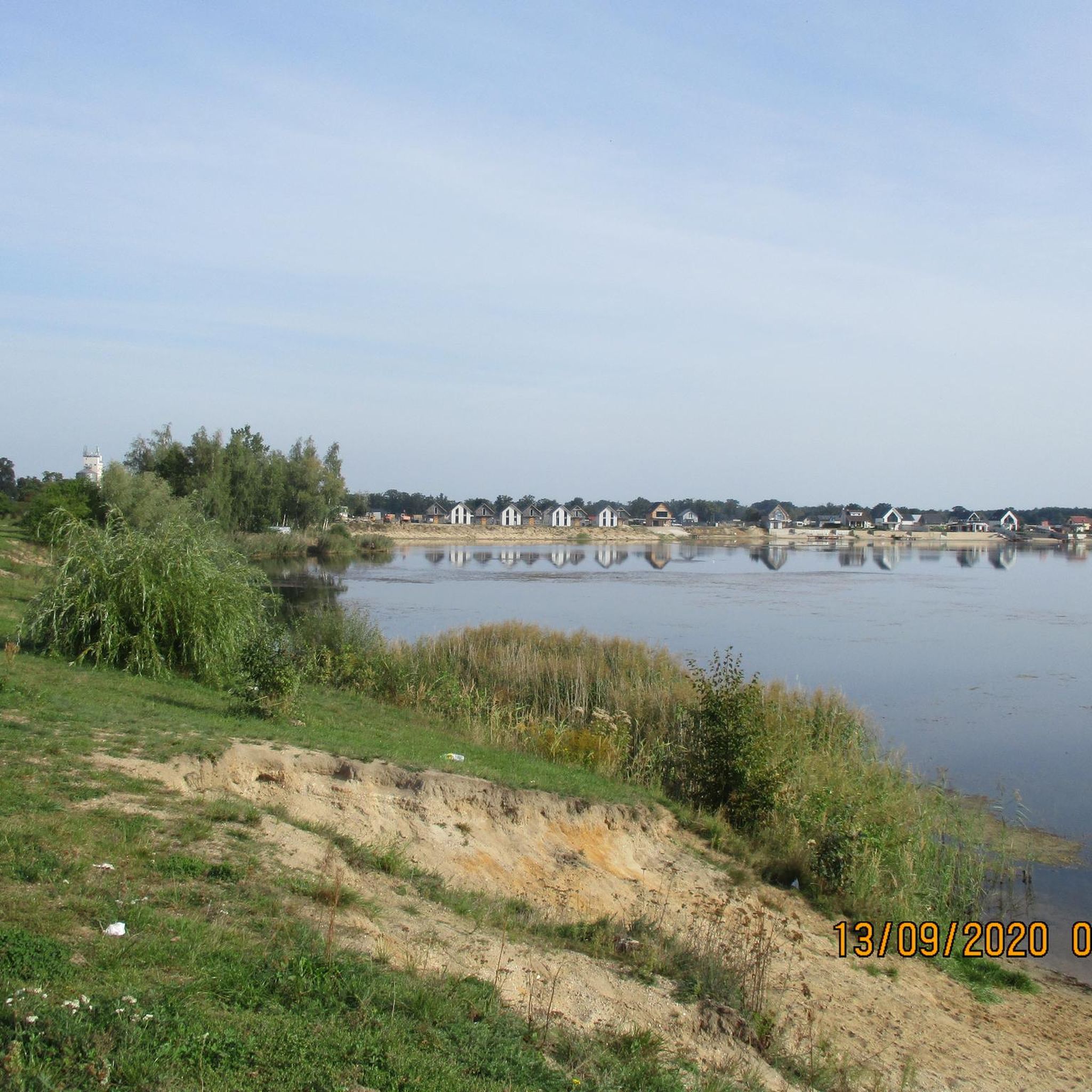
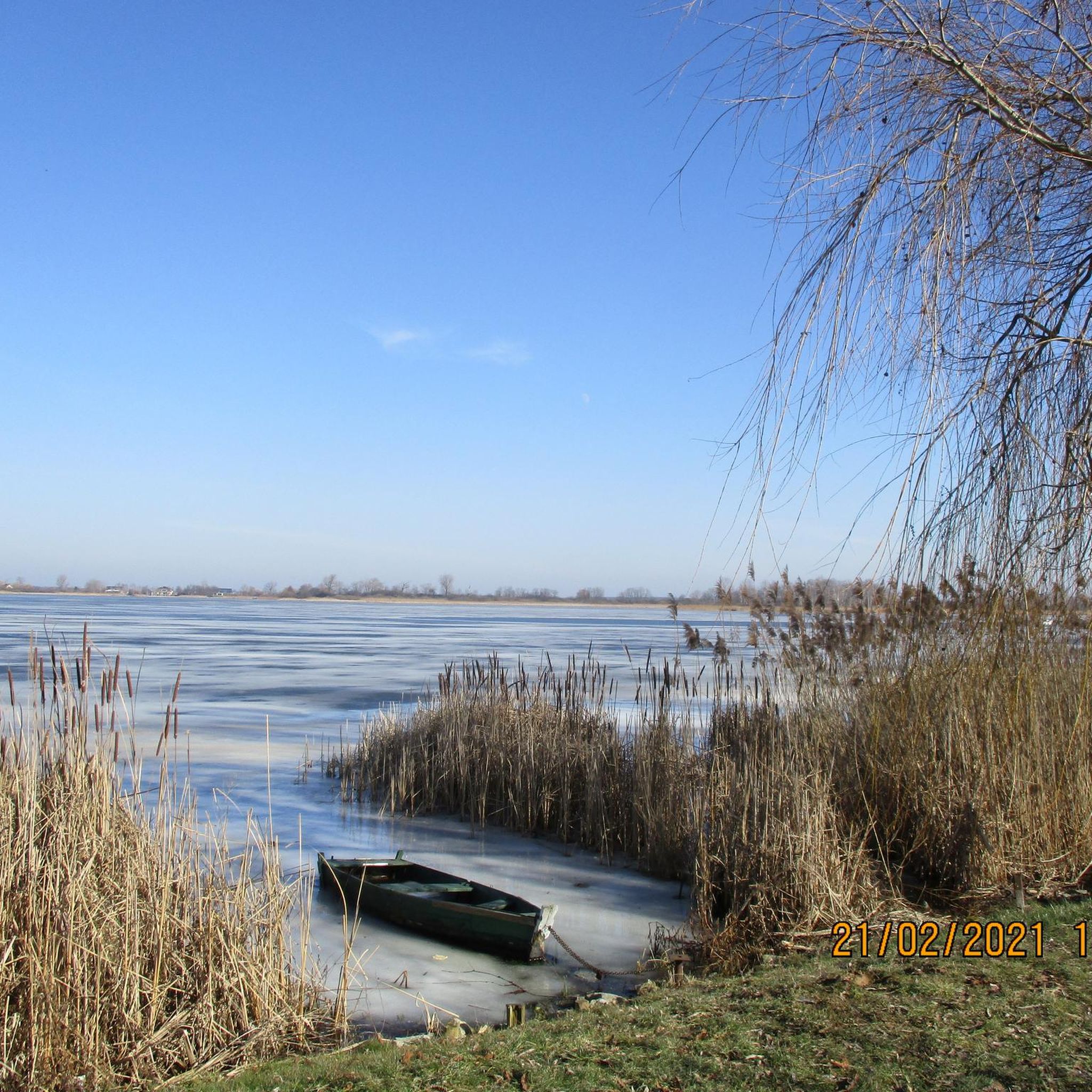
레이크 쿠니키 최고의 하이킹과 워킹을 찾으시나요? 그렇다면 아름다운 Legnica 호수 주변에 있는 경로 컬렉션을 아래에서 살펴보세요. 레이크 쿠니키에 있는 하이킹 트레일 중에서 마음에 드는 곳을 선택해 언제든지 야외 활동을 하면 돼요.
마지막 업데이트: 5월 20, 2026
5.0
(1)
13
등산객
5.19km
01:19
10m
10m
초급용 하이킹. 모든 체력 수준에 적합. 실력과 관계없이 누구나 쉽게 갈 수 있는 길.
3
등산객
7.85km
02:01
30m
30m
보통 하이킹. 좋은 체력 필요. 실력과 관계없이 누구나 쉽게 갈 수 있는 길.

무료 회원 가입
3
등산객
5.71km
01:29
30m
30m
초급용 하이킹. 모든 체력 수준에 적합. 실력과 관계없이 누구나 쉽게 갈 수 있는 길.
3
등산객
보통 하이킹. 좋은 체력 필요. 실력과 관계없이 누구나 쉽게 갈 수 있는 길.
5.0
(1)
6
등산객
4.28km
01:05
10m
10m
초급용 하이킹. 모든 체력 수준에 적합. 실력과 관계없이 누구나 쉽게 갈 수 있는 길.
더 다양한 경로와 다른 탐험가들의 추천을 살펴보세요.
무료 회원 가입
이미 komoot 계정이 있나요?
투어 추천은 다른 사람들이 komoot에서 완료한 수천 개의 활동을 바탕으로 구성되어 있습니다.
오늘 무료 계정으로 시작하세요
다음 모험이 기다리고 있어요.
로그인 또는 가입하기
The Julek statue in Legnica is a charming yet controversial public sculpture that is part of a larger artistic project: 🧒 Who is "Julek"? Depiction: A young boy with an oversized backpack, from which a proca (slingshot) protrudes. On his head, he wears a newspaper cap – a typical accessory of childhood in the 1950s. Symbolism: Embodies a cheeky, curious child from Legnica, representing the city's generations. 🎨 Artist & Concept Author: Edward Mirowski, a sculptor from Legnica. Unveiling: On May 30, 2014, directly on the market square, next to the Galeria Sztuki. Part of the "Dzieci Legnicy" (Children of Legnica) cycle: Several sculptures are planned, depicting children from different eras – from the 1950s to the present. Goal: To reflect the city's identity and history through childhood figures. 🗣️ Reactions & Discussion The sculpture sparked controversial discussions: Some saw it as a loving tribute to the city's history, while others criticized it as kitsch. The sculpture's placement between the cathedral and the gallery was also debated. 📍 Location Right on Legnica's Rynek (Market Square), next to the Galeria Sztuki – easily accessible and a popular photo opportunity.
0
0
The Neptune Fountain in Legnica is one of the oldest and most striking fountains in the city—a Baroque gem steeped in mythological symbolism and urban history. 🧜♂️ Historical Background Origin: As early as 1588, a fountain featuring the figure of the goddess Ceres stood on this site, fed by the city's water system via the water tower on the Młynówka River. Destruction: The original fountain was destroyed in city fires in the 17th century. Baroque Redesign: The current Neptune Fountain dates from 1731 and depicts the sea god Neptune with a trident and three dolphins at his feet. 📍 Location & Significance Located between the Cathedral of St. Peter and Paul and the Old Town Hall—right in the middle of the Market Square (Rynek). Together with the neighboring Mermaid Fountain, it forms an ensemble of Baroque fountain art in Legnica. A popular meeting place and photo opportunity, especially on hot days when the water provides a pleasant cooling effect. 🛠️ Restoration The Fontana Neptuna underwent extensive renovations in 2010 to preserve its artistic and functional qualities.
0
0
The Cathedral of St. Peter and Paul in Legnica (Katedra Świętych Apostołów Piotra i Pawła) is a significant sacred building with a rich history and impressive architecture. Here are the key details: 🏰 Historical Overview First church built: Already mentioned in 1208, originally dedicated to the Apostle Peter. Gothic Rebuilding: Built between 1328 and 1378 under master builder Wiland, modeled on St. Elizabeth's Church in Breslau. Consecration: On September 20, 1342, by Bishop Wacław; St. Paul was added as a second patron. Reformation: From 1522/23, the church served as a Protestant church under Duke Frederick II. Fire & Reconstruction: After a fire in 1835, it was rebuilt in the Neo-Gothic style according to designs by Karl Friedrich Schinkel. 🛐 Catholic Cathedral Return to Catholics: After 1945, following the transfer to Poland. Elevation to cathedral status: On March 25, 1992, by Pope John Paul II, the main church of the newly established Diocese of Legnica. Visit of the Pope: John Paul II visited the cathedral on June 2, 1997. 🎨 Architecture & Furnishings Three-aisled hall church with cross vaults in the side aisles and a ribbed presbytery. Northwestern main portal: Around 1370, with a Gothic statue of the Madonna and Child (ca. 1340) – a masterpiece of stonemasonry. West portal: Scenes from the Adoration of the Magi. Interior: Renaissance pulpit (1586/88) Baroque high altar Bronze baptismal font in the shape of a Gothic chalice Gravestone of Duke Ludwig II of Brieg and Elisabeth of Brandenburg. 📍 Location & Surroundings Directly on Liegnitz Square, centrally located in the old town. In the immediate vicinity: Church of Our Lady, Liegnitz Castle, Copper Museum, and Modrzejewska Theater.
0
0
Julek is a schoolboy with a slingshot and a newspaper cap. Rumor has it that he didn't go to school, preferring to earn some money instead. This is apparently just the beginning of a series called "Children of Legnica." It remains to be seen whether there will be other similar characters. As usual, there are supporters and opponents of this idea. A comparison with the Wrocław dwarves isn't really appropriate, as the reason for their creation is very different.
0
0
The Baroque-style Old Town Hall was last used as a town hall in 1905. It is located at the southeast end of the row of buildings on Legnica's market square, very close to the Church of St. Peter and St. Paul. The basement now houses a restaurant, known in Germany as the Ratskeller.
0
0
Julek – a sculpture of a boy by Legnica artist Edward Mirowski.
0
0
This church was dedicated to the two saints PIOTRA i PAWLA, also known as the "Prince of the Apostles". Their common feast day in the calendar of saints is June 29th. * Simon, nicknamed Peter (Rock), was a fisherman on Lake Genesareth when he - together with his brother - was called by Jesus Christ to be a "fisher of men". According to Catholic understanding, he is the highest apostle, and the two thousand year long line of popes - currently Francis - are his successors. In statues and paintings, Peter is almost always depicted with two keys in his hand; this attribute refers to the Bible verse in Matthew: "I will give you the keys of the kingdom of heaven; whatever you bind on earth will be bound in heaven, and whatever you loose on earth will be loosed in heaven." (Chapter 16, Verse 19). * Paul was initially an opponent of the Christian movement and was not called to the apostleship of Jesus Christ during his lifetime like the other apostles, but was only converted later with the famous "Damascus experience". His attribute is the sword with which he was executed; according to the Roman law of the time, this was a "privilege" (quick death and not, like other types of execution, associated with a long, painful death struggle) that was available to the citizens of Rome.
1
0
다른 지역의 최고의 하이킹를 살펴보세요.