20의 브록햄프턴가지 명소 & 주요 장소
브록햄프턴에는 둘러볼 만한 장소가 많답니다. 하이킹 또는 사이클링을 좋아한다면 브록햄프턴에 숨겨진 20
가지 보석을 만날 수 있을 거예요. 이 지역의 주요 명소를 살펴보면서 다음 모험을 계획해보세요.
마지막 업데이트: 10월 19, 2026
St Peter's Church, Martley
하이라이트 • 종교적 장소
팁에 의해

The Talbot, Knightwick
하이라이트 • 정착지
팁에 의해

이런 장소를 발견하려면 지금 가입하세요
최고의 싱글 트랙, 봉우리 및 다양한 흥미로운 야외 장소에 대한 추천을 받아보세요.
Kingswood Common
하이라이트 • 숲
팁에 의해
The Knapp & Papermill 자연 보호구역
하이라이트 • 자연
팁에 의해
오늘 무료 계정으로 시작하세요
다음 모험이 기다리고 있어요.

브록햄프턴 주변의 다른 모험

커뮤니티 팁

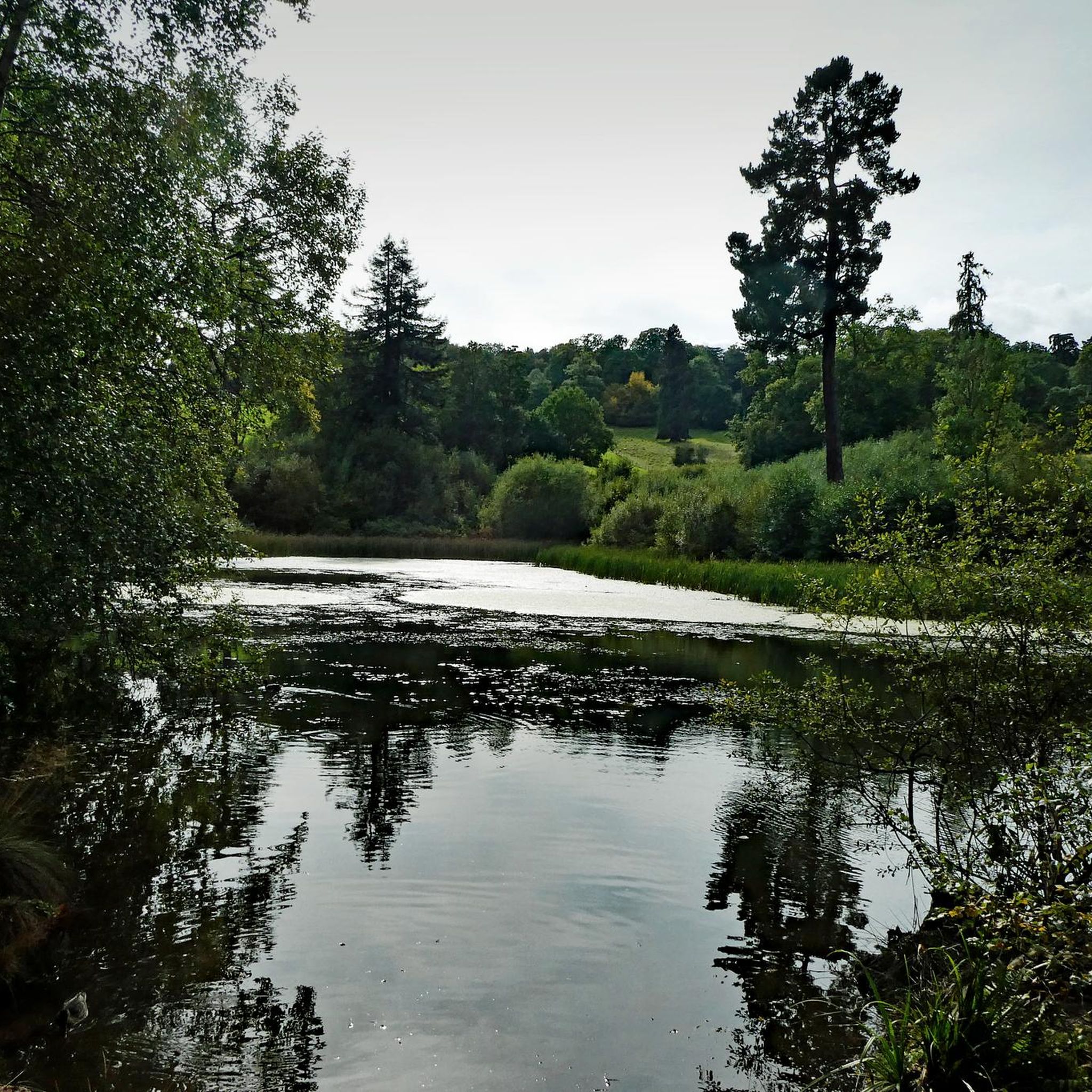
템 강을 따라 자리한 한적한 자연 보호 구역으로, 한쪽 끝은 상당히 개방되어 있고 마틀리 쪽 끝은 둘러싸여 있으며 수풀이 우거져 있습니다.
0
0
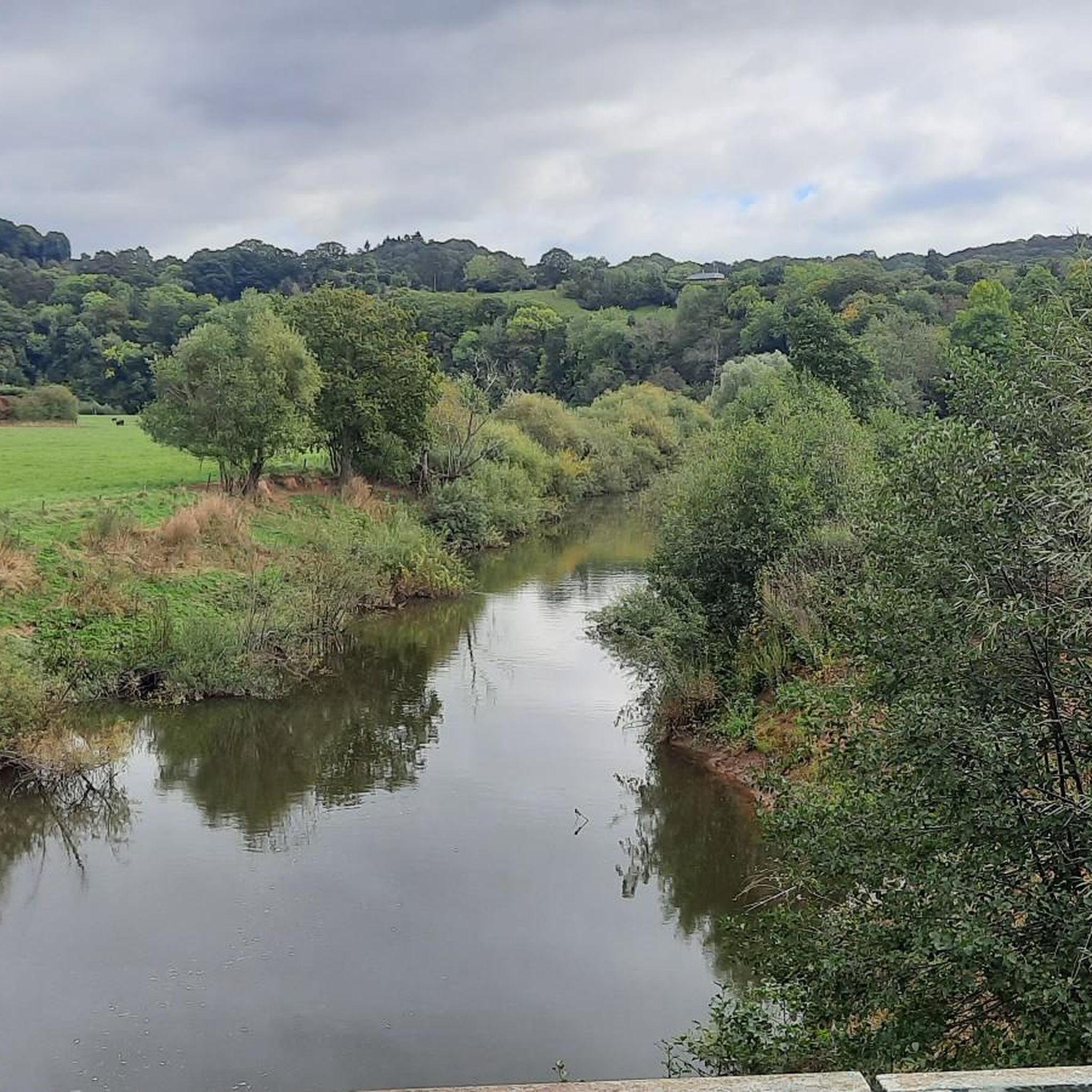
The Talbot is a particular favourite, they brew their own selection of excellent beers, and the food is superb too! It is also in a great location alongside the River Teme and below Ankerdine Hill. The little chapel in the photo above is actually the Knightwick Mortuary Chapel, and it is up a nearby hill, about 3/4 of a mile from the Talbot.
0
0
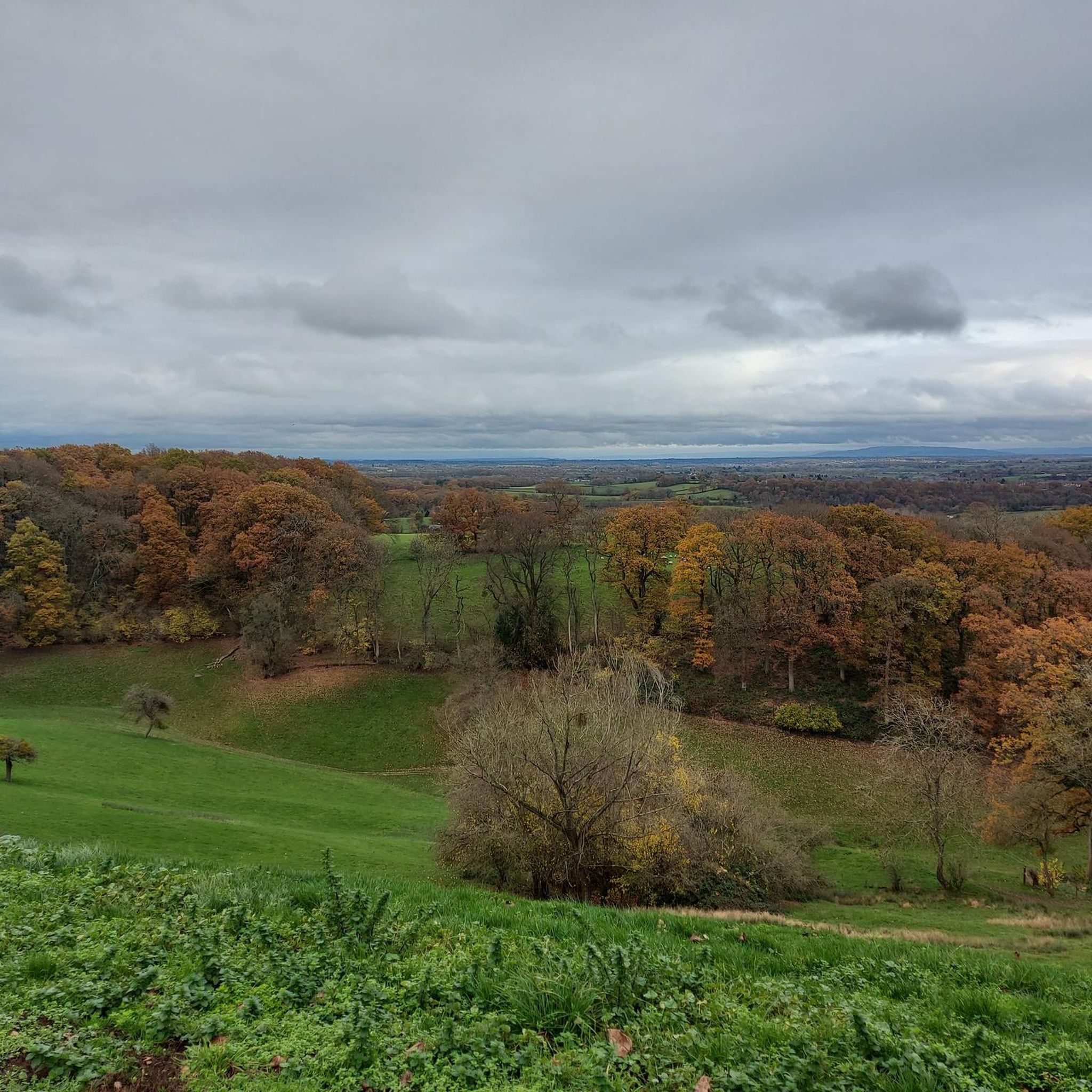
This is a delightful corner of Worcestershire. It is possible to do a circular walk along the bank of the Leigh Brook, and then back up the hill and through the woodland. Very pleasant way to while away of couple of hours or more!
0
0

Well kept footpaths through the woods. Trail along the Teme bank, or higher up the valley. Off road shoes essential, mind your step for some tree roots.
0
0

Great place to visit. Mini hidden gem near the village of Alfrick. Not suitable for road cycling and cycling as a whole. But it's definitely worth getting dismounted and having a lovely walk around.
0
0

The trail around the Knapp and Papermill starts in an apple orchard with old lichen-encrusted trees that attract nuthatches and green woodpeckers. In autumn and early winter visitors should keep an eye out for butterflies such as red admiral and peacock or birds like fieldfare and redwing feasting on the fallen fruit. The Leigh Brook has cut a winding valley with steep woodlands and rich meadows. Look for grey wagtails and dippers on the brook and, during the winter months, listen for flocks of long-tailed tits and siskins in the brook-side alders. Dragonflies and damselflies thrive on the brook during spring and summer but only the luckiest of visitors may catch sight of an otter. The trail takes visitors along the brook, around meadows and through woodland. Big Meadow is a hay meadow with flowers such as knapweed, ox-eye daisy and yellow rattle together with a scattering of green-winged and common spotted orchids. Papermill Meadow is an old pasture on slightly more acid soil. This meadow is a favourite hunting ground for buzzards that breed in the valley. The much smaller Tor Meadow has orchids and cowslips. Butterflies frequent all three meadows and more than 30 species have been recorded here including common and holly blue, brimstone, purple hairstreak and white admiral. Each meadow is maintained by hay cutting and/or grazing. Woodland occupies about half the reserve and some areas are managed by coppicing. This traditional method of cutting down young stems to near ground level on a rotation ensures that trees never die and there is always a range of habitats for wildlife at different stages of re-growth. Coppicing helps to encourage the marvellous carpet of bluebells and other wildflowers (yellow archangel, stitchwort and wild garlic) that can be seen each spring. Wild service trees grow in profusion here along with both small and large-leaved lime as well as oaks and hazels. Dormice are encouraged through the provision of nest boxes, as are many species of birds and bats. The reserve is important for bats and 11 of the UK’s 17 regular breeding species are found here. Source: worcswildlifetrust.org.uk
0
0
A large village church with 12th century Norman origins and work from several later periods. The tower is 15th century. The church was restored in 1909 by Sir Charles Nicholson. There is an excellent west window by Tom Denny, 1999. Parish church. Early C12, early C13 and circa 1315, restored 1875, 1884 and 1909. Last restoration by Sir Charles Nicholson. Ashlar, plain tile roof. Nave and chancel continuous, west tower, north vestry of 1875, south porch of 1184. Chancel: three bays, north wall early C13 with two lancets, north vestry; east window: restored Decorated of early C14, three trefoiled lights; south wall: eastern window Decorated with two trefoiled lights, other two larger each with two ogee trefoiled lights, formerly looked into Mortimer chapel (consecrated 1315, demolished), they flank a three-centred-headed priest's door; stepped right angle buttresses to corners. Nave: three bays, all windows restored: decorated each with two trefoiled lights in both walls. Restored early C12 south door with timber porch of 1884; blocked north door more complete and similar in design; doorway projects c150mm from wall face, with decorated semicircular head and consecration cross; wall has five bays defined by a series of early C12 pilasters, top four courses of naves walls are of alternate bands of red and white sandstone. West tower: C15 in three stages divided by moulded string, moulded plinth, embattled parapet with pinnacles of 1909 to diagonal corner buttresses. C15 Perpendicular west window with three cinquefoiled lights; first stage has single trefoiled lights, bell chamber has windows with two cinquefoiled lights under two-centred head. INTERIOR: chancel: double aumbry in north wall, piscina in south wall with priests head to label stop; nave: entrance to rood stairs and above rood left door, stairs were in an external projection, now lost; tower arch of two chamfered orders with moulded abaci at springing. Roofs: similar over nave and chancel, slightly lower pitch to chancel, collar-rafter roof with straight braces from rafter to collar and ashlar pieces, five tie beams in nave, two in chancel, probably early C14. A framed tympanum divides the nave from the chancel roof, probably C17. Fittings: wall paintings in nave of C15 including St Martin on horseback dividing his cloak for the beggar; in chancel wall paintings of late C13 and C15, including C15 canopy design on east wall, and a C15 Annunciation group on the south wall. A few late C15 Malvern tiles in chancel floor; early C20 screen, font, pulpit and organ. Late C15 recumbent effigy of alabaster against north wall of chancel, ridged coffin lid to south with traces of incised cross and pastoral staff. The two eastern windows in the south wall of the nave and central window in north wall are of circa 1915 by Walter E Tower. Source: britishlistedbuildings
0
0
브록햄프턴 주변에서 가장 인기 있는 명소


더 살펴보기
찾고 있는 하이라이트를 아직 못 찾으셨나요? 다른 지역의 주요 명소 가이드를 확인해보세요:
