20의 카르테가지 명소 & 주요 장소
카르테에는 둘러볼 만한 장소가 많답니다. 하이킹 또는 사이클링을 좋아한다면 카르테에 숨겨진 20
가지 보석을 만날 수 있을 거예요. 이 지역의 주요 명소를 살펴보면서 다음 모험을 계획해보세요.
마지막 업데이트: 10월 9, 2026
산티야나 델 마르 역사적 구시가지
하이라이트 • 역사적 장소
번역자 Google •
팁에 의해

산타 훌리아나 콜레지아타 교회 (Colegiata de Santa Juliana)
하이라이트 • 종교적 장소
번역자 Google •
팁에 의해
이런 장소를 발견하려면 지금 가입하세요
최고의 싱글 트랙, 봉우리 및 다양한 흥미로운 야외 장소에 대한 추천을 받아보세요.


오늘 무료 계정으로 시작하세요
다음 모험이 기다리고 있어요.
커뮤니티 팁

산타 후스타 해변은 절벽의 바위에 박혀 있는 산타 후스타 예배당과 강한 조류로 유명한 칸타브리아의 아름답고 독특한 만입니다. 산틸라나 델 마르 시의 우비아르코 마을 옆에 있습니다.
0
0

아쉽게도 4월 26일 월요일에는 로마네스크 성당이 문을 닫으며, 운영 시간도 없습니다.🤔
0
0
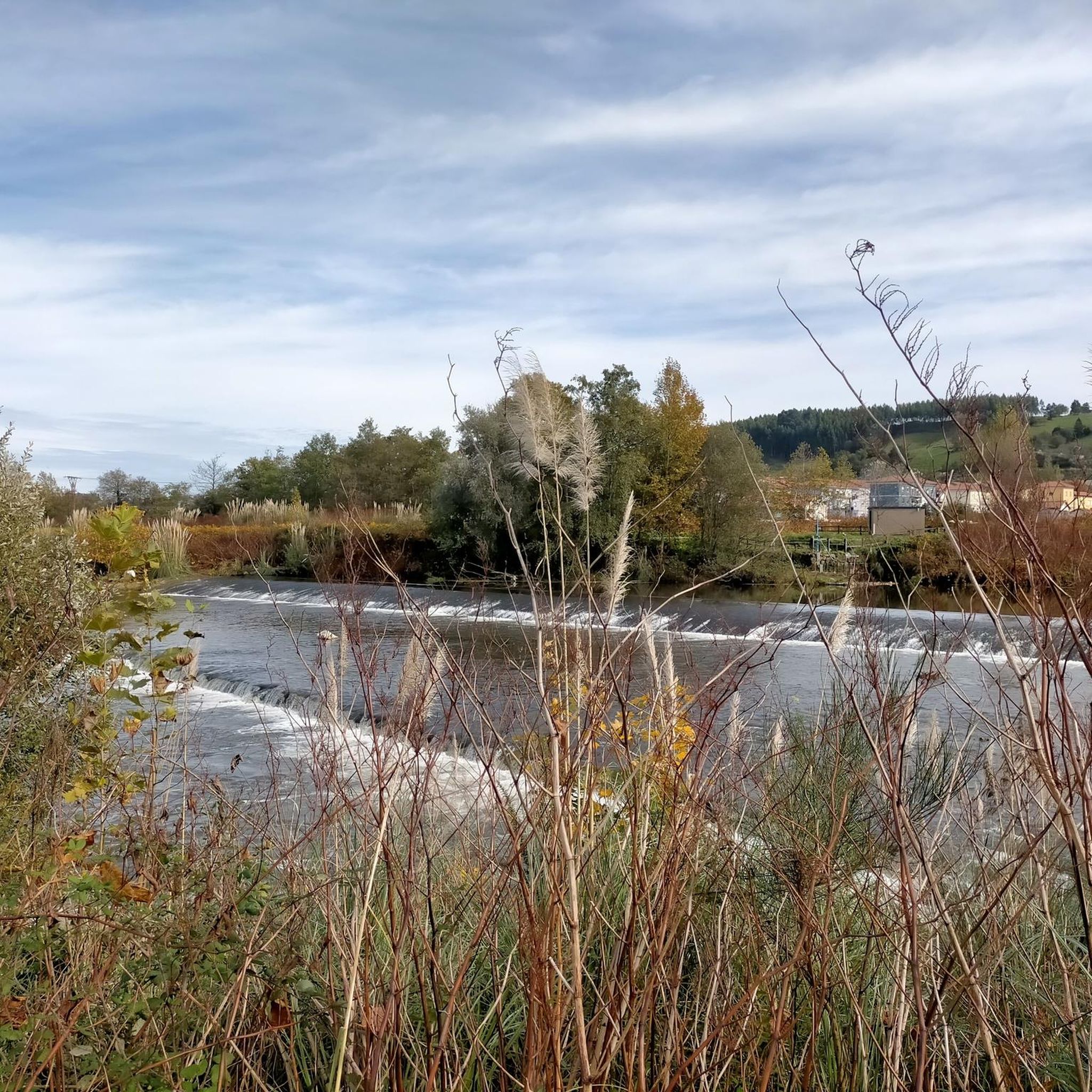
Tagle Beach is a wild cove in the municipality of Suances, and often has high waves and strong currents.
0
1

El Sable Beach, located in Tagle, a town in the municipality of Suances (Cantabria), is a natural gem perfect for those seeking tranquility and scenic beauty.
4
0

The Altamira Cave covers an area of more than 5500 m². It was used from 33,600 BC until the entrance collapsed in 11,000 BC. The particularly impressive ceiling paintings are dated to the period 16,500 to 13,000 BC.[3] The cave was discovered in 1868 by a hunter due to the disappearance of a hunting dog, who immediately reported the discovery to the lord of Santillana,[2] the naturalist Marcelino Sanz de Sautuola (1831–1888). The paintings were discovered by Sautuola's five-year-old daughter Maria, who was able to walk upright through the cave and made out images of "cattle" on the ceiling.[2] Marcelino began systematically digging in the cave in 1879[2] and published a short description of the "prehistoric objects in the province of Santander". Even the Spanish King Alfonso XII was invited into the cave. However, the academic world doubted the authenticity of the cave paintings.[2] The French prehistorian Émile Cartailhac described the paintings as a "vulgar prank by a scribbler" that he and his contemporaries did not even want to look at. The discovery had to wait almost 23 years for recognition. It was only when similar paintings were discovered in the Font-de-Gaume cave near Les Eyzies-de-Tayac-Sireuil in the Dordogne department (France) in 1901 that the attitude of French researchers and Cartailhac, who became the symbol of archaeological ignorance, changed. Cartailhac apologized posthumously to the Marquis de Sautuola in an essay in 1902 ("Mea culpa" d'un sceptique[4]).
0
0
The Altamira Cave covers an area of more than 5500 m². It was used from 33,600 BC until the entrance collapsed in 11,000 BC. The particularly impressive ceiling paintings are dated to the period 16,500 to 13,000 BC.[3] The cave was discovered in 1868 by a hunter due to the disappearance of a hunting dog, who immediately reported the discovery to the lord of Santillana,[2] the naturalist Marcelino Sanz de Sautuola (1831–1888). The paintings were discovered by Sautuola's five-year-old daughter Maria, who was able to walk upright through the cave and made out images of "cattle" on the ceiling.[2] Marcelino began systematically digging in the cave in 1879[2] and published a short description of the "prehistoric objects in the province of Santander". Even the Spanish King Alfonso XII was invited into the cave. However, the academic world doubted the authenticity of the cave paintings.
2
0

One of the most beautiful medieval villages in Spain and loved by many tourists. The entire town is one museum.
7
0
The drinking trough is central and has a roof above it 😀
7
0
카르테 주변에서 가장 인기 있는 명소


더 살펴보기
찾고 있는 하이라이트를 아직 못 찾으셨나요? 다른 지역의 주요 명소 가이드를 확인해보세요:
