4.5
(20)
1,955
달리기 하는 사람
172
러닝
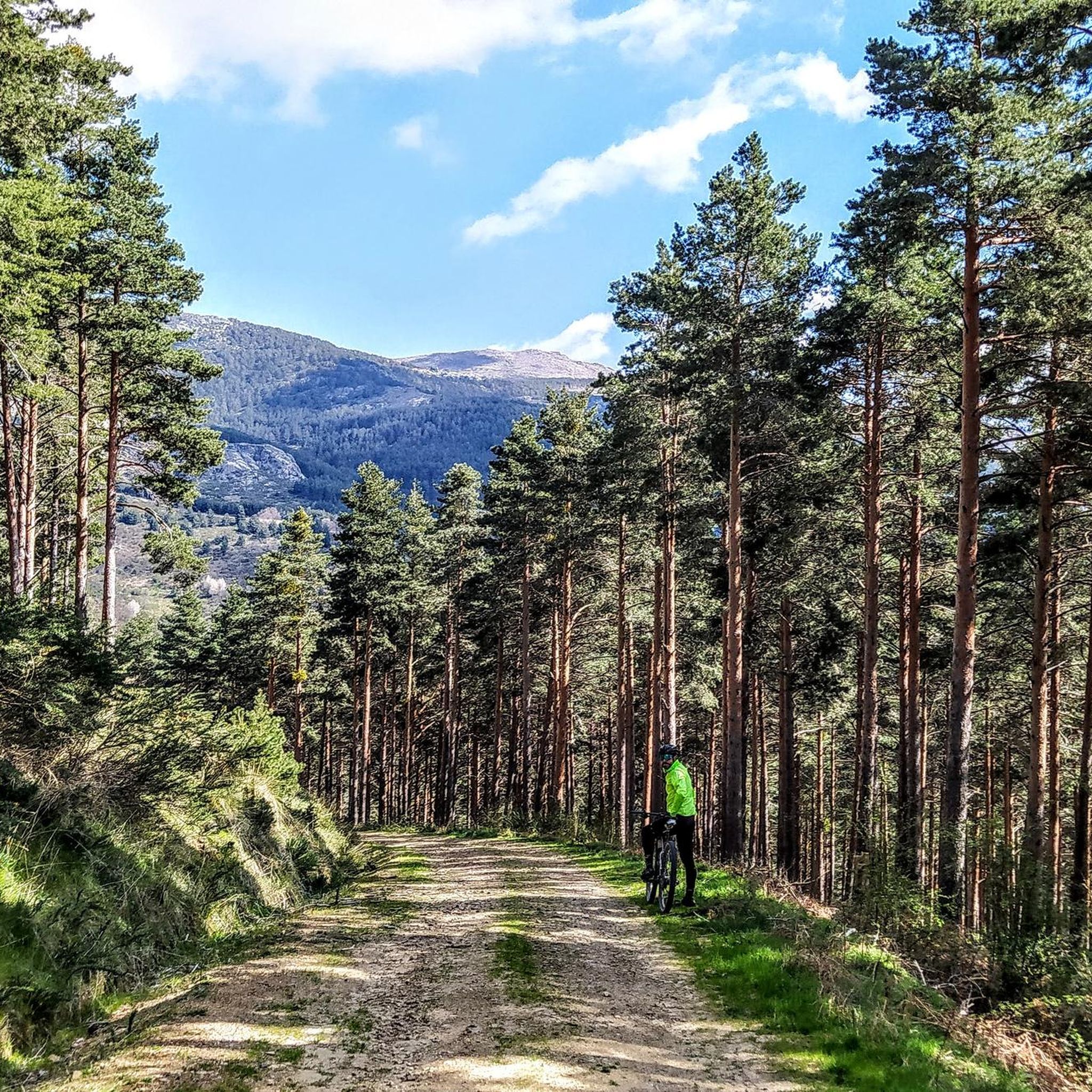
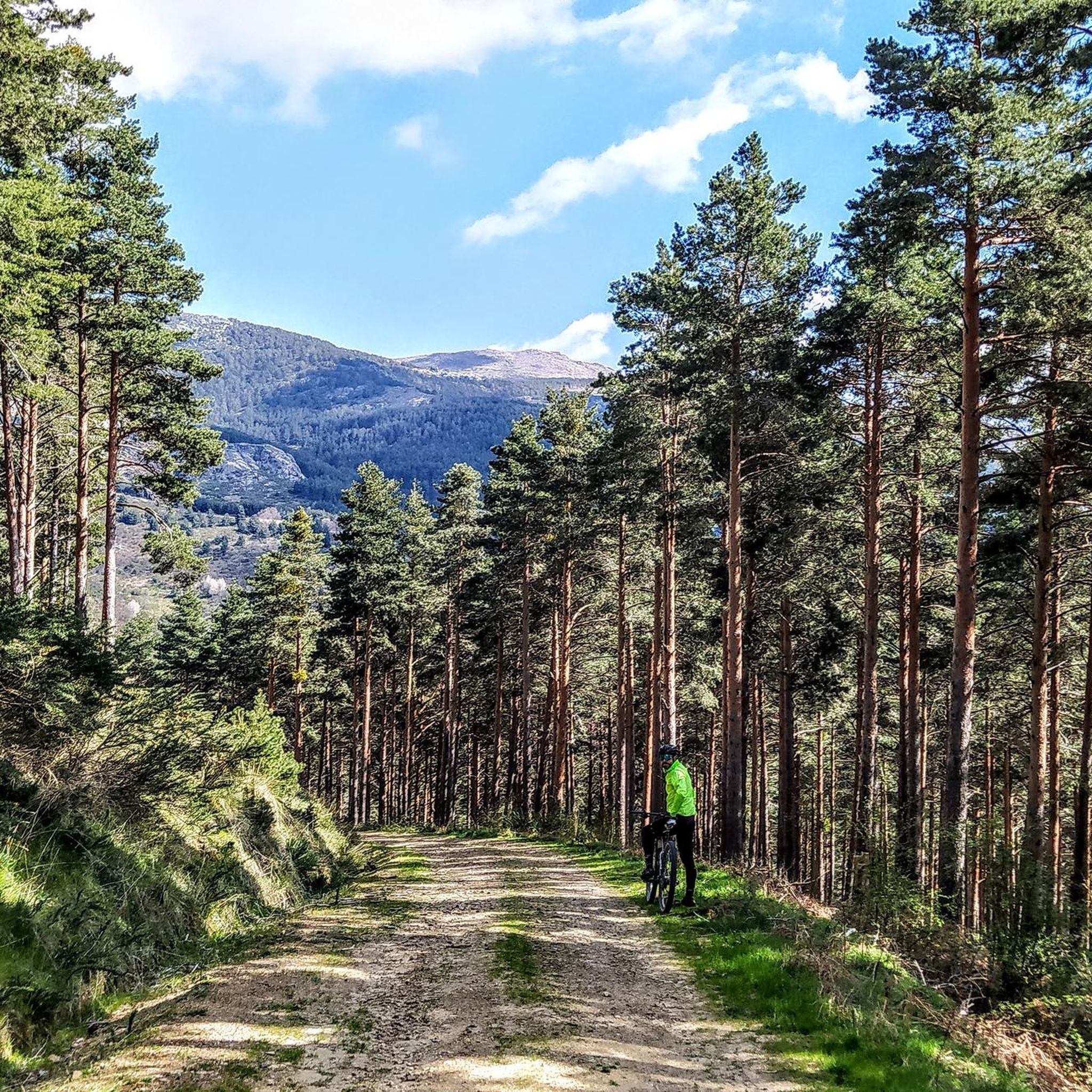
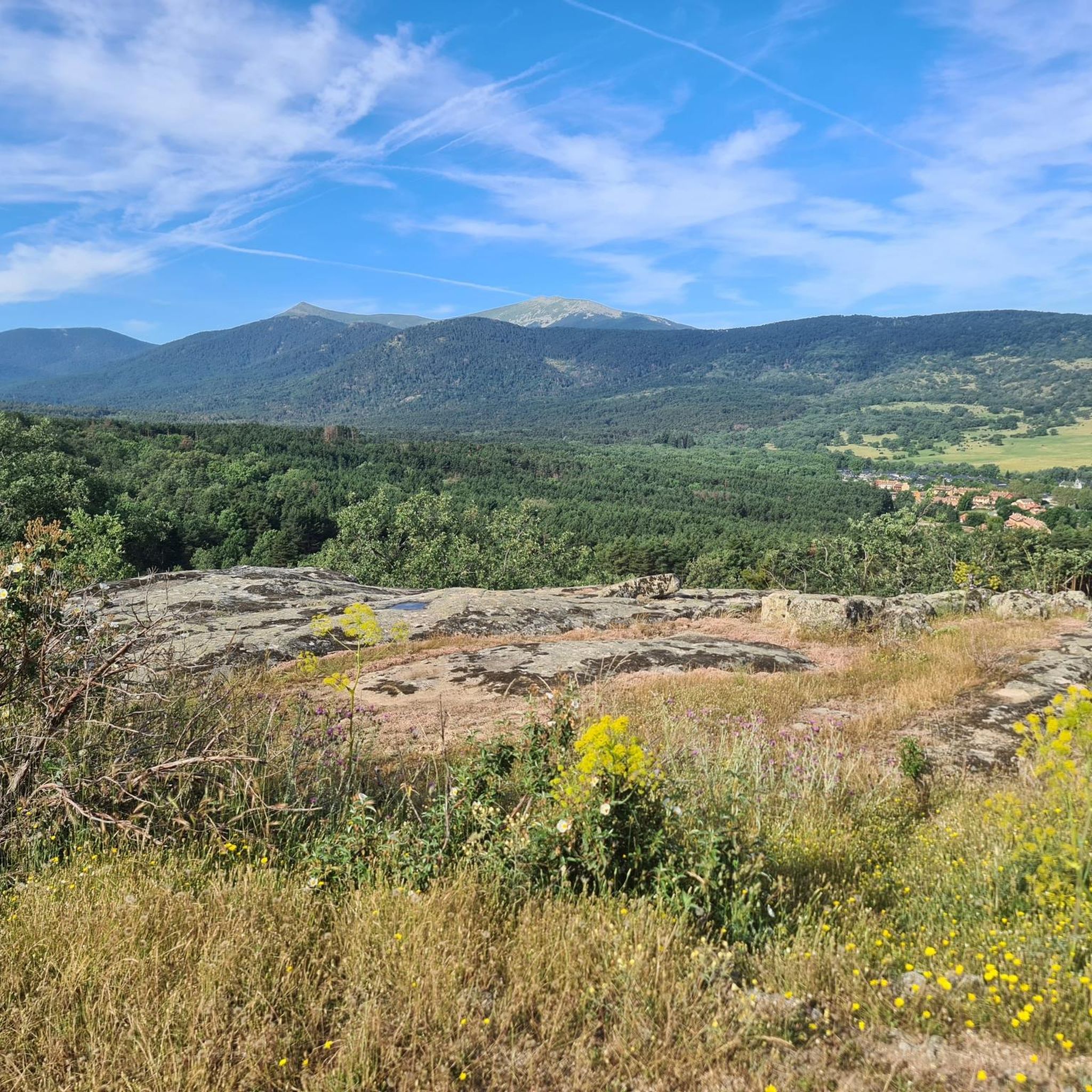
트레스카사스에서 하이킹하며 세고비아 구석 부분까지 살펴볼까요? 트레스카사스에 있는 모든 하이킹 및 워킹 경로 컬렉션 중 가장 멋진 하이킹 경로를 엄선하여 소개해드릴게요. 다른 하이커가 공유한 실제 팁과 사진을 살펴보고 후기를 읽으며 마음에 드는 트레스카사스 워킹 경로를 찾아보세요.
마지막 업데이트: 4월 18, 2026
19
달리기 하는 사람
12.0km
01:26
170m
170m
보통 조깅. 좋은 체력 필요. 대부분 포장된 지면. 실력과 관계없이 누구나 갈 수 있음.
15
달리기 하는 사람
16.0km
01:49
180m
170m
어려운 조깅. 우수한 체력 필요. 대부분 포장된 지면. 실력과 관계없이 누구나 갈 수 있음.
무료 회원 가입
12
달리기 하는 사람
10.4km
01:09
100m
100m
보통 조깅. 좋은 체력 필요. 대부분 포장된 지면. 실력과 관계없이 누구나 갈 수 있음.
10
달리기 하는 사람
9.34km
01:01
70m
70m
보통 조깅. 좋은 체력 필요. 대부분 포장된 지면. 실력과 관계없이 누구나 갈 수 있음.
10
달리기 하는 사람
7.01km
00:45
100m
100m
보통 조깅. 좋은 체력 필요. 대부분 포장된 지면. 실력과 관계없이 누구나 갈 수 있음.
더 다양한 경로와 다른 탐험가들의 추천을 살펴보세요.
무료 회원 가입
이미 komoot 계정이 있나요?
투어 추천은 다른 사람들이 komoot에서 완료한 수천 개의 활동을 바탕으로 구성되어 있습니다.
오늘 무료 계정으로 시작하세요
다음 모험이 기다리고 있어요.
로그인 또는 가입하기
The Segovia Aqueduct is an impressive architectural structure dating back to the 1st century AD and was built by the Romans during their occupation of Hispania. Its main function was to supply water to the city of Segovia, transporting it from the mountains to the city centre. The aqueduct carries water from the Fuenfría spring, located in the mountains about 17 kilometres from the city, to the centre of Segovia. The water is collected in a cistern called El Caserón and then carried through a channel of ashlars to a second tower known as Casa de Aguas. After travelling for more than 15 km, it reaches the city. The Segovia Aqueduct is a heraldic symbol of the city and one of the most impressive works that the Romans left behind in their vast empire. If you ever have the chance to visit it, I highly recommend you do. It's truly amazing! 😊🏛️
8
0
The Segovia Aqueduct is an impressive architectural structure dating back to the 1st century AD and was built by the Romans during their occupation of Hispania. Its main function was to supply water to the city of Segovia, transporting it from the mountains to the city centre. The aqueduct carries water from the Fuenfría spring, located in the mountains about 17 kilometres from the city, to the centre of Segovia. The water is collected in a cistern called El Caserón and then carried through a channel of ashlars to a second tower known as Casa de Aguas. After travelling for more than 15 km, it reaches the city. The Segovia Aqueduct is a heraldic symbol of the city and one of the most impressive works that the Romans left behind in their vast empire. If you ever have the chance to visit it, I highly recommend you do. It's truly amazing! 😊🏛️
5
0
The Segovia Aqueduct is an impressive architectural structure dating back to the 1st century AD and was built by the Romans during their occupation of Hispania. Its main function was to supply water to the city of Segovia, transporting it from the mountains to the city centre. The aqueduct carries water from the Fuenfría spring, located in the mountains about 17 kilometres from the city, to the centre of Segovia. The water is collected in a cistern called El Caserón and then carried through a channel of ashlars to a second tower known as Casa de Aguas. After travelling for more than 15 km, it reaches the city. The Segovia Aqueduct is a heraldic symbol of the city and one of the most impressive works that the Romans left behind in their vast empire. If you ever have the chance to visit it, I highly recommend you do. It's truly amazing! 😊🏛️
5
0
The Segovia Aqueduct is an impressive architectural structure dating back to the 1st century AD and was built by the Romans during their occupation of Hispania. Its main function was to supply water to the city of Segovia, transporting it from the mountains to the city centre. The aqueduct carries water from the Fuenfría spring, located in the mountains about 17 kilometres from the city, to the centre of Segovia. The water is collected in a cistern called El Caserón and then carried through a channel of ashlars to a second tower known as Casa de Aguas. After travelling for more than 15 km, it reaches the city. The Segovia Aqueduct is a heraldic symbol of the city and one of the most impressive works that the Romans left behind in their vast empire. If you ever have the chance to visit it, I highly recommend you do. It's truly amazing! 😊🏛️
5
0
The Segovia Aqueduct is an impressive architectural structure dating back to the 1st century AD and was built by the Romans during their occupation of Hispania. Its main function was to supply water to the city of Segovia, transporting it from the mountains to the city centre. The aqueduct carries water from the Fuenfría spring, located in the mountains about 17 kilometres from the city, to the centre of Segovia. The water is collected in a cistern called El Caserón and then carried through a channel of ashlars to a second tower known as Casa de Aguas. After travelling for more than 15 km, it reaches the city. The Segovia Aqueduct is a heraldic symbol of the city and one of the most impressive works that the Romans left behind in their vast empire. If you ever have the chance to visit it, I highly recommend you do. It's truly amazing! 😊🏛️
6
0
The Segovia Aqueduct is an impressive architectural structure that dates back to the 1st century AD. C. and was built by the Romans during the occupation of Hispania. Its main function was to supply water to the city of Segovia, transporting it from the mountains to the urban center. The aqueduct carries the waters of the Fuenfría spring, located in the mountains about 17 kilometers from the city, to the center of Segovia. The water is collected in a cistern called El Caserón and then taken through an ashlar canal to a second tower known as Casa de Aguas. After traveling more than 15 km, you arrive at the city. The Segovia Aqueduct is a heraldic symbol of the city and one of the most impressive works that the Romans left in their vast empire. If you ever have the opportunity to visit, I recommend that you do so. It's really amazing! 😊🏛️
7
0
The Segovia aqueduct, one of the most emblematic architectural symbols of Spain, was used to transport water from the Guadarrama mountain range to the city. It is a true Roman jewel that deserves to be appreciated from all its angles.
2
0
The Eresma River, which runs through the provinces of Segovia and Valladolid, originates in the Guadarrama mountain range. It has a length of 134 kilometers, and is a subtributary of the Duero.
1
0
다른 지역의 최고의 러닝 트레일 & 경로를 살펴보세요.
무료로 가입하기