셀라야 최고의 워킹 & 하이킹 경로
4.4
(159)
1,097
등산객
78
하이킹
정확한 경로를 찾는 것이 때로는 어렵지만 셀라야에서 하이킹을 하면 다양한 경치를 마음껏 감상할 수 있답니다. 셀라야에서 가장 멋진 하이킹과 워킹 중에서 마음에 드는 활동을 시작해보세요.
마지막 업데이트: 8월 31, 2026
18.7km
05:44
650m
640m
어려운 하이킹. 우수한 체력 필요. 대부분 갈 수 있는 길. 미끄러지지 않게 조심해야 함.
4.8
(10)
58
등산객
10.8km
03:31
470m
470m
보통 하이킹. 좋은 체력 필요. 실력과 관계없이 누구나 쉽게 갈 수 있는 길.

무료 회원 가입
4.8
(8)
20
등산객
13.6km
04:11
500m
500m
보통 하이킹. 좋은 체력 필요. 실력과 관계없이 누구나 쉽게 갈 수 있는 길.
4.7
(3)
21
등산객
10.3km
02:54
210m
210m
보통 하이킹. 좋은 체력 필요. 실력과 관계없이 누구나 쉽게 갈 수 있는 길.
5.0
(1)
10
등산객
10.8km
03:25
440m
440m
보통 하이킹. 좋은 체력 필요. 실력과 관계없이 누구나 쉽게 갈 수 있는 길.
더 다양한 경로와 다른 탐험가들의 추천을 살펴보세요.
무료 회원 가입
이미 komoot 계정이 있나요?
투어 추천은 다른 사람들이 komoot에서 완료한 수천 개의 활동을 바탕으로 구성되어 있습니다.
오늘 무료 계정으로 시작하세요
다음 모험이 기다리고 있어요.
로그인 또는 가입하기
셀라야 주변 인기 장소
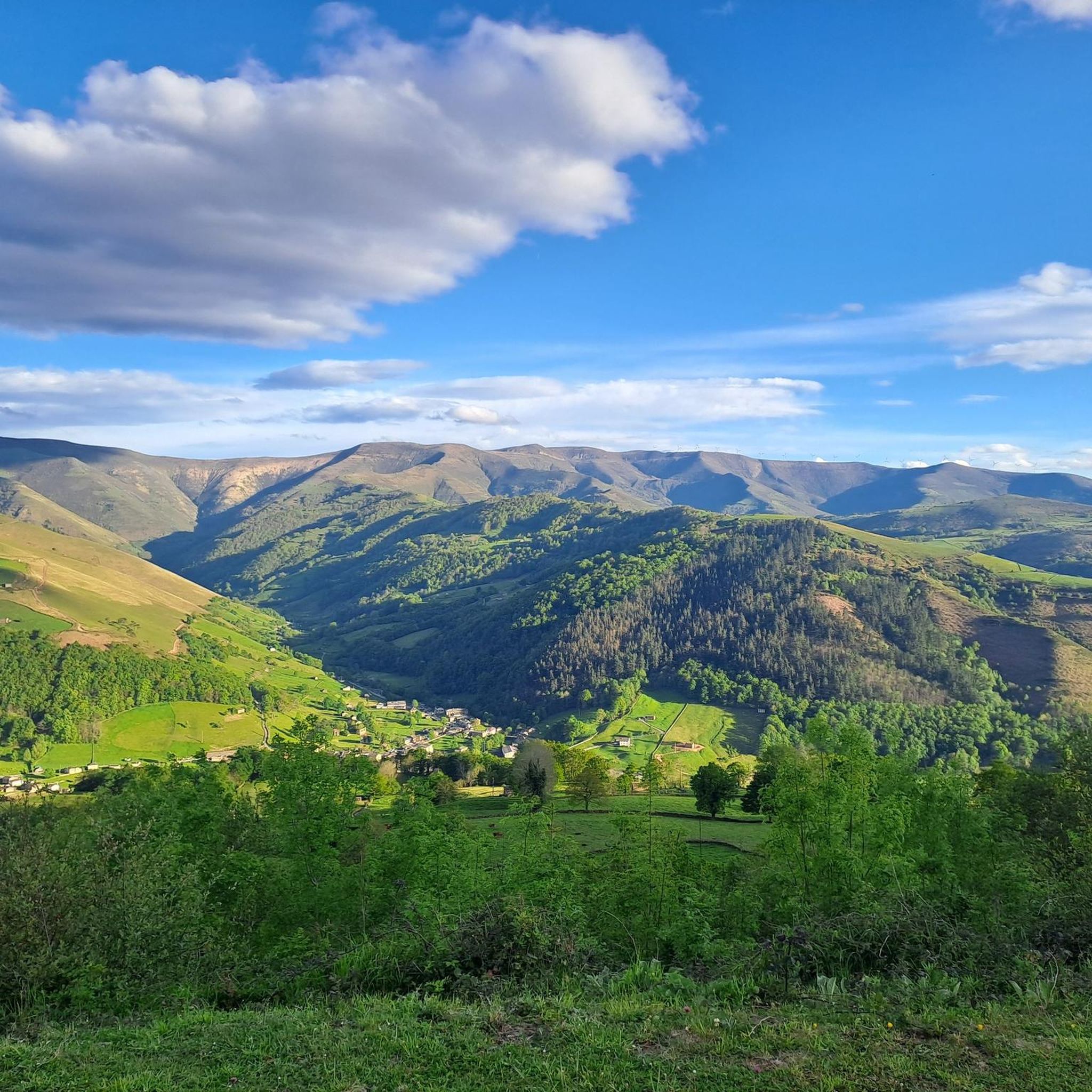
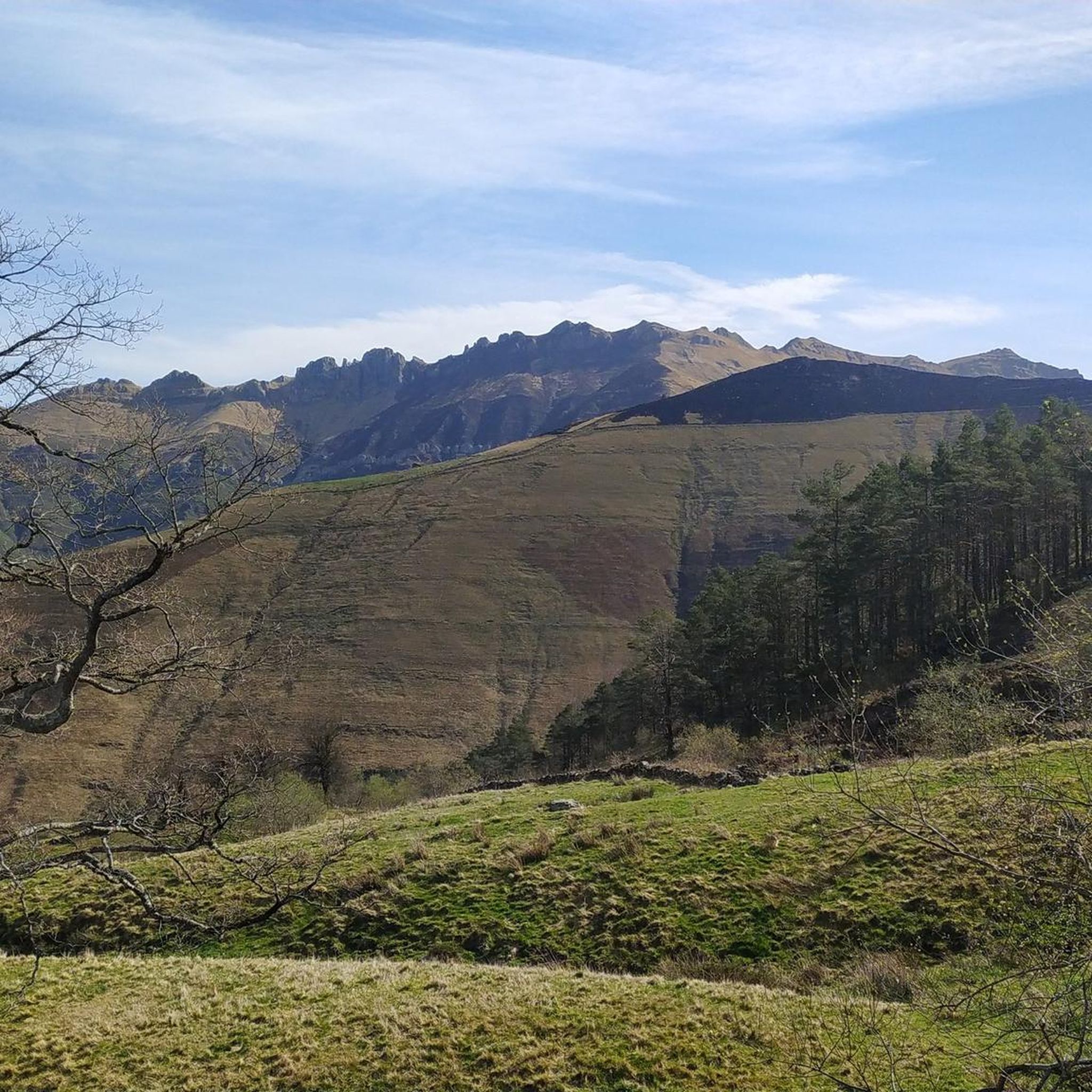
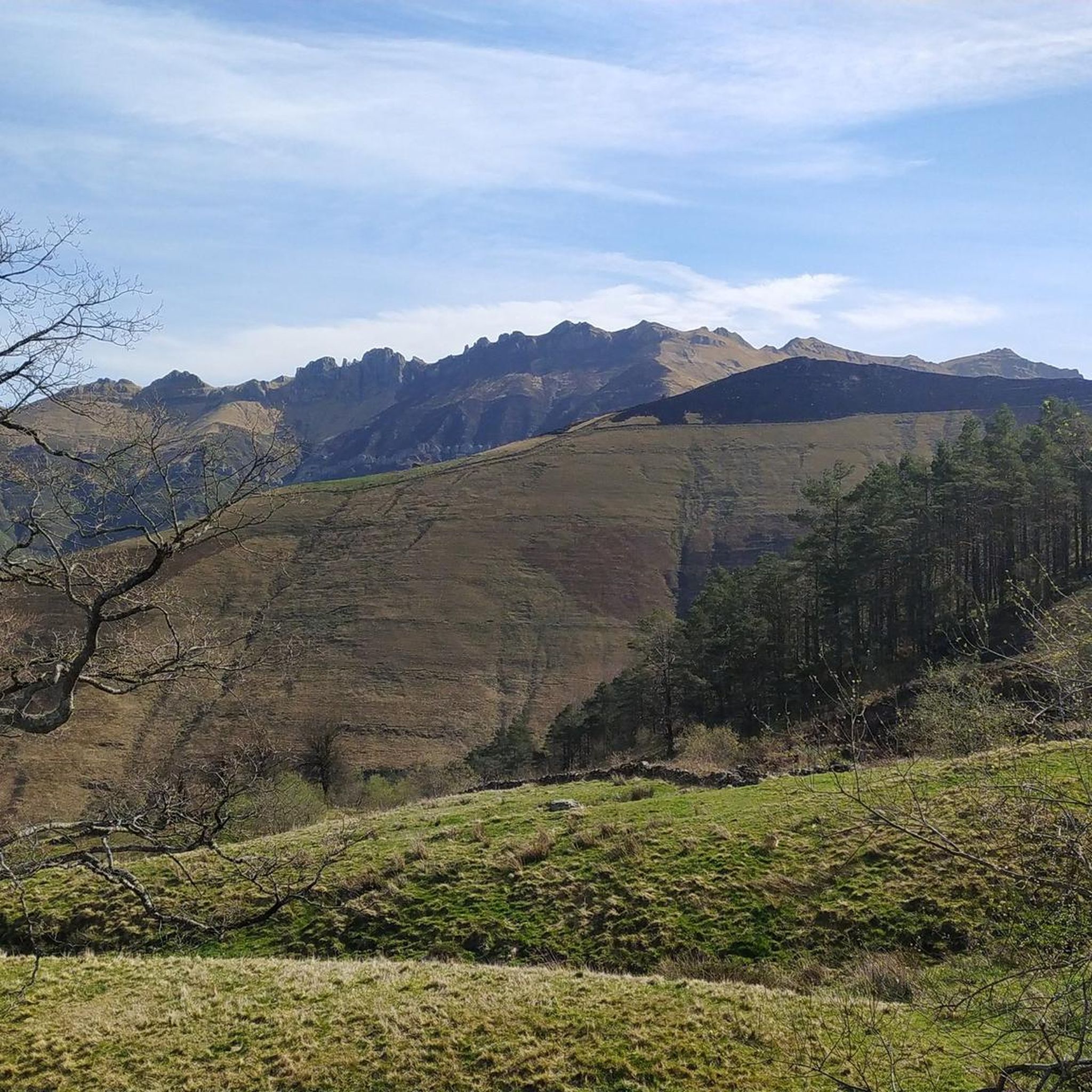
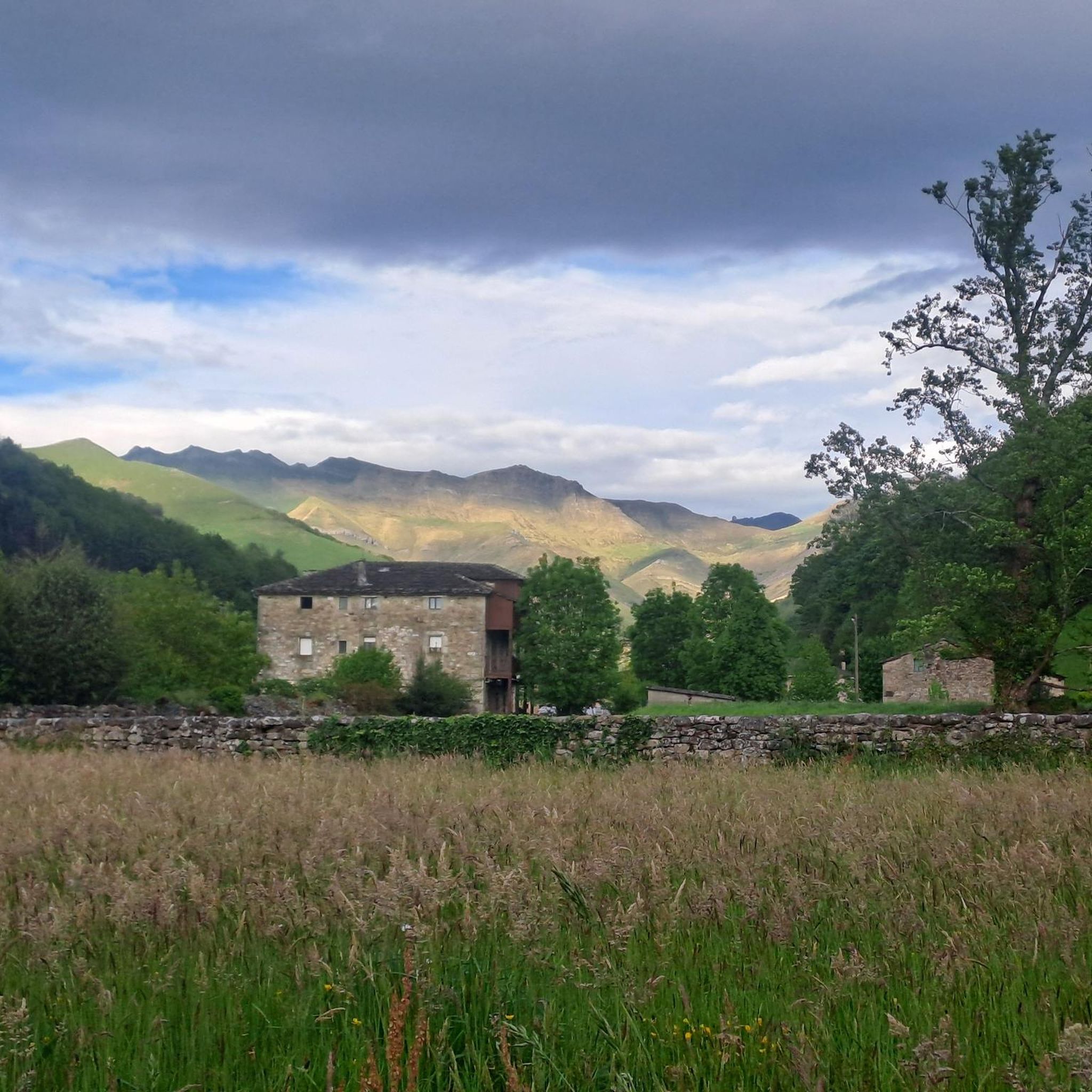
커뮤니티 팁

The Aján River waterfalls in Vega de Pas, Cantabria, are a spectacular destination for nature and hiking lovers. The route that follows the course of the Aján River offers a succession of waterfalls, stone bridges and tunnels, surrounded by lush forests and green meadows.
5
0

I agree with Lucía, a beautiful trail, especially in spring.
1
0

La Vega de Pas (usually called La Vega) is a town in Cantabria. It is one of the so-called "three country towns" together with San Pedro del Romeral and San Roque de Riomiera.
0
0

The top of Alcor is located at 861 meters above sea level and offers beautiful views towards the Cantabrian interior, more specifically to Villacarriedo and San Roque de Riomiera.
1
0
For almost 3 km, the path that runs along the Aján riverbed from Yera to the Engaña tunnel, is a parade of waterfalls and very picturesque natural pools surrounded by a wonderful environment, none of them will go unnoticed!
3
0

Palacio de Soñanes in Villacarriedo is a Baroque marvel built in the 18th century and located next to the Colegio de los Escolapios. It was ordered to be built by D. Juan Antonio Díaz de Arce y Pérez del Camino, a diplomat of Philip V who became General Intendent of Aragon, between 1718 and 1722. It has been attributed to the Italian architect Cossimo Fontanelli, although it has recently been linked to the Salamanca baroque school, with plateresque and churrigueresque influences, being ultimately assigned to the mountain architect D. Francisco La Riva Ladrón de Guevara. The palace has a quadrangular ground plan, surrounding the old Torre de los Díaz de Arce. It has three floors and a monumental staircase. The facades have great ornamental richness, with free-standing Corinthian columns on the two lower floors and pilasters on the upper one. The Solomonic and balustraded columns have fluted shafts. The openings are rectangular, almost all of them highlighted by decorated columns, and are finished off by split pediments. In the center of the intermediate floor there are wrought iron balconies. The decoration is completed with other elements, such as friezes adorned with fallen leaves or grooves, etc. Pinnacles, modillions, acroteras and gargoyles appear on the roof. There are also some heraldic shields, highlighting the one located in the center of the upper floor of the façade, with the arms of Díaz de Arce and Pérez del Camino. It has recently been restored as a hotel and restaurant Source: https://turismodecantabria.com/disfrutala/que-visitar/133-palacio-de-sonanes
1
0
The Casona de los Miera is located in Selaya and was declared an Asset of Local Interest, with the property category on November 27, 2002. This house, also known as "La Torre" was built at the beginning of the 17th century with ashlars of good quality. This architectural complex is made up of a house and a tower with an “L” floor plan. The house is two stories high and is covered with a gabled roof. The wide arcade opens onto the corralada and the street through two semicircular arches. The wrought-iron balcony has a coat of arms of the Miera, Arce, Castillo de la Concha and Ceballos families and is supported by arches that are supported by pillars without capitals, instead simple imposts appear that are combined with lowered imposts. Protected by the arcade we find some doors that give us access to the interior of the house. The tower, made entirely of ashlar masonry, is three stories high and lacks decorations except for the coat of arms located between two small openings. On the sides of the tower there are two smaller balconies, but also made of wrought iron. The roof is hipped with Arabic tiles and is topped at its corners with pinnacles. Source: https://www.viajarporcantabria.com/casona-de-los-miera-en-selaya/
0
0
At the foot of the leafy De Todos oak grove, in Valvanuz, this building stands on top of another primitive one, of reduced dimensions, which dates back to around the 12th century. Its extension takes place under the protection, perhaps, of Royal patronage, which justifies a coat of arms on the portico of the hermitage, dated 1682, which reads "Long live the King of Castile, patron saint of this chapel". The most important element of the temple is the wood carving of the seated virgin from the end of the 12th century; in his right hand he holds a sphere, and in his left, on his knee, the child. She appears dressed in a tunic and cloak. Currently it is shown in a silver dressing room made with the contributions of the faithful. Source: https://www.vallespasiegos.org/what-to-see-and-what-to-do/item/12-santuario-nrt-sra-de-valvanuz-y-casa-de-la-beata
0
0
셀라야 주변에서 가장 인기 있는 경로
셀라야 주변에서 가장 인기 있는 명소


더 살펴보기
다른 지역의 최고의 하이킹를 살펴보세요.
