몬테마요르 최고의 라이딩 경로
4.6
(50)
2,260
자전거 타는 사람
23
라이딩
몬테마요르의 로드 사이클링 경로를 찾으시나요? 그렇다면 몬테마요르 로드 라이딩 컬렉션 중에서 가장 멋진 라이딩 장소를 아래에서 살펴보세요.
마지막 업데이트: 8월 21, 2026
5.0
(2)
43
자전거 타는 사람
41.8km
02:01
440m
440m
보통 도로 자전거 타기. 좋은 체력 필요. 지면 대부분이 잘 포장되어 있고 라이딩하기 쉬움.
5.0
(2)
21
자전거 타는 사람
85.0km
04:04
960m
960m
어려운 도로 자전거 타기. 우수한 체력 필요. 지면 대부분이 잘 포장되어 있고 라이딩하기 쉬움.

무료 회원 가입
15
자전거 타는 사람
48.0km
02:24
530m
530m
보통 도로 자전거 타기. 좋은 체력 필요. 지면 대부분이 잘 포장되어 있고 라이딩하기 쉬움.
12
자전거 타는 사람
91.6km
04:03
700m
700m
보통 도로 자전거 타기. 좋은 체력 필요. 지면 대부분이 잘 포장되어 있고 라이딩하기 쉬움.
5.0
(1)
17
자전거 타는 사람
78.3km
03:58
1,010m
1,010m
어려운 도로 자전거 타기. 우수한 체력 필요. 투어 중 라이딩하기 어려운 비포장 구간이 있을 수 있음.
더 다양한 경로와 다른 탐험가들의 추천을 살펴보세요.
무료 회원 가입
이미 komoot 계정이 있나요?
투어 추천은 다른 사람들이 komoot에서 완료한 수천 개의 활동을 바탕으로 구성되어 있습니다.
오늘 무료 계정으로 시작하세요
다음 모험이 기다리고 있어요.
로그인 또는 가입하기
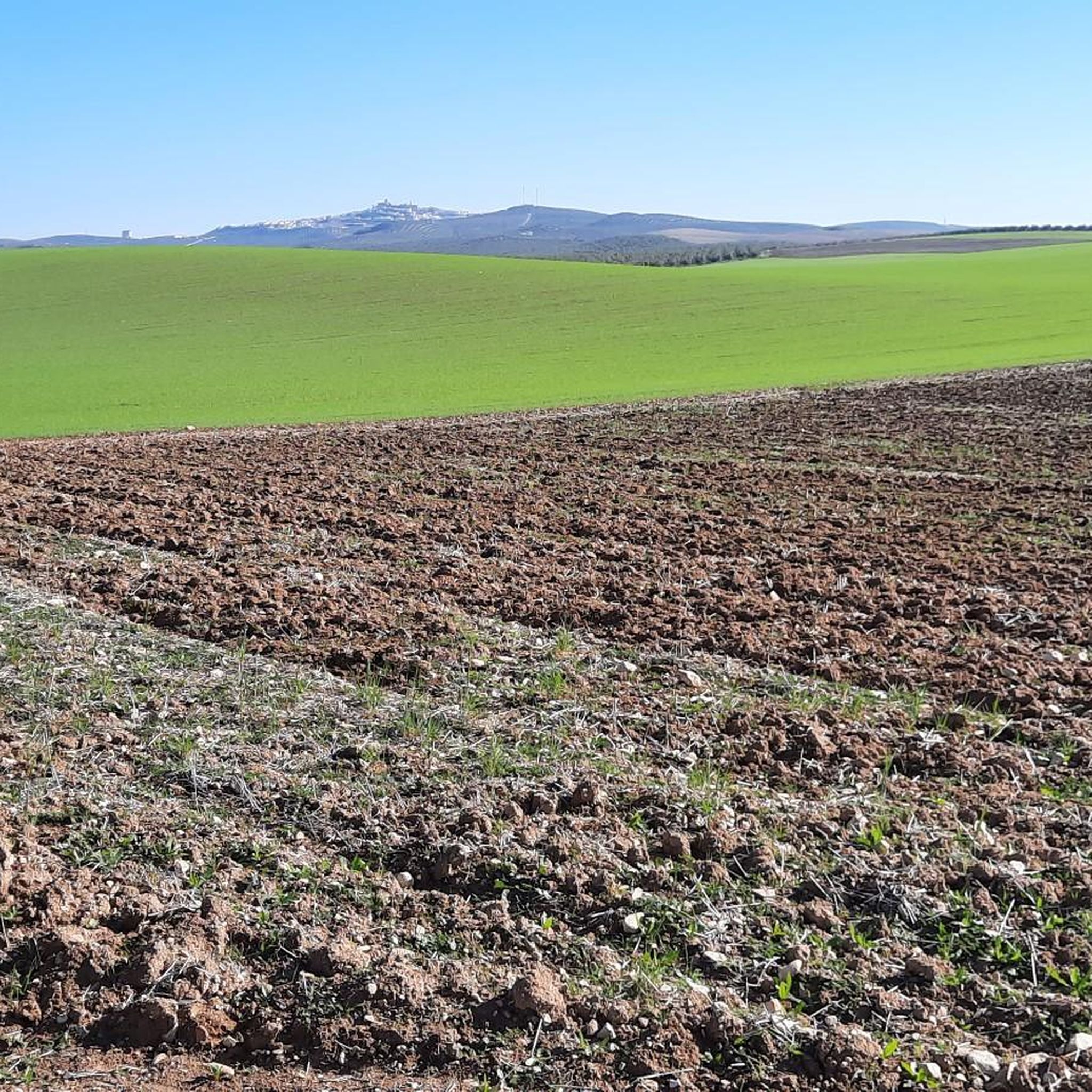
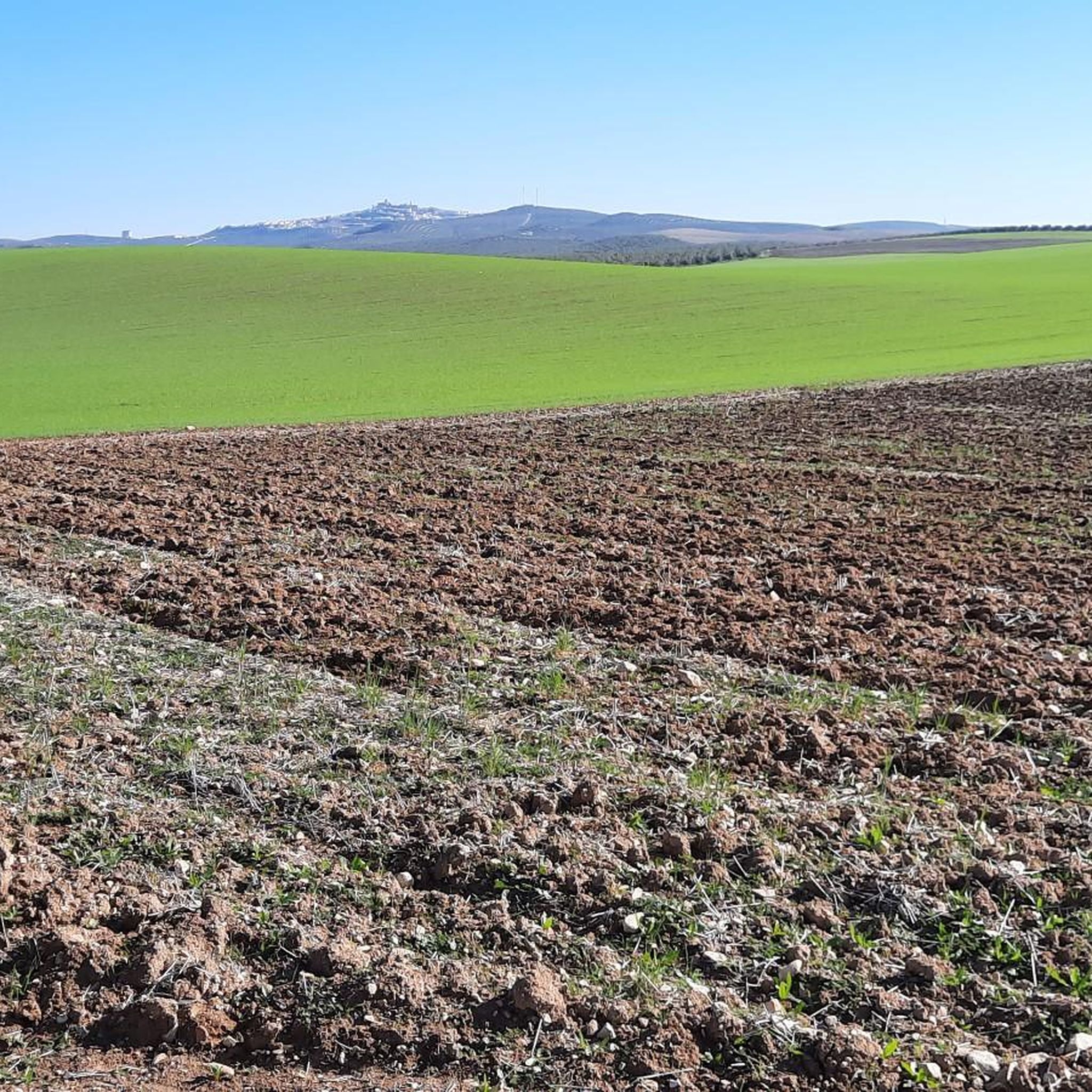
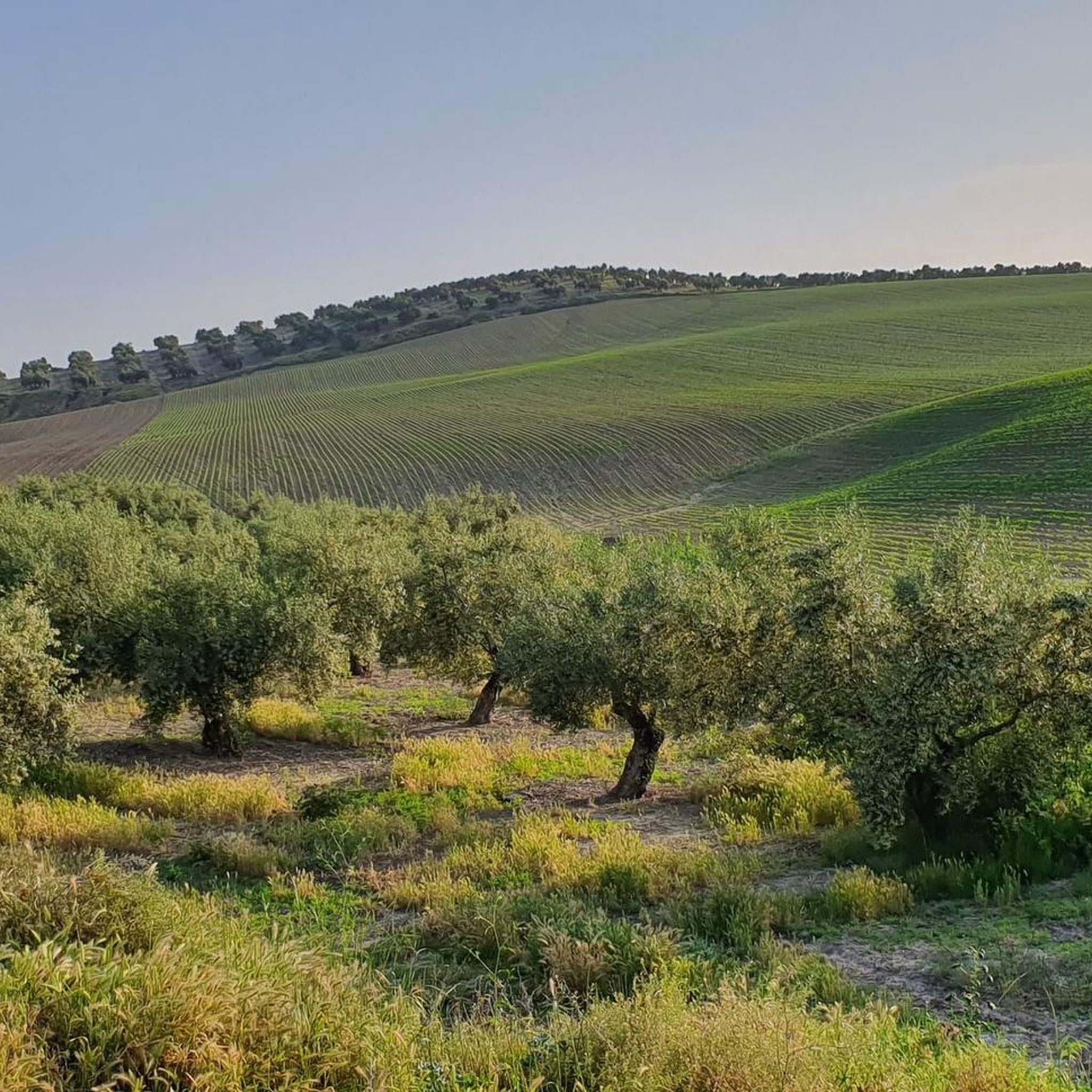


커뮤니티 팁

Aguilar de la Frontera [2] is a Spanish municipality in the southwest of the province of Córdoba, in the autonomous community of Andalusia. The municipality is located in the region of Campiña Sur Cordobesa [3] and is the seat of the judicial district of the same name. [4] It lies at an altitude of 280 m above sea level [5] and about 47 km from the provincial capital, Córdoba. [6] In 2017, it had 13,476 inhabitants and a population density of 82.01 inhabitants/km². [7]
0
0
The municipality was founded under the leadership of the enlightened Pablo de Olavide and, by 1767, had a Central European population. Funded by the state at the request of King Charles III, the colonization was intended to promote agriculture and industry in an uninhabited area threatened by bandits, as well as to increase the security of the royal road connecting Madrid with Cadiz. Initially, the municipality belonged administratively to La Carlota, which, along with other municipalities, was also founded on this occasion.
1
0
Sebastian, and Easter eggs. It's safe to say that San Sebastián's colonial and "German" roots are still very present among its residents today, and they are often proud of them, so much so that even the local first name is "Sebastianenses" or "Alemanes." But... what about the language? Why has nothing of the language of these settlers survived to this day? The majority of the population was, of course, German, since the French settlers also came from German-speaking areas. It is believed that the first settlers and their children spoke exclusively German. However, when they came into contact with the locals, they had to learn Spanish. Therefore, it is quite possible that for several decades they spoke German among themselves, especially at home, and Spanish on the street or at work. Certainly, there were German expressions used when speaking Spanish, or words from both languages were mixed when speaking (as happens today in Gibraltar, where they speak the famous "Spanglish," a mixture of English and Spanish). Over the years and across generations, the German language fell into disuse until, almost 250 years later, it reached what it is today. It is striking that (at least as far as I know) there is not a single vernacular word or expression in German or of German origin. Proof that German expressions continued to exist in everyday life even when the Sebastianians spoke Spanish was provided to me by a good friend from the city named Sebastian. This man, about 55 years old, remembers how, when he was very young, his grandmother, who was already very old, fed the chickens instead of calling them with a voice of "PITAS, PITAS, PITAS!" He called them in German: KOMM, KOMM, KOMM! (come, come, come).
0
0

Municipality founded in 1767 with a Central European population, mainly from Germany, when the 57 families took possession of these lands. Artistic and monumental heritage: the King's mill, the Church of the Immaculate Conception.
1
0
Town that belongs to the Montilla-Moriles Wine Route. Being agriculture its axis of economic activity thanks to the fertility of its lands, among its main crops are garlic, onion, olive and melon.
2
0
Located below the Monturque municipal cemetery and discovered in 1885 during the expansion works. They are the largest Roman cisterns in Spain and the fourth in the world. Declared an Asset of Cultural Interest in 1996. It is a hydraulic construction from Roman times that was used to store rainwater, made up of twelve chambers covered with a half-barrel vault. The Great Cistern is a work of great monumentality and significance.
2
0
Birthplace of Gonzalo Fernández de Córdoba, the Great Captain, born in 1453 in the castle of Montilla. City famous for the quality of its Pedro Ximénez grape, integrating the region with the Montilla-Moriles Designation of Origin. Passing through the oldest part of Montilla, it is worth visiting the 16th century church of Santiago.
0
0
몬테마요르 주변에서 가장 인기 있는 명소


더 살펴보기
다른 지역의 최고의 로드 사이클링 경로를 살펴보세요.
