19의 엘 페데르노소가지 명소 & 주요 장소
엘 페데르노소에는 둘러볼 만한 장소가 많답니다. 하이킹 또는 사이클링을 좋아한다면 엘 페데르노소에 숨겨진 19
가지 보석을 만날 수 있을 거예요. 이 지역의 주요 명소를 살펴보면서 다음 모험을 계획해보세요.
마지막 업데이트: 10월 15, 2026
에르미타 데 산타 리타 (모타 델 쿠에르보)
하이라이트 • 종교적 장소
번역자 Google •
팁에 의해

만하바카스 라구나르
하이라이트 • 호수
번역자 Google •
팁에 의해
이런 장소를 발견하려면 지금 가입하세요
최고의 싱글 트랙, 봉우리 및 다양한 흥미로운 야외 장소에 대한 추천을 받아보세요.
에르미타 데 누에스트라 세뇨라 데 만하바카스
하이라이트 • 종교적 장소
번역자 Google •
팁에 의해
무료로 가입하여 엘 페데르노소 주변의 더 많은 명소를 발견하세요.
이미 komoot 계정이 있나요?
오늘 무료 계정으로 시작하세요
다음 모험이 기다리고 있어요.
엘 페데르노소 주변 인기 장소

커뮤니티 팁

This complex is made up of four lagoons: Manjavacas, Sánchez Gómez, La Dehesilla (in Mota del Cuervo), and Alcahozo (in Pedro Muñoz). It is a key point on the migratory routes of birds between Europe and Africa, which gives it international importance.
2
0
The Manjavacas Lagoon, located in the municipality of Mota del Cuervo (Cuenca), is part of the Manjavacas Lagoon Complex, a nature reserve of great ecological and scenic value.
2
0
Built in the 15th century by order of Don Juan Pacheco, first Marquis of Villena, the castle is a notable example of Gothic-Mudejar architecture. The castle has been restored and turned into a museum, and is now considered a Site of Cultural Interest. In addition to its rich history, the castle is known for events such as the National Medieval Combat Championship, which is held annually.
3
0
The Hermitage of Santa Rita in Mota del Cuervo is a relatively modern building, built in the fifties. It is located in the center of the city, presiding over the square that bears its name. The hermitage stands out for its stone bell gable that contrasts with the white plaster of its ground floor. The structure has a hall plan and a wooden roof. The main entrance is a semicircular arch preceded by a portico with three arches, the central one being wider than the side ones.⛪
31
0
The castle was built in 1456 by order of Juan Pacheco, a prominent nobleman during the reign of Henry IV. Its architectural style combines Gothic and Mudejar elements. It has a peculiar triangular plan and a strategic location on the top of a hill. Over the centuries, the castle has witnessed historical events, from visits by the Catholic Monarchs to restorations and cultural events. Today, the castle hosts exhibitions, dramatized tours, medieval combat tournaments and the impressive Trebuchet Park, which displays full-scale siege engines. 😊🏰
4
0

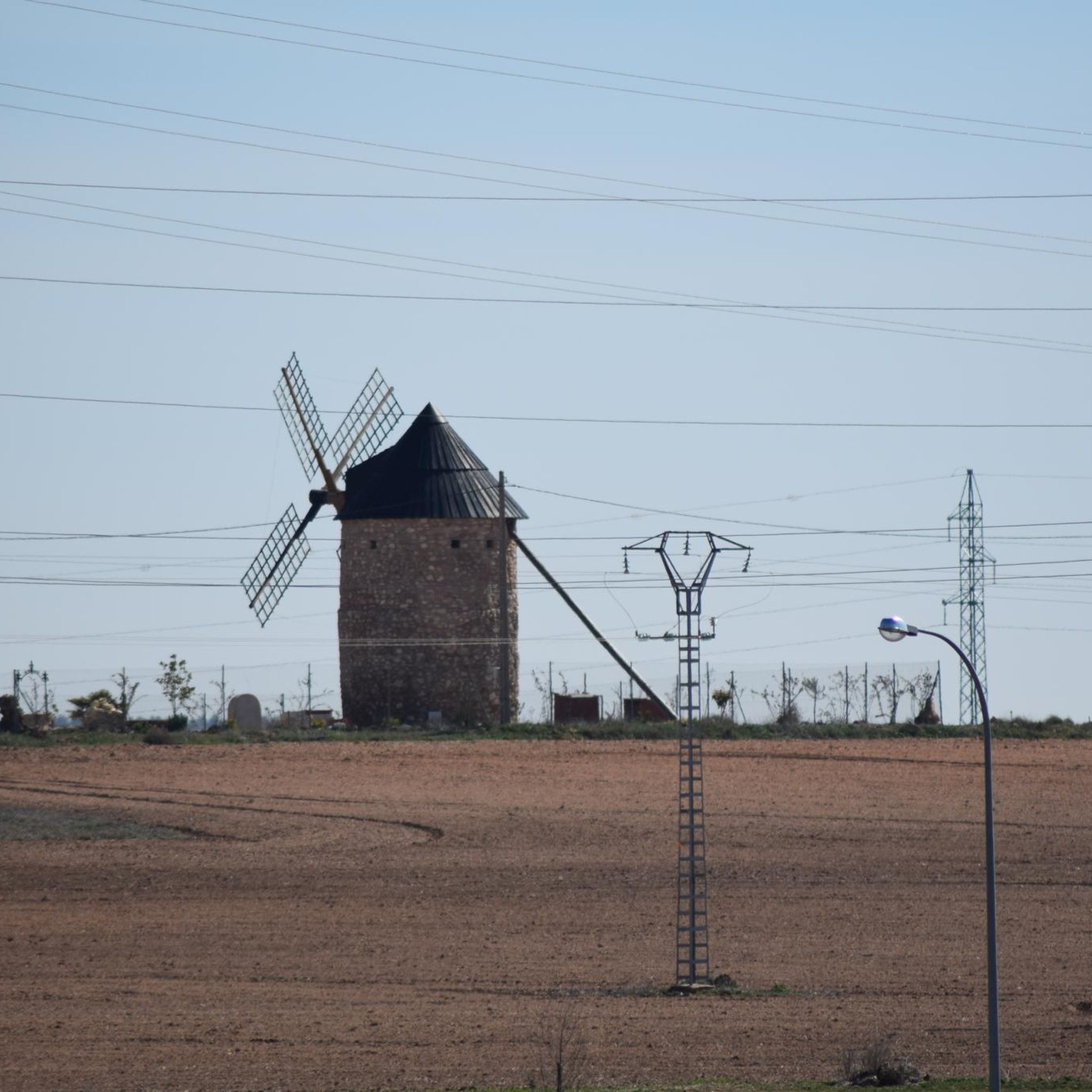
Unfortunately, nowadays they are often only monuments to a long tradition of craftsmanship: the heavy millstones were moved using the power of the wind alone to grind grains into flour (grain mills) or press oil from olives (oil mills). Sometimes - although rarely - the windmills also had the function of a pumping station and transported water to a higher level. But Miguel de CERVANTES (1547 to 1616) also created a literary monument to the technical monument of the mills: the most famous figure of the author, who is considered Spain's national poet and whose work can certainly be valued as world literature: "Don QUIXOTE", also known as the "Knight of the Sorrowful Countenance" and always accompanied by his loyal squire Sancho Panza, fights a - of course hopeless - battle against windmills in one of the fictional stories, in which he believes he recognizes four-armed giants.
1
0

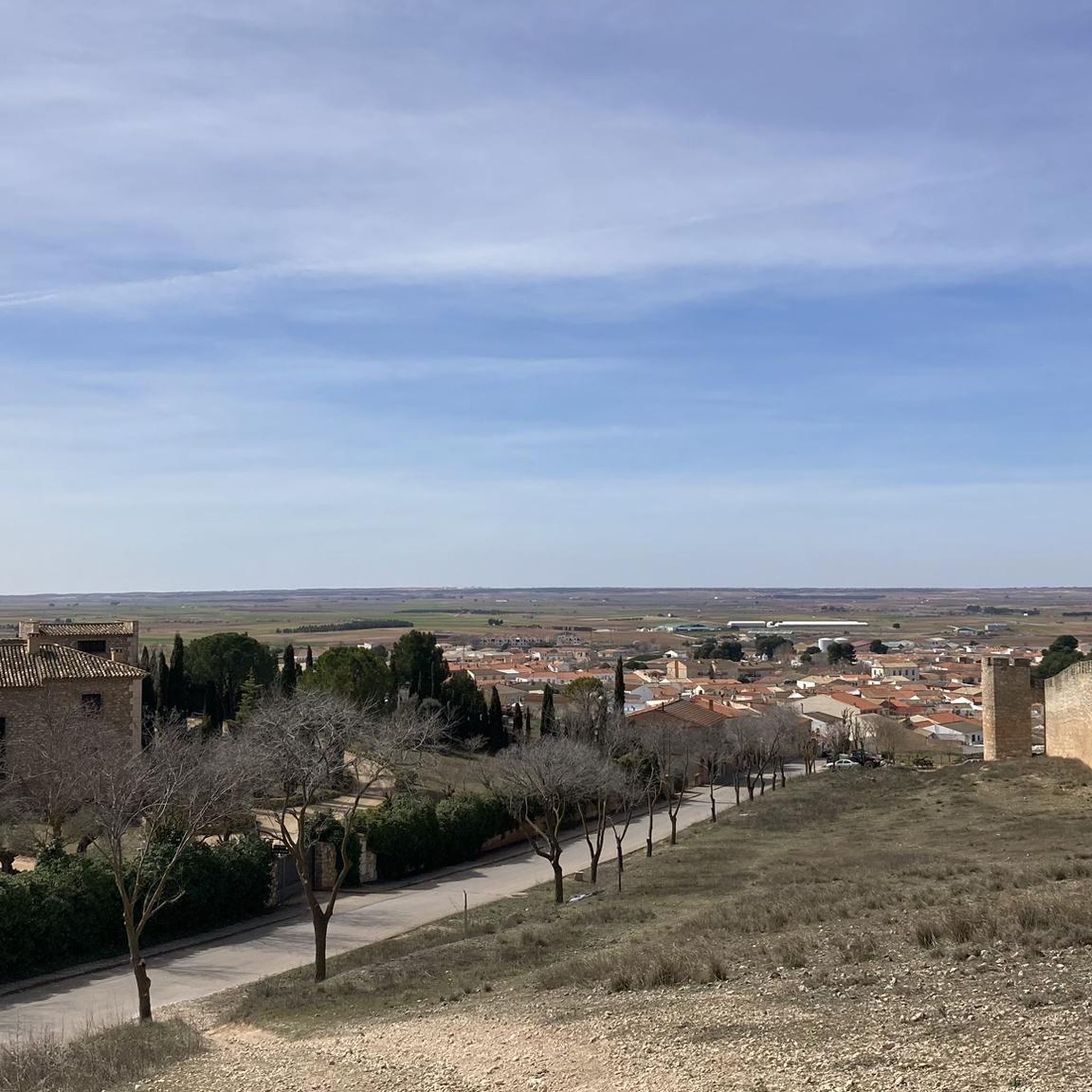
This mountain where the Mota del Cuervo mills are located is known by the name "Balcón de La Mancha", as it has fabulous views wherever you look.
0
0
Built in the 15th century by order of the first Marquis of Villena, Don Juan Pacheco, it is located on the San Cristóbal hill. Currently the castle is owned by the Ducal House of Peñaranda y Montijo, which through a management company chaired by the Count of Montalvo, Mr. Javier Fitz-James Stuart de Soto, has carried out a final rehabilitation between 2008 and 2016 with which has become a museum and also hosts various events. In the month of May/June, the Historical Recreation Days are held in the Castle, which allow us to see the life of warriors, artisans, doctors, monks, lords or peasants. National and international medieval combat tournaments are also held, a spectacular contact sport with period weapons and armor.
1
0
엘 페데르노소 주변에서 가장 인기 있는 경로


더 살펴보기
찾고 있는 하이라이트를 아직 못 찾으셨나요? 다른 지역의 주요 명소 가이드를 확인해보세요:
