자연 공원 에스테르위거 복용량 최고의 워킹 & 하이킹 경로
4.4
(819)
2,801
등산객
309
하이킹
자연 공원 에스테르위거 복용량에서 최고의 하이킹과 워킹을 찾으시나요? 그렇다면 아름다운 클로펜부르크 자연공원 주변에 있는 경로 컬렉션을 아래에서 살펴보세요. 자연 공원 에스테르위거 복용량에 있는 하이킹 트레일 중에서 마음에 드는 곳을 선택해 언제든지 야외 활동을 하면 돼요.
마지막 업데이트: 10월 4, 2026
4.7
(15)
13
등산객
초급용 하이킹. 모든 체력 수준에 적합. 실력과 관계없이 누구나 쉽게 갈 수 있는 길.
4.8
(4)
17
등산객
4.23km
01:04
0m
0m
초급용 하이킹. 모든 체력 수준에 적합. 실력과 관계없이 누구나 쉽게 갈 수 있는 길.

5.0
(1)
6
등산객
3.46km
00:53
10m
10m
초급용 하이킹. 모든 체력 수준에 적합. 실력과 관계없이 누구나 쉽게 갈 수 있는 길.
1.0
(1)
1
등산객
8.56km
02:10
0m
보통 하이킹. 좋은 체력 필요. 실력과 관계없이 누구나 쉽게 갈 수 있는 길.
1.0
(1)
1
등산객
초급용 하이킹. 모든 체력 수준에 적합. 실력과 관계없이 누구나 쉽게 갈 수 있는 길.
더 다양한 경로와 다른 탐험가들의 추천을 살펴보세요.
이미 komoot 계정이 있나요?
투어 추천은 다른 사람들이 komoot에서 완료한 수천 개의 활동을 바탕으로 구성되어 있습니다.
오늘 무료 계정으로 시작하세요
다음 모험이 기다리고 있어요.
자연 공원 에스테르위거 복용량 주변 인기 장소
커뮤니티 팁

Unfortunately, it was freezing cold and sleet. It was too slippery. But we'll be back!
1
0

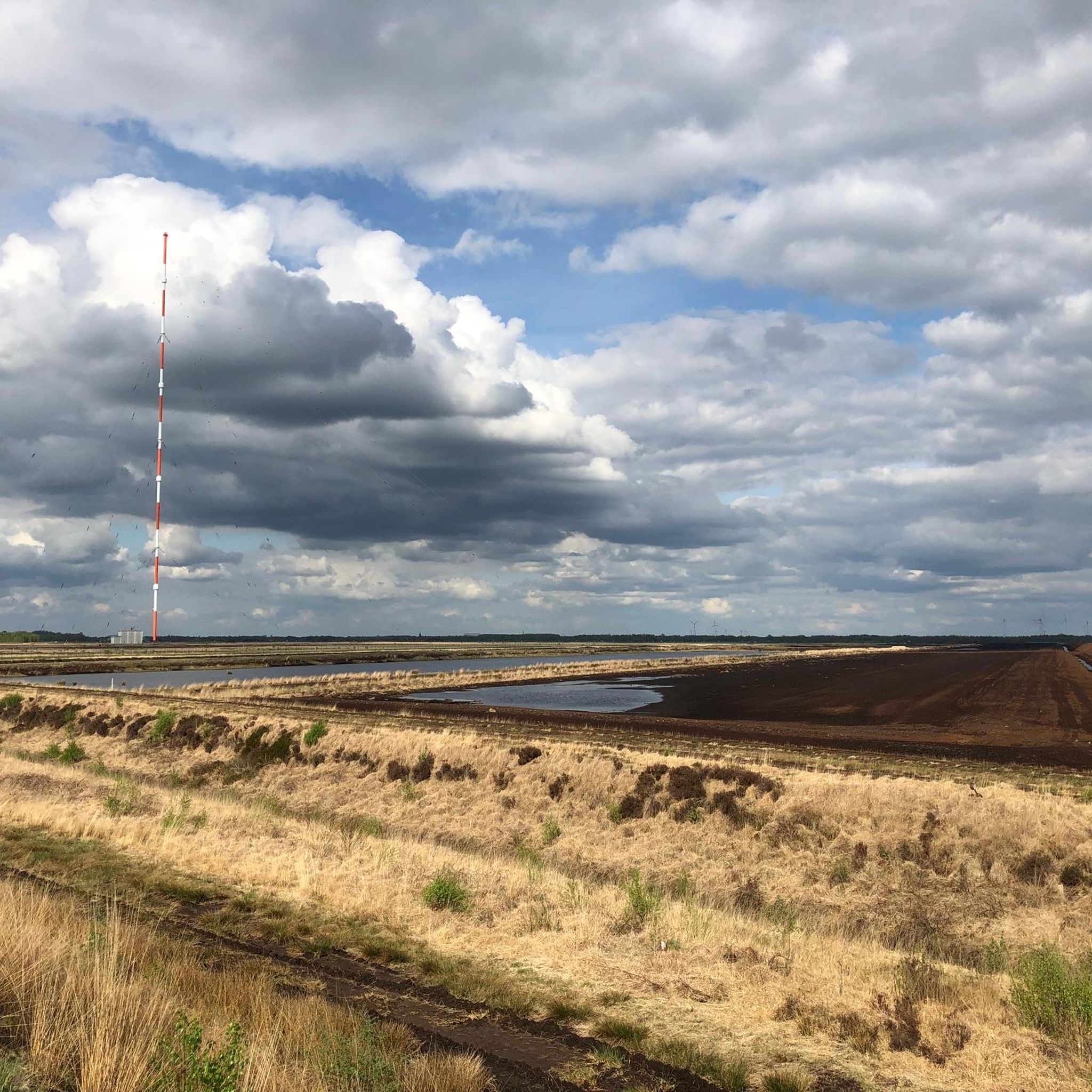
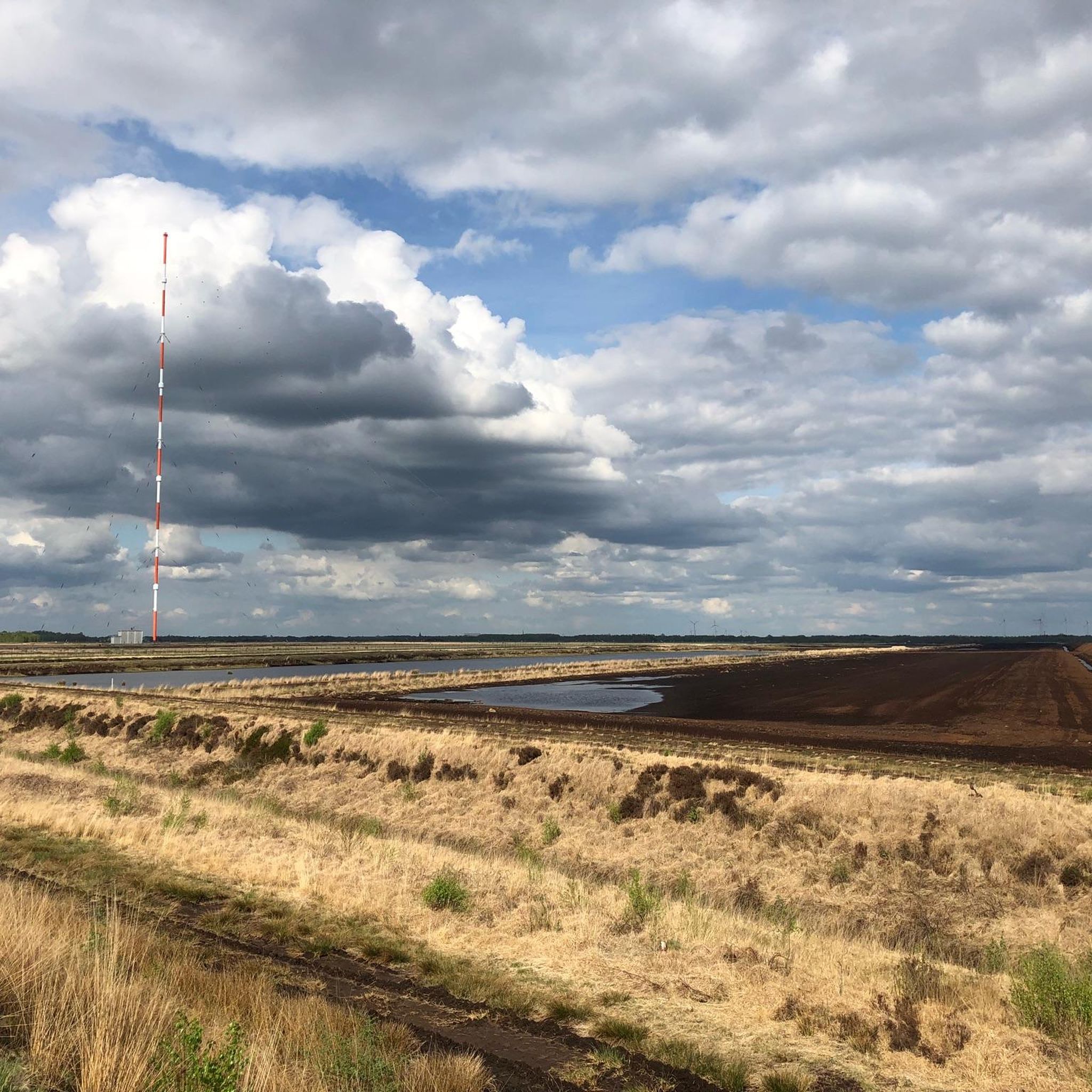
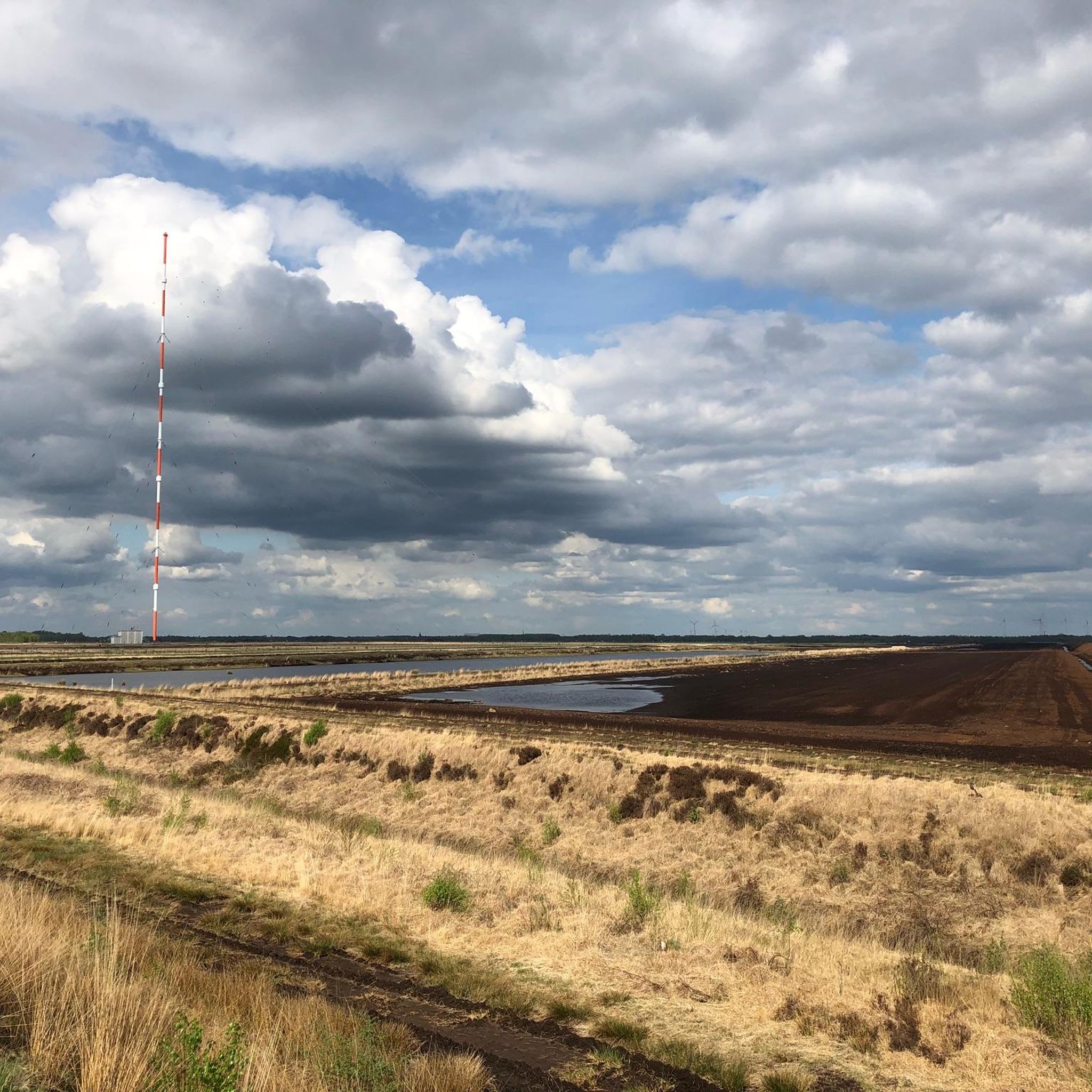
The 35.8 km gravel loop runs along the towers. This agricultural road is NOT to be used and is closed off!!! The Jammertalstrasse should be approached from Langholt.
0
0

Funnily enough, the HL is now located at the Strenge company. It produces a wide range of soils and substrates. In the postwar period, black peat was highly valued as a fuel. In 1949, around 400,000 tons of fuel peat were extracted from the East Frisian moorlands, and the majority was produced using powerful machines. These machines operated in the moorlands, particularly around Ostrhauderfehn, from early spring to late summer. The compressed peat was transported from the moor in the fall by narrow-gauge railway and then loaded onto ships. A special peat loading station was set up over the canal of the 1st Südwieke, where the peat could be efficiently loaded onto ships. A narrow bridge made it possible to push the loaded peat piles onto the bridge, and up to 25 tons of peat could be loaded within a very short time. Not only peat ships were loaded, but also simple barges with a low carrying capacity. These barges were often unmotorized and had to be towed for miles. One or more people pulled the vessel with a rope, while the boatman steered the boat with a long pole at the stern.
3
0
Each mast is mounted on an approximately 3-meter-high ceramic insulator that can withstand a load of 4,000 tons and insulates voltages of up to 250 kV. The masts are each secured by nine guy wires at three levels, each offset by 120 degrees. Four masts form a common antenna that requires no overhead connection. The antenna is fed via coaxial cables to the tuning stations, where the power is adjusted and fed into the mast. It is worth noting that the antenna structure does not have a pronounced directional pattern, as it is smaller than the wavelength of 12.82 km at the current frequency of the DHO38. For inspection and maintenance work, there is a worm-gear-driven elevator and a ladder inside the masts. The elevator can transport up to three people and ensures safety through mandatory safety harnesses.
1
0
Superlatives The naval radio station is one of the tallest military structures in Western Europe and, at 352.8 meters, the second tallest structure in Germany, visible from over 30 kilometers away. The transmitter is located near Saterland-Ramsloh in the Cloppenburg district (Lower Saxony). The borders of the two districts of Cloppenburg and Leer run through the naval radio station site. Five antennas are located in East Frisia, and three are located in Cloppenburg. The site is surrounded by a 12-km-long, continuously monitored fence. A naval radio station with eight identical umbrella antennas mounted on 352.8-meter-high tubular steel masts. These masts have a diameter of 2.20 meters and wall thicknesses of 8 to 13 mm, depending on local loads.
1
0
1933-1945 The Emsland Camps - The National Socialists and their henchmen set up a total of 15 concentration, penal and prisoner of war camps in the Emsland region. Twelve of them are located in the area of today's Emsland district, three in the Grafschaft Bentheim district. Thousands of people were held in the camps, including numerous "political prisoners" who stood in the way of the National Socialists enforcing their rule. The construction of the Emsland camps took place in three phases that overlapped in time: 1933-1936 Establishment and guarding of concentration camps by the SS (Börgermoor, Neusustrum, Esterwegen) 1934-1945 Penal camps under the supervision of the justice administration (Aschendorfermoor, Börgermoor, Rhede-Brual, Walchum, Neusustrum, Oberlangen, Esterwegen, Versen, Fullen) 1939-1945 Prisoner of war camps of the Wehrmacht High Command (Oberlangen, Wesuwe, Versen, Fullen, Groß Hesepe, Dalum, Wietmarschen, Bathorn, Alexisdorf) Hardly anything of the former Emsland camps can be seen on site. At the locations of the former camps, information boards now provide information about the history of each camp. The Emsland camps I Börgermoor II Aschendorfermoor III Brual-Rhede IV Walchum V Neusustrum VI Oberlangen VII Esterwegen VIII Wesuwe IX Versen X Fullen XI Groß Hesepe XII Dalum XIII Wietmarschen XIV Bathorn XV Alexisdorf https://www.gedenkstaette-esterwegen.de/geschichte/die-emslandlager/ The memorial is easy to reach by bike or car. Bringing bikes or dogs is prohibited on the entire site.
2
1

In the direct vicinity of the Esterwegen Memorial
1
0
자연 공원 에스테르위거 복용량 주변에서 가장 인기 있는 명소


더 살펴보기
다른 지역의 최고의 하이킹를 살펴보세요.
