아레날레스 데 산 그레고리오 최고의 사이클링 경로
4.9
(6)
75
자전거 타는 사람
아레날레스 데 산 그레고리오 최고의 사이클링 경로를 따라 지역을 둘러볼까요? 아레날레스 데 산 그레고리오에서 가장 멋진 자전거 라이딩 장소 중에서 가장 마음에 드는 라이딩을 선택해보세요.
마지막 업데이트: 9월 5, 2026
56.8km
04:58
310m
310m
어려운 자전거 타기. 좋은 체력 필요. 투어 중 자전거를 끌고 가야 하는 구간이 있을 수 있음.
16
자전거 타는 사람
71.2km
05:53
450m
450m
어려운 자전거 타기. 우수한 체력 필요. 투어 중 자전거를 끌고 가야 하는 구간이 있을 수 있음.

5.0
(1)
11
자전거 타는 사람
28.6km
02:11
170m
170m
보통 자전거 타기. 좋은 체력 필요. 대부분 포장된 지면. 실력과 관계없이 누구나 갈 수 있음.
4.7
(3)
9
자전거 타는 사람
36.0km
02:09
240m
240m
어려운 자전거 타기. 좋은 체력 필요. 투어 중 자전거를 끌고 가야 하는 구간이 있을 수 있음.
6
자전거 타는 사람
43.9km
03:43
290m
290m
어려운 자전거 타기. 좋은 체력 필요. 투어 중 자전거를 끌고 가야 하는 구간이 있을 수 있음.
투어 추천은 다른 사람들이 komoot에서 완료한 수천 개의 활동을 바탕으로 구성되어 있습니다.
오늘 무료 계정으로 시작하세요
다음 모험이 기다리고 있어요.
아레날레스 데 산 그레고리오 주변 인기 장소


커뮤니티 팁

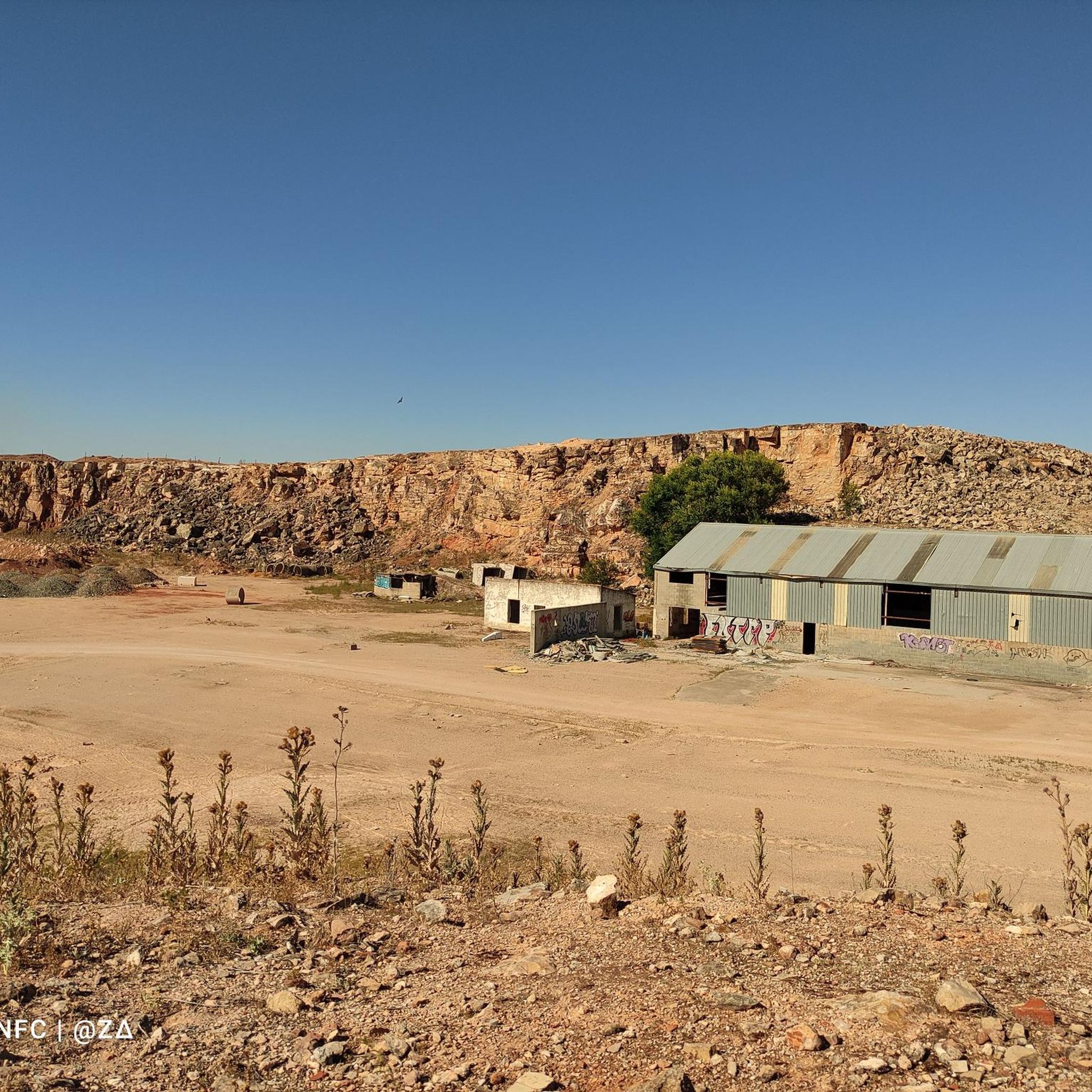
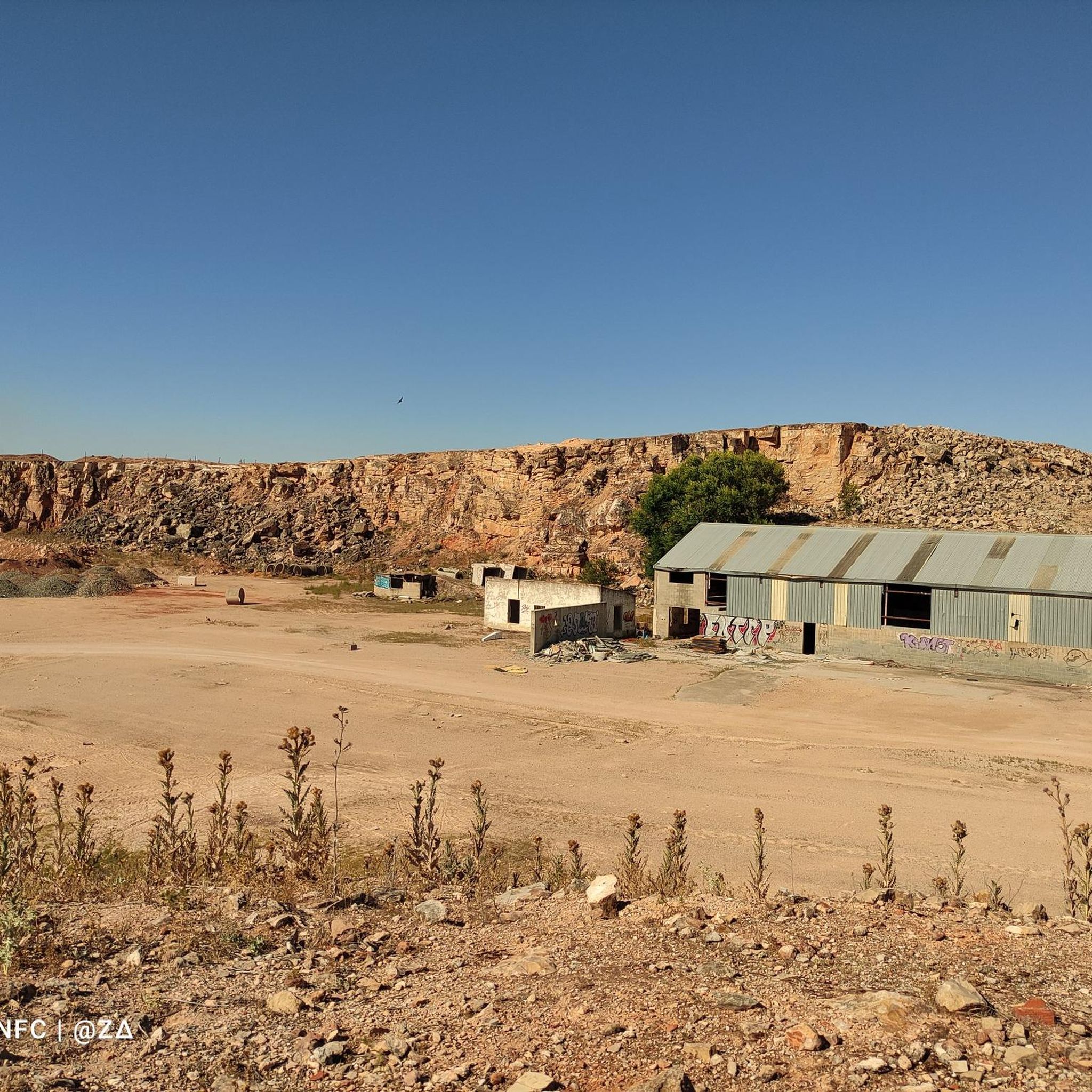
엘 토보소(톨레도)에 있는 에르미타 데 산타 아나의 폐허는 16세기 르네상스 사원의 유적입니다. 사람이 살지 않는 언덕에 마을 밖에 위치해 있습니다.
2
0

Alcázar de San Juan is one of the most interesting destinations in the heart of La Mancha, with a blend of history, heritage, nature, and Cervantine traditions. Its name comes from the Military Order of Saint John, which dominated the area after the Reconquista. It claims to be the birthplace of Miguel de Cervantes, as the baptismal font where, according to some studies, the writer was baptized is preserved in the Collegiate Church of Santa María la Mayor. It was an important railway junction and economic center in the 19th and 20th centuries, which shaped its urban development.
2
0
The Hermitage or Sanctuary of the Holy Christ of Villajos is one of the most emblematic places in Campo de Criptana (Ciudad Real). It originated from the old village of Villajos, which was abandoned in the 14th century. The original church was dedicated to Our Lady of Villajos.
8
0
The Church of Santa Quiteria in Alcázar de San Juan (Ciudad Real) is one of the town's most important churches, boasting a rich history and significant architectural value. Origin: Construction began in the second half of the 16th century based on plans by Juan de Herrera, the architect of El Escorial. Execution: The work was directed by Agustín Argüello and completed by Bartolomé Elorriaga in 1604. Style: Renaissance with classical elements.
7
0
The Grand Prior's Tower is one of the most emblematic monuments of Alcázar de San Juan (Ciudad Real) and forms part of the Grand Prior's Palace Complex, linked to the Order of Saint John. Built in the 13th century on the remains of the old Muslim citadel, during the Almohad period. Reconquest: It became part of the palace of the Grand Priors of Castile and León of the Hospitaller Order of Saint John of Jerusalem. Expansions: In 1618, under Philip III, a floor was added with windows and plaster ribbed vaults.
8
0

Return to the town of Campo de Criptana
0
0
The Herencia Windmills are one of the most characteristic symbols of La Mancha and are located in the town of Herencia (Ciudad Real). The first windmill was built in 1790 because they were more economical and efficient than water mills, especially in an area with limited waterways. By 1807, there were as many as 11 mills, although seven remain today: El Ama, La Niece, Dulcinea, Maritornes, La Dueña Dolorida, La Duquesa, and Teresa Panza. Four of them were restored in 2003, giving them the typical La Mancha image we associate with Cervantes' work.
3
0
The Church of San Antonio Abad, built from 1525 onwards on an earlier church, is one of the main monuments of El Toboso and a prominent example of late Gothic architecture in La Mancha. Its hall plan features three naves of equal height covered by ribbed vaults supported by cylindrical columns. In the 17th century, side chapels and a transept were added, while the Renaissance-style doorways and the Plateresque tower complete its imposing façade. This church is thought to correspond to the one depicted in Don Quixote's famous phrase: "We have found the church, Sancho."
4
0
아레날레스 데 산 그레고리오 주변에서 가장 인기 있는 명소


더 살펴보기
다른 지역의 최고의 자전거 경로를 살펴보세요.
