20의 알칸타라가지 명소 & 주요 장소
알칸타라에는 둘러볼 만한 장소가 많답니다. 하이킹 또는 사이클링을 좋아한다면 알칸타라에 숨겨진 20
가지 보석을 만날 수 있을 거예요. 이 지역의 주요 명소를 살펴보면서 다음 모험을 계획해보세요.
마지막 업데이트: 9월 14, 2026
알칸타라 로마 다리
하이라이트 • 다리
번역자 Google •
팁에 의해

로코-캄포프리오 궁전 (알칸타라)
하이라이트 • 역사적 장소
번역자 Google •
팁에 의해
이런 장소를 발견하려면 지금 가입하세요
최고의 싱글 트랙, 봉우리 및 다양한 흥미로운 야외 장소에 대한 추천을 받아보세요.
산타 마리아 데 알모코바르 교회
하이라이트 • 다리
번역자 Google •
팁에 의해
페레로 가옥(알칸타라)
하이라이트 • 역사적 장소
번역자 Google •
팁에 의해

오늘 무료 계정으로 시작하세요
다음 모험이 기다리고 있어요.



커뮤니티 팁

The Church of Santa María de Almocóvar, located in the Plaza de España in Alcántara (Cáceres), is one of the most emblematic churches in Extremadura and has been declared a Site of Cultural Interest since 1987. Inside, several pieces of interest are preserved: the tomb of Commander Antonio Bravo de Jerez, made by Lucas Mitata; five panels by Luis de Morales; a recumbent Christ, attributed to Martínez Montañés; a sculpture by Sebastián de Paz from 1639; the tomb of Master Yáñez de la Barbuda; and the baptismal font where Saint Peter of Alcántara was baptized.
10
0

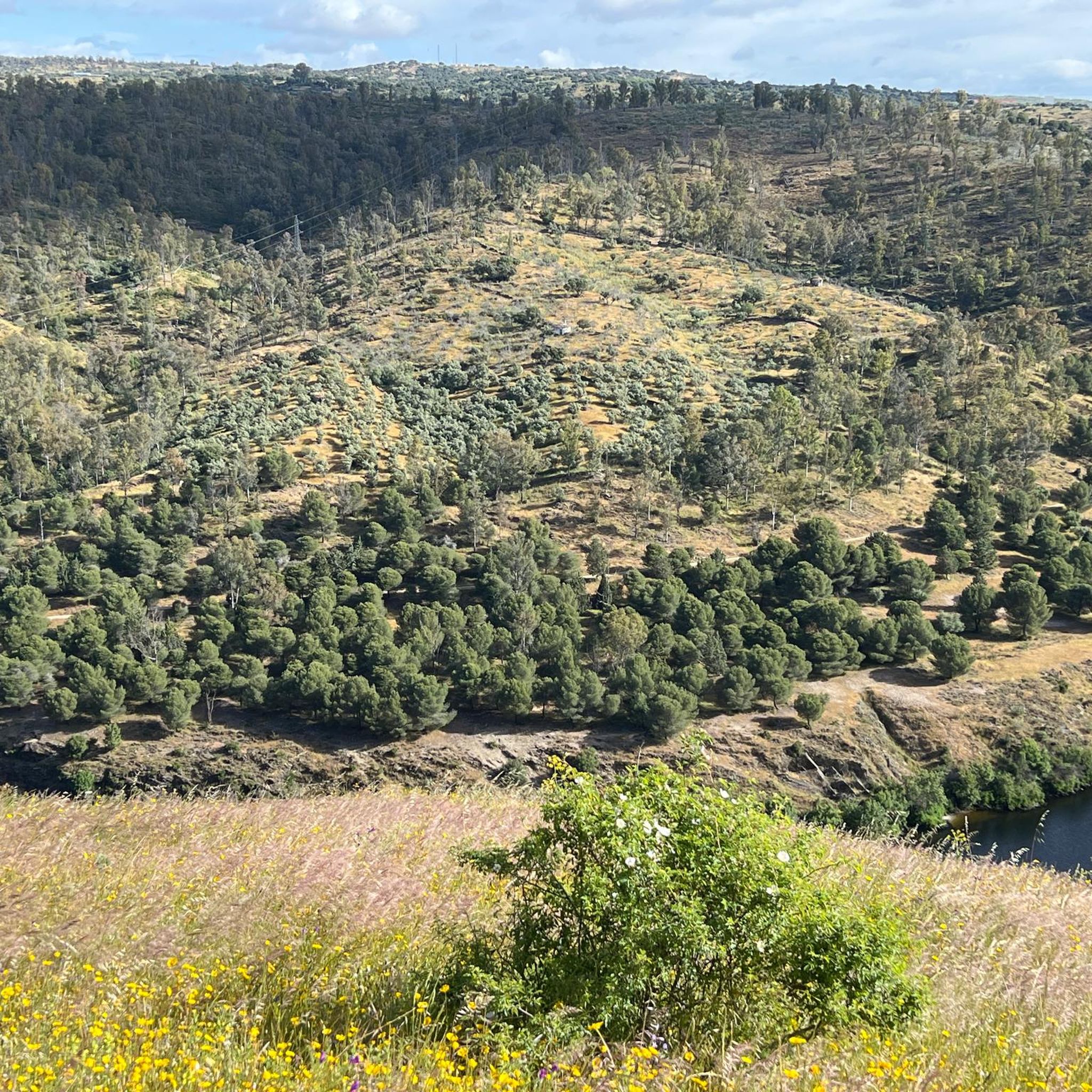
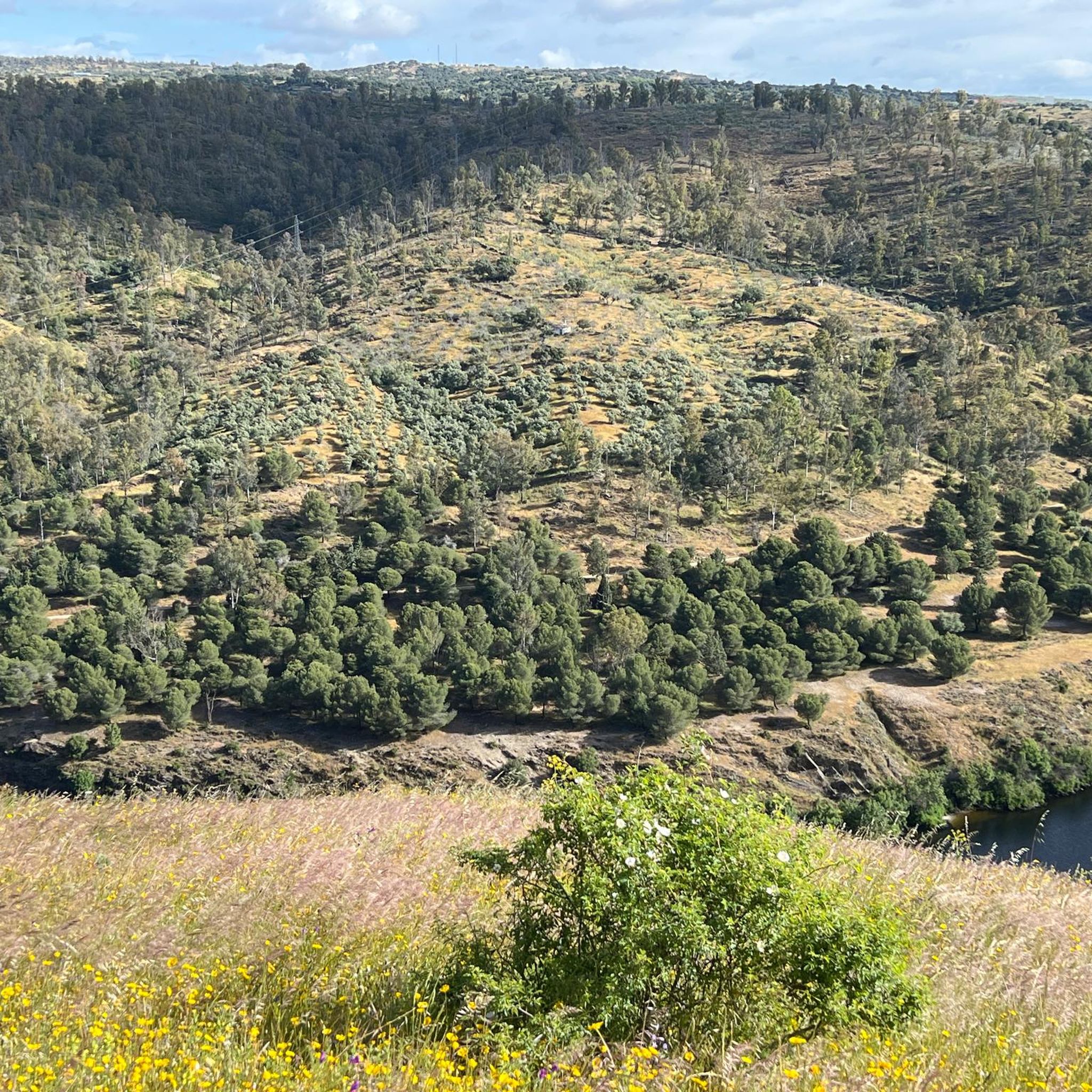
Enjoy a peaceful walk in nature and enjoy the beautiful surroundings.
1
0
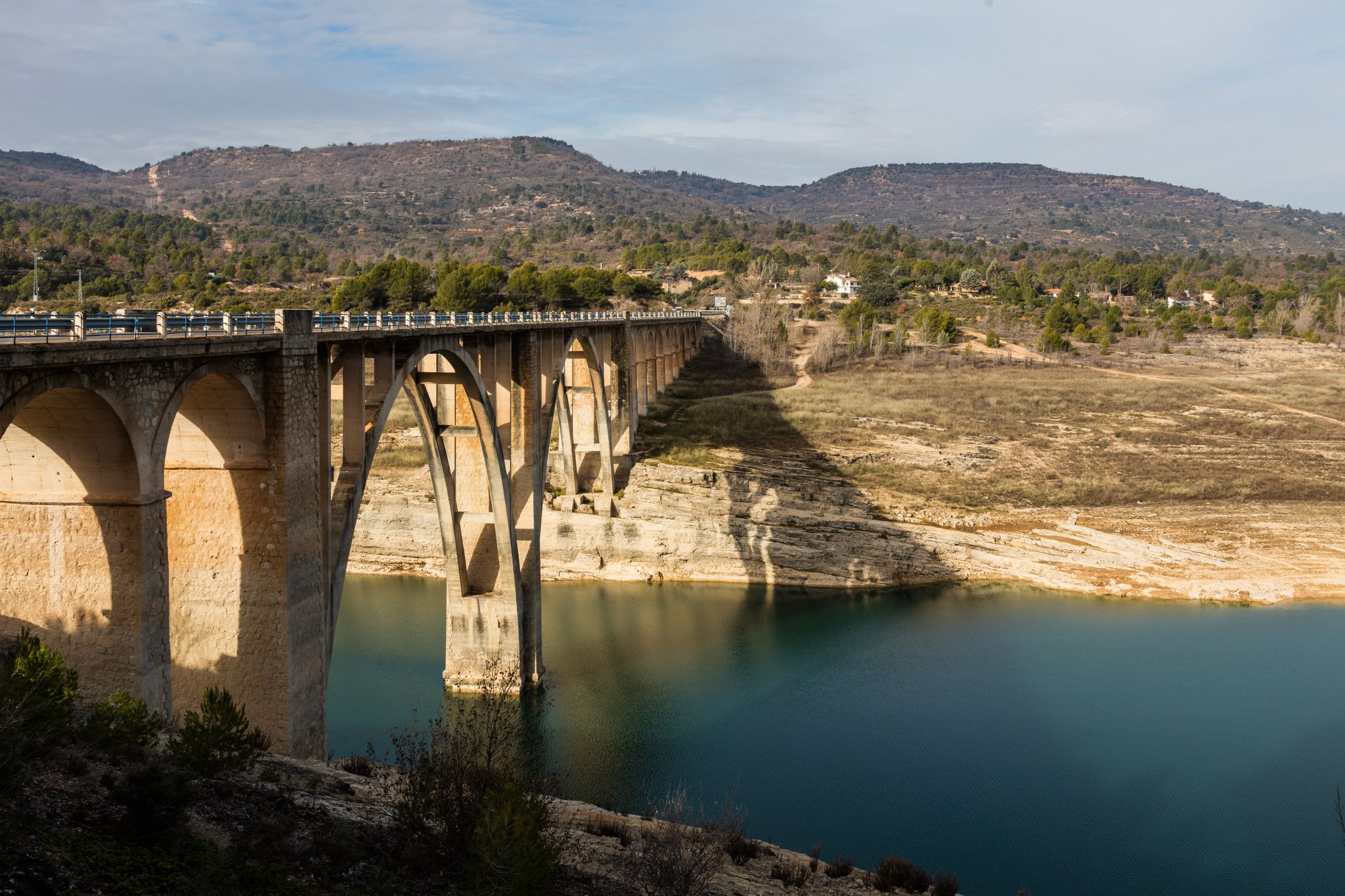
Built over the Tagus River near present-day Alcántara, in the province of Cáceres, the Alcántara Bridge is one of the most beautiful and important examples of Roman civil engineering. Despite being shorter than that of Mérida and with fewer arches, it is much higher and above all more impressive. The complex is made up of three distinct parts: the bridge, the central triumphal arch and a small rectangular temple measuring 5.60 x 4.10 meters. This building consists of a staircase, two Tuscan columns, an entablature and a classical pediment. A restored plaque indicates the name of its builder and reminds us that the bridge will last “as long as the world lasts”:
36
1
Its current state is a ruin, although on the facade of the monument you can see the coat of arms presiding over the door. It is a work that was never completed, although despite everything the façade shows the desired purpose that its promoters had. The façade symmetrically divides the composition, oriented into three floors, with three openings on each side. The central structure opens on the lower floor framed with two superb columns of Tuscan order that support a classic frieze of triglyphs and metopes, with an entablature for a balcony with two new columns of the same style as the lower ones. The finish on the third floor is a curvilinear pediment split to place a marble shield with the arms of the Roco. The first and second floors are decorated with triangular pediments, and the corners are crossed by boxed pilasters.
34
0
Some pieces of interest are preserved inside: the tomb of Commander Antonio Bravo of Jerez, made by Lucas Mitata; five panels by Luis de Morales; a Recumbent Christ, attributed to Martínez Montañés; a carving by Sebastián de Paz from 1639; the tomb of Master Yáñez de la Barbuda, and the font where San Pedro de Alcántara was baptized.
35
1
Manor houses and palaces. An example of the construction boom promoted by the rich nobility and clergy linked to the Military Order and settled in Alcántara since the 13th century, numerous palaces were built such as: Casa de Bernardo de Aldana, Casa de los Aldana, Casa de los Arias QuintanaDueñas, House of the Perero, House of Vélez Suárez, House of the Cabrera, House of the Pacheco, Palace of the Barco, House of the Clavería, House of the Barrantes Maldonado, one of the oldest families in Alcántara, Palace of the Roco Campofrío, with a monumental façade that indicates the importance of this lineage, Palacio de los Aponte where the heraldic shields of the Aldana, Zúñiga, Rocha, Ovando and Aponte families stand out, Palace of the Topete Escobar, House of the Oviedo, popularly known as “Casa de los Calderones”, due to the cauldron on the shields of its façade, it has two topless towers.
33
0
Built on the mosque. For the origin of the name there are two theories; The first is that Almocóvar comes from "Al-Mocovara" which means the highest place, and the second is that its name would derive from "Al-Macâvir", the cemetery. After the conquest of the population, the mosque was adapted to Christian worship, but in 1281 the construction of a new temple began. The three portals of the original Romanesque temple are preserved, of which the main one constitutes one of the few examples of the Romanesque in Extremadura. Throughout the 16th century, some works were carried out; In 1542, the construction of a sacristy was completed, and towards the middle of the century, the master of the Order, Pedro de Ybarra, was commissioned to build a main chapel. Its current state is the result of the works carried out in the first third of the 17th century.
28
1
The ruins of the Palace of the Roco-Campofrío are located in the Plaza de la Corredera, in front of the Palace of the Marquises of Torreorgaz, near the Hermitage of Our Lady of Encarnación, in the town of Alcántara, province of Cáceres. Although its current state is ruinous, the monumental façade indicates the past importance of this lineage, whose coat of arms presides over the façade.
9
1
알칸타라 주변에서 가장 인기 있는 경로
알칸타라 주변에서 가장 인기 있는 명소


더 살펴보기
찾고 있는 하이라이트를 아직 못 찾으셨나요? 다른 지역의 주요 명소 가이드를 확인해보세요:
