20의 수리아가지 명소 & 주요 장소
수리아에는 둘러볼 만한 장소가 많답니다. 하이킹 또는 사이클링을 좋아한다면 수리아에 숨겨진 20
가지 보석을 만날 수 있을 거예요. 이 지역의 주요 명소를 살펴보면서 다음 모험을 계획해보세요.
마지막 업데이트: 8월 30, 2026

이런 장소를 발견하려면 지금 가입하세요
최고의 싱글 트랙, 봉우리 및 다양한 흥미로운 야외 장소에 대한 추천을 받아보세요.
무료 회원 가입
라 세키아 데 만레사
하이라이트 • 구조물
Its construction was highly problematic, as the Bishop of Vic opposed …
번역자 Google •
팁에 의해


라 보초사 염분 폐기물 더미
하이라이트 • 구조물
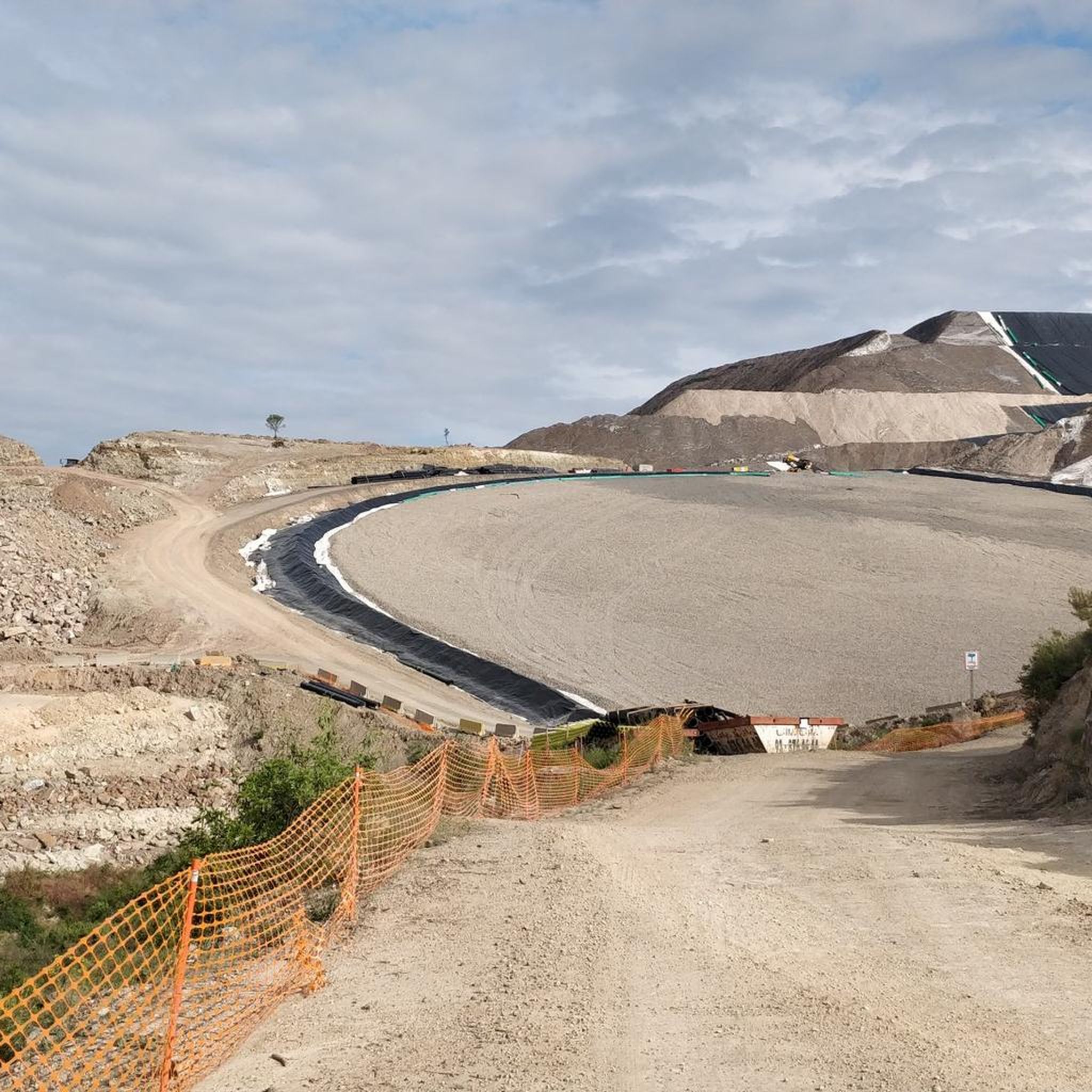
The La Botjosa salt dump measures 775 meters long by an average width of 150 meters, occupies 13.5 Ha …
번역자 Google •
팁에 의해

무료로 가입하여 수리아 주변의 더 많은 명소를 발견하세요.
무료 회원 가입
이미 komoot 계정이 있나요?
오늘 무료 계정으로 시작하세요
다음 모험이 기다리고 있어요.
로그인 또는 가입하기

커뮤니티 팁

Space to relax and look towards Montserrat
0
0

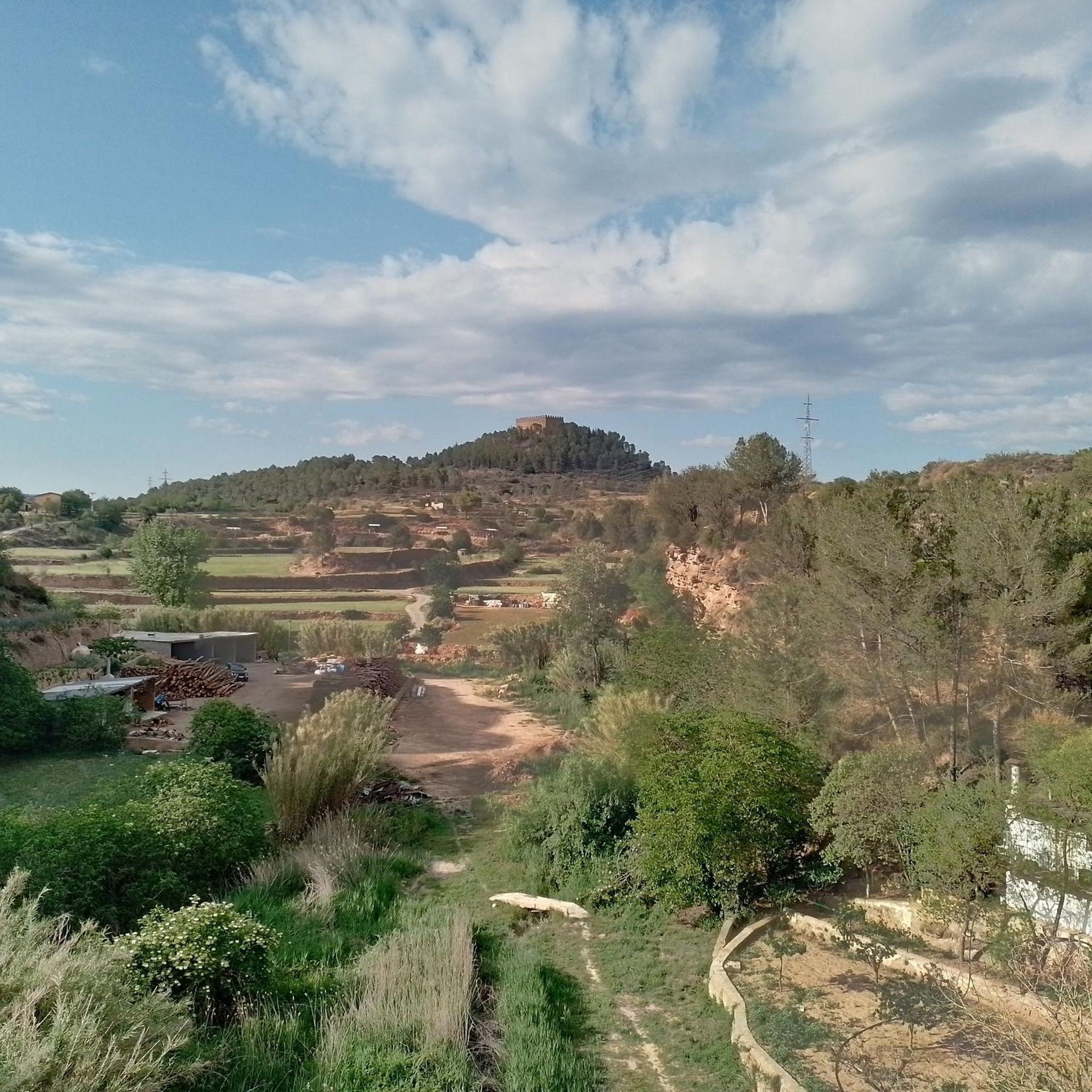
Collbaix is a 543 meter peak, located in Sant Joan de Vilatorrada. It is the highest in the district of Manresa, to the west of Pla de Bages, which has an excellent observation point. It is listed as a large park by the Planning Plan of Manresa. The mountain is located between the streams of Rajadell and Fonollosa. The south side belongs to Manresa, the east to Sant Joan de Vilatorrada, where the town's expansion area is located. Rajadell has the area of Punta Sabata and Fonollosa with most of the summit, the west and the obac slope. Collbaix originated from the erosion of the surrounding land. A resistant layer of conglomerates protects the flat top from erosion, forming a plateau. The summit is made up of large blocks of stone separated from each other. At the top we can find a geodesic vertex (reference 280109001) A metal table with an engraved map of the region. This peak is included in the list of the 100 peaks of the FEEC.
2
0
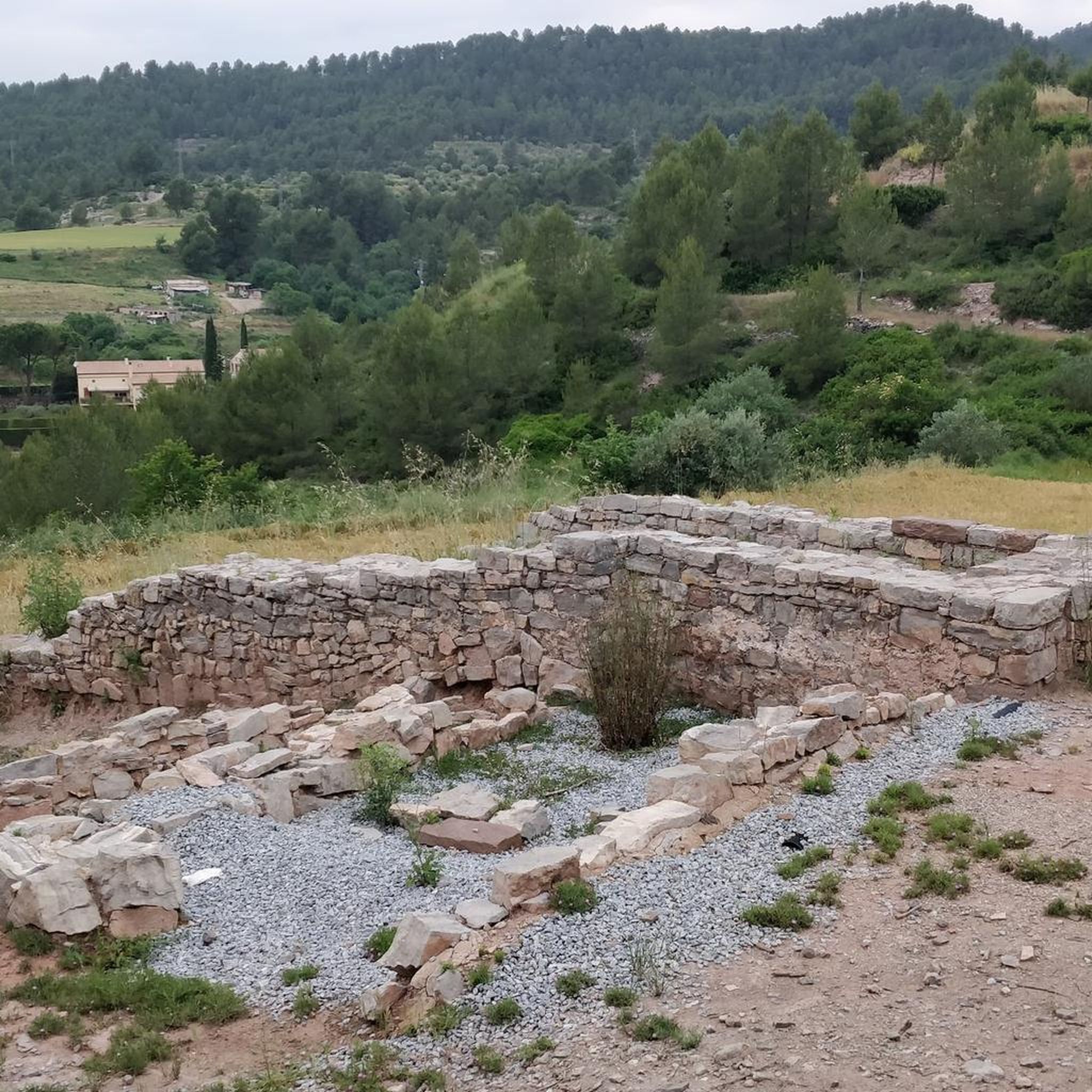
The tubs are constructions that have very similar characteristics. Its exterior plan can be quadrangular or circular, but the interior structure is basically the same. The lower part of it is made with stone and mortar. The interior is usually circular, and is covered with varnished ceramic pieces. Then, as an extension of the tub, some dry stone walls were built that gave its square or circular outer structure, where an opening was built. The roof is usually formed by a conical vault of dry stone covered with earth to make it waterproof. The vat usually has an upper access from where the must was poured once pressed, and at the bottom were the spouts through which it was emptied. Sometimes they have an attached hut that closes the access to the tub from the bottom and can also be used to store tools. In the area of Sant Joan de Vilatorrada and Sant Martí de Torruella some tubs are preserved as isolated architectural elements, in some cases it is simply the tub without any other element in the middle of a field. On other occasions it is a group of tubs (three or four) to which a hut has been added at the foot of each tub.
2
0

This 26-kilometre-long ditch that carries water to Manresa was built in the 14th century by the master Guillem Catà. Its construction was highly problematic, as the Bishop of Vic opposed its construction because it passed through the bishopric's land and threatened its promoters with excommunication. The bishop died before the works were finished and even so he really excommunicated the workers and the councilors of Manresa, in addition to interrupting the practice of the sacraments throughout the city. The bishop's successor maintained a more dialogue attitude, accepting the compensation offered by the city. However, legend has it that divine intervention became necessary, in the form of a mysterious light from Montserrat that entered through the stained glass windows of the Carmen church, at the same time that the bells began to ring by themselves. The bishop, seeing this phenomenon, regretted his position, but died shortly after, and his successor did not take long to reverse the situation and lift the excommunication.
1
1

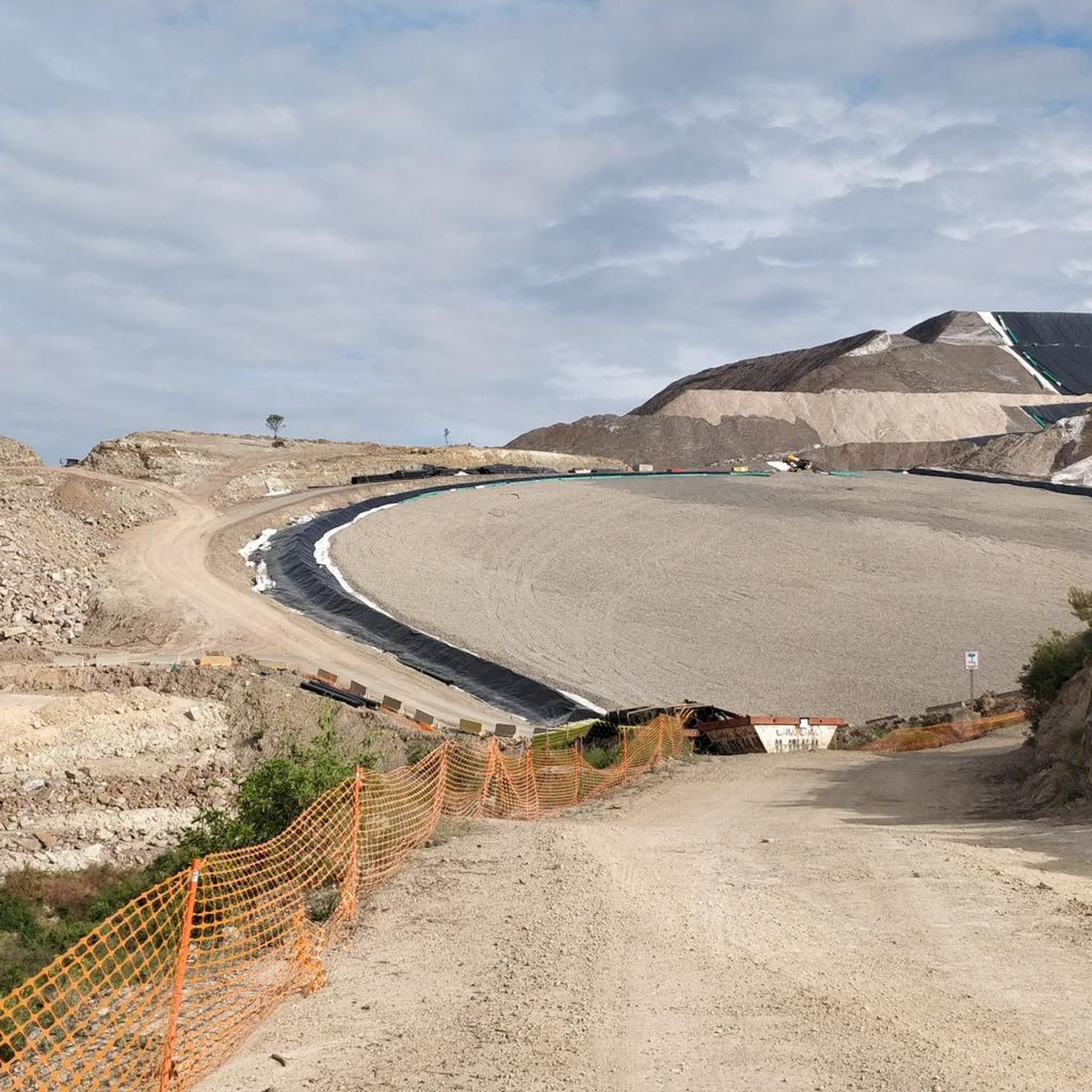
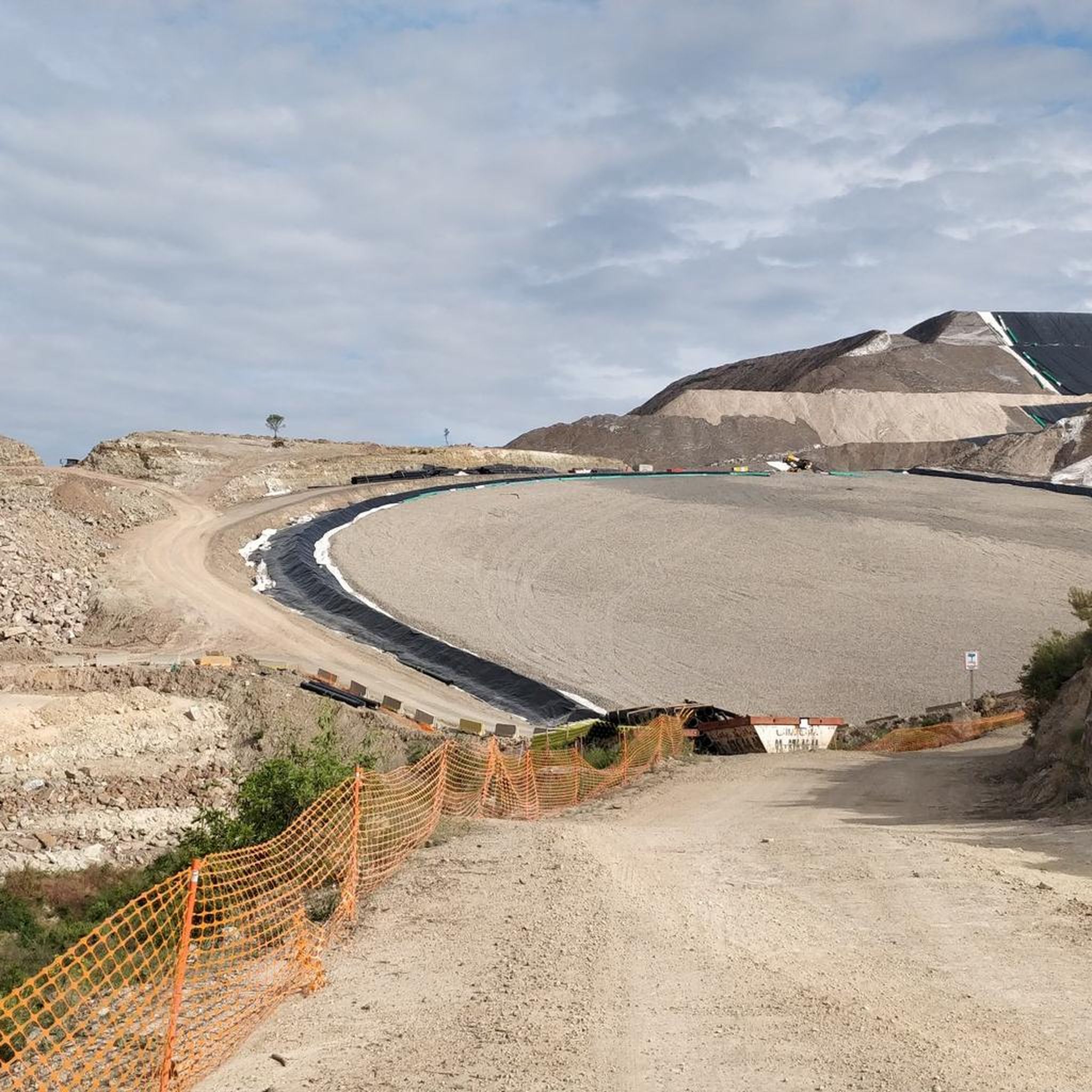
Mountain of saline and other waste created between 1945 and 1977. The La Botjosa salt dump measures 775 meters long by an average width of 150 meters, occupies 13.5 Ha and its content is estimated at around 4 million tons of salty waste. Since the start of the new Cogulló dump in 1977, the potash mining of Sallent and Balsareny stopped dumping saline waste in La Botjosa. Since then, a considerable portion of the saline residues dumped in the La Botjosa dump has disappeared by dissolution in rainwater and air humidity, as evidenced by the geomorphologies in lapiaz on the slopes and dame coiffée where an object acting as an umbrella has protected the salt below
2
0

This park is a large reservoir with a nice trail around it for walking and biking. There is parking and a picnic area. It is a good place to relax or start or end an adventure.
2
0

The Parque de l’Agulla is a natural space located on the outskirts of Manresa, near the municipalities of Sant Fruitós de Bages and Santpedor. The park was born with the construction of the lake of l’Agulla between 1966 and 1974. The lake has a surface area of about 64,000 m2 and a capacity close to 200,000 m3. Its main source of water is the Sèquia de Manresa canal, of medieval origin.
2
0

Salt residues from the Sallent mine.
1
0
수리아 주변에서 가장 인기 있는 명소


더 살펴보기
찾고 있는 하이라이트를 아직 못 찾으셨나요? 다른 지역의 주요 명소 가이드를 확인해보세요:
