20의 오넨하임가지 명소 & 주요 장소
오넨하임에는 둘러볼 만한 장소가 많답니다. 하이킹 또는 사이클링을 좋아한다면 오넨하임에 숨겨진 20
가지 보석을 만날 수 있을 거예요. 이 지역의 주요 명소를 살펴보면서 다음 모험을 계획해보세요.
마지막 업데이트: 10월 23, 2026

부르크하임 오버토어(상부 문)
하이라이트 • 기념물
번역자 Google •
팁에 의해

이런 장소를 발견하려면 지금 가입하세요
최고의 싱글 트랙, 봉우리 및 다양한 흥미로운 야외 장소에 대한 추천을 받아보세요.
마르콜스하임 위 콜마르 운하
하이라이트 • 자전거 도로
번역자 Google •
팁에 의해

부르크하임 구시가지
하이라이트 • 정착지
번역자 Google •
팁에 의해


오늘 무료 계정으로 시작하세요
다음 모험이 기다리고 있어요.
커뮤니티 팁

The first lord of the castle was Hildebrand Spenlin from Breisach. The word "Spenlin" means "little shavings" (from a plane). In Alemannic usage, Spenlin is called "Spänle." Without the diminutive, Span = Spon. The castle is mentioned in documents as Spenlins Eck, Span-Egge, or the Sponeck.
11
0

You feel like you've been transported back to the Middle Ages when you go through this gate
1
0

Burkheim's east gate was built when the city wall was built in the 13th century and is the last of three gates that still exists. It is also called the Rotweiler Gate because it is on the way to the small town of Rotweil (today, like Burkheim, part of Vogtsburg). The gate was built in its current form in the 18th century after being destroyed and rebuilt several times.
2
0


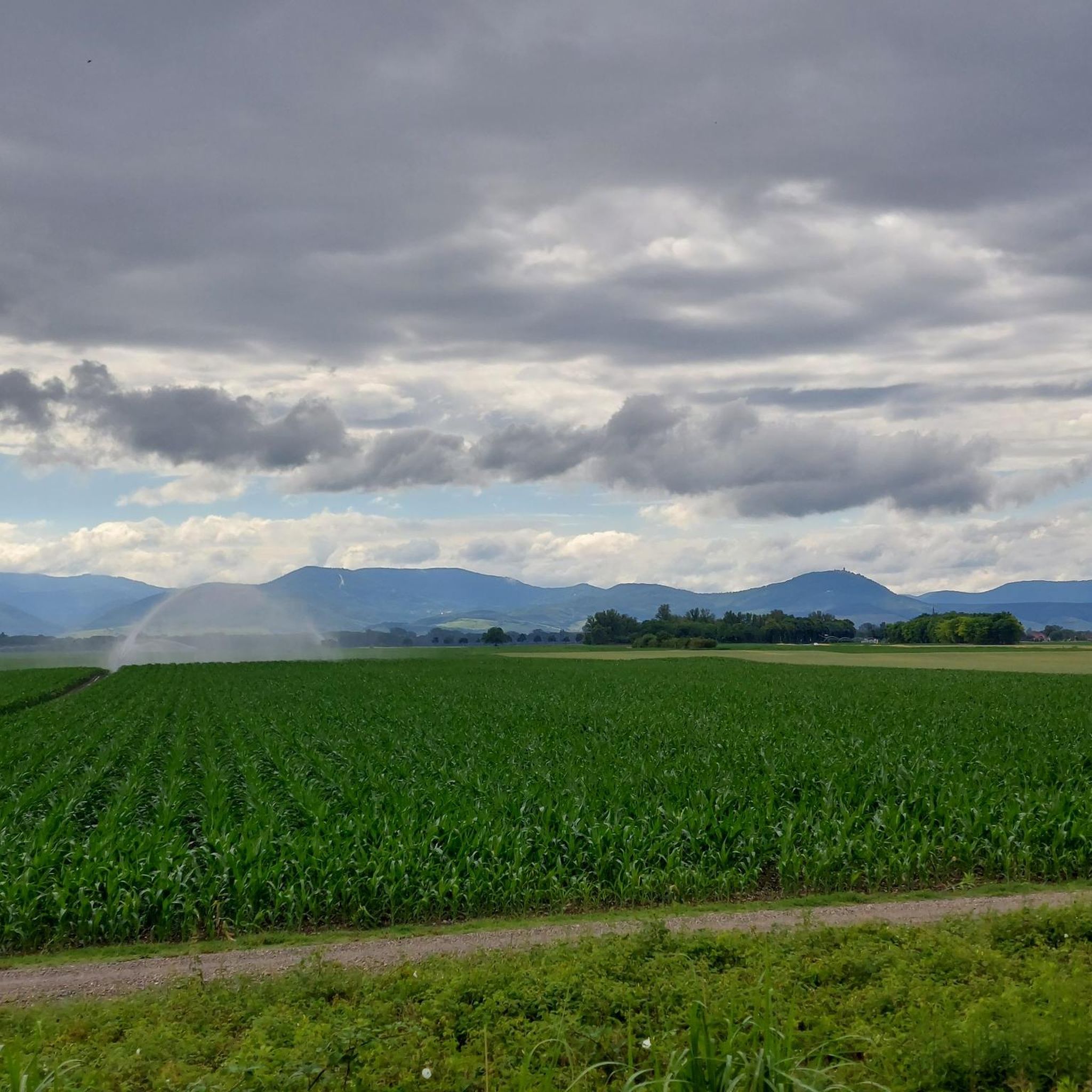
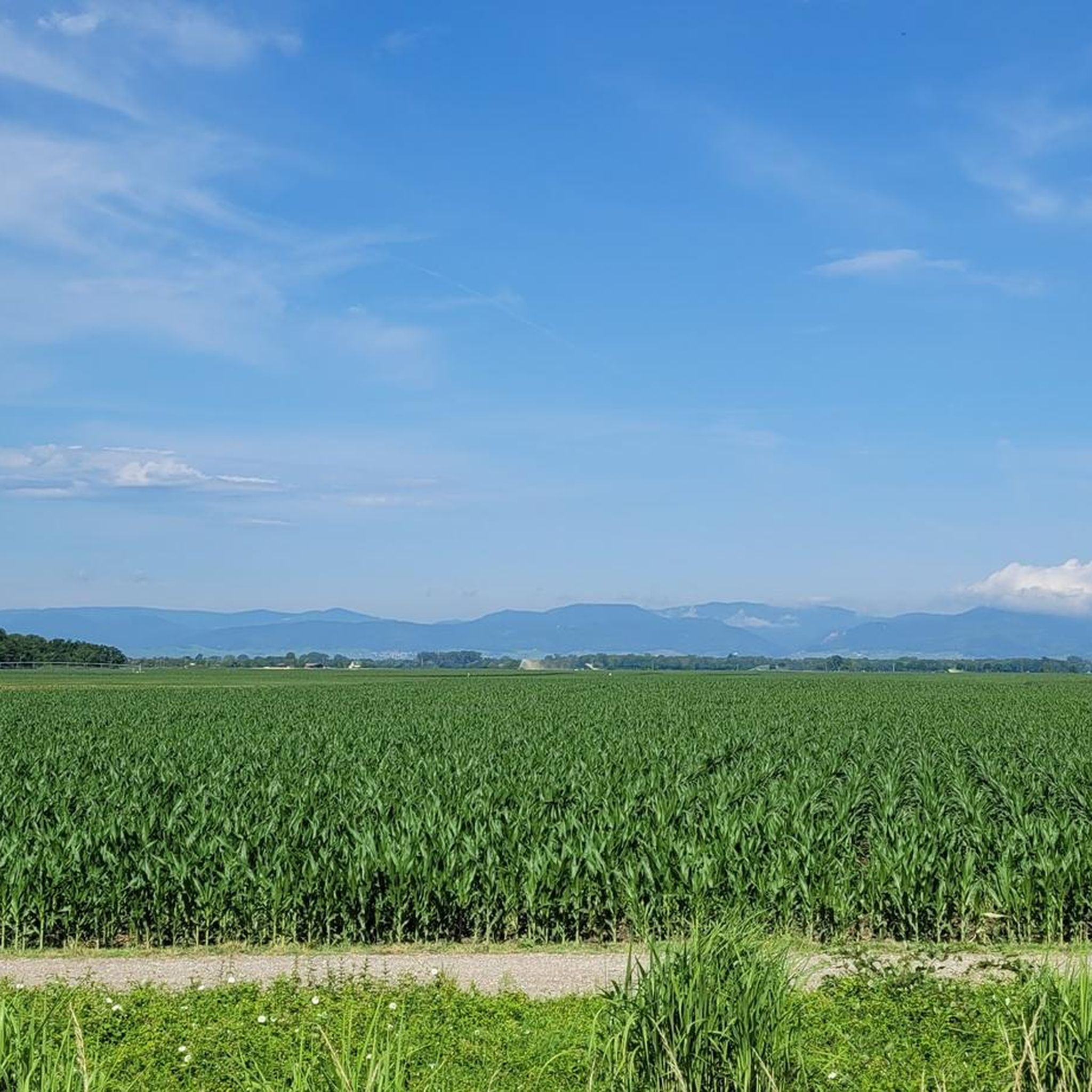
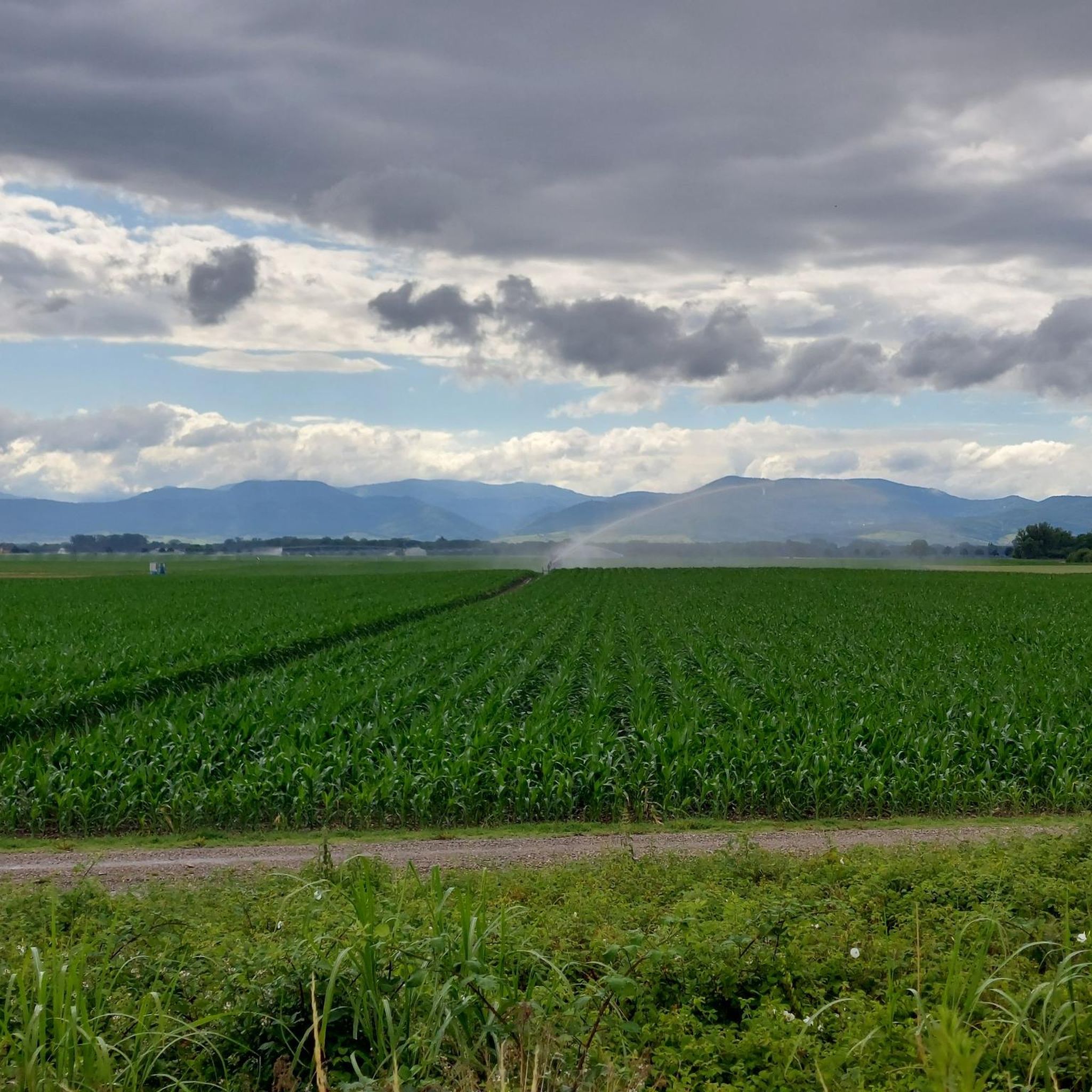
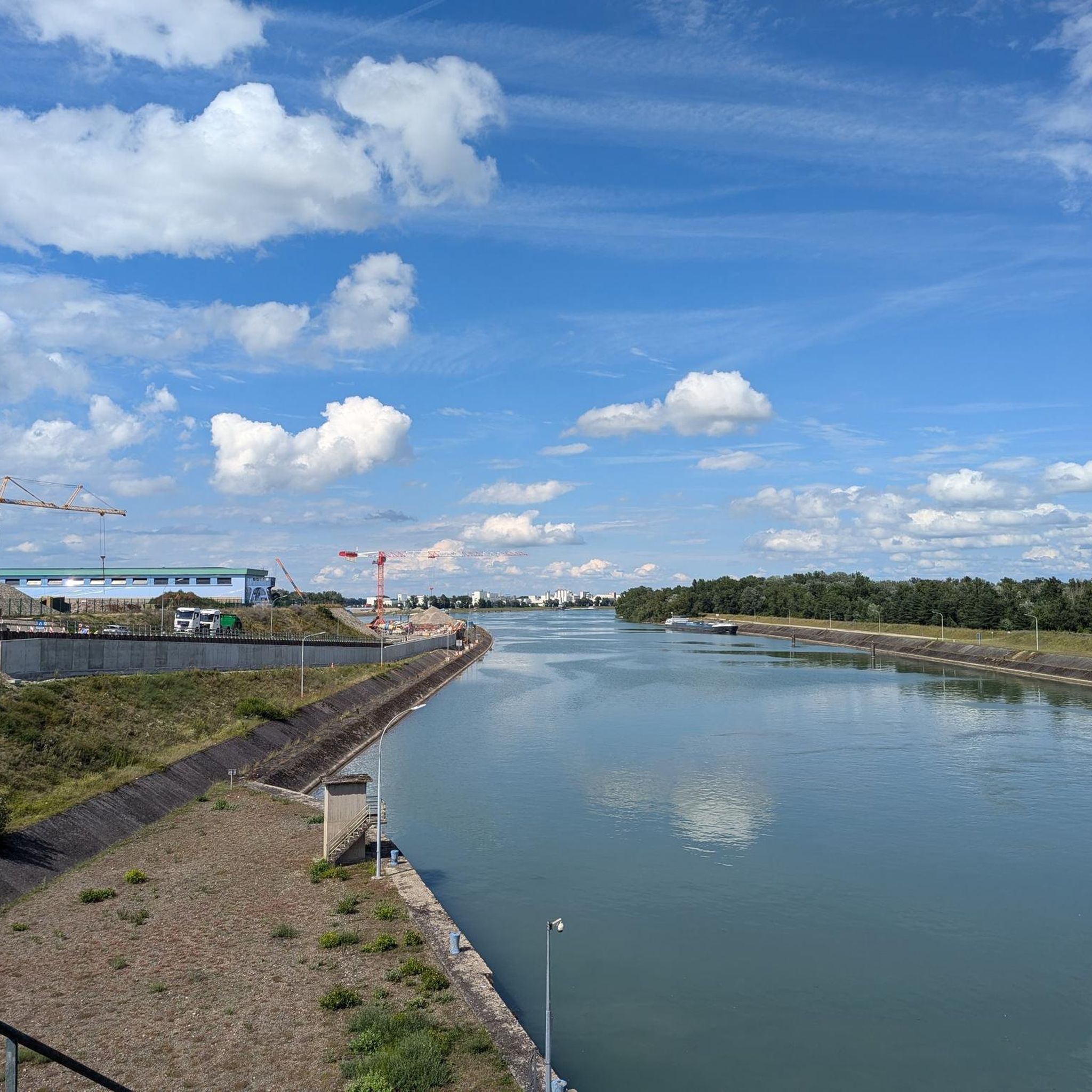
There are many rest areas along the canal with benches and occasionally tables.
3
1

The Canal de Colmar is easy to follow by bike. Well-developed paths without obstacles.
6
0

The old town of Burkheim (written with k, not g) is located on a hill in the Kaiserstuhl massif. The town of Burchheim was mentioned for the first time in a will of Bishop Heddo of Strasbourg on March 13, 762, who gave an estate in the town to the Ettenheimmünster monastery in the same year. On the occasion of a donation of a Heibo to the Lorsch Monastery, viticulture was documented for the first time in Burkheim. A local church is mentioned in the 9th century as St. Peter's Church. For Burkheim there is evidence of a local nobility from the first half of the 12th century (1113, 1139, 1179 and 1180) who worked as ministerials of the Zähringer family, who were mentioned several times as von Bugheim or de Burchaim until 1470. After Emperor Otto I confiscated Count Guntram the Rich's property for treason in 952, he gave the place away as part of the royal court in Riegel. This brought Burkheim to the Benedictine monastery of Einsiedeln in Switzerland and its patrons, such as Dietrich von Rimsingen (d. around 1052), and to the patrons of the Lords of Üsenberg. As a result of the division of the Riegeler Kammergut, ownership in Burkheim passed to the Lords of Hachberg around 1150 and then to the later legal successors of the Hachbergers, Margrave Heinrich I of Baden, founder of the new line of Margraves of Baden-Hachberg. In 1231, Margrave Heinrich I bequeathed donations in Castro Burchheim to the Tennenbach Monastery. Margrave Heinrich IV of Baden-Hachberg pledged the castle and village of Burkheim to his father-in-law Burkhart III in 1316 because of debts and then sold it to Austria around 1330. On December 26, 1347, Emperor Charles IV stayed at the castle. Together with the Gray Monks, the Cistercians, he put a lot of effort into the region's Pinot Gris vine, which is why Burkheim Castle is considered the cradle of Pinot Gris. A year later, Burkheim received city rights. The city and castle were often mortgaged. The first fiefdom was Hans Ulrich the Younger from Huse, then to the Lords of Hattstatt until 1412 and from 1471 to the Count Palatine of Tübingen-Lichteneck. From 1560 to the imperial general Lazarus von Schwendi, who converted the castle into a representative palace between 1561 and 1574. Further information about Burkheim on my homepage: https://www.breisgau-burgen.de/de/index.php/breisgau-burgen/staedte-im-mittelalter/482-stadt-burkheim-1348
5
0
오넨하임 주변에서 가장 인기 있는 명소


더 살펴보기
찾고 있는 하이라이트를 아직 못 찾으셨나요? 다른 지역의 주요 명소 가이드를 확인해보세요:
