크레시 쿠베 최고의 라이딩 경로
4.3
(21)
287
자전거 타는 사람
154
라이딩
크레시 쿠베의 로드 사이클링 경로를 찾으시나요? 그렇다면 크레시 쿠베 로드 라이딩 컬렉션 중에서 가장 멋진 라이딩 장소를 아래에서 살펴보세요.
마지막 업데이트: 10월 5, 2026
7
자전거 타는 사람
43.6km
01:46
200m
200m
초급용 로드 라이딩. 모든 체력 수준에 적합. 지면 대부분이 잘 포장되어 있고 라이딩하기 쉬움.
4.0
(1)
3
자전거 타는 사람
47.0km
01:55
260m
260m
초급용 로드 라이딩. 모든 체력 수준에 적합. 지면 대부분이 잘 포장되어 있고 라이딩하기 쉬움.

2
자전거 타는 사람
44.3km
01:49
240m
250m
초급용 로드 라이딩. 모든 체력 수준에 적합. 지면 대부분이 잘 포장되어 있고 라이딩하기 쉬움.
5.0
(1)
3
자전거 타는 사람
44.5km
01:48
230m
230m
초급용 로드 라이딩. 모든 체력 수준에 적합. 지면 대부분이 잘 포장되어 있고 라이딩하기 쉬움.
3
자전거 타는 사람
54.0km
02:10
280m
280m
보통 도로 자전거 타기. 좋은 체력 필요. 지면 대부분이 잘 포장되어 있고 라이딩하기 쉬움.
더 다양한 경로와 다른 탐험가들의 추천을 살펴보세요.
이미 komoot 계정이 있나요?
투어 추천은 다른 사람들이 komoot에서 완료한 수천 개의 활동을 바탕으로 구성되어 있습니다.
오늘 무료 계정으로 시작하세요
다음 모험이 기다리고 있어요.
크레시 쿠베 주변 인기 장소
커뮤니티 팁

샤탱쿠르에 위치한 생 마르탱 교회는 항상 이 지역의 유일한 예배 장소는 아니었습니다. 샤탱쿠르와 부탱쿠르 마을 사이에 작은 예배당이 있었는데, 이는 매우 오래된 시기의 것으로, 프랑크 왕국의 왕이었던 루이 7세(1137년부터 1180년까지 재위)가 1155년에 순례를 왔을 정도였습니다. 생 자크 예배당, 그것이 이름이었고 같은 이름의 장소는 오늘날 더 이상 존재하지 않으며, 종교 전쟁 중에 파괴되었습니다.
0
0
Mesnil-Thomas에 위치한 Saint-Barthélemy 교회는 Mesnil-Thomas 지자체에 자리한 종교 기념물입니다. 이 예배 장소는 많은 시골 교회와 마찬가지로 지역의 영적, 공동체 생활에서 중심적인 역할을 합니다. 이 교회의 건축과 역사는 Centre-Val de Loire 지역의 종교적 전통을 반영하지만, 이용 가능한 자료에는 건축 시기나 양식적 특징이 명시되어 있지 않습니다. Centre-Val de Loire의 시골 지역에서 Saint-Barthélemy와 같은 본당 교회는 주민들의 모임 장소 역할을 했으며, 공동 생활의 중요한 시점인 일요일 미사, 종교 축제, 사회 행사를 기념했습니다. 이 건물들은 종종 마을 조직의 중심이었으며 신앙과 공동체 결속력을 모두 상징했습니다. 상세한 역사적 데이터가 부족하여 이 교회의 특정 특징을 추적하기는 어렵지만, 그 존재 자체만으로도 이 지역의 종교 유산의 중요성을 증명합니다.
0
0


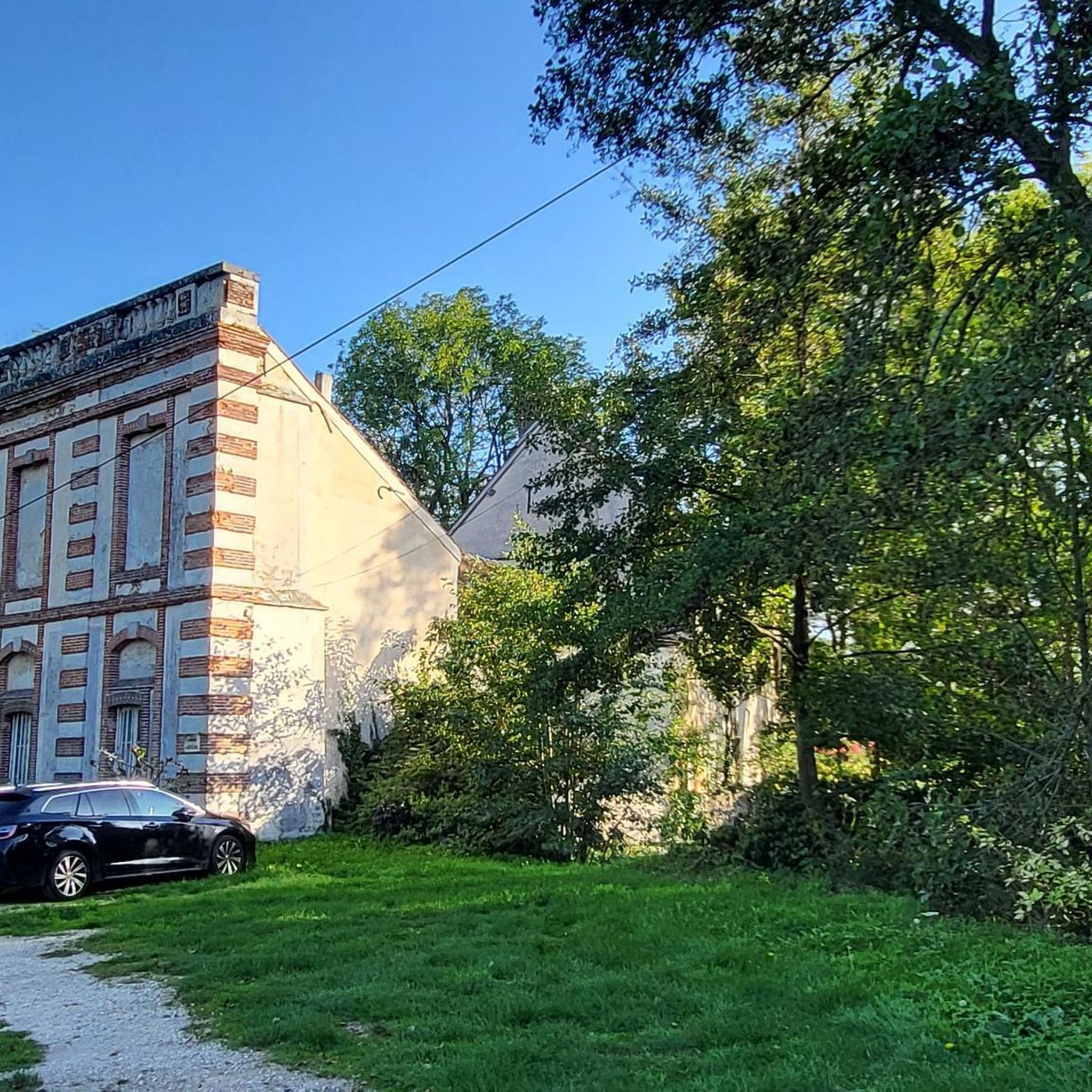
The Moulin de Mormoulins is a watermill located on the Eure River in the hamlet of Mormoulins. This mill dates back to the 18th and 19th centuries and is a listed historical monument. You can admire the old stone building, the wooden wheel, and the canal that diverts water from the river as you pass in front of the mill. The mill is surrounded by green fields and trees, creating a peaceful and relaxing atmosphere.
0
0

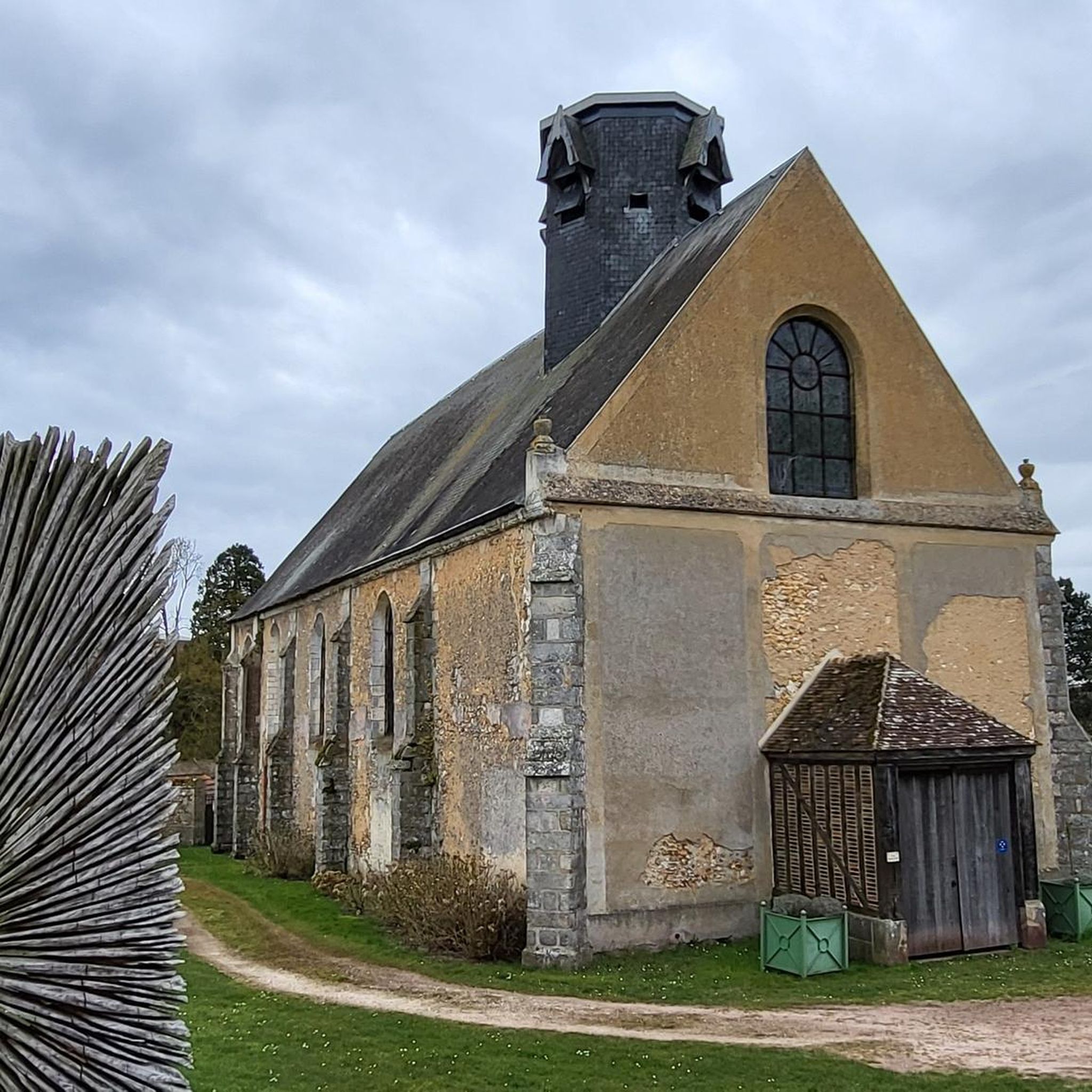
Located on the banks of the Blaise River, southwest of Dreux in the prestigious Crécy-Couvé district, the Marquise de Pompadour's residence from 1746 to 1757, the seigneury of Saulnières came under the Marquise's ownership in 1754. Some remarkable elements of the church's furnishings are undoubtedly due to the generosity of this patron of the arts. The Saint-Pierre church, built on the heights of the commune of Saulnières, is believed to have originally been the church of a Benedictine convent, which ceded it to its inhabitants in 1571 after the sack of their place of worship in 1562, during the First Battle of Dreux. While the cartularies of Saint-Père, Beaulieu, and Belhomer mention the town from the first half of the 12th century, we have no documents on the church before its transfer to the commune. The building (34 m by 11.5 m), oriented, with a single nave of four bays extended by a choir bay, ends with a three-sided chevet extended along the axis by a sacristy. The walls are made of cobblestone and grison rubble, while the twelve buttresses are sandstone. The steeply pitched roof is covered with tiles, and, practically in its center, stands a bell tower with a hexagonal base crowned by a spire of the same shape. The western door is framed by two buttresses: it is surmounted by a rose window that probably dates from the 19th-century construction campaign. In the south wall, at the level of the first bay, a blocked, semicircular-arched entrance door suggests a Romanesque construction. From the second bay, light streams in generously through eight openings: semicircular arches for those in the nave and Gothic-style for the four choir bays; a fifth, axial, was blocked when the altarpiece was installed. The 16th-century stained-glass windows were destroyed during a bombing raid during the Second World War; only a few elements, listed as Historic Monuments, remain in the sacristy. The vault, covered with shingles, must have been painted, as evidenced by the hallmark decorated with black and white diamonds and chevrons, likely from the 16th century. The great simplicity of the architecture is offset by the relative richness of the furnishings. The late 15th-century stone statues representing Saint Barbara, a religious figure without attributes, and two angels from the same period constitute a fine example of Gothic sculpture, albeit lacking the two angels purchased in the early 20th century for the Louvre, where they are now on display. The choir's layout could date back to the time of Madame de Pompadour: the doors, open on either side of the central section, are surmounted by two painted and gilded wooden statues, Saint Peter and Saint Sebastian. The central section is crowned by God the Father, and the canvas depicts Saint Peter freed from his chains by an angel. A fragmentary funerary liter is still visible inside and outside. In 2003, the Sauvegarde de l'Art Français (French National Art Foundation) granted €10,000 in aid to help repair the structure and roof of the building, whose condition had been aggravated by the 1999 storm.
0
0
Mentioned in 1159 as a possession of the chapter of Chartres, the oldest parts of the church of Saint-Léger, the nave and western façade, must date back to the 11th century. The nave, 15 m long and 7 m wide, is built from small rubble stones embedded in mortar. Only the corner quoins of the façade and the semicircular arch of the entrance door are made of dressed stone. In 1514, a larger choir (10 m X 10 m) finished by a flat wall, was added to the east. Some of its pointed arched bays have retained their beautiful tracery. The entire choir and nave are covered by a beautiful framework in the shape of an inverted hull. A significant decoration, created in the 18th century, woodwork, stalls, work bench, glory arch, lectern, and communion railing have been fortunately preserved. Traces of medieval wall paintings and a coat of arms were spotted on the walls, as well as ancient graffiti on the exterior. A 12th-century stone baptismal font and a 15th-century stone statue of Saint Léger are listed as Historic Monuments. A slate bell tower, topped with a slate spire, rises above the slightly recessed gable of the western façade. The Sauvegarde de l'Art Français (French Art Protection Agency) granted aid of 100,000 francs in 1992 and then 40,000 francs in 1993 for essential work on the framework and roof.
0
0
Every year, during the Heritage Days, the association "Au Cœur de Nos Villages" opens the doors of the Saint-Pierre church. A building from the 12th and 15th centuries, listed as a historical monument, whose bell tower, clock, and five renovated altarpieces, including Saint Michael slaying the dragon, are to be discovered. For the benefit of the Restos du Cœur Walkers will also be able to get to know the Atelier Arc-en-ciel (plastic arts) which exhibits the works of the adult group. Paintings, in red chalk, white pencil, sepia, etc., representing views of the church, statues, etc., will be put on sale for the benefit of the association Au Cœur de Nos Villages.
0
0
크레시 쿠베 주변에서 가장 인기 있는 명소


더 살펴보기
다른 지역의 최고의 로드 사이클링 경로를 살펴보세요.
