올리울 최고의 MTB 라이딩 경로
4.0
(210)
1,180
자전거 타는 사람
15
라이딩
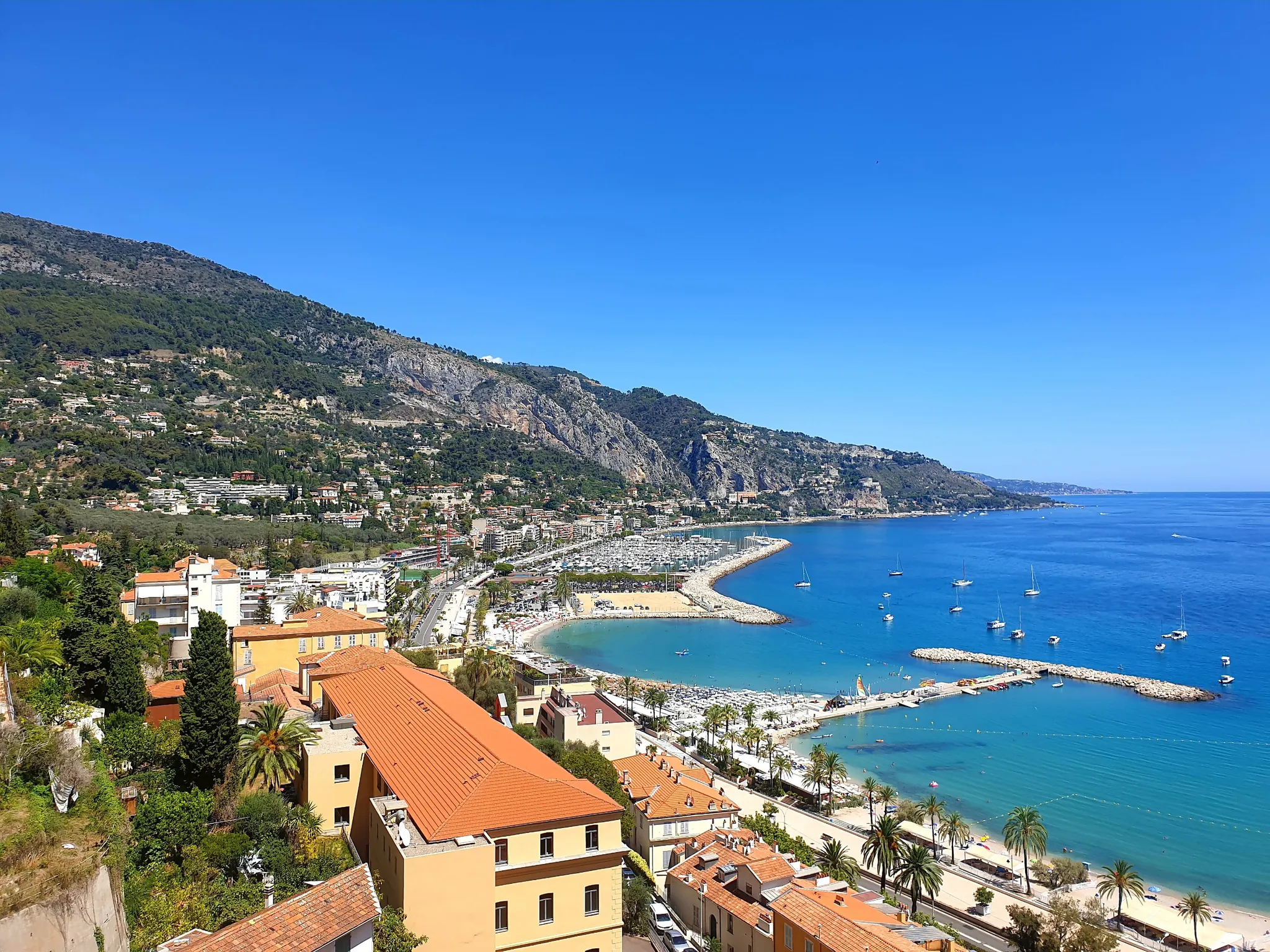
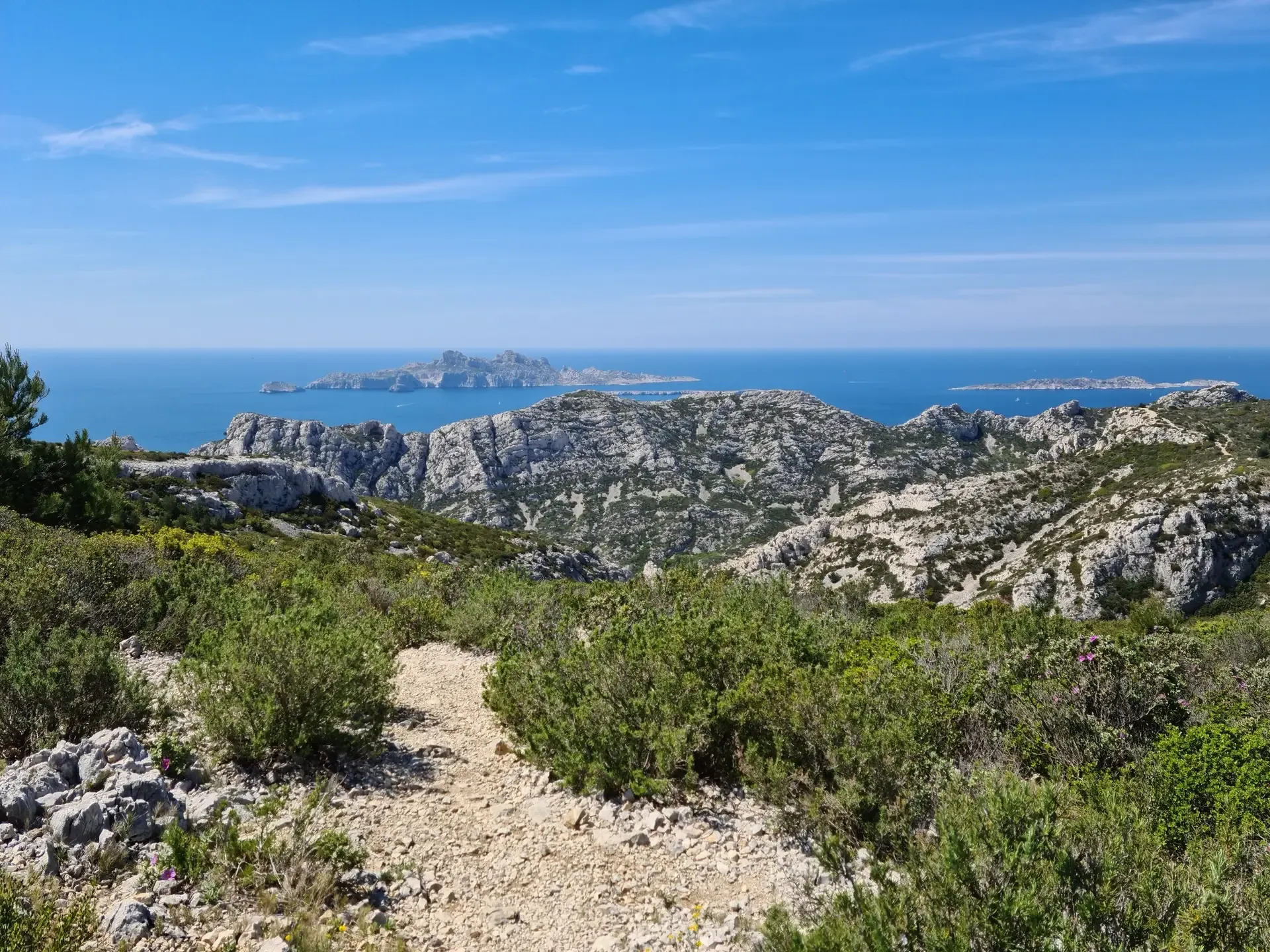
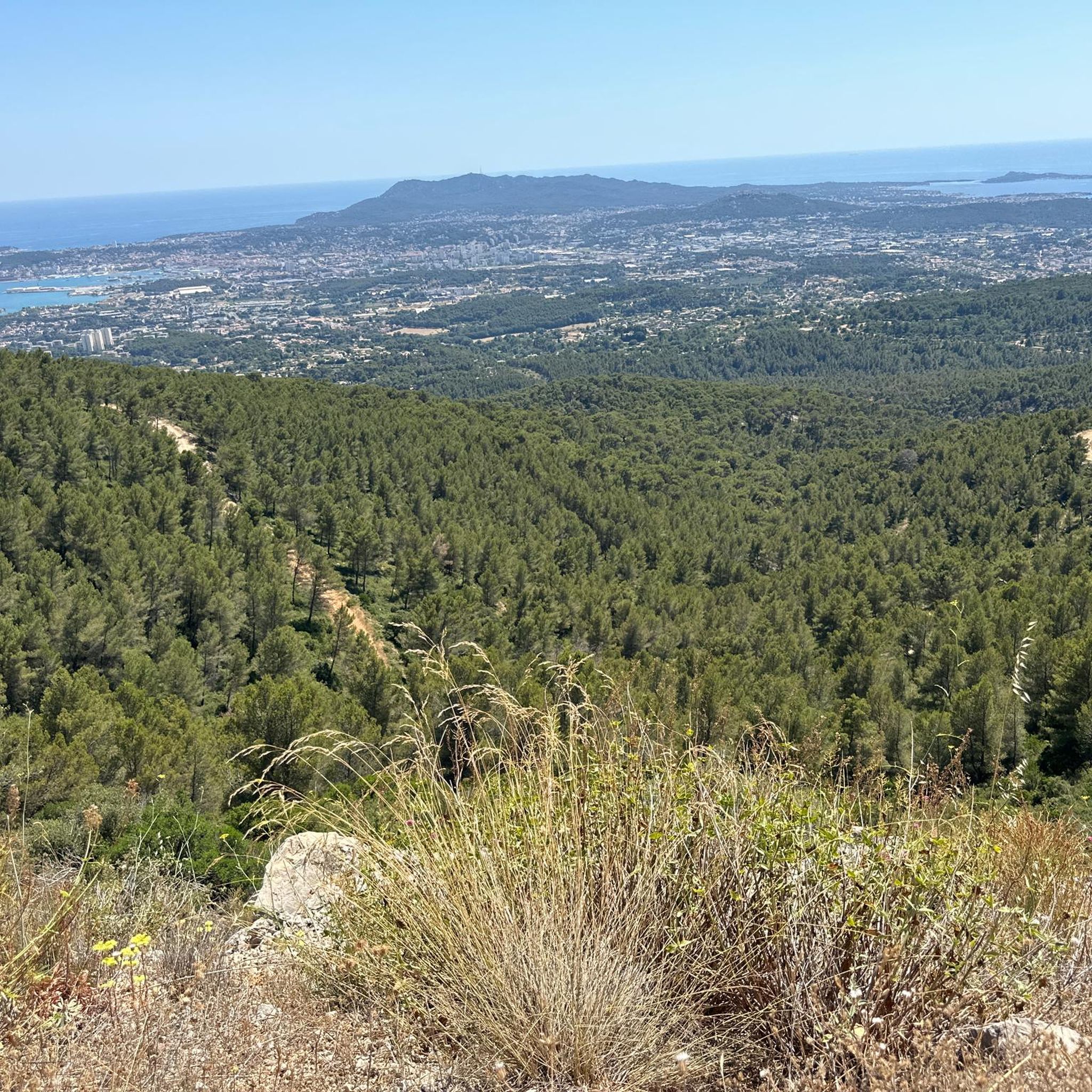
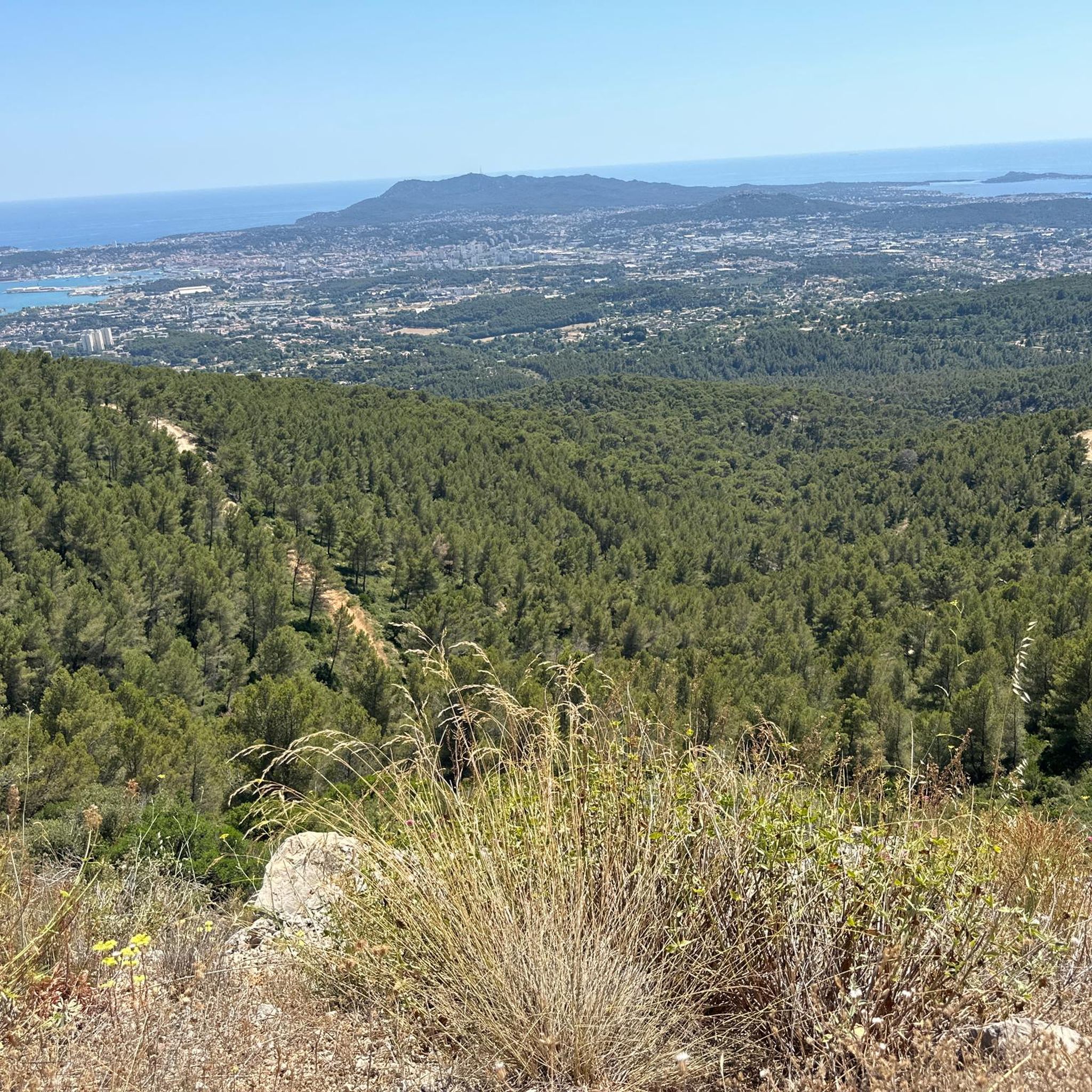
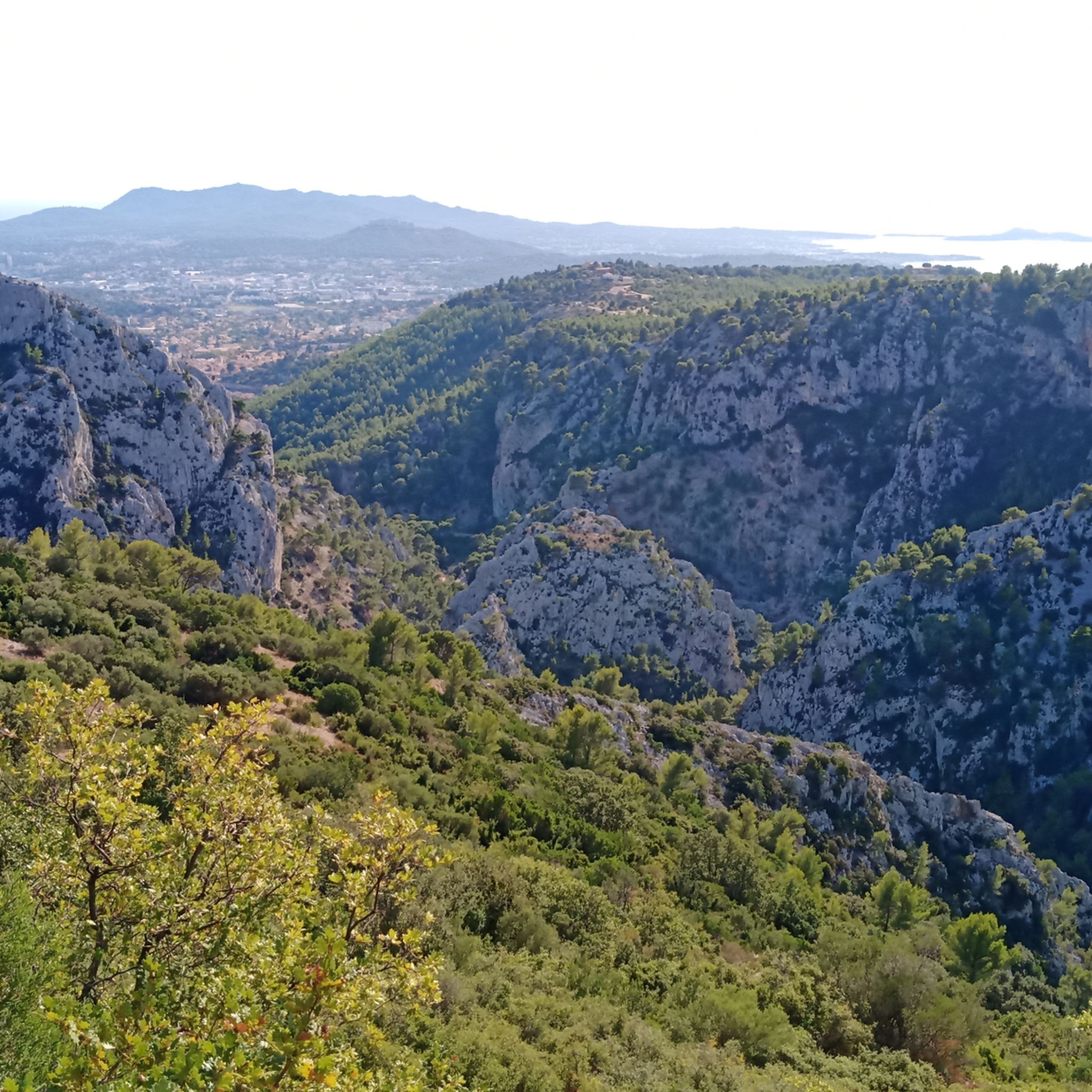
산악자전거를 타기 좋은 올리울 주변 지역은 지중해 연안에서 산악 배경으로 전환되는 다양한 풍경을 제공합니다. 이 지역은 올리울 협곡과 같은 극적인 협곡과 르 그로 세르보(Le Gros Cerveau), 몽 파롱(Mont Faron)과 같은 유명한 언덕이 특징입니다. 라이더들은 석회암 지형, 소나무 숲, 기술적인 구간을 포함한 다양한 지형을 만나게 되며, 산악자전거 타는 사람들에게 다양한 도전을 제공합니다. 이 지역은 도전적인 오르막과 구불구불한 트레일이 혼합되어 있습니다.
올리울 주변 최고의 산악자전거 코스
- 가장 인기 있는 산악자전거 코스는 앙피테아트르 드 샤토발롱(Amphithéatre de Châteauvallon)에서 출발하는 28.8km 길이의 바우 데 아우레스…
마지막 업데이트: 10월 21, 2026
4.2
(5)
56
자전거 타는 사람
28.8km
02:55
1,010m
1,010m
어려운 산악 자전거 타기. 우수한 체력 필요. 뛰어난 라이딩 실력이 필요함.
4.4
(7)
66
자전거 타는 사람
33.1km
02:08
450m
450m
어려운 산악 자전거 타기. 좋은 체력 필요. 뛰어난 라이딩 실력이 필요함. 투어 중 자전거를 끌고 가야 하는 구간이 있을 수 있음.

4.0
(6)
30
자전거 타는 사람
39.1km
02:38
590m
590m
어려운 산악 자전거 타기. 좋은 체력 필요. 뛰어난 라이딩 실력이 필요함. 투어 중 자전거를 끌고 가야 하는 구간이 있을 수 있음.
4.5
(4)
27
자전거 타는 사람
56.8km
03:12
340m
340m
보통 산악 자전거 타기. 좋은 체력 필요. 뛰어난 라이딩 실력이 필요함.
4.3
(3)
20
자전거 타는 사람
22.3km
02:02
500m
500m
보통 산악 자전거 타기. 좋은 체력 필요. 뛰어난 라이딩 실력이 필요함.
더 다양한 경로와 다른 탐험가들의 추천을 살펴보세요.
이미 komoot 계정이 있나요?
투어 추천은 다른 사람들이 komoot에서 완료한 수천 개의 활동을 바탕으로 구성되어 있습니다.




커뮤니티 팁


At 804 m (or 801 m according to Komoot), Mont Caume (Est) is the highest point in the Toulon mountains. Although the relay station located there somewhat detracts from the view, the view of Toulon and the surrounding area is impressive. The ruins of a former military fort are also located on the site. The western summit, about 50 m lower, is about 1.5 km to the west.
0
0

watch out for cars but on the whole on Sundays it's fine
0
0


According to legend, Toulon singer Félix Mayol developed a passion for rugby after an oval ball knocked his hat off near a pitch. In 1919, he offered a large sum of money to acquire a plot of land and sold his songs to benefit the Lily of the Valley Club to finance its sports facilities. In his "Mémoires," published in 1929, he explains: Now, in Toulon, where the youth are particularly active and vigorous, we didn't have a single usable plot of land... All that remained was a disused velodrome, where no one ever went, which was no longer of any use, and which seemed to me to be as bored as our aspiring athletes... So, my God, it was quite simple: I bought the old velodrome! I broke ground myself on July 26th. Inaugurated on March 28, 1920, the Stade Mayol remains one of the rare examples in France of a stadium located in the heart of the city. The people of Toulon are passionate about the RCT and its "Temple de Besagne." On November 23, 1943, the stadium was bombed. Handed over to the city, the Stade Mayol was renovated and re-inaugurated in September 1965, for a match against the Welsh team of Newbridge. Since then, the famous "Rouge et Noir" players have continued to play in this stadium, so dear to the Toulon people. The stadium was recently modernized by the municipality, including the installation of two giant screens, a new sound system, new shells, and the creation of media spaces and boxes.
0
0
Subsequently, the growing importance of the naval arsenal contributed to a demographic boom that required increasing the capacity of the Cathedral, the only church in the city until the beginning of the 19th century. A new extension, including the Chapel of the Relics, was undertaken between 1654 and 1659 under the episcopates of Bishop Jacques Danès de Marly and Bishop Pierre Pingré. The latter consecrated the new Cathedral in 1661. It is now oriented from north to south and its surface area has doubled. This extension made it possible to include a large part of the pre-existing structural work. Thus, the building has three naves of five bays of unequal dimensions: the first, upon entering, is very short and corresponds to the Romanesque side aisle; the second, with a square plan, is the old great Romanesque nave; the third and fourth are narrower, and the volume of the great Romanesque nave is only found in the fifth bay which precedes the choir. The bay of the relic chapel, which supports the dome, already had its dimensions and square plan. The main drawback of this building is its darkness; the elevation of the central nave does not differ enough from that of the side naves to allow windows to be opened (those visible overlook the attic). Ceremonies were therefore, here more than elsewhere, lit by candlelight. These successive expansions and rearrangements give it a unique character, with naves of varying sizes, massive walls, and arcades of different styles. From 1696 to 1701, a monumental façade (24 meters long and 19 meters high) was inlaid onto the Romanesque wall where a door had been installed since 1666. The gable is adorned with a simple pointed pediment placed on a cornice surmounting a Corinthian order, as the central nave was not high enough in relation to the side naves to allow for the construction of a second order. Part of the sculpted decoration was damaged or destroyed during the Revolution in 1794 (the statues of Faith and Charity, as well as the bas-reliefs above the side doors, were removed, and the angels on the transom of the main door were disfigured). In 1730, the bell tower was demolished because it was in such poor condition. The city organized funding for a new bell tower, the construction of which began in 1737 and was completed in 1740. Like the old one, the new bell tower was falsely symmetrical with the Fos tower, until the latter was upgraded in 1822. The wrought iron bell cage that then topped it was transferred to the bell tower. The four bells, Holy Trinity, Savior, Mary, and Cyprien, have punctuated Toulon's life since 1524. During the French Revolution, the churches suffered greatly; the Cathedral was transformed into a Temple of Morality, a military equipment store, and a salt warehouse. The Concordat of 1801 abolished the dioceses of Fréjus and Toulon, which were incorporated into the diocese of Aix-en-Provence. In 1802, the Cathedral was returned to worship in a deplorable state and took the name of Sainte-Marie-Majeur Church until 1958, when the see was transferred to Toulon. In 1822, during the Restoration, the Diocese of Fréjus was reestablished and incorporated the Diocese of Toulon, thus corresponding to the Var department as Napoleon Bonaparte had intended. Illustrious visitors have come to pay their respects in our Cathedral: numerous Counts of Provence, Catherine de Medici, Anne of Austria, several Kings of France (Charles IX, Louis XIV, Charles X), Cardinal Mazarin, the Duke and Duchess of Angoulême, Saint Catherine of Siena, Saint John Bosco, Father Lacordaire, and more. Please come and discover this unique Cathedral, where guided tours are offered every Thursday during the summer: meet at 3 p.m. in front of the reception desk.
0
0
Toulon has been an episcopal see since the 5th century. Honorius (or Augustal) is the first known bishop in 441. Saint Cyprian, the most illustrious, served from 517 to 546. According to several sources, the original cathedral was located on the site of the current chapter house. Unfortunately, the first reliable information dates back only to the 11th and 12th centuries. The archives are all the more sparse because raids by Majorcan pirates in 1178 and 1196, as well as successive pillages and massacres by the Saracens, destroyed many documents and buildings during the Middle Ages. The Romanesque (or pre-Romanesque) building may therefore have been partially or completely demolished. In any case, the church had become too small by the end of the 11th century due to the growth of the city. According to tradition, Count Gilbert of Provence, while passing through Toulon, vowed to build a church dedicated to the Virgin Mary if he returned safely from the Crusade to the Holy Land. Upon his return in 1096, he ordered the construction of a larger church dedicated to the Virgin Mary under the name of Notre-Dame-de-la-Seds (from the Latin sedis, meaning seat, in reference to the cathedra, the bishop's seat). This medieval cathedral was located to the west of the ancient building; it faced east and was accessed through a porch in the chapter house courtyard, the entrance being through the current Chapel of the Holy Cross. This Romanesque edifice comprised the first three bays of the current building. A few visible traces remain: vaults, Sibille's epitaph on the funerary plaque in the former Saint Michael cemetery (present-day Cathedral Square), and the Fos tower, whose foundations are located in the current Sainte-Croix chapel (it was in danger of collapse, and the top was destroyed in 1822). This tower housed a clock between the 15th and 19th centuries; it may have been part of an early city wall or an early canonical district, or it may have been identified with the "provostship tower," located west of the Cathedral according to some sources. Regardless of its construction date, the question arises as to the church's integration into the poorly understood and changing topography of the city, due to the rapid expansion of the medieval town, which spread southward and westward during the 13th and 14th centuries. In 1442, the Chapel of the Holy Relics was built, which the following year became "Our Lady of the Holy Relics", and finally the Chapel of the Virgin. It was separated from the Cathedral by a street and contained the relics of Saint Cyprian; the altar of the Virgin, dated 1688 (inscription engraved on the key of the arcade), probably after a rearrangement towards the north or a modification of its interior decoration.
0
0
올리울 주변에서 가장 인기 있는 명소


더 살펴보기
다른 지역의 최고의 MTB 트레일를 살펴보세요.
