솔시 쉬르 메르트 최고의 사이클링 경로
4.4
(418)
3,420
자전거 타는 사람
256
라이딩
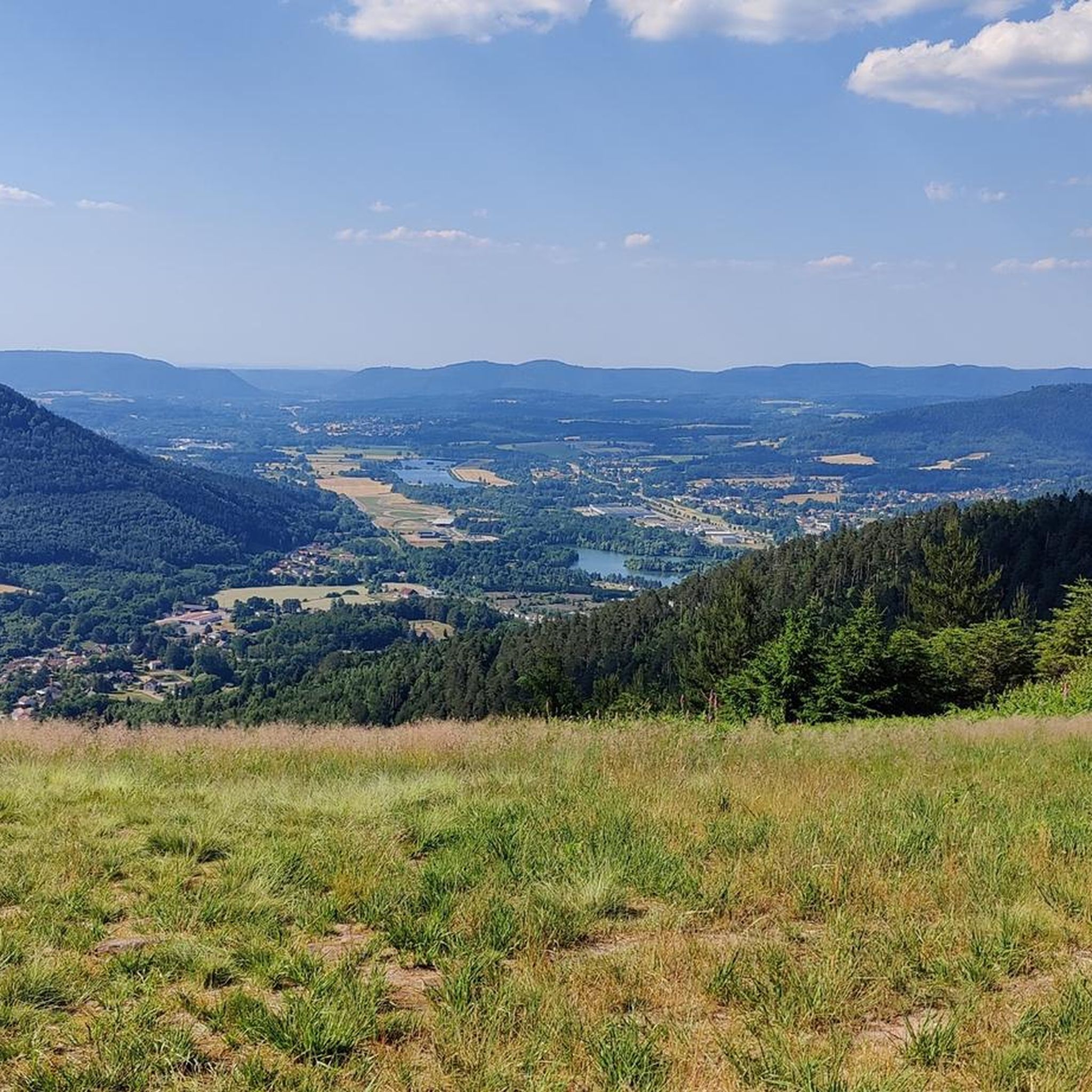
사이시-쉬르-뫼르트 주변의 투어링 사이클링은 뫼르트 강 계곡, 완만한 언덕, 울창한 숲으로 특징지어지는 보주(Vosges) 지역 내에서 다양한 지형을 제공합니다. 고도는 359미터에서 740미터까지 다양하며, 켐베르크(Kemberg) 산괴를 포함한 지역의 상당 부분이 숲으로 덮여 있습니다. 이 다양한 풍경은 자연 암석 지형과 경치 좋은 전망대를 특징으로 하며, 다양한 투어링 사이클링 경로를 제공합니다.
사이시-쉬르-뫼르트 주변 최고의 투어링 사이클링 경로
- 가장 인기 있는 투어링 사이클링 경로는 사이시-쉬르-뫼르트에서 출발하는 롱메르 호수 – 보 베르트 루프로, 40.9마일(65.8km) 길이이며 완료하는 데 4시간 14분이 걸립니다. 이 어려운 경로는 롱메르 호수…
마지막 업데이트: 10월 16, 2026
4.9
(7)
67
자전거 타는 사람
20.4km
01:34
280m
280m
보통 자전거 타기. 좋은 체력 필요. 대부분 포장된 지면. 실력과 관계없이 누구나 갈 수 있음.
4.0
(1)
31
자전거 타는 사람
40.2km
03:35
1,030m
1,030m
어려운 자전거 타기. 우수한 체력 필요. 투어 중 자전거를 끌고 가야 하는 구간이 있을 수 있음.

3.8
(4)
29
자전거 타는 사람
44.9km
03:56
1,020m
1,020m
어려운 자전거 타기. 우수한 체력 필요. 투어 중 자전거를 끌고 가야 하는 구간이 있을 수 있음.
24
자전거 타는 사람
16.1km
01:24
400m
400m
보통 자전거 타기. 좋은 체력 필요. 대부분 포장된 지면. 실력과 관계없이 누구나 갈 수 있음.
5.0
(1)
14
자전거 타는 사람
50.4km
04:27
1,240m
1,240m
어려운 자전거 타기. 우수한 체력 필요. 투어 중 자전거를 끌고 가야 하는 구간이 있을 수 있음.
더 다양한 경로와 다른 탐험가들의 추천을 살펴보세요.
이미 komoot 계정이 있나요?
투어 추천은 다른 사람들이 komoot에서 완료한 수천 개의 활동을 바탕으로 구성되어 있습니다.
오늘 무료 계정으로 시작하세요
다음 모험이 기다리고 있어요.
커뮤니티 팁

This mountain pass in the Vosges connects the Fave and Hure valleys and is located between the villages of Le Beulay and La Petite-Fosse. During the First World War, the pass was strategically important: the Bayerische 39. Reserve-Division controlled the passage here with bunkers and trenches, remains of which are still visible today. The area is rich in relics such as machine gun bunkers, barbed wire posts and shelters from 1916. The pass is also popular with cyclists: the climb from Saint-Dié-des-Vosges is 10.6 km long with an average gradient of 2.9%. Along the way, you can enjoy peaceful forests, historical traces and views of the Spitzemberg and the Tête de Raves.
8
0


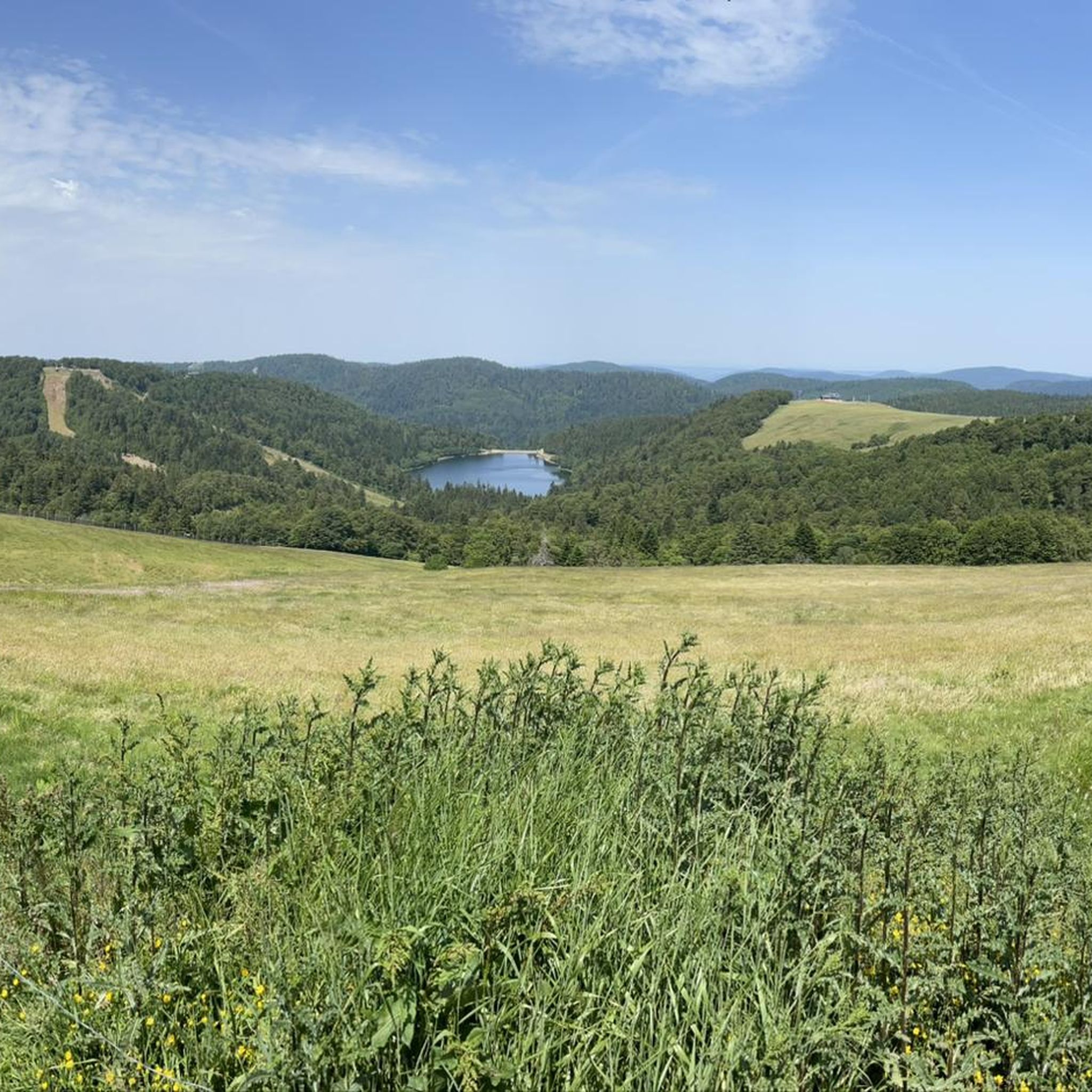
The real pearls can be found in the hills behind the main ridge of the Vosges. Great viewpoints, rocks and wonderful nature
0
0

A small, enchanting artificial waterfall. It's accompanied by a gazebo, a perfect place to take a break during a hike. Below, there's an old fish farm. The whole area dates back to the early 20th century, a time when there was a desire to encourage outdoor activities in nature. However, the rock is believed to be a Celtic remnant, perhaps even related to Druidic practices.
2
0

Sure-footed shoes and good coordination required!
0
0

Be careful at the end, 7 kilometers of forest trail for which a mountain bike is more suitable than a VTC
1
0

Small artificial waterfall with a pond and covered picnic area.
1
1
솔시 쉬르 메르트 주변에서 가장 인기 있는 명소


더 살펴보기
다른 지역의 최고의 자전거 경로를 살펴보세요.
