20의 생드니 돌레롱가지 명소 & 주요 장소
생드니 돌레롱에는 둘러볼 만한 장소가 많답니다. 하이킹 또는 사이클링을 좋아한다면 생드니 돌레롱에 숨겨진 20
가지 보석을 만날 수 있을 거예요. 이 지역의 주요 명소를 살펴보면서 다음 모험을 계획해보세요.
마지막 업데이트: 10월 23, 2026

포르 뒤 두에 항구
하이라이트 • 기타
번역자 Google •
팁에 의해

이런 장소를 발견하려면 지금 가입하세요
최고의 싱글 트랙, 봉우리 및 다양한 흥미로운 야외 장소에 대한 추천을 받아보세요.


오늘 무료 계정으로 시작하세요
다음 모험이 기다리고 있어요.

커뮤니티 팁

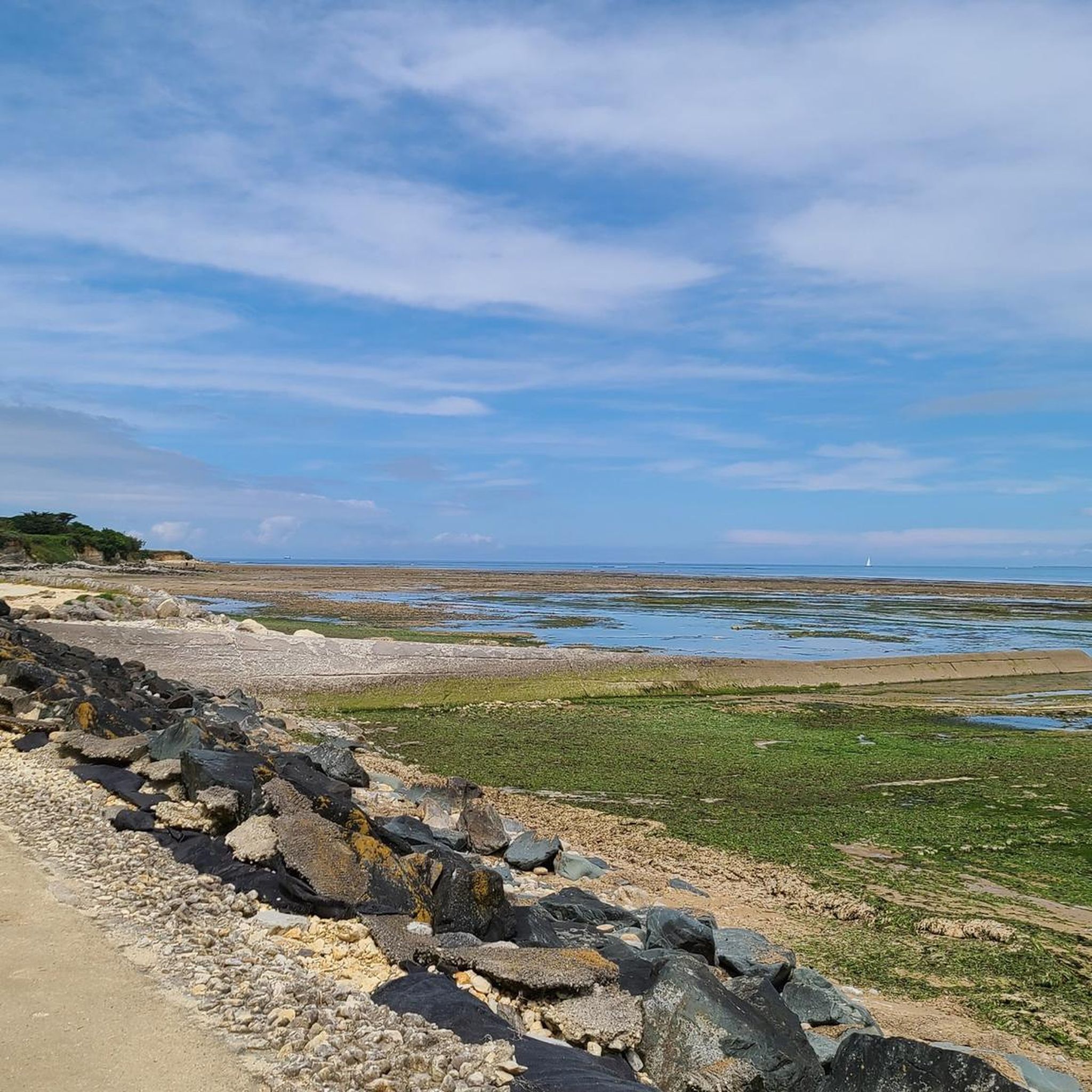
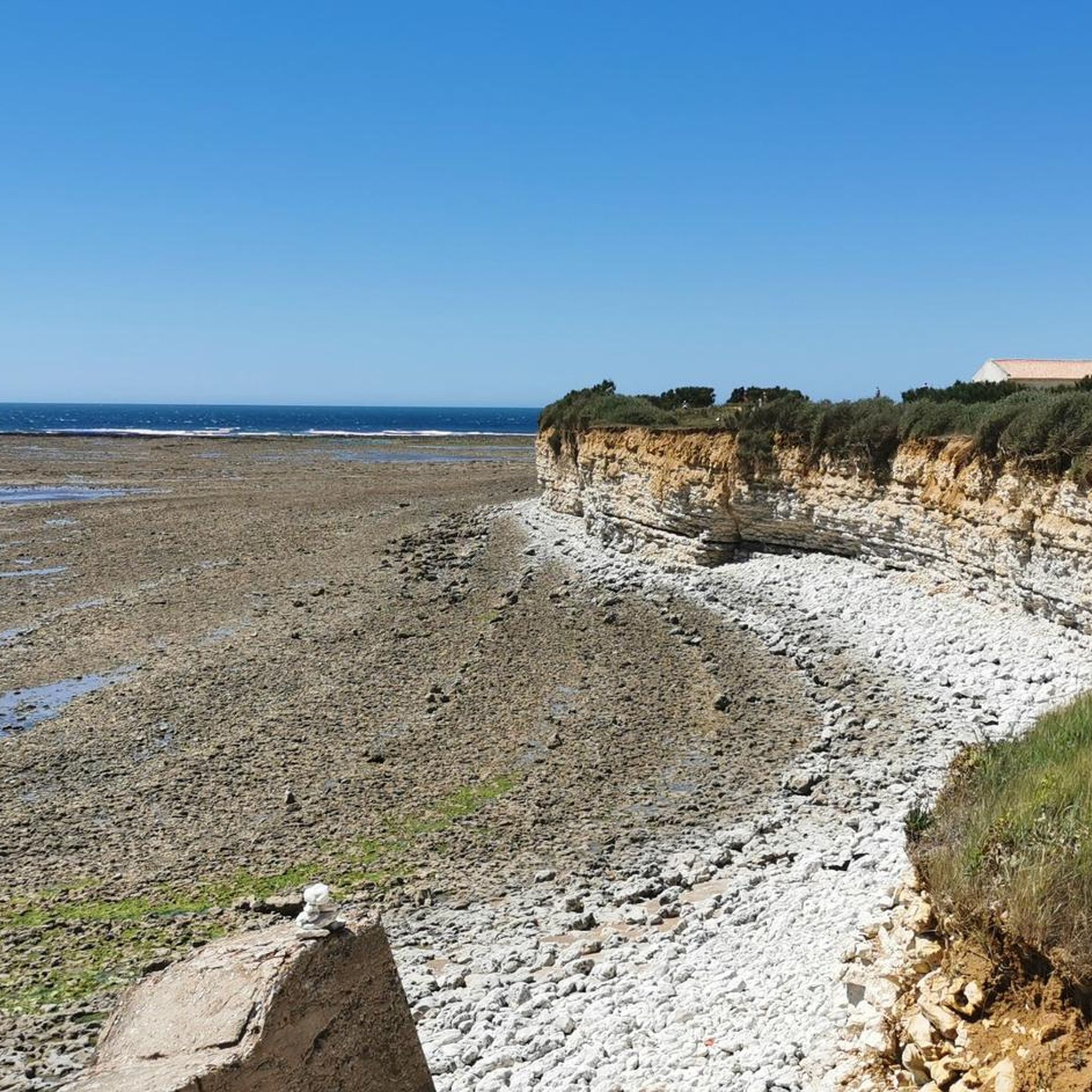
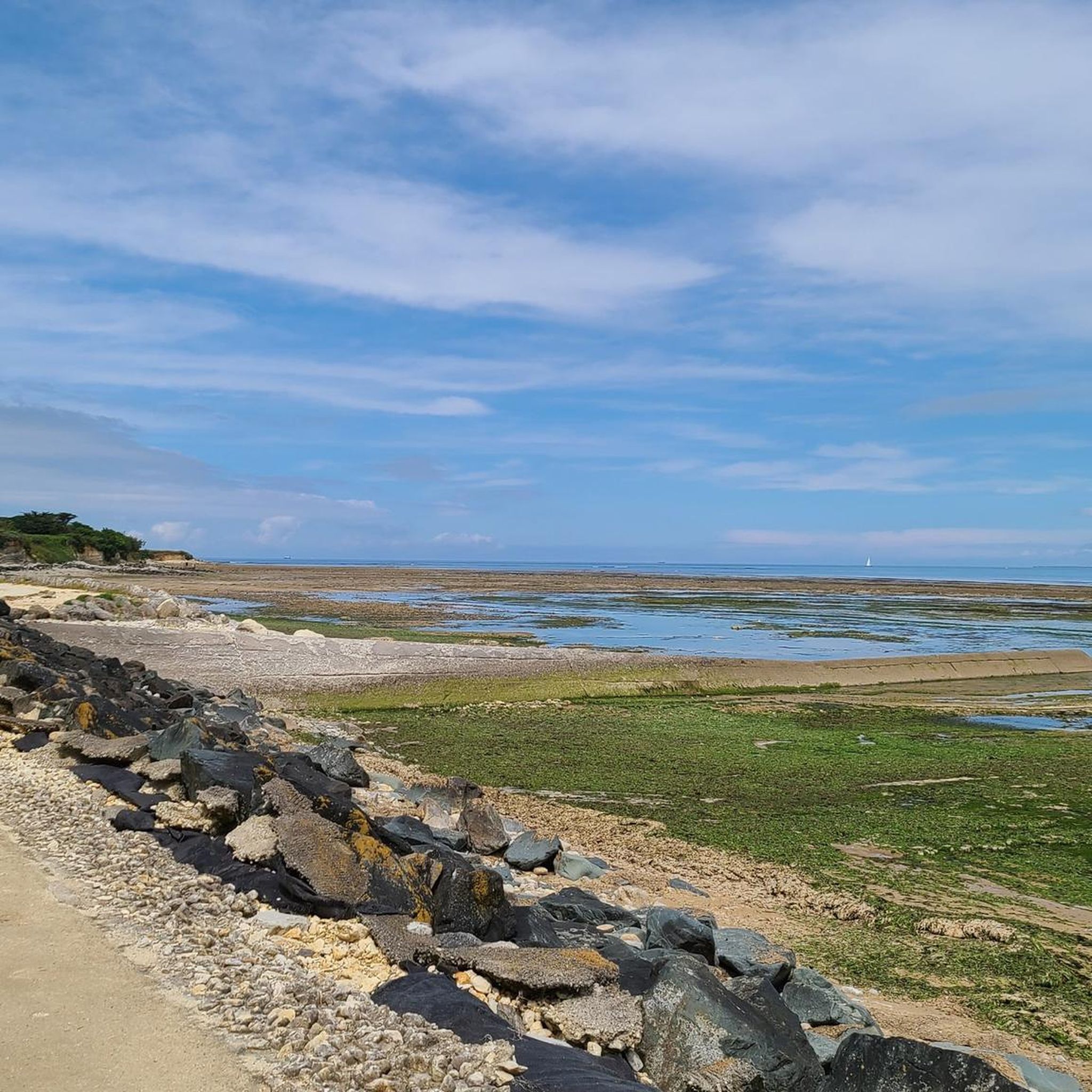
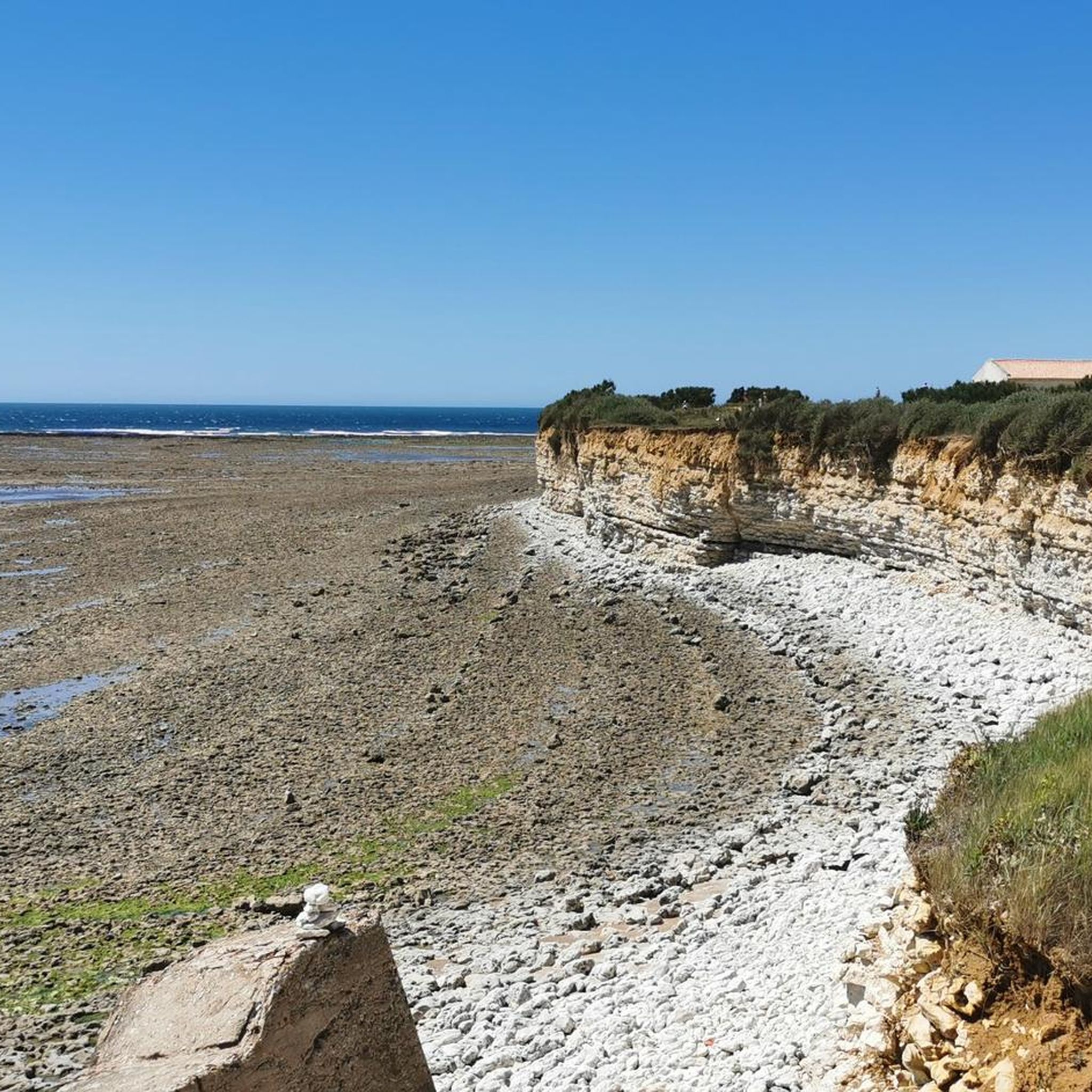
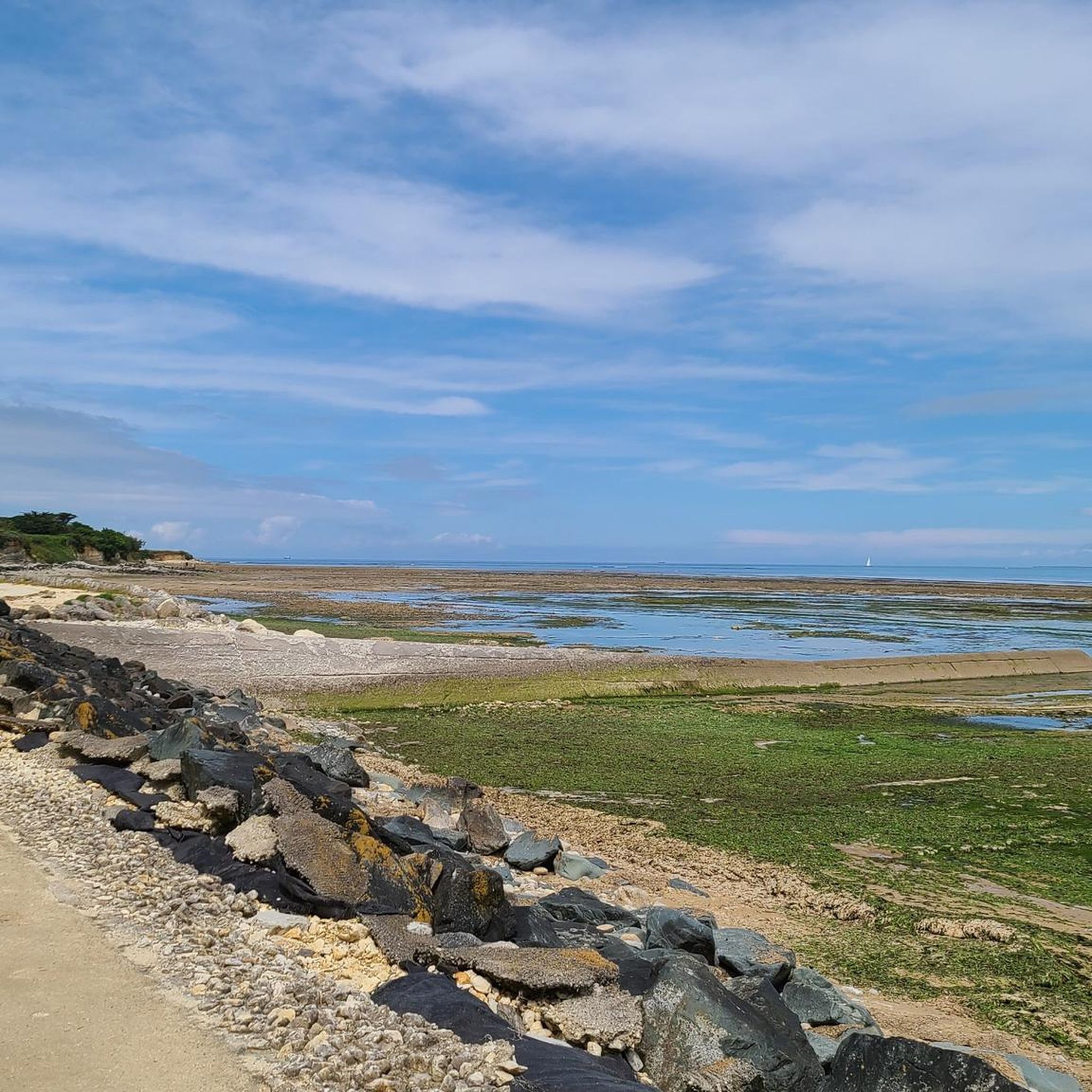
도헤 해협은 생 조르주 드 올레롱 코뮌에 위치하며, 오늘날에는 쾌적한 레저 항구이지만, 그 역사는 소금과 와인 무역과 밀접하게 연관되어 있습니다. 기원 19세기까지 이 지역의 생산물(특히 소금 늪지대의 소금과 올레롱 와인)은 바다로 운반하기 어려웠습니다. 이를 해결하기 위해 1840년대에 대규모 공사가 시작되었습니다. 생 조르주 드 올레롱과 대서양 사이에 3km 이상의 수로가 파여 도헤의 새로운 항구로 이어졌습니다. 활발한 상업 항구 이 항구는 빠르게 수출 중심지가 되었습니다: * 바지선이 소금과 와인 통을 싣습니다. * 배들은 또한 건축 자재와 섬으로 향하는 다양한 상품을 가져옵니다. 1870년대에는 연간 약 400척의 선박이 드나들었고, 수천 톤의 상품이 수입 및 수출되었습니다. 쇠퇴 19세기 말, 여러 요인으로 인해 쇠퇴하게 되었습니다: * 염전의 점진적인 포기; * 도로 개선과 섬으로의 트램 도착; * 수로의 정기적인 퇴적. 제1차 세계 대전 이후, 수로는 거의 완전히 퇴적되어 상업 교통이 점차 사라졌습니다. 부활 1980년대 말, 항구는 완전히 재활성화되어 레저 항구로 변모했습니다. 오늘날 약 350~400척의 보트가 있으며 올레롱 섬의 주요 레저 항구 중 하나입니다. 말콩슈 만에 위치하여 포 보야르와 일 드렉스의 멋진 전망을 제공합니다. 비록 마을까지 항해가 불가능하지만, 오래된 수로는 여전히 오래된 소금 늪지대에 바닷물을 공급하고 있으며 오늘날에는 도보나 자전거 산책로로 이용됩니다. 이곳은 올레롱의 해양 과거의 흔적을 여전히 풍경에서 읽을 수 있는 곳입니다. 부두, 다리, 수로 및 오래된 수력 구조물은 소금이 섬의 주요 자원이었던 시대를 증언합니다.
0
0


Enjoy cycling in this remarkable dune forest, covering almost 700 hectares. It's the result of a large-scale reforestation campaign in the 19th century, aimed at halting the dune advance, which was gradually encroaching on villages.
1
0

The port of Douhet is essentially the mouth of the Douhet Canal. There are several nice restaurants nearby.
1
0
After approximately 100 years of inactivity, the former "Moulin de la Faintaine" was not only repurchased and restored by the town and municipality, but was even put back into operation. Today, it also houses a museum where you can learn about the mill's workings, for example, and sample products made with the flour produced here. https://moulin-de-la-bree.fr/
2
0

After 224 steps you can enjoy a wonderful panoramic view of the island
1
0

Oléron Island has been nicknamed "the island of a hundred mills", but this one is one of the only ones that is still well preserved. The site includes the production mill and a museum. Back in operation since June 2023, the mill is intended for the production of flour.
1
0


더 살펴보기
찾고 있는 하이라이트를 아직 못 찾으셨나요? 다른 지역의 주요 명소 가이드를 확인해보세요:
