9의 자제누일가지 명소 & 주요 장소
자제누일에는 둘러볼 만한 장소가 많답니다. 하이킹 또는 사이클링을 좋아한다면 자제누일에 숨겨진 9
가지 보석을 만날 수 있을 거예요. 이 지역의 주요 명소를 살펴보면서 다음 모험을 계획해보세요.
마지막 업데이트: 8월 23, 2026
갈로-로마 시대 프렐레 수로
하이라이트 • 기념물
번역자 Google •
팁에 의해

노트르담 생-쥬니앵 교회
하이라이트 • 기타
번역자 Google •
팁에 의해
이런 장소를 발견하려면 지금 가입하세요
최고의 싱글 트랙, 봉우리 및 다양한 흥미로운 야외 장소에 대한 추천을 받아보세요.
무료 회원 가입
아바이 노트르담 뒤 팽
하이라이트 • 종교적 장소
번역자 Google •
팁에 의해


시토회 수도원과 보이브르 강 위의 다리
하이라이트 • 기타
번역자 Google •
팁에 의해
무료로 가입하여 자제누일 주변의 더 많은 명소를 발견하세요.
무료 회원 가입
이미 komoot 계정이 있나요?
오늘 무료 계정으로 시작하세요
다음 모험이 기다리고 있어요.
로그인 또는 가입하기




커뮤니티 팁

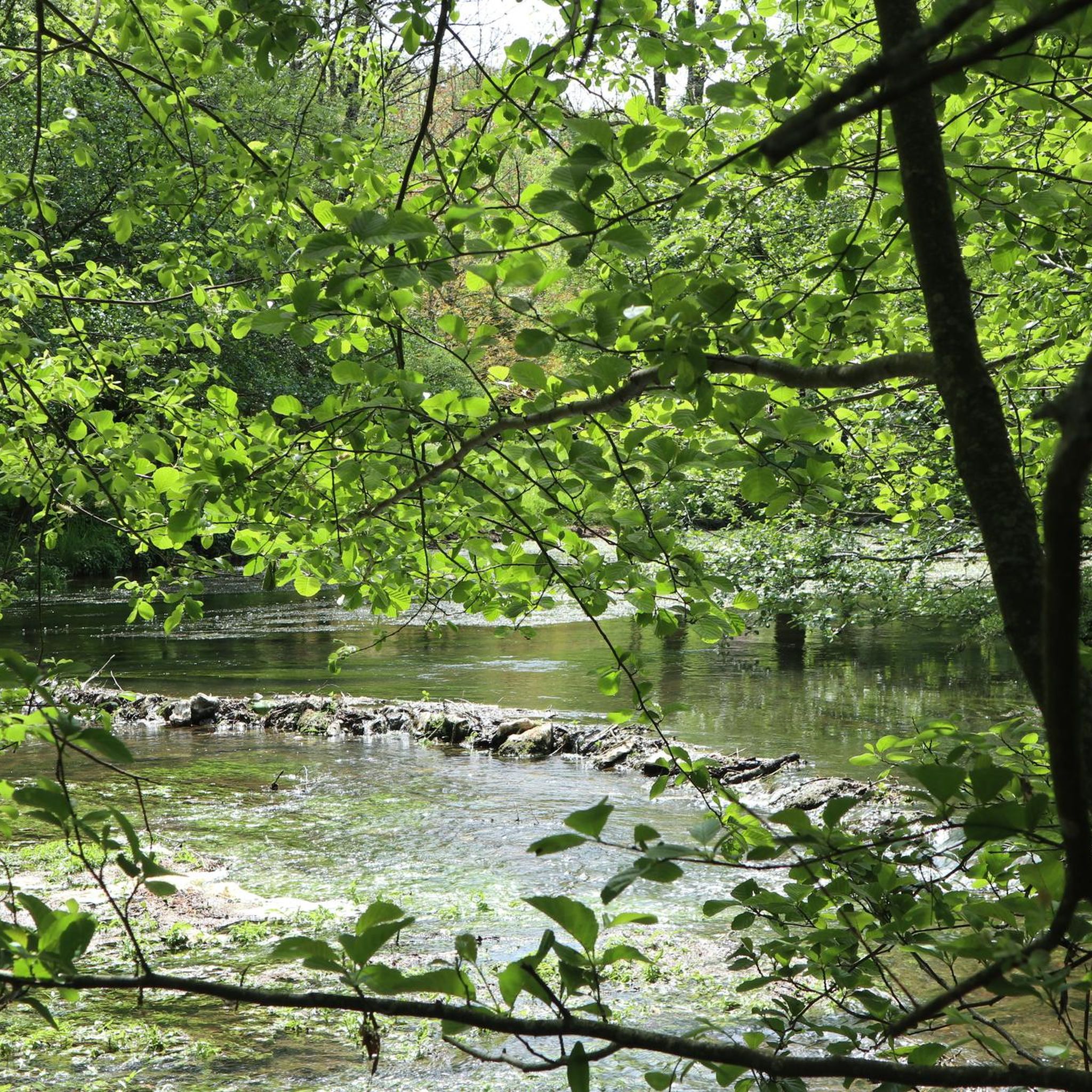
There were two reasons why the ancient Roman Empire laid the necessary underground pipes for the water supply to cities, and why later centuries followed this method of construction: firstly, there was no sunlight that would have caused the precious liquid to evaporate; and secondly, the water was protected from any kind of pollution (even if it was just the leaves from the trees in autumn).
0
0

Remains of this aqueduct near Béruges which is worth a visit, be careful it is steep after the aqueduct.
1
0
The aqueduct, or what remains of it, can be seen on a hiking trail very close to the old town.
1
0
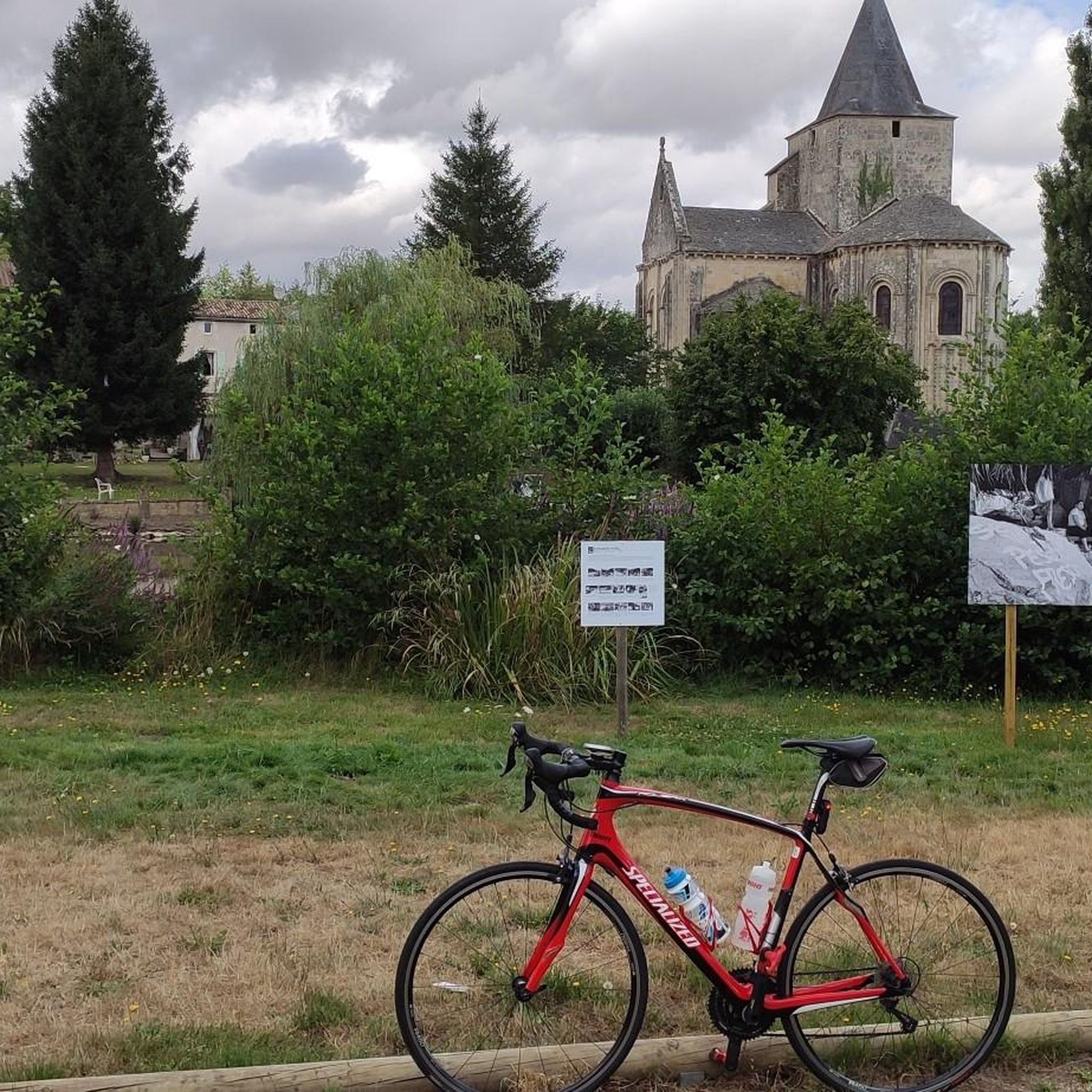
View of the Cistercian abbey, right next to the bridge over the Boivre. The abbey cannot be visited.
1
0
Using the power of moving water to drive a mill wheel is an ancient invention that dates back to pre-Christian times. Thanks to such a construction, human or animal muscle power could easily be replaced by a watercourse - natural or artificial - in order, for example, to grind grains into grain. There are essentially two different ways to drive water mills: either the water simply hits the blades of the water wheel from below to set it in motion; or the water flow is guided above the wheel and falls onto the blades, with this design there is greater efficiency due to natural gravity.
0
0


Built in 1881, this aqueduct spans the Torchaise stream near Bourgversé. It still provides around 40% of the drinking water for the city of Poitiers today. There are remains of the old Gallo-Roman aqueduct of Fleury. Built around the 2nd century, it was 25 kilometers long and almost entirely underground.
2
0
Built in 1881, this aqueduct spans the Torchaise stream near Bourgversé. It still provides around 40% of the drinking water for the city of Poitiers today. There are remains of the old Gallo-Roman aqueduct of Fleury. It was built around the 2nd century and was 25 kilometers long, almost entirely underground.
3
0


더 살펴보기
찾고 있는 하이라이트를 아직 못 찾으셨나요? 다른 지역의 주요 명소 가이드를 확인해보세요:
