라 기요니에르 최고의 사이클링 경로
4.3
(257)
1,489
자전거 타는 사람
283
라이딩
라 기요니에르 최고의 사이클링 경로를 따라 지역을 둘러볼까요? 라 기요니에르에서 가장 멋진 자전거 라이딩 장소 중에서 가장 마음에 드는 라이딩을 선택해보세요.
마지막 업데이트: 9월 8, 2026
3.8
(4)
9
자전거 타는 사람
29.2km
01:47
150m
150m
초급용 자전거 라이딩. 모든 체력 수준에 적합. 대부분 포장된 지면. 실력과 관계없이 누구나 갈 수 있음.
72.3km
04:20
330m
330m
보통 자전거 타기. 좋은 체력 필요. 투어 중 라이딩하기 어려운 비포장 구간이 있을 수 있음.

5.0
(1)
33
자전거 타는 사람
38.8km
03:04
290m
290m
보통 자전거 타기. 좋은 체력 필요. 대부분 포장된 지면. 실력과 관계없이 누구나 갈 수 있음.
5.0
(1)
28
자전거 타는 사람
52.1km
03:57
370m
370m
보통 자전거 타기. 좋은 체력 필요. 대부분 포장된 지면. 실력과 관계없이 누구나 갈 수 있음.
3.0
(3)
9
자전거 타는 사람
17.9km
01:19
110m
110m
어려운 자전거 타기. 모든 체력 수준에 적합. 투어 중 자전거를 끌고 가야 하는 구간이 있을 수 있음.
더 다양한 경로와 다른 탐험가들의 추천을 살펴보세요.
이미 komoot 계정이 있나요?
투어 추천은 다른 사람들이 komoot에서 완료한 수천 개의 활동을 바탕으로 구성되어 있습니다.
오늘 무료 계정으로 시작하세요
다음 모험이 기다리고 있어요.

커뮤니티 팁


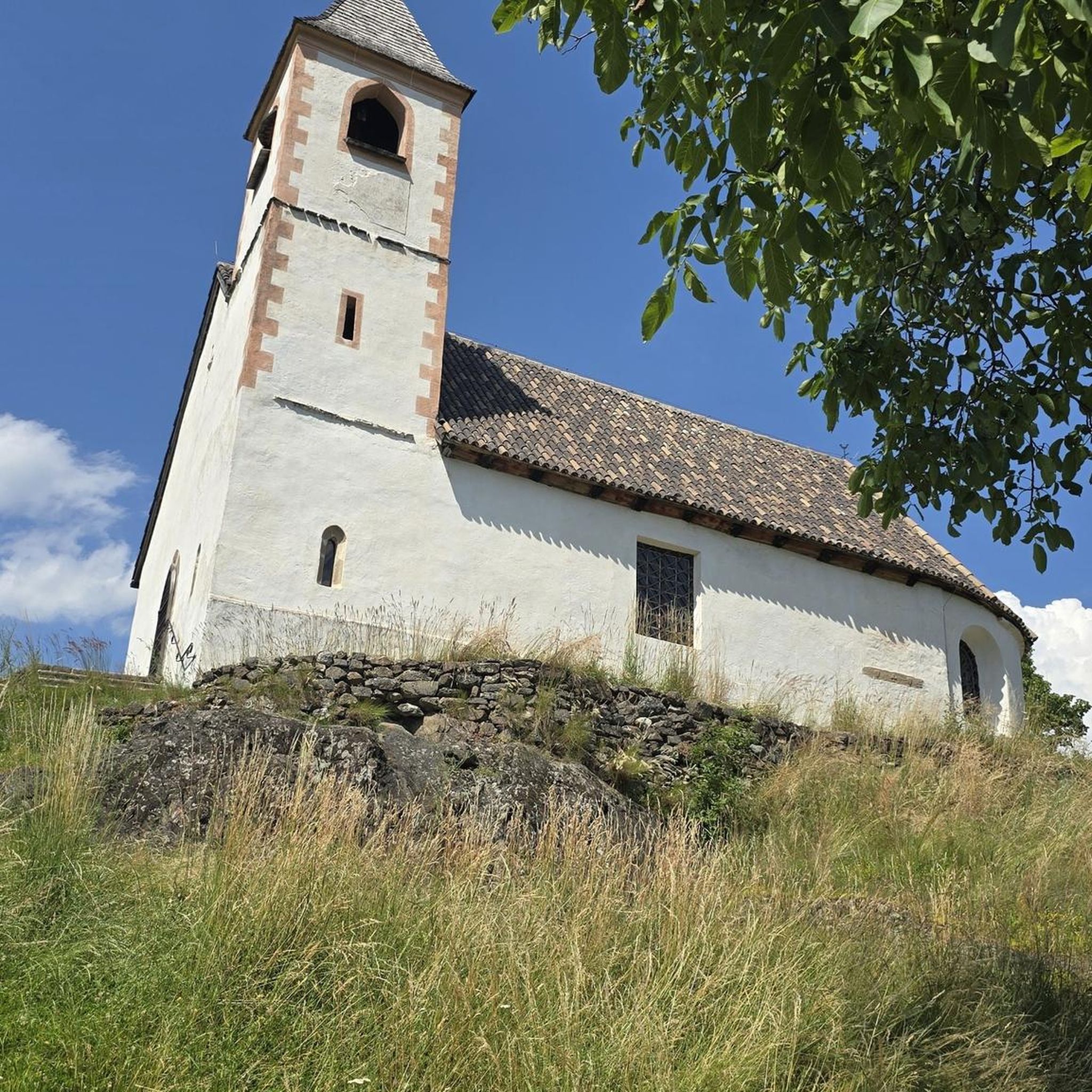
It's a shame the tree is dead, but the chapel is still as amazing as ever.
0
0

A lovely restaurant with outdoor seating overlooking the water. It's ideal for a relaxing break, with food and drinks available.
0
0

Clisson Castle has quite a story to tell: first an impregnable fortress overlooking the Sèvre, then a ducal residence, and finally a romantic ruin. In the 12th century, the powerful lordship of Clisson built this stone castle with highly elaborate defensive architectural systems: arrow slits, gun ports, and slits. A strategic point protecting the border of the Duchy of Brittany in the 15th century, it was abandoned by its owners from the second half of the 17th century onward before being burned down by Republican troops in 1793. But, beyond its grand history, this castle also has a more historic significance! In 1807, François-Frédéric Lemot, creator of the Garenne Lemot estate (a picturesque landscape located on the other side of the river), was captivated by these ruins and purchased it to turn it into an ornamental factory. The château was declared a historic monument in 1924, before being acquired by the Loire-Atlantique department in 1962. Today, visitors can visit it, take a guided tour, or simply experience its history. A stop on the Journey through the Vineyard, it's a stopover during the wine tourism tour of Nantes' wine country, featuring natural sites, heritage features, characterful villages, and unique cellars.
1
0
The unmissable annual event for extreme music in France. Founded in 2006 and based in the small town of Clisson for 13 years, Hellfest has established itself as one of the leading European festivals offering extreme music. A veritable marathon of hardcore, punk, grind, death metal, and trash, accessible just a few minutes from Nantes by train. More than 160 artists from all over the world perform on six stages for four days of fury! Every June, Clisson becomes the international center of metal culture, attracting more than 100,000 festival-goers to a dedicated venue. In 2014, the Hellfest Festival presented "its" town with a symbolic guitar over 10 meters high (the work of artist J.-F. Buisson), comfortably installed on the Looksor roundabout near the grounds, which welcome more than 100,000 festival-goers each year. Visible from the road, we can see the permanent installations emblematic of the metal aesthetic
0
0
Located east of the Parc des Remparts, the first part of the Val d'Asson Park opened in September 2020. The second part will open in July 2023. In total, it covers 5 hectares of greenery in the heart of the city. Located in the city center, parking is available at Place de l'Hôtel-de-Ville or Rue du Pont-Jarlet. Admission is free and the park is open year-round. The various paths and footbridges are accessible to people with reduced mobility. The 5 hectares of parkland connect the city center with the Hauts de Montaigu district. Crossed by the Asson River, the park features a variety of vegetation that grows along the stream's banks. When it was created, the preservation of flora and fauna was a major objective. An eco-grazing area was created there.
0
0
The Church of Saint-Jean-Baptiste is Gothic in style and features an imposing façade. It is built of stone and features ornate carved details. The façade features a richly decorated main portal, adorned with statues, reliefs, or architectural motifs. Inside the church, you will find a spacious, vaulted main nave supported by pillars or columns. The vaults feature decorative star and ribbed motifs typical of Gothic architecture. Restored over a period of five years, the interior of the building now reveals warm colors ranging from yellow to pinkish-red. Colored stained-glass windows are also a characteristic feature of Gothic churches, and the Church of Saint-Jean-Baptiste has magnificent stained-glass windows depicting biblical scenes and saints. In summary, the Church of Saint-Jean-Baptiste in Montaigu is an example of Gothic architecture with an imposing façade and decorative elements. It houses side chapels, a choir, a main altar, and colorful stained-glass windows. In addition to its aesthetic appeal, it is also an active place of worship and a significant historical landmark for the local community. The Church of Saint John the Baptist in Montaigu has a rich history dating back several centuries. Here is a brief overview of its history: The original church in Montaigu was built in the 11th century, but little information is available about this early structure. Over the following centuries, the church underwent alterations and expansions, reflecting changing architectural styles. In the 14th century, the church was rebuilt in the Gothic style, with a spacious main nave, elegant vaults, and carved details. Construction was completed in the 15th century, giving the church its current appearance. During the French Revolution in the 18th century, the Church of Saint John the Baptist was used for secular purposes. It was converted into a community hall and suffered significant damage, including the destruction of decorative and religious elements. After the Revolution, the church was gradually restored and returned to worship. Repair and renovation work was undertaken to restore damaged architectural features. Over the years, modifications and improvements were made to the Church of Saint-Jean-Baptiste. Side chapels were added, stained-glass windows were installed, and religious ornaments were restored. Today, the Church of Saint-Jean-Baptiste is an active place of worship for the Catholic community of Montaigu. It is also a tourist and cultural attraction, attracting visitors with its Gothic architecture, stained-glass windows, and history. Religious events, ceremonies, and concerts are regularly held there.
0
0
. Originally, there was an ovoid-shaped enclosure flanked by about ten towers and a gatehouse, located to the northeast. The fortified town was located to the north of the fortress and extended a little to the east. A dry moat separated the fortified town from the fortress. A barbican protected the gatehouse. A Romanesque keep of the Niort type, with its courtyard and small enclosure, was located in the castle courtyard, roughly in the middle in the north-south direction and located to the west. The fortified city extended from the rue de Gaulle, a gate was located at the level of the Carré de l'Europe (the porte de Nantes), then the ramparts continued along the rue de la Place du Champ de Foire, then went back down the Esplanade des Olivettes, where a gate was located towards the roundabout of the rue des Jardins (porte de Tiffauges) then the ramparts ran along the Asson to go up the rue du Pont Jarlet and around the barbican not far from the Presbytery The dry moats surrounding the city were 16 meters deep in the 15th century, today they are flowered and are the subject of different colored squares decorating this part of the ramparts.
0
0
라 기요니에르 주변에서 가장 인기 있는 명소


더 살펴보기
다른 지역의 최고의 자전거 경로를 살펴보세요.
