라 기요니에르 최고의 워킹 & 하이킹 경로
4.5
(681)
2,813
등산객
174
하이킹
정확한 경로를 찾는 것이 때로는 어렵지만 라 기요니에르에서 하이킹을 하면 다양한 경치를 마음껏 감상할 수 있답니다. 라 기요니에르에서 가장 멋진 하이킹과 워킹 중에서 마음에 드는 활동을 시작해보세요.
마지막 업데이트: 9월 8, 2026
4.0
(11)
33
등산객
15.1km
03:57
110m
110m
보통 하이킹. 좋은 체력 필요. 실력과 관계없이 누구나 쉽게 갈 수 있는 길.
4.3
(4)
16
등산객
5.38km
01:22
10m
10m
초급용 하이킹. 모든 체력 수준에 적합. 실력과 관계없이 누구나 쉽게 갈 수 있는 길.

3.5
(2)
9
등산객
10.3km
02:38
40m
40m
보통 하이킹. 좋은 체력 필요. 실력과 관계없이 누구나 쉽게 갈 수 있는 길.
2
등산객
6.84km
01:45
20m
20m
초급용 하이킹. 모든 체력 수준에 적합. 실력과 관계없이 누구나 쉽게 갈 수 있는 길.
3.0
(1)
2
등산객
4.09km
01:04
30m
30m
초급용 하이킹. 모든 체력 수준에 적합. 실력과 관계없이 누구나 쉽게 갈 수 있는 길.
더 다양한 경로와 다른 탐험가들의 추천을 살펴보세요.
이미 komoot 계정이 있나요?
투어 추천은 다른 사람들이 komoot에서 완료한 수천 개의 활동을 바탕으로 구성되어 있습니다.
오늘 무료 계정으로 시작하세요
다음 모험이 기다리고 있어요.

커뮤니티 팁

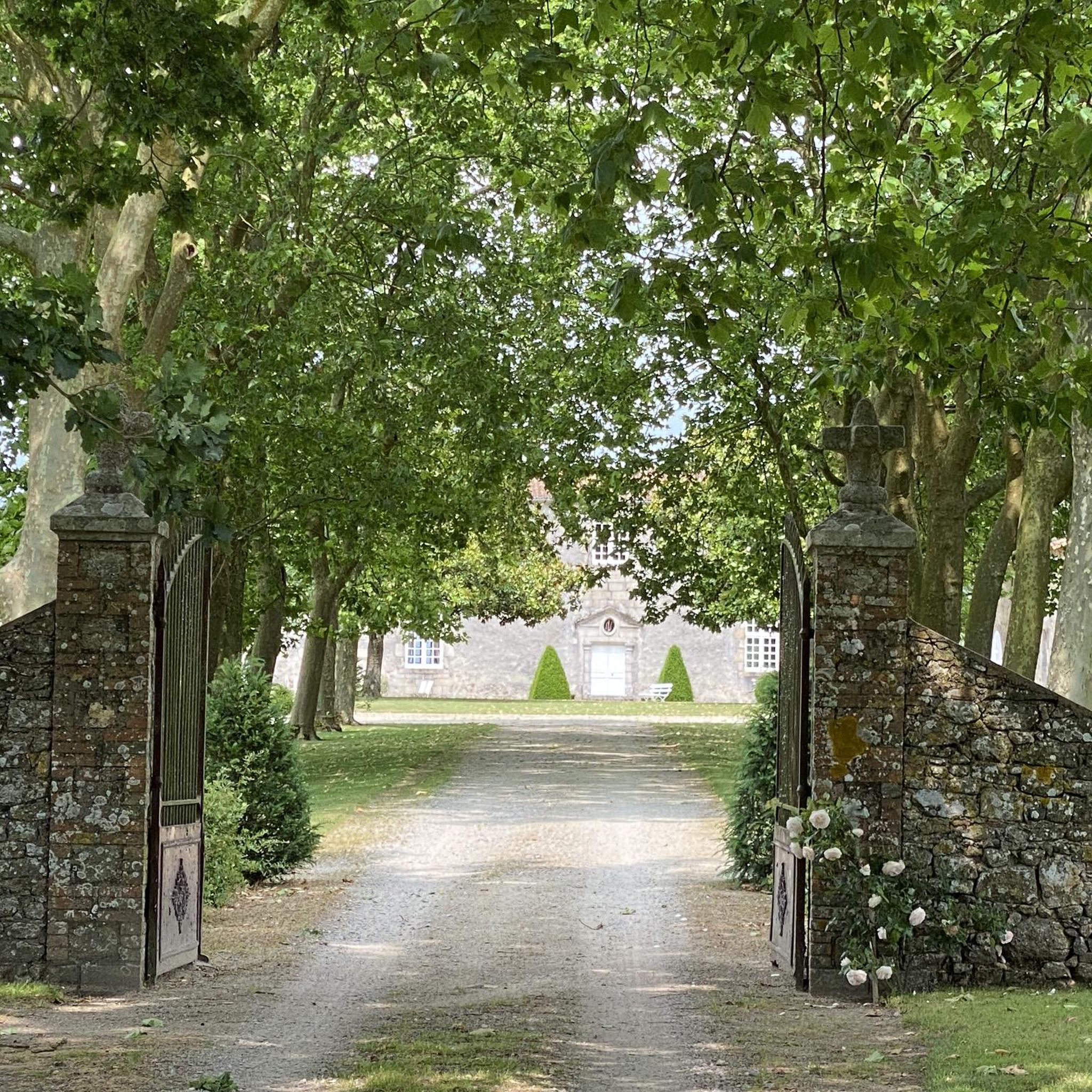
A beautifully restored old watermill, in the heart of a beautiful natural site.
0
0
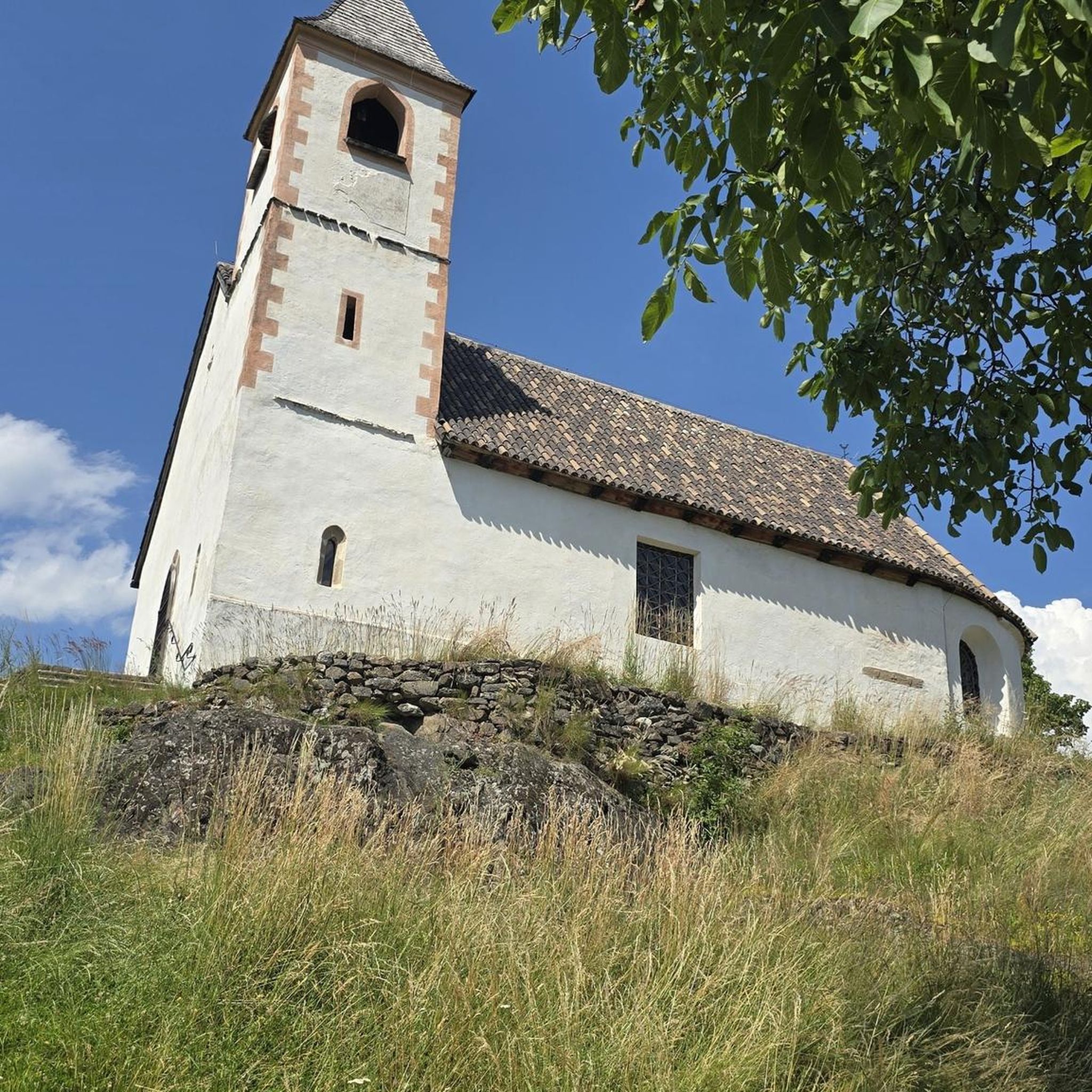
19th century church whose unfinished bell tower was topped with a slate spire which clashes a little - a lot - with the rest of the monument.
0
0

The River House is a preserved natural setting spanning over 10 hectares where art and nature blend together. Imagine a river and its watermill, surrounded by 10 hectares of nature... Boat trips on the Grande Maine, family treasure hunts, twilight strolls, onboard drinks, and an art exhibition with free access on the shaded banks and in the old mill.
0
0
Located east of the Parc des Remparts, the first part of the Val d'Asson Park opened in September 2020. The second part will open in July 2023. In total, it covers 5 hectares of greenery in the heart of the city. Located in the city center, parking is available at Place de l'Hôtel-de-Ville or Rue du Pont-Jarlet. Admission is free and the park is open year-round. The various paths and footbridges are accessible to people with reduced mobility. The 5 hectares of parkland connect the city center with the Hauts de Montaigu district. Crossed by the Asson River, the park features a variety of vegetation that grows along the stream's banks. When it was created, the preservation of flora and fauna was a major objective. An eco-grazing area was created there.
0
0
The Church of Saint-Jean-Baptiste is Gothic in style and features an imposing façade. It is built of stone and features ornate carved details. The façade features a richly decorated main portal, adorned with statues, reliefs, or architectural motifs. Inside the church, you will find a spacious, vaulted main nave supported by pillars or columns. The vaults feature decorative star and ribbed motifs typical of Gothic architecture. Restored over a period of five years, the interior of the building now reveals warm colors ranging from yellow to pinkish-red. Colored stained-glass windows are also a characteristic feature of Gothic churches, and the Church of Saint-Jean-Baptiste has magnificent stained-glass windows depicting biblical scenes and saints. In summary, the Church of Saint-Jean-Baptiste in Montaigu is an example of Gothic architecture with an imposing façade and decorative elements. It houses side chapels, a choir, a main altar, and colorful stained-glass windows. In addition to its aesthetic appeal, it is also an active place of worship and a significant historical landmark for the local community. The Church of Saint John the Baptist in Montaigu has a rich history dating back several centuries. Here is a brief overview of its history: The original church in Montaigu was built in the 11th century, but little information is available about this early structure. Over the following centuries, the church underwent alterations and expansions, reflecting changing architectural styles. In the 14th century, the church was rebuilt in the Gothic style, with a spacious main nave, elegant vaults, and carved details. Construction was completed in the 15th century, giving the church its current appearance. During the French Revolution in the 18th century, the Church of Saint John the Baptist was used for secular purposes. It was converted into a community hall and suffered significant damage, including the destruction of decorative and religious elements. After the Revolution, the church was gradually restored and returned to worship. Repair and renovation work was undertaken to restore damaged architectural features. Over the years, modifications and improvements were made to the Church of Saint-Jean-Baptiste. Side chapels were added, stained-glass windows were installed, and religious ornaments were restored. Today, the Church of Saint-Jean-Baptiste is an active place of worship for the Catholic community of Montaigu. It is also a tourist and cultural attraction, attracting visitors with its Gothic architecture, stained-glass windows, and history. Religious events, ceremonies, and concerts are regularly held there.
0
0
. Originally, there was an ovoid-shaped enclosure flanked by about ten towers and a gatehouse, located to the northeast. The fortified town was located to the north of the fortress and extended a little to the east. A dry moat separated the fortified town from the fortress. A barbican protected the gatehouse. A Romanesque keep of the Niort type, with its courtyard and small enclosure, was located in the castle courtyard, roughly in the middle in the north-south direction and located to the west. The fortified city extended from the rue de Gaulle, a gate was located at the level of the Carré de l'Europe (the porte de Nantes), then the ramparts continued along the rue de la Place du Champ de Foire, then went back down the Esplanade des Olivettes, where a gate was located towards the roundabout of the rue des Jardins (porte de Tiffauges) then the ramparts ran along the Asson to go up the rue du Pont Jarlet and around the barbican not far from the Presbytery The dry moats surrounding the city were 16 meters deep in the 15th century, today they are flowered and are the subject of different colored squares decorating this part of the ramparts.
0
0
. Originally, there was an ovoid-shaped enclosure flanked by about ten towers and a gatehouse, located to the northeast. The fortified town was located to the north of the fortress and extended a little to the east. A dry moat separated the fortified town from the fortress. A barbican protected the gatehouse. A Romanesque keep of the Niort type, with its courtyard and small enclosure, was located in the castle courtyard, roughly in the middle in the north-south direction and located to the west. The fortified city extended from Rue de Gaulle, with a gate located at the Carré de l'Europe (the Porte de Nantes). The ramparts then continued to Rue de la Place du Champ de Foire, then descended to the Esplanade des Olivettes, where a gate was located near the roundabout on Rue des Jardins (Porte de Tiffauges). The ramparts then ran along the Asson River, up Rue du Pont Jarlet and around the barbican not far from the Presbytery. The dry moats surrounding the city were 16 meters deep in the 15th century.
0
0
In the 9th century, a castrum, a wooden castle built on a mound of earth, was built to counter the Viking raids that had previously sacked the city of Durivum (Saint-Georges-de-Montaigu). For strategic reasons, this fortress was built on a rocky spur at the junction between the Maine and Asson rivers. Maurice I of Montaigu, the first known lord, witnessed the consecration of the church of Saint-Nicolas de la Chaize-le-Vicomte in 1099. His successor until 1174 was Brient I of Commequiers, married to his daughter, Agathe de Montaigu. Later, his grandchildren, Brient II, Maurice II "the Younger," and Marguerite, succeeded him. It was perhaps this Brient II who had the Romanesque keep built in 1218, a large square tower with flat corner towers. He also removed the wooden palisade, replacing it with a wide moat extending to the Saint-Georges Gate. The Montagues (also known as Belleville by marriage around 1180) pledged allegiance to the Plantagenets, Henry II, Richard the Lionheart, and John Lackland. Margaret of Belleville-Montaigu, daughter of Brient de Montaigu and Agnes de Belleville, granddaughter of Maurice I de Montaigu, sister of Maurice II de Belleville-Montaigu, married Hugh of Thouars in 1203. In 1227, the couple submitted to Philip Augustus through the ceremony of homage. Hugh of Thouars died in 1229, and Margaret remarried in 1235 to the Duke of Brittany, Mauclerc, whose real name was Pierre de Dreux. Marguerite de Montaigu died in 1241, childless. The lordship of Montaigu fell to her nephew, Maurice III de Belleville-Montaigu (d. c. 1297; son of Maurice II). He became lord of Montaigu upon the death of Mauclerc in 1250[2], and his son Maurice IV (d. c. 1292) ensured the succession through his children Jeanne (d. 1284 Geoffroy II David de La Flocellière) and Maurice V de Belleville-Montaigu (he married 1° Sibylle, daughter of Geoffroy VI de Châteaubriant, then 2° Isabelle/Létice de Parthenay, daughter of Guillaume V Larchevêque de Parthenay). Jeanne de Belleville (c. 1300-c. 1359), daughter of Maurice V of Montaigu and Létice of Parthenay, married Olivier IV of Clisson for the second time in 1328. Olivier IV was executed by beheading after being suspected of "felony" against the English, during the Hundred Years' War. Jeanne became a privateer with her children Olivier V and Jeanne de Clisson, in revenge, and was banished from the kingdom of France. While she attacked French ships, the fortress of Montaigu was held by the English, according to the Treaty of Brétigny-Calais, a garrison of which engaged in pillaging the surrounding area. Jeanne lost her ship and withdrew with her children to England. Olivier V, having grown up, rallied to the king of France, recovered his property in 1362 and fought the English with Bertrand du Guesclin. In 1373, Olivier and Bertrand succeeded in driving the English out of Montaigu, and Olivier ceded the lordship to his sister Jeanne, who had married an English captain, Jean Harpedenne. The latter sided with the King of France in 1373 and became Jean de Belleville. His grandson, Jean III, married Charles VII's half-sister, Marguerite de Valois, in 1433. Louis I de Belleville succeeded Jean III. King Louis XI advised him to fortify the town between 1464 and 1468 to protect it from the Bretons.
0
0
라 기요니에르 주변에서 가장 인기 있는 명소


더 살펴보기
다른 지역의 최고의 하이킹를 살펴보세요.
