20의 생드니 뒤 파레가지 명소 & 주요 장소
생드니 뒤 파레에는 둘러볼 만한 장소가 많답니다. 하이킹 또는 사이클링을 좋아한다면 생드니 뒤 파레에 숨겨진 20
가지 보석을 만날 수 있을 거예요. 이 지역의 주요 명소를 살펴보면서 다음 모험을 계획해보세요.
마지막 업데이트: 9월 13, 2026


이런 장소를 발견하려면 지금 가입하세요
최고의 싱글 트랙, 봉우리 및 다양한 흥미로운 야외 장소에 대한 추천을 받아보세요.
La Belle Henriette의 말뚝 다리를 바라보는 전망
하이라이트 • 기타
팁에 의해

Passerelle du Lay
하이라이트 (구간) • 다리
번역자 Google •
팁에 의해

오늘 무료 계정으로 시작하세요
다음 모험이 기다리고 있어요.

커뮤니티 팁

The Tour de Moricq has always been surrounded by legends. It was once said that an underground passage would connect it to the Angles church. Also, strange signs engraved on the north facade are said to be a plan to find a treasure buried in its depths. According to tradition, it would be a golden chest which would only be accessible at the time of the Sanctus of Midnight Mass, at Christmas. According to another legend, the tower was built by fairies in a single night.
1
0

Classified as a Historic Monument in 1915. Originally a sentinel at the edge of the mainland, then a prison and finally a granary, the Moricq Tower has suffered greatly, throughout its history, from the repeated insults of time and men. For more information on visits: 02 51 97 56 39
0
0

The origins of the city of Luçon are linked to port activity dating back to the early Middle Ages, when the city was located on the edge of the Gulf of Pictons before the drying up of the Marais Poitevin. Luzon was then a fortified town, whose ramparts, protected by water moats, can be seen in the layout of the streets surrounding the town centre. Throughout the 19th century, the commercial activity of the port of Luçon with northern Europe in particular, which for a time even made it the third largest grain port in France, contributed to the enrichment of the city. This activity stopped in the 20th century with the silting of the canal which connected the city to the coast. But Luzon is best known for its religious status. From the 7th century, the foundation of a monastery which was destroyed by the Viking invasions made it the spiritual center of Bas-Poitou and the town became the seat of the bishopric in the 14th century. In 1608, a certain Armand Jean du Plessis was appointed Bishop of Luçon. Noting the sad state of the city ravaged during the Wars of Religion, he described the region as "the ugliest bishopric in France, the dirtiest and most disagreeable" (especially in order to justify his request for subsidies from the ecclesiastical authorities). endeavored from then on to reorganize the diocese which he left in 1623 to put himself at the service of the king, after a long ascent to the throne.This bishop of Luçon, with remarkable intellectual qualities, ended up becoming the principal Minister of Louis XIII, and remains known under the name of “Cardinal of Richelieu.” The history of the city remains intrinsically linked to the figure of Richelieu who officiated in this cathedral. Begun in 1091, the cathedral was initially in the Romanesque style. The portal of the north transept remains from this period. But for the most part, the building (the nave, the choir, the cloister) that we see now was rebuilt several times in the Gothic style. During the wars of religion, the church was repeatedly ransacked. The high openwork neo-Gothic spire is a splendid romantic fantasy according to 19th century taste. It peaks at 85 m and gives the cathedral the silhouette we know today. The city center of Luçon also offers other historical and religious monuments.
0
0

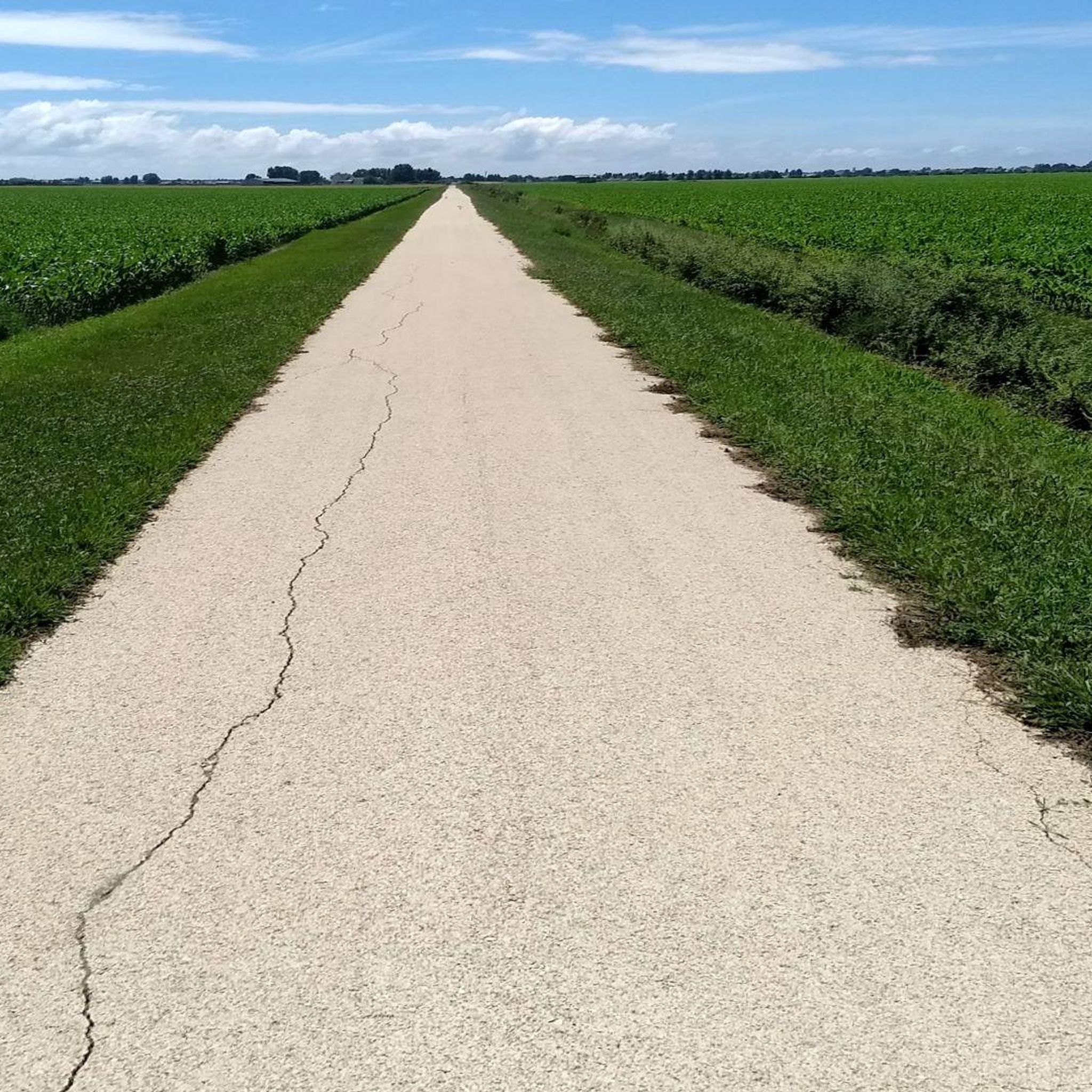
part of the course quite easily practicable. But beware of the wind from the marshes which can surprise you!!!
0
0

Impressive construction to get to the beach :-).
0
0

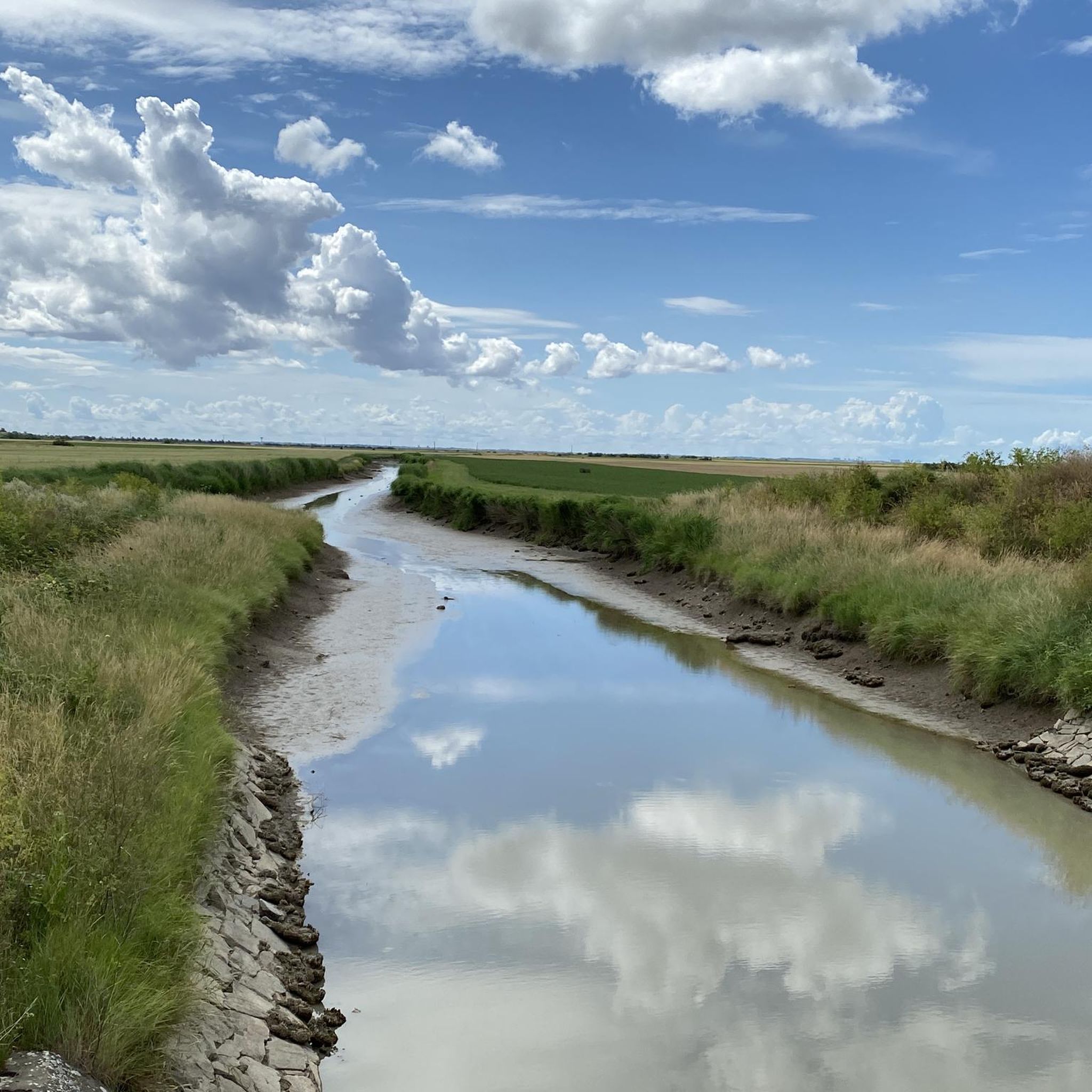
The gates are dikes, functioning as locks, in order to control the amount of water that is in the marsh, so as not to suffer from fluctuations associated with high and low tides.
1
1
This footbridge which spans the Lay to connect Aiguillon-Sur-Mer and La Faute-sur-Mer is now reserved for pedestrians and cyclists. It is also very popular with fishermen.
1
0

Beautiful beach, beautiful landscape, the footbridge connects the road to the beach to allow passage without destroying the flora and fauna, we can see the Ile de Ré opposite.
1
0


더 살펴보기
찾고 있는 하이라이트를 아직 못 찾으셨나요? 다른 지역의 주요 명소 가이드를 확인해보세요:
