사모로 최고의 워킹 & 하이킹 경로
4.6
(3535)
16,929
등산객
643
하이킹
정확한 경로를 찾는 것이 때로는 어렵지만 사모로에서 하이킹을 하면 다양한 경치를 마음껏 감상할 수 있답니다. 사모로에서 가장 멋진 하이킹과 워킹 중에서 마음에 드는 활동을 시작해보세요.
마지막 업데이트: 8월 19, 2026
4.7
(30)
82
등산객
15.9km
04:12
140m
140m
보통 하이킹. 좋은 체력 필요. 실력과 관계없이 누구나 쉽게 갈 수 있는 길.
5.0
(9)
67
등산객
8.90km
02:21
80m
80m
보통 하이킹. 좋은 체력 필요. 실력과 관계없이 누구나 쉽게 갈 수 있는 길.

무료 회원 가입
4.9
(7)
29
등산객
26.1km
06:47
170m
170m
어려운 하이킹. 우수한 체력 필요. 실력과 관계없이 누구나 쉽게 갈 수 있는 길.
5.0
(5)
28
등산객
21.5km
05:44
230m
230m
어려운 하이킹. 우수한 체력 필요. 실력과 관계없이 누구나 쉽게 갈 수 있는 길.
4.8
(11)
48
등산객
20.7km
05:27
180m
180m
어려운 하이킹. 우수한 체력 필요. 실력과 관계없이 누구나 쉽게 갈 수 있는 길.
더 다양한 경로와 다른 탐험가들의 추천을 살펴보세요.
무료 회원 가입
이미 komoot 계정이 있나요?
투어 추천은 다른 사람들이 komoot에서 완료한 수천 개의 활동을 바탕으로 구성되어 있습니다.
오늘 무료 계정으로 시작하세요
다음 모험이 기다리고 있어요.
로그인 또는 가입하기


커뮤니티 팁


이 인상적인 길 교차로의 기원은 17세기로 거슬러 올라가며, 프랑스 혁명 중을 포함하여 그 이후 여러 차례 파괴되었지만 그때마다 재건되었습니다. 십자가의 세로 기둥과 가로 기둥이 교차하는 교차점은 닫힌 원으로 디자인되었으며, 가로 기둥에는 „Croix de Calvaire“라는 비문이 새겨져 있습니다. 이 이름은 예루살렘 근처 골고다(아람어로, 라틴어에서 파생된 Calvaire와 마찬가지로 '해골의 장소'를 의미함)에서 예수 그리스도의 십자가 처형을 기념하는 칼바리 산을 가리킵니다.
2
0

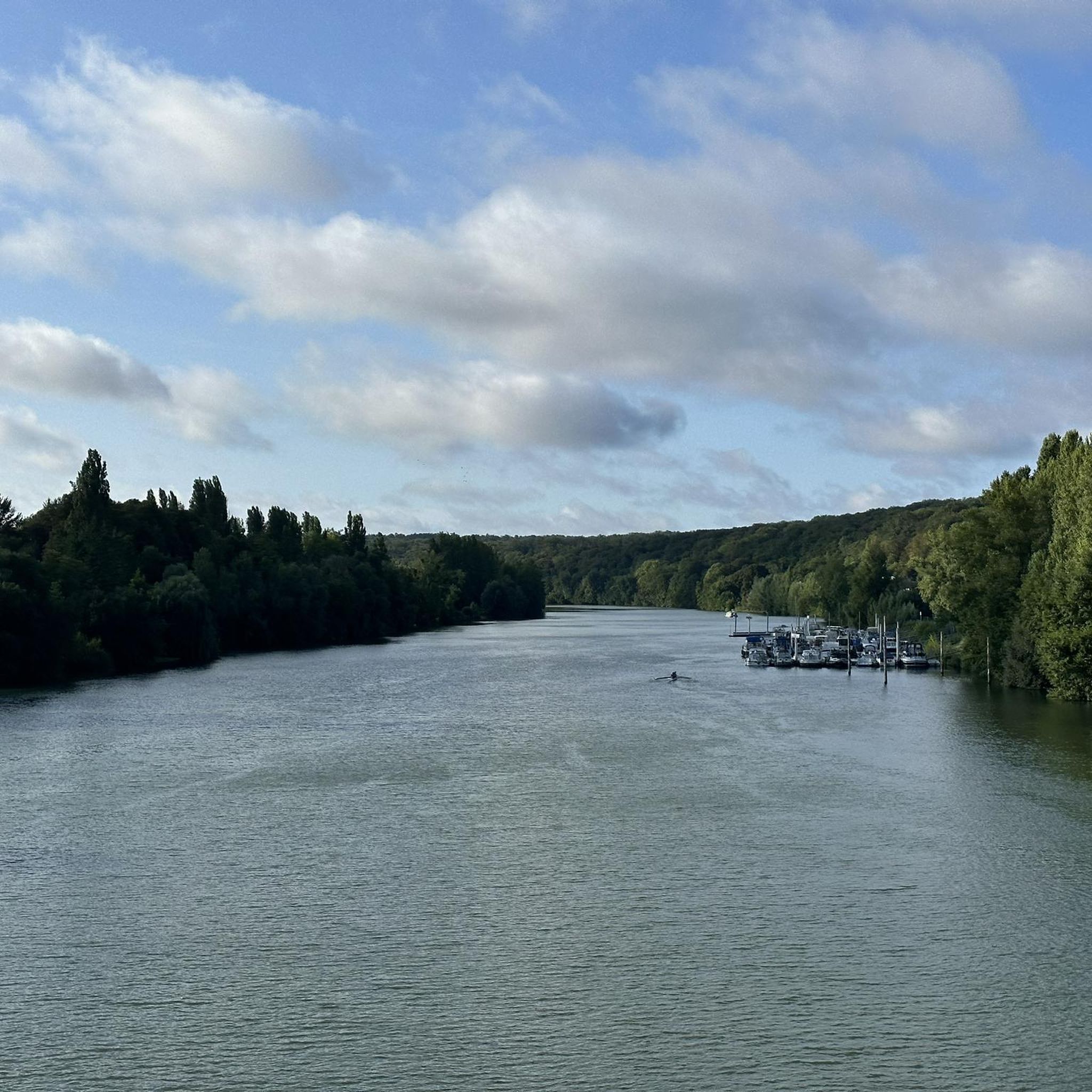
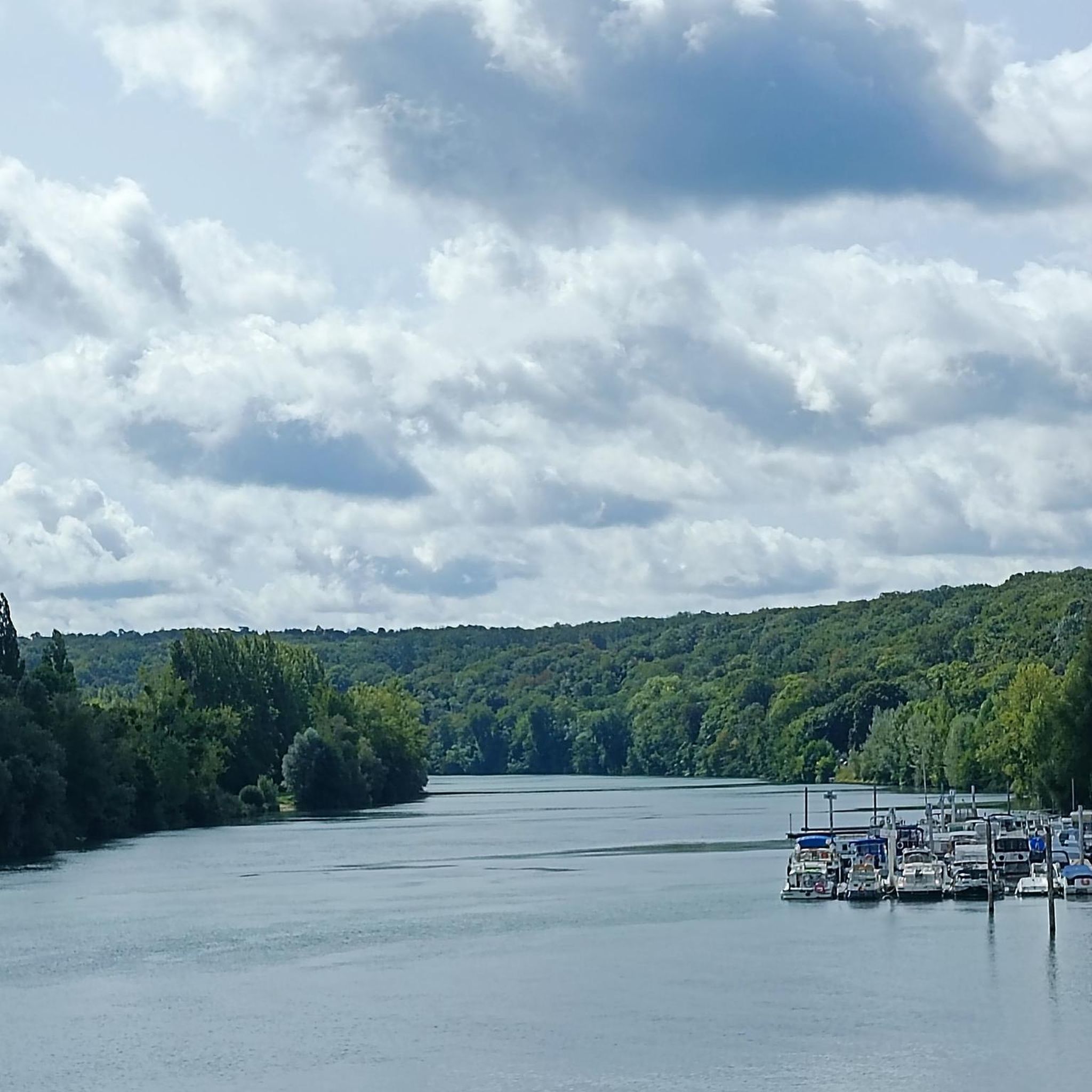
Footbridge which provides access to the Cradle Island from lower Bréau.
0
0
This villa became a historic monument in 2002.
0
0
The origins of this impressive crossroads are said to date back to the 17th century; since then it has been destroyed several times - including during the French Revolution - but has always been rebuilt. The crossing, i.e. the intersection of the longitudinal and cross beams of the cross, is designed as a closed circle; the cross beam bears the inscription "Croix de Calvaire". The name refers to Calvary, in memory of the crucifixion of Jesus Christ on Golgotha (this Aramaic word - like Calvaire, which is derived from Latin - means "place of the skull") near Jerusalem.
3
0

Samois was not on Thibaut de Champagne's itinerary. It seemed useful to me to leave this village to have a view of the hillside opposite Héricy-Vulaines-Samorau. We regret that the old Roman bridge between Samois-sur-Seine and Héricy no longer exists, Louis XVIII decides to rebuild one, between these two communes. Built from wood provided by the surrounding forests, its location further upstream of the village, near Samoreau, is more favorable thanks to a narrowing of the Seine. In 1811 work began, but it was only in 1825 that the first Valvins bridge was inaugurated. To be more solid and adapted to modern life, in 1866 the bridge was rebuilt as a metal structure. After the Second World War, the bridge, completely destroyed by the German army, was entirely rebuilt in reinforced concrete, wider and asphalted, to facilitate the ever-increasing traffic] (Wikipedia has shortened the history of this bridge: The army American having crossed the Seine on a boat bridge, a temporary bridge in metal structure with wooden floor then bitumen was rebuilt to replace the one destroyed by the Germans. The current concrete bridge dates from 1977). The plateau of La Brosse and Fontaineroux, which is part of the commune, has been inhabited since the Neolithic period but the village of Héricy has its origins in the warehouses built by the Senon nautes, opposite the port of Samois-sur-Seine, the most important between Sens and Lutetia. Under Louis between Melun and Montereau-Fault-Yonne. It has been said to be Roman, but in 1177 it was already there, flanked by its mills. It was probably in the 14th century that it was equipped with towers and that the city was surrounded by walls and moats. With its large fortified gates to the south and north, Héricy then had the title of town. She suffered greatly from the Hundred Years' War. There were battles there several times and it was occupied from 1419 to 1430. The first written mention of the name is villa Velcina. This refers to “villa”, a large farm with farm buildings. The villa is a Roman creation whose name was given to later foundations (from the 6th to the 12th century). In relation to the other surrounding villages or hamlets, Samoreau, Héricy and La Brosse in the 12th century and even Fontaineroux in 1279. All this means that a large Gallo-Roman or Merovingian property may have existed on the site of the village. Samoreau was already occupied during the Neolithic period: numerous cut flints (chisels, scrapers, drills, saws, etc.) testify that peoples were “attracted there by the river where they found both the water necessary for their needs and fish in these waters, game on these banks, finally the very raw material of their weapons and their tools, the precious flint. » In 1177 the abbey of Saint-Germain-des-Prés acquired part of the village territory. In 1520 François I bought the hillsides where he built the Château des Pressoirs du Roy. From 1592 to 1597, Henri IV stayed at the Pressoirs du Roy in the company of the beautiful Gabrielle d’Estrées. In 1679 the royal water coach was created between Paris and Valvins (the village closest to Samoreau, on the banks of the Seine).
0
0

legendary stop in the middle of the forest. Only trains departing from Gare de Lyon at 8:16 a.m. and 9:16 a.m. on weekends.
3
0

It is a shelter dug into the rock near the Croix du Calvaire. It is a perfect place to stop and refuel. The setting is impressive!
0
0
사모로 주변에서 가장 인기 있는 명소


더 살펴보기
다른 지역의 최고의 하이킹를 살펴보세요.
