빌생자크 최고의 워킹 & 하이킹 경로
4.4
(308)
1,598
등산객
162
하이킹
정확한 경로를 찾는 것이 때로는 어렵지만 빌생자크에서 하이킹을 하면 다양한 경치를 마음껏 감상할 수 있답니다. 빌생자크에서 가장 멋진 하이킹과 워킹 중에서 마음에 드는 활동을 시작해보세요.
마지막 업데이트: 8월 28, 2026
3.3
(4)
14
등산객
17.3km
04:35
170m
170m
보통 하이킹. 좋은 체력 필요. 실력과 관계없이 누구나 쉽게 갈 수 있는 길.
7
등산객
14.3km
03:50
170m
170m
보통 하이킹. 좋은 체력 필요. 실력과 관계없이 누구나 쉽게 갈 수 있는 길.

무료 회원 가입
3.0
(6)
17
등산객
8.48km
02:08
10m
10m
보통 하이킹. 좋은 체력 필요. 실력과 관계없이 누구나 쉽게 갈 수 있는 길.
4
등산객
4.81km
01:14
20m
20m
초급용 하이킹. 모든 체력 수준에 적합. 실력과 관계없이 누구나 쉽게 갈 수 있는 길.
10
등산객
16.9km
04:29
170m
170m
보통 하이킹. 좋은 체력 필요. 실력과 관계없이 누구나 쉽게 갈 수 있는 길.
더 다양한 경로와 다른 탐험가들의 추천을 살펴보세요.
무료 회원 가입
이미 komoot 계정이 있나요?
투어 추천은 다른 사람들이 komoot에서 완료한 수천 개의 활동을 바탕으로 구성되어 있습니다.
오늘 무료 계정으로 시작하세요
다음 모험이 기다리고 있어요.
로그인 또는 가입하기



커뮤니티 팁

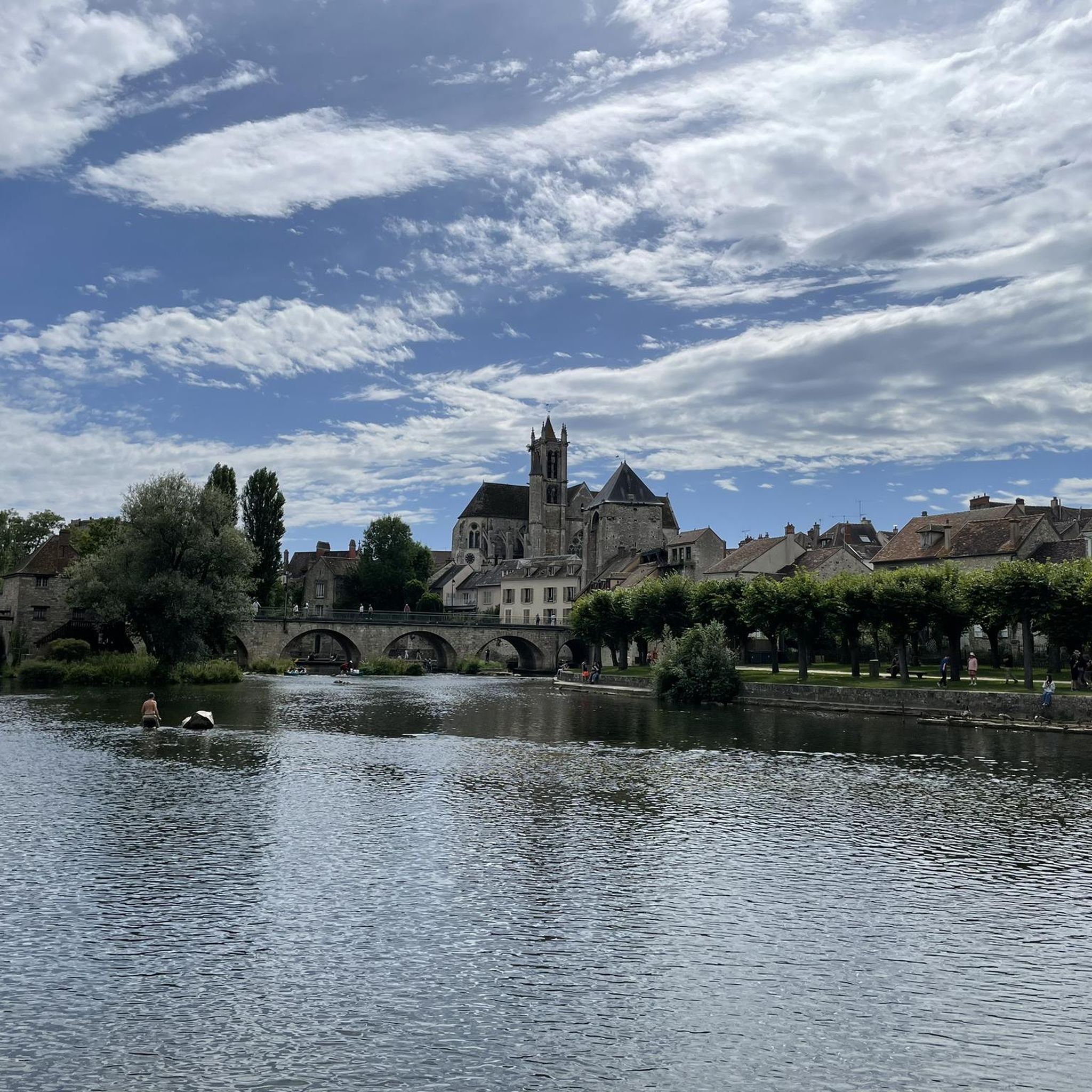
Crossed by the Orvanne. Picturesque bridges and wash houses.
0
0
Lookout post first built in the 12th century to defend the entrance to Gâtinais.
0
0


The Great Parish (Cella Sancti German Manea Parochiae) owes its original name to the Christian Latin Cella, which means hermitage and sometimes "small monastery" following groups of hermits from the Carolingian era. This commune was the favorite villa of the Merovingian leudes and took the name of Villam Cellas, became Cellae then Altare de Cellis in honor of Saint-Germain. Legend of Saint-Germain of Paris: "Childebert I fell ill in this place and was miraculously cured by the saint whom he had called. In gratitude, he gave him the lands forming today the parishes of Vernou, Machault and La Grande Parish. The Church was dedicated to him. Formerly a Priory". Great Parish The first meeting of Louis XV and Marie Leckzinska took place on the territory of the commune, on September 4, 1725. A red marble column was raised to commemorate the event. At the La Grande Paroisse cemetery, a gate surrounds the grave of Claudie Elie Montain Horeau, doctor to Empress Joséphine and Emperor Napoleon 1st, member of the Academy of Medicine, Knight of the Legion of Honor, died on February 11, 1841.
1
0

Flagy is an old fortified place. The village was built in the 12th century by order of Louis VII in 1130. On the edge of a royal domain, it is built according to a rectangular plan, as shown by the seven parallel streets leading to the river crossed by seven bridges or gateways. The course of the Orvanne has been diverted and developed to supply the village with water. The mill, built in the 13th century, still exists and is a good representation of the traditional regional architecture of the time. Besides the river, seven wells, one in each of the parallel streets, provided drinking water. There are still several of them, which were used until 1960. On Heritage Day, you can visit two underground entrances. A network of underground passages connected the food cellars which also served as refuges during invasions of the village by enemies. One can see in one of the underground passages some remains of ancient objects. A curiosity on the roof of the church, the weather vane has two symbols: a rooster, the usual symbol, and a pig's head, another symbol, a lasting memory of a local legend, transmitted orally. During the Hundred Years War, the terrible Black Death reached many villages in Île-de-France. Affected by the epidemic, the inhabitants of a neighboring village came to seek help in Flagy, where there was a hospital (Hôtel-Dieu). But the Flagiens energetically refused entry into the village to the sick. The poor people had to look elsewhere for a better welcome. It is said that the bishop, outraged by this attitude of refusal, this lack of compassion, inflicted a punishment on the Flagians. Since then a weather vane in the shape of a pig's head has been turning according to the winds on the roof of the church. Recently rediscovered in the "Favorite Village of the French" 2023, Flagy may not have won the crown, but remains a nice heritage to discover.
0
0


This wash house built in 1890 is fed directly from a very close source.
1
0
빌생자크 주변에서 가장 인기 있는 명소


더 살펴보기
다른 지역의 최고의 하이킹를 살펴보세요.
