능 쉬르 뵈브론 최고의 라이딩 경로
4.6
(7)
149
자전거 타는 사람
24
라이딩
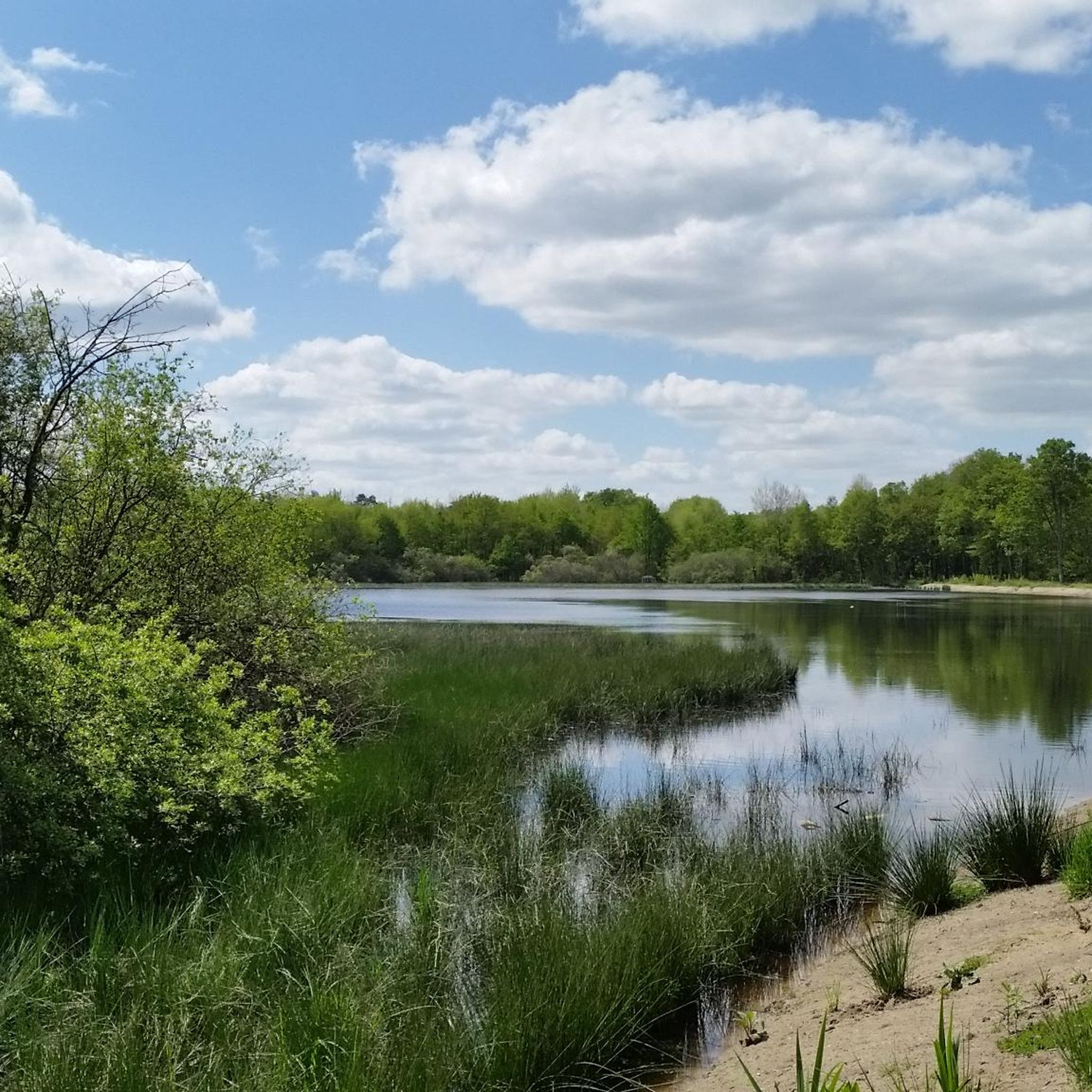
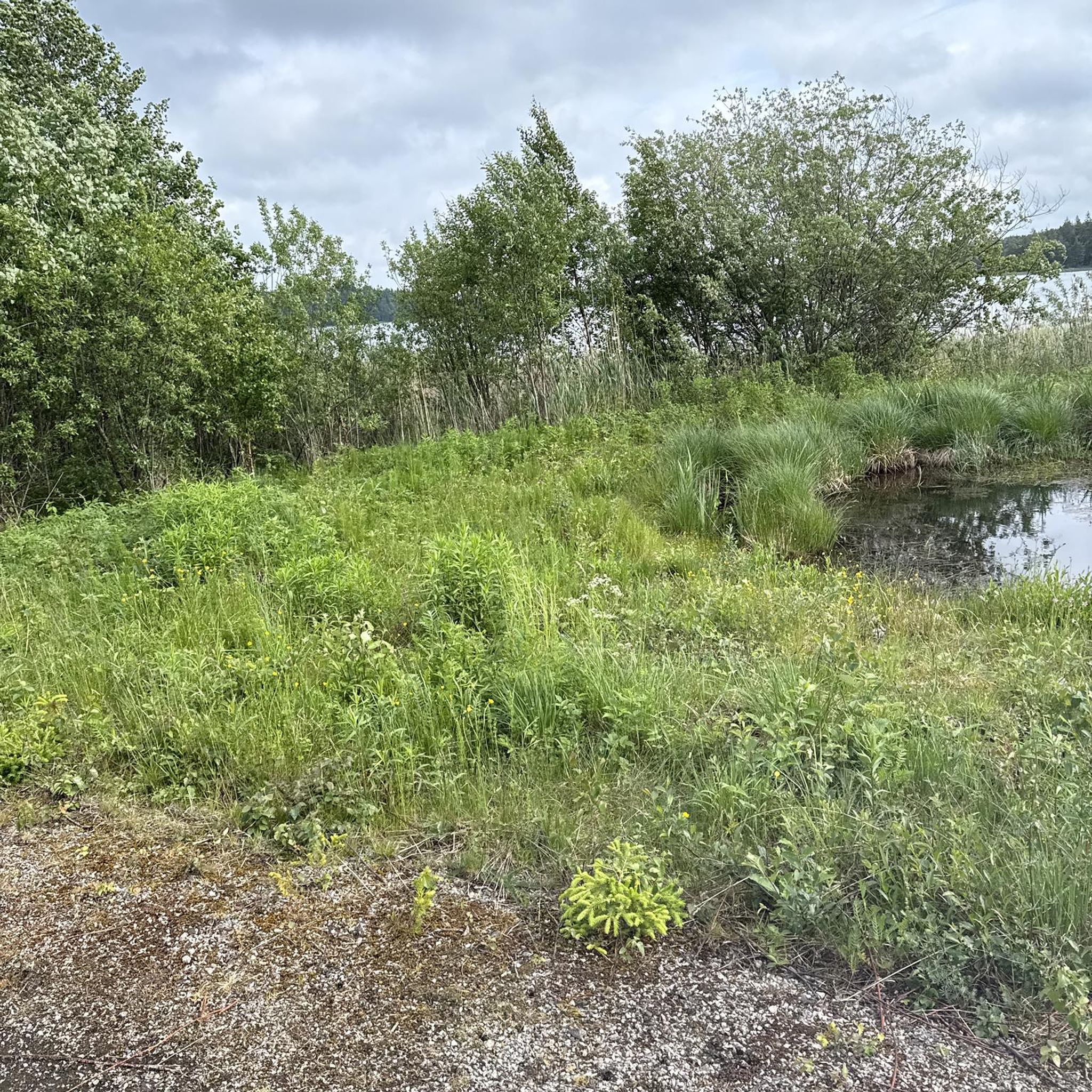
프랑스 솔론(Sologne) 지역에 위치한 뇌그-쉬르-브브롱(Neung-Sur-Beuvron) 주변의 로드 사이클링은 주로 평탄한 지형과 광활한 삼림 지대로 특징지어지는 풍경을 제공합니다. 이 지역은 약 3,000개의 연못 네트워크와 수많은 그늘진 길을 갖추고 있어 사이클리스트에게 다양한 경관을 선사합니다. 이러한 지형 덕분에 이 지역은 로드 사이클링에 매우 적합하며, 경로는 종종 숲을 통과하고 수로를 따라 이어집니다.
뇌그-쉬르-브브롱 주변 최고의 로드 사이클링 코스
- 가장 인기 있는 로드 사이클링 코스는 베르누-쉬르-솔론(Vernou-en-Sologne)에서 출발하는 45.7km(28.4마일) 길이의 슈베르니 성 – 브라시외 옛 시장 홀 루프로, 완료하는 데 1시간 44분이 소요됩니다. 이 코스는…
마지막 업데이트: 9월 11, 2026
15
자전거 타는 사람
46.3km
01:47
130m
130m
초급용 로드 라이딩. 모든 체력 수준에 적합. 지면 대부분이 잘 포장되어 있고 라이딩하기 쉬움.
10
자전거 타는 사람
83.9km
04:13
260m
260m
보통 도로 자전거 타기. 좋은 체력 필요. 투어 중 라이딩하기 어려운 비포장 구간이 있을 수 있음.

5.0
(2)
9
자전거 타는 사람
40.0km
01:33
140m
140m
초급용 로드 라이딩. 모든 체력 수준에 적합. 지면 대부분이 잘 포장되어 있고 라이딩하기 쉬움.
9
자전거 타는 사람
50.0km
01:55
140m
140m
초급용 로드 라이딩. 모든 체력 수준에 적합. 지면 대부분이 잘 포장되어 있고 라이딩하기 쉬움.
9
자전거 타는 사람
43.7km
01:42
140m
140m
초급용 로드 라이딩. 모든 체력 수준에 적합. 지면 대부분이 잘 포장되어 있고 라이딩하기 쉬움.
더 다양한 경로와 다른 탐험가들의 추천을 살펴보세요.
이미 komoot 계정이 있나요?
투어 추천은 다른 사람들이 komoot에서 완료한 수천 개의 활동을 바탕으로 구성되어 있습니다.
오늘 무료 계정으로 시작하세요
다음 모험이 기다리고 있어요.
커뮤니티 팁

1255명의 주민이 사는 솔로뉴 마을(INSEE 2022년 수치) 리니-르-리보(Ligny-le-Ribault)는 라 페르테-생-토뱅(La Ferté-Saint-Aubin)과 샹보르(Chambord) 사이에 솔로뉴 중심부에 위치해 있습니다. 파리에서 불과 1시간 30분 거리에 있는 리니-르-리보에서는 강렬한 순간들을 경험하실 수 있습니다…. 상인, 장인, 협회의 활기 덕분에 리니-르-리보는 살기 좋은 활기찬 마을이 되었습니다. 숲, 연못, 황무지, 히스 사이에서… 낚시, 사냥, 하이킹 또는 가을에 사슴의 울음소리를 듣기 위해, 저희 마을은 매력적인 발견을 선사합니다.
0
0
It's a beautiful castle, that's true, but in a state of disrepair...
0
0

The parish church, dedicated to Saint Stephen, belonged in the 13th century to the Abbey of Micy near Orléans. It was rebuilt at the end of the 15th and beginning of the 16th centuries. It consists of a long nave, 35 meters in length and over 9 meters wide, ending in a three-sided apse. Its walls, built of rubble and rendered brick, are reinforced by dressed stone buttresses. The cornice at the base of the roof and the window and door surrounds are also made of molded dressed stone. The double-lancet windows with trefoil topped by a figure-eight shaped bilobe are identical, except for those on the west facade and the central window, which are more elaborate, featuring three lancets while retaining the same molding. An addition was made at the beginning of the 16th century. On the north side stands an imposing seigneurial chapel and a massive bell tower with eight flat buttresses, two on each face, all built of brick. Ashlar is reserved for the buttresses of the bell tower and alternates with brick in the buttresses of the chapel; it is used for framing the openings, the windows, and the sloping sides of the chapel's gable. A lozenge-shaped decoration of black bricks on a background of pink bricks has been preserved on the lower level and on part of the gable of this chapel. The chapel was the only vaulted part of the church, undoubtedly financed by Jean or Claude d'Estampes, lord of La Ferté-Nabert. The rest of the building was covered by a panelled vault, the replacement of which with a false ribbed vault of plaster resulted in the disappearance of the tie beams and king posts and ruined the structural integrity of the roof frame. This artificial, cold, and superficial decoration of the upper sections deprives the interior of the interplay of tie beams and king posts. These, in their rhythm, corresponded to the lateral openings and reflected the robust structure of the timber frame that protected the building. A comprehensive restoration is planned. Initially, for the north chapel—masonry, roofing, and timber frame—the French Heritage Society (Sauvegarde de l’Art français) provided €30,490 in 2001.
0
0
The Church of Saint-Martin is a modest building, but representative of the Sologne region. It consists of a single nave, 15 meters long by 7.50 meters wide, extended by a wider chancel, 10.50 meters long by 8 meters wide. The nave dates from the 12th century and is built of small, irregular rubble stones* and various reclaimed materials (iron burls have even been found in the walls). Dressed stone (lake limestone) is reserved for the quoins and window and door surrounds. The west door is Romanesque: a semicircular arch with an extradosed stringcourse of diamond points (the surrounds have been altered). It is surmounted by a narrow, rather archaic window with a gunport-like vault and no rebate, which has recently been reopened and fitted with a newly created stained-glass window. Traces of two other similar Romanesque windows have been discovered and preserved on the south and north walls of the nave. A beautiful basket-handle arched "door of the dead" was also discovered to the south. The current stained-glass windows were added no later than the early 20th century. In 2003, the entire structure was restored with a lime plaster finish and tufa stone window and door frames. The apse, flanked by brick buttresses laid in a diamond pattern, is characteristic of the early 16th century. The removal of the plasterwork revealed two large segmental arched windows to the south (dating from the 17th or 18th centuries). The sacristy roof was restored with flat tiles, and its doorway was rebuilt with dressed stone and an oak lintel. The church has a small timber-framed bell tower (17th century?) overlooking the west facade. The nave roofs are now covered in slate, whereas they were originally covered in local tiles, as was the sacristy (built in the late 18th or early 19th century). Inside, the church remains in its 19th-century state. While the 17th-century timber frame has disappeared, the building still possesses an interesting 15th- or 16th-century timber frame, with tie beams adorned with rather naive corbels. The king posts and wooden vault were modified later, culminating in the 19th century with a low-pitched plaster vault on laths. A complete 15th-century truss, with a molded king post, base, and capital, is hidden between the west gable wall and the bell tower. While the interior plasterwork was redone a few years ago, the work carried out in 2002 and 2003 uncovered remnants of mural paintings on the west side, by clearing the Romanesque window (which had been blocked during the installation of the bell tower). A faux-ashlar decoration with double ochre-red joints is still clearly visible. The church retains most of its furnishings from after the Counter-Reformation: the pulpit, the altar with its altarpiece (decorated with a Charity of Saint Martin, a copy from 1867), and the baptismal font.
0
0
The church was built at the beginning of the 16th century by the master mason Etienne Fondant (d. 1526), whose epitaph is preserved. The massive, quadrangular bell tower-porch to the west dates from the 16th century and is surmounted by a spire rebuilt in the 19th century. La Saussaye writes that around 1810 there was a "60-foot spire" which was toppled and replaced. The baptismal font dates from between 1520 and 1528 and bears the coat of arms of Claude d'Etampes, the lord who founded the church, and his wife Anne Robertet. The 17th-century altarpiece was extensively altered ("disfigured," wrote Dr. Lesueur) in the 19th century. The lectern and the chancel screen date from the 18th century.
0
0

Warning: road closed after 3-4km in August 2025. A municipal decree dated 2024 indicates that the road is impassable. There is no indication that the situation will change quickly. A diversion via forest paths is possible if you have a gravel bike.
0
0

At the heart of one of the most beautiful deer populations in France, discover the fascinating world of the deer in this museum dedicated to them. In an authentic Sologne building, immerse yourself in the life of this majestic animal through a fun and educational tour. Understand the evolution of its antlers, learn to recognize its prints, and discover the secrets of its roar.
0
0
자주 묻는 질문
Neung-Sur-Beuvron 주변의 로드 사이클링 지형은 일반적으로 어떤가요?
Neung-Sur-Beuvron 지역의 지형은 솔로뉴(Sologne) 지역에 위치하며, 대체로 평탄하거나 완만하게 구릉진 형태로 고도 변화가 거의 없습니다. 이 때문에 다양한 체력 수준의 사이클리스트들이 쉽게 접근할 수 있습니다. 매력적인 마을과 역사적인 성들을 연결하는 넓은 포장 도로를 따라 숲과 수많은 연못 옆을 지나는 부드럽고 즐거운 라이딩을 즐길 수 있습니다.
Neung-Sur-Beuvron 지역에는 얼마나 많은 로드 사이클링 코스가 있나요?
Neung-Sur-Beuvron 주변에는 25개 이상의 로드 사이클링 코스가 있습니다. 이 코스들은 쉬운 코스부터 중간 난이도의 코스까지 다양한 수준에 맞춰져 있어 모두에게 적합한 코스가 있습니다.
Neung-Sur-Beuvron에 쉬운 또는 가족 친화적인 로드 사이클링 코스가 있나요?
네, 이 지역은 대체로 평탄한 지형 덕분에 쉽고 가족 친화적인 로드 사이클링에 매우 적합합니다. 8개의 쉬운 코스가 있습니다. 훌륭한 선택지 중 하나는 샤몽-쉬르-타론(Chaumont-sur-Tharonne)에서 출발하는 에탕 드 라 불라이(Étang de la Boulai) 순환 코스로, 40.0km(24.8마일) 길이이며 솔로뉴 지역 특유의 연못과 숲이 점재한 풍경을 가로지릅니다.
로드 사이클링 투어에서 어떤 랜드마크나 자연 경관을 볼 수 있나요?
이 지역의 로드 사이클링 코스는 종종 역사적인 성들을 지나고 솔로뉴의 유명한 자연 경관을 통과합니다. 인상적인 빌부르주 성(Villebourgeon Castle)이나 지라디에르 성(Giraudière Castle)을 지나게 될 수도 있습니다. 이 지역은 또한 광활한 숲, 고요한 습지, 그리고 샤몽-쉬르-타론(Chaumont-sur-Tharonne)에서 출발하는 리니-르-리보 연못 – 빌부르주 성 순환 코스에서 볼 수 있는 것과 같은 수많은 연못으로 유명합니다. 이 평화로운 환경에서 사슴과 노루와 같은 지역 야생 동물을 찾아보세요.
더 숙련된 라이더를 위한 긴 로드 사이클링 코스가 있나요?
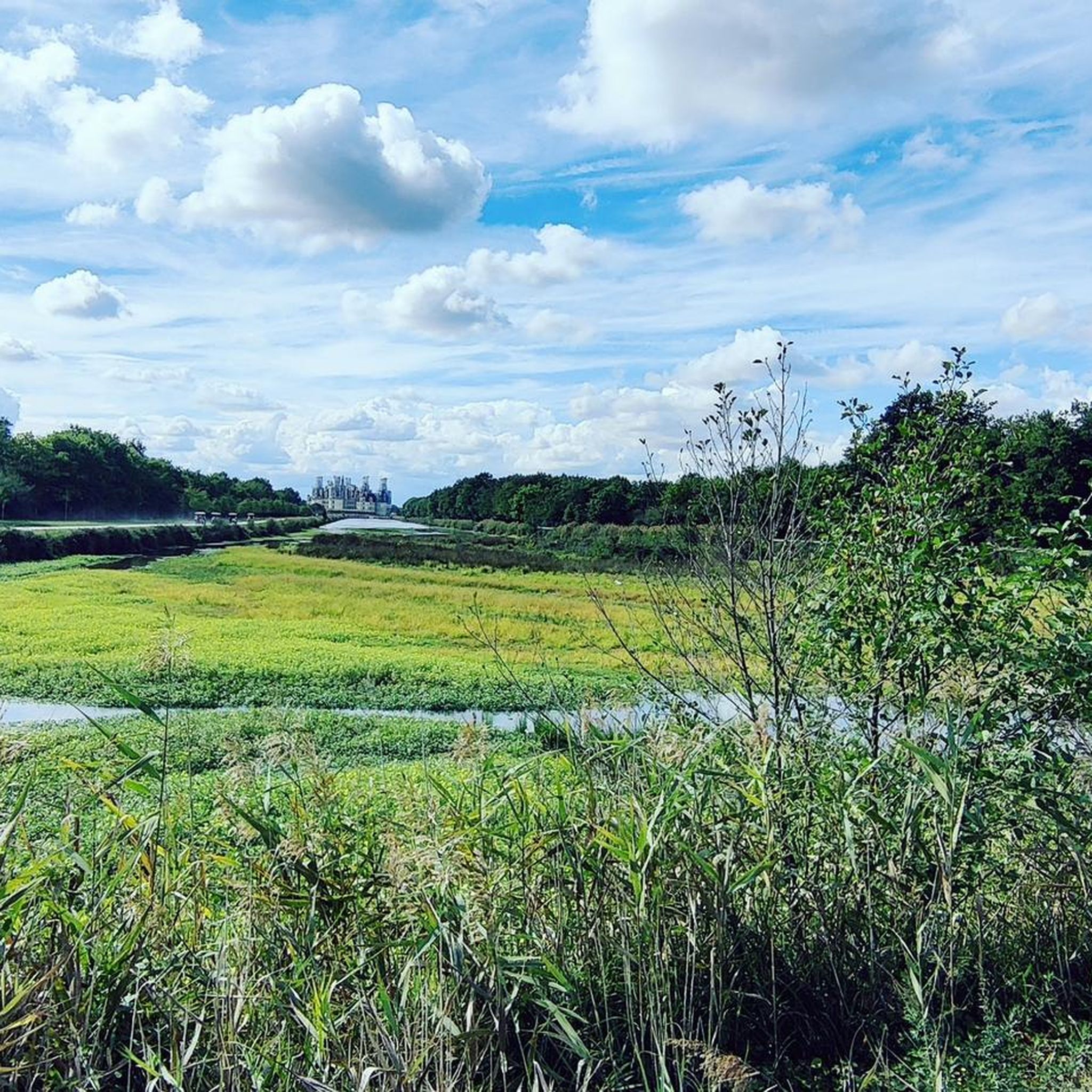
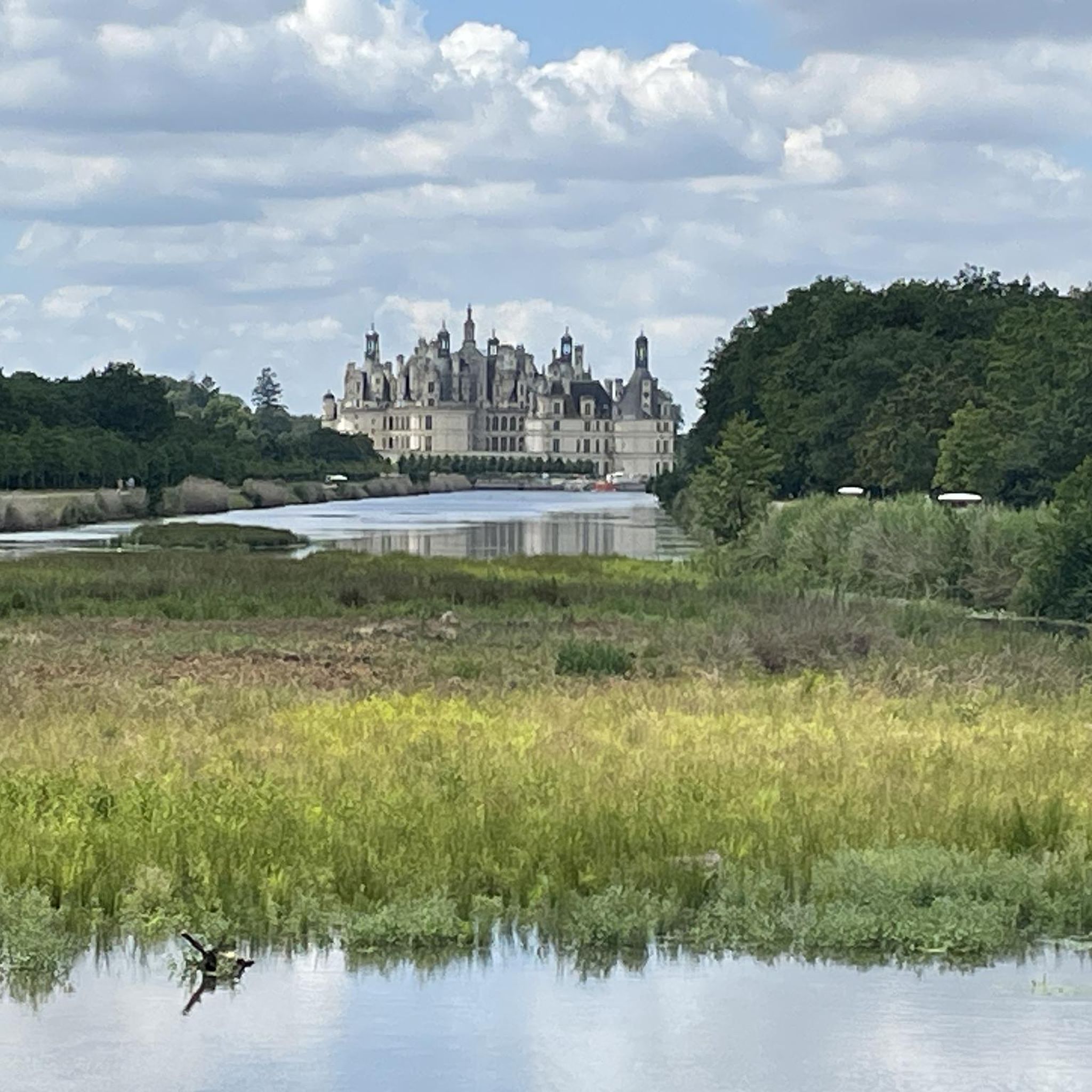
더 긴 라이딩을 원하는 분들을 위해, 라 클라리네리(La Clarinerie)에서 출발하는 샹보르 성 – 샹보르 성 전망 순환 코스는 적당한 도전을 제공합니다. 이 코스는 84.3km(52.4마일)이며 상징적인 샹보르 성과 그 광대한 공원 부지의 전망을 포함하고 있어 솔로뉴 시골 지역을 통과하는 보람찬 경험을 선사합니다.
Neung-Sur-Beuvron 주변에 순환 로드 사이클링 코스가 있나요?
네, 이 지역의 많은 로드 사이클링 코스는 루프 형태로 설계되어 같은 장소에서 시작하고 끝낼 수 있습니다. 한 예로 베르누-쉬르-솔로뉴(Vernou-en-Sologne)에서 출발하는 슈베르니 성 – 브라시외 옛 시장 홀 순환 코스가 있으며, 45.7km(28.4마일) 길이의 이 코스는 역사적인 랜드마크를 감상하고 솔로뉴 시골 지역을 통과합니다.
다른 로드 사이클리스트들은 Neung-Sur-Beuvron에서의 사이클링을 가장 즐겁게 느끼는 점은 무엇인가요?
이 지역은 komoot 커뮤니티에서 평균 별점 4.5점으로 높게 평가받고 있습니다. 리뷰어들은 종종 광활한 숲, 연못 네트워크, 그리고 대체로 평탄한 지형을 포함하는 지역의 다양한 풍경을 칭찬하며, 이는 다양한 수준의 라이더들에게 즐거움을 선사합니다. 코스는 부드러운 포장 도로와 역사적인 성을 탐험할 기회를 제공한다는 점에서 높이 평가받고 있습니다.
Neung-Sur-Beuvron 지역에서 운하를 따라 자전거를 탈 수 있나요?
네, 더 넓은 솔로뉴 지역에서는 수로를 따라 자전거를 탈 수 있는 기회가 있습니다. 예를 들어, 솔드르 운하(Sauldre Canal)는 건축적 흥미로움과 자연의 아름다움을 가로지르는 여정을 제공합니다. 솔드르 운하 옆의 포장된 자전거 도로를 찾을 수 있으며, 고요한 풍경을 제공하고 매력적인 마을들을 연결합니다.
Neung-Sur-Beuvron은 루아르 아 벨로(Loire à Vélo)와 같은 더 큰 사이클링 네트워크와 연결되어 있나요?
Neung-Sur-Beuvron은 루아르 계곡(Loire Valley)에 인접한 솔로뉴 지역 내에 있지만, 루아르 아 벨로(Loire à Vélo)의 주요 경로에 직접 연결되어 있지는 않습니다. 하지만 가까운 거리에 있어 이 유명한 900km 사이클 경로인 유로벨로 6(EuroVelo 6) 네트워크의 일부를 쉽게 이용할 수 있어 장거리 사이클링 모험을 즐길 수 있습니다. 루아르 아 벨로에 대한 자세한 정보는 France Vélo Tourisme에서 확인할 수 있습니다.
자연 경관과 문화 유적지를 결합한 코스가 있나요?
물론입니다. 이 지역의 많은 코스는 솔로뉴의 자연의 아름다움과 풍부한 역사를 모두 보여주도록 설계되었습니다. 예를 들어, 로모랑탱-랑테네(Romorantin-Lanthenay)에서 출발하는 브라시외 옛 시장 홀 – 도로 구간 순환 코스는 50.0km(31.1마일) 길이의 코스로, 삼림 지역과 탁 트인 시골을 통과하며 매력적인 마을들을 지나고 지역의 문화 유산을 엿볼 수 있는 기회를 제공합니다.
능 쉬르 뵈브론 주변에서 가장 인기 있는 명소


더 살펴보기
다른 지역의 최고의 로드 사이클링 경로를 살펴보세요.
