라 페르테 보하르네 최고의 라이딩 경로
5.0
(3)
55
자전거 타는 사람
7
라이딩
라 페르테 보하르네의 로드 사이클링 경로를 찾으시나요? 그렇다면 라 페르테 보하르네 로드 라이딩 컬렉션 중에서 가장 멋진 라이딩 장소를 아래에서 살펴보세요.
마지막 업데이트: 10월 11, 2026
10
자전거 타는 사람
83.9km
04:13
260m
260m
보통 도로 자전거 타기. 좋은 체력 필요. 투어 중 라이딩하기 어려운 비포장 구간이 있을 수 있음.
5.0
(2)
9
자전거 타는 사람
40.0km
01:33
140m
140m
초급용 로드 라이딩. 모든 체력 수준에 적합. 지면 대부분이 잘 포장되어 있고 라이딩하기 쉬움.

9
자전거 타는 사람
43.7km
01:42
140m
140m
초급용 로드 라이딩. 모든 체력 수준에 적합. 지면 대부분이 잘 포장되어 있고 라이딩하기 쉬움.
6
자전거 타는 사람
31.7km
01:16
60m
60m
보통 도로 자전거 타기. 모든 체력 수준에 적합. 투어 중 라이딩하기 어려운 비포장 구간이 있을 수 있음.
4
자전거 타는 사람
51.2km
02:11
180m
180m
보통 도로 자전거 타기. 좋은 체력 필요. 지면 대부분이 잘 포장되어 있고 라이딩하기 쉬움.
더 다양한 경로와 다른 탐험가들의 추천을 살펴보세요.
이미 komoot 계정이 있나요?
투어 추천은 다른 사람들이 komoot에서 완료한 수천 개의 활동을 바탕으로 구성되어 있습니다.
오늘 무료 계정으로 시작하세요
다음 모험이 기다리고 있어요.

커뮤니티 팁

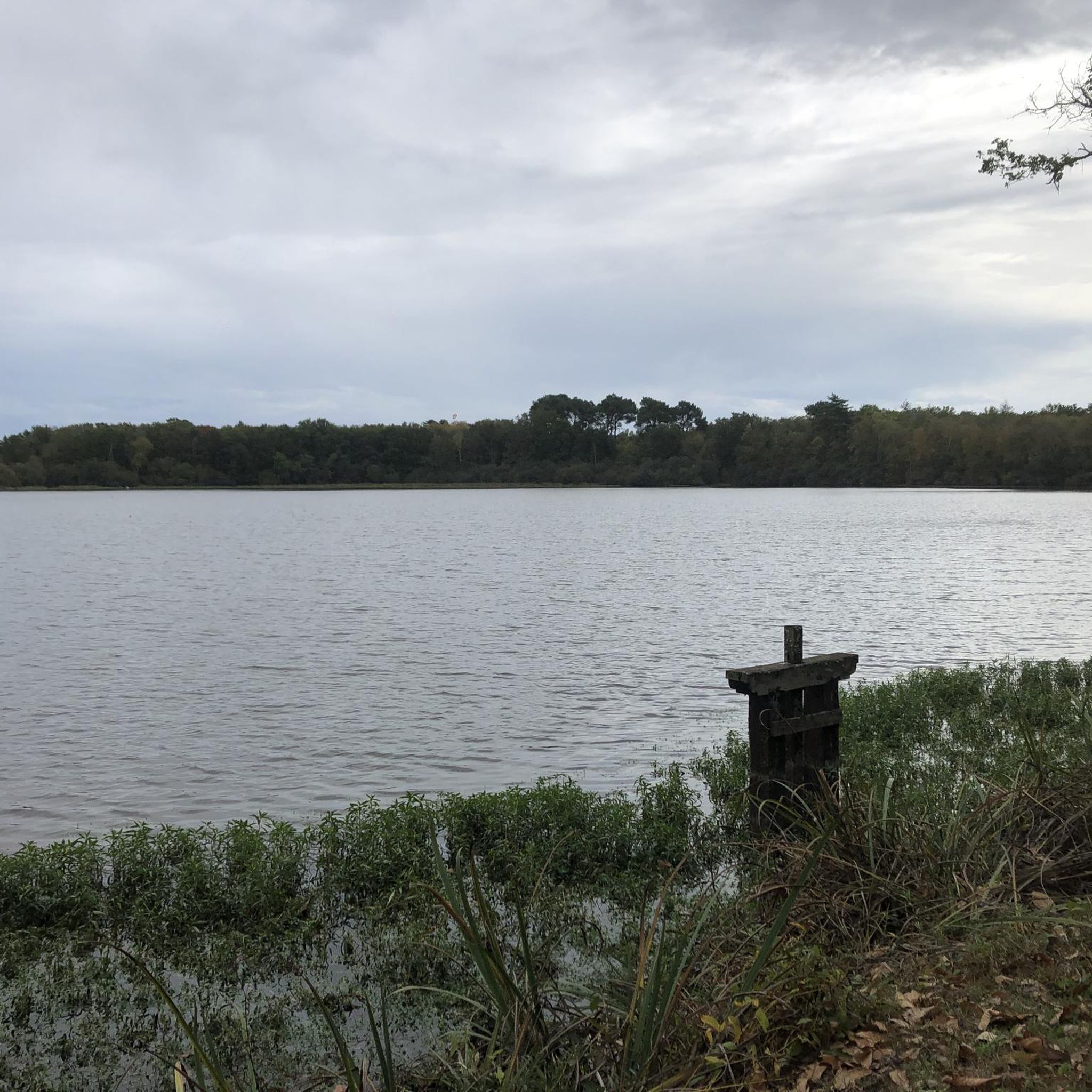
프랑스에서 가장 아름다운 사슴 개체군 중 하나를 품고 있는 숲, 연못, 황무지, 히스으로 둘러싸여 있고 수 킬로미터의 하이킹 트레일이 펼쳐진 Ligny-le-Ribault는 자연 애호가들의 천국입니다. 버드나무 보존지, 피크닉 대피소로 개조된 그림 같은 세탁장, 생태 박물관의 보물, 목조 또는 벽돌로 지어진 Solognot 스타일의 집, 현대 스테인드글라스가 있는 Saint-Martin 교회 등 Cosson 강둑의 모든 것이 매력으로 가득한 이 마을을 탐험하도록 이끌고 있습니다. 시골에는 화려한 성들이 숨겨져 있으며, 그중 가장 인상적인 것은 샹보르 성과 Azay-le-Rideau 성에서 영감을 받아 화려한 사냥의 손님을 맞이하기 위해 설계된 Bon-Hôtel 성입니다.
0
0
1255명의 주민이 사는 솔로뉴 마을(INSEE 2022년 수치) 리니-르-리보(Ligny-le-Ribault)는 라 페르테-생-토뱅(La Ferté-Saint-Aubin)과 샹보르(Chambord) 사이에 솔로뉴 중심부에 위치해 있습니다. 파리에서 불과 1시간 30분 거리에 있는 리니-르-리보에서는 강렬한 순간들을 경험하실 수 있습니다…. 상인, 장인, 협회의 활기 덕분에 리니-르-리보는 살기 좋은 활기찬 마을이 되었습니다. 숲, 연못, 황무지, 히스 사이에서… 낚시, 사냥, 하이킹 또는 가을에 사슴의 울음소리를 듣기 위해, 저희 마을은 매력적인 발견을 선사합니다.
0
0
It's a beautiful castle, that's true, but in a state of disrepair...
0
0

The parish church, dedicated to Saint Stephen, belonged in the 13th century to the Abbey of Micy near Orléans. It was rebuilt at the end of the 15th and beginning of the 16th centuries. It consists of a long nave, 35 meters in length and over 9 meters wide, ending in a three-sided apse. Its walls, built of rubble and rendered brick, are reinforced by dressed stone buttresses. The cornice at the base of the roof and the window and door surrounds are also made of molded dressed stone. The double-lancet windows with trefoil topped by a figure-eight shaped bilobe are identical, except for those on the west facade and the central window, which are more elaborate, featuring three lancets while retaining the same molding. An addition was made at the beginning of the 16th century. On the north side stands an imposing seigneurial chapel and a massive bell tower with eight flat buttresses, two on each face, all built of brick. Ashlar is reserved for the buttresses of the bell tower and alternates with brick in the buttresses of the chapel; it is used for framing the openings, the windows, and the sloping sides of the chapel's gable. A lozenge-shaped decoration of black bricks on a background of pink bricks has been preserved on the lower level and on part of the gable of this chapel. The chapel was the only vaulted part of the church, undoubtedly financed by Jean or Claude d'Estampes, lord of La Ferté-Nabert. The rest of the building was covered by a panelled vault, the replacement of which with a false ribbed vault of plaster resulted in the disappearance of the tie beams and king posts and ruined the structural integrity of the roof frame. This artificial, cold, and superficial decoration of the upper sections deprives the interior of the interplay of tie beams and king posts. These, in their rhythm, corresponded to the lateral openings and reflected the robust structure of the timber frame that protected the building. A comprehensive restoration is planned. Initially, for the north chapel—masonry, roofing, and timber frame—the French Heritage Society (Sauvegarde de l’Art français) provided €30,490 in 2001.
0
0
A Millennial Church The Church of Saint-Sulpice, established as a parish in 1050, is a modest building steeped in history. Formerly part of the Diocese of Orléans, it joined the Diocese of Blois in 1823. It was given in 1105 to the Abbey of Micy-Saint-Mesmin by Sanche, Lord of La Ferté-Hubert. While the Collegiate Church of Saint-Gervais-et-Saint-Protais, once a neighbor, no longer exists, Saint-Sulpice remains a testament to the region's medieval past. La Ferté-Saint-Cyr is also the birthplace of Blessed Daniel Brottier, founder of the National Union of Veterans. Located near the castles of Chambord and Talcy, as well as the Sologne Nature Reserve, the church attracts visitors and worshippers eager to discover this heritage.
0
0
The Church of Saint-Martin is a modest building, but representative of the Sologne region. It consists of a single nave, 15 meters long by 7.50 meters wide, extended by a wider chancel, 10.50 meters long by 8 meters wide. The nave dates from the 12th century and is built of small, irregular rubble stones* and various reclaimed materials (iron burls have even been found in the walls). Dressed stone (lake limestone) is reserved for the quoins and window and door surrounds. The west door is Romanesque: a semicircular arch with an extradosed stringcourse of diamond points (the surrounds have been altered). It is surmounted by a narrow, rather archaic window with a gunport-like vault and no rebate, which has recently been reopened and fitted with a newly created stained-glass window. Traces of two other similar Romanesque windows have been discovered and preserved on the south and north walls of the nave. A beautiful basket-handle arched "door of the dead" was also discovered to the south. The current stained-glass windows were added no later than the early 20th century. In 2003, the entire structure was restored with a lime plaster finish and tufa stone window and door frames. The apse, flanked by brick buttresses laid in a diamond pattern, is characteristic of the early 16th century. The removal of the plasterwork revealed two large segmental arched windows to the south (dating from the 17th or 18th centuries). The sacristy roof was restored with flat tiles, and its doorway was rebuilt with dressed stone and an oak lintel. The church has a small timber-framed bell tower (17th century?) overlooking the west facade. The nave roofs are now covered in slate, whereas they were originally covered in local tiles, as was the sacristy (built in the late 18th or early 19th century). Inside, the church remains in its 19th-century state. While the 17th-century timber frame has disappeared, the building still possesses an interesting 15th- or 16th-century timber frame, with tie beams adorned with rather naive corbels. The king posts and wooden vault were modified later, culminating in the 19th century with a low-pitched plaster vault on laths. A complete 15th-century truss, with a molded king post, base, and capital, is hidden between the west gable wall and the bell tower. While the interior plasterwork was redone a few years ago, the work carried out in 2002 and 2003 uncovered remnants of mural paintings on the west side, by clearing the Romanesque window (which had been blocked during the installation of the bell tower). A faux-ashlar decoration with double ochre-red joints is still clearly visible. The church retains most of its furnishings from after the Counter-Reformation: the pulpit, the altar with its altarpiece (decorated with a Charity of Saint Martin, a copy from 1867), and the baptismal font.
0
0
라 페르테 보하르네 주변에서 가장 인기 있는 명소


더 살펴보기
다른 지역의 최고의 로드 사이클링 경로를 살펴보세요.
